

Mori Atlas logo
National parkRound Top Island National Park

Discover the mapped boundaries and natural island terrain within this North Queensland national park.

Round Top Island National Park: Queensland's Compact Coastal Protected Landscape

Round Top Island National Park represents a distinct protected landscape within Queensland's Coral Sea coastline. This compact national park, encompassing the entirety of Round Top Island, offers a unique opportunity to explore a preserved island ecosystem. As an integral part of the regional atlas, it provides essential context for understanding coastal protected areas along the North Queensland seaboard, highlighting the mapped boundaries and natural terrain of this small but significant reserve.

Island National ParkQueenslandCoral SeaCoastal Protected AreaAustralian National ParkNorth Queensland

Round Top Island National Park

National park

Park overview

Structured park overview, official facts, and landscape profile for Round Top Island National Park

Round Top Island National Park park facts, protected area profile, and essential visitor context
Review the core facts for Round Top Island National Park, including designation, size, terrain, visitor scale, habitats, and operating context in one park-focused overview.

About Round Top Island National Park

Round Top Island National Park represents a focused conservation effort to protect a complete island ecosystem within Queensland's protected areas network. The park encompasses Round Top Island in its entirety, preserving the island's natural landscape and ecological communities from development pressures and human disturbance. Located in the Coral Sea off the North Queensland coast, the island contributes to the state's network of coastal and maritime protected areas that safeguard representative examples of Queensland's diverse marine and island environments. The Queensland Parks and Wildlife Service manages the park under the same framework applied to other Queensland national parks, ensuring consistent protection standards and management protocols. While the island's small size limits the complexity of its terrestrial environments, the protected status ensures that any unique ecological characteristics of this particular island location are maintained for current and future generations.

Quick facts and research context for Round Top Island National Park

Round Top Island National Park is located in Queensland, Australia, positioned in the Coral Sea region of North Queensland. The island covers an area of 19 hectares (47 acres) and falls under IUCN Category II classification as a national park. The park is administered by the Queensland Parks and Wildlife Service, which manages protected areas throughout the state. The island's geographic coordinates are approximately 21.17528°S, 149.26472°E, placing it within the coastal waters of the Coral Sea.

Park context

Deeper park guide and search-rich context for Round Top Island National Park

Round Top Island National Park history, landscape, wildlife, and travel context
Explore Round Top Island National Park through its history, landscape character, ecosystems, wildlife, conservation priorities, cultural context, and seasonal travel timing in a structured park guide built for atlas discovery and search intent.

Why Round Top Island National Park stands out

Round Top Island National Park is known primarily as a compact island protected area preserving a representative sample of Queensland's coastal island ecosystems. The park protects the natural environment of Round Top Island itself, maintaining the island's ecological integrity as a undeveloped coastal landform within the Coral Sea region. As part of Queensland's national park system, it serves as a conservation enclave for any native flora and fauna characteristic of small offshore islands in this tropical to subtropical coastal zone.

Round Top Island National Park history and protected-area timeline

The specific establishment history of Round Top Island National Park is not extensively documented in available source materials. As part of Queensland's national park system, the protected area would have been designated through state conservation legislation, likely during the latter decades of the twentieth century when Queensland significantly expanded its protected areas network. The park's classification as IUCN Category II reflects its status as a national park with primary conservation objectives focused on ecosystem protection and preservation of natural landscapes.

Round Top Island National Park landscape and geographic character

Round Top Island is a coastal island situated within the Coral Sea marine region off the Queensland mainland. The island's landscape character would reflect typical features of small offshore islands in this part of North Queensland, including coastal terrain, vegetation communities adapted to island conditions, and proximity to marine environments. The island's relatively small 19-hectare extent means the entire landform is contained within the national park boundaries, creating a comprehensive island protection arrangement.

Round Top Island National Park ecosystems, habitats, and plant life

As a small island national park in the Coral Sea region, Round Top Island supports the natural ecosystems and biodiversity characteristic of North Queensland's offshore islands. Island environments in this region typically feature specialized vegetation communities adapted to coastal conditions, including salt-tolerant species, and provide habitat for various bird species, invertebrates, and other terrestrial organisms. The protected status ensures these ecological communities remain intact and unmodified by development or other human activities that could degrade natural values.

Round Top Island National Park wildlife and species highlights

Island ecosystems such as Round Top Island typically support distinctive wildlife communities adapted to island environments. Small offshore islands in the Coral Sea region serve as habitat for seabirds, shorebirds, and terrestrial bird species that utilize island environments for nesting, foraging, or seasonal occupancy. The isolation of island habitats often supports specialized species or distinct populations adapted to island conditions, though the specific wildlife present on Round Top Island would reflect the particular ecological characteristics of this location.

Round Top Island National Park conservation status and protection priorities

Round Top Island National Park contributes to Queensland's conservation estate by protecting a complete island ecosystem within a national park framework. The IUCN Category II designation reflects the park's primary objective of preserving natural ecosystems and landscapes. This small island reserve adds to the representation of coastal and island environments within Queensland's protected areas system, supporting biodiversity conservation across the state's diverse ecological landscapes. The park's protection ensures the island's natural values remain unimpaired by development or resource extraction.

Round Top Island National Park cultural meaning and human context

The cultural context of Round Top Island is not extensively documented in available source materials. The island exists within the broader cultural landscape of North Queensland, a region with Aboriginal heritage spanning many thousands of years. However, specific indigenous connections or historical cultural uses of Round Top Island are not detailed in the accessible information.

Top sights and standout views in Round Top Island National Park

Round Top Island National Park offers a compact yet meaningful protected area experience within Queensland's coastal conservation network. The park provides protection for an entire island ecosystem, preserving the natural character of Round Top Island as an undeveloped coastal landform in the Coral Sea. As a small island reserve, it contributes to the diversity of Queensland's national parks, which range from vast inland arid-zone parks to coastal and marine protected areas like this island site.

Best time to visit Round Top Island National Park

Specific seasonal guidance for visiting Round Top Island National Park is not documented in available materials. Generally, North Queensland's island environments experience tropical to subtropical climate patterns with distinct wet and dry seasons. The dry season months (typically April to October) often present more stable weather conditions for coastal and marine activities, though visitors to island national parks should consult current conditions and any access restrictions with the Queensland Parks and Wildlife Service.
Park location guide

Geography guide, regional context, and park location map for Round Top Island National Park

Round Top Island National Park park geography, regions, and map view in Australia
Understand where Round Top Island National Park sits in Australia through a broader geographic reading of the surrounding landscape, nearby location context, and its mapped position within the national park landscape.

How Round Top Island National Park fits into Australia

Australia is a constitutional monarchy and federal parliamentary democracy comprising six states and ten territories. With a population of nearly 28 million, it is one of the world's most urbanised countries, with most people concentrated on the eastern seaboard. The country has a high Human Development Index and is known for its cultural diversity, ancient Aboriginal heritage, and unique wildlife.

Wider geography shaping Round Top Island National Park in Australia

Australia occupies the entire Australian continent, the island of Tasmania, and numerous smaller islands. It is the world's flattest and driest inhabited continent, featuring vast deserts in the interior (the Outback), tropical rainforests along the eastern coast, and a coastline bordering the Indian and Pacific Oceans.

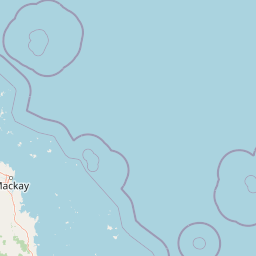
Map view of Round Top Island National Park

Use this park location map to pinpoint Round Top Island National Park in Australia, understand its exact geographic position, and read its mapped placement within the surrounding landscape more clearly.

Pigeon | © OpenStreetMap contributors

Location context for Round Top Island National Park

Queensland
Park atlas

Trace the protected landscapes of North Queensland, comparing island reserves and coastal conservation areas across the Coral Sea.

Explore Other National Parks and Protected Areas Near Round Top Island National Park in Coastal Queensland
Explore national parks and protected areas within coastal Queensland and the Coral Sea, expanding your geographic view beyond Round Top Island National Park. Compare diverse protected landscapes, including other island reserves and mainland coastal conservation sites, to trace the broader network of Australia's natural heritage.
National parkQueensland

Reliance Creek National Park: Preserving Queensland's Coastal Palm Forest Ecosystem

Mapped protected landscape on Queensland's central coast.

Reliance Creek National Park is a critical conservation site in Queensland, safeguarding the most significant remaining area of coastal palm forest. This compact national park protects a unique subtropical ecosystem that has largely vanished from the surrounding regional landscape. Users can explore its precise location and geographic context, understanding its importance as a preserved natural heritage and a testament to the original coastal plain environment.

Area
0.14 km²
Established
1980
IUCN
II
National parkQueensland

Cape Hillsborough National Park: Queensland's Volcanic Peninsula National Park

Mapped geography and protected landscape context in Central Queensland.

Cape Hillsborough National Park is a notable protected area defined by its unique volcanic peninsula landform in Queensland. Its rugged terrain features dense rainforest interiors that contrast with the surrounding coastal environments and tidal zones. As a national park, it offers an excellent opportunity to study landscape context, mapped geological features, and the distribution of protected natural areas within the Central Queensland region.

Area
10.22 km²
Established
1985
IUCN
II
National parkMackay Region

Cape Palmerston National Park: Coastal Protected Area and Geographic Context in Mackay Region

Mapped landscape, dune systems, and mangrove ecosystems.

Delve into the protected landscape of Cape Palmerston National Park, a significant national park in Australia's Mackay Region. This page offers detailed insights into its geographic identity, characterized by 28 kilometers of pristine coastline, dynamic sand dunes, and extensive mangrove forests. Understand its position within the Central Mackay Coast bioregion and explore the mapped boundaries of this diverse protected area, from its beaches to the inland woodland habitats and wetland basins, providing essential atlas context for this unique coastal environment.

Area
71.9 km²
Established
1976
IUCN
II
Relief
Mixed relief
National parkQueensland

South Cumberland Islands National Park: Queensland's Dramatic Granite Island Protected Landscape

Explore its unique mapped geography and natural terrain.

South Cumberland Islands National Park, situated in Queensland, Australia, is a remarkable collection of islands characterized by dramatic granite landscapes, steep interior slopes cloaked in tropical rainforest, and surrounding coral fringing reefs. As the largest island, Scawfell Island rises to a prominent 397-metre peak, showcasing the island group's significant geological features and contributing to its distinct protected landscape identity within the Whitsunday region. Understanding this park offers insight into the mapped natural context of Australia's coastal protected areas.

Area
21.8 km²
IUCN
II
Relief
Mountain
Climate
Subtropical
National parkQueensland

Smith Islands National Park: Queensland Coastal Protected Area Map

Discover the mapped geography and island landscapes of North Queensland.

Smith Islands National Park represents a significant protected island landscape off the coast of Queensland, Australia. This page allows for detailed exploration of its geographic features, mapped boundaries, and role as a national park within the North Queensland region's atlas of natural areas. Understand the unique character of these tropical islands and their place within Australia's network of preserved coastal environments.

Area
18.7 km²
IUCN
II
Scope
Terrestrial
National parkQueensland

Repulse Island National Park: Queensland's Coastal Protected Area and Mapped Geography

Explore this key national park's mapped boundaries and island landscape.

Repulse Island National Park is an important protected natural area offering unique insights into coastal island geography within Queensland's expansive conservation network. Established as a national park, it signifies a commitment to preserving representative natural landscapes. This page focuses on the mapped boundaries, regional geographic context, and the protected landscape identity of Repulse Island National Park, providing a detailed entry point for atlas-driven discovery of Australia's protected areas.

Area
1.51 km²
Established
1994
IUCN
II
Scope
Terrestrial
National parkQueensland

West Hill National Park: Explore Queensland's National Park Geography and Mapped Protected Boundaries

Central Queensland Protected Landscape and Atlas Context

West Hill National Park represents a key protected area within Queensland's natural environment network. As a national park, it offers insights into the region's geography and landscape character, contributing to a structured understanding of protected lands. Explore the mapped boundaries and discover its specific place within the atlas of Australian parks, providing context for its conservation significance in central Queensland.

Area
10.8 km²
Established
1971
IUCN
II
National parkQueensland

Eungella National Park: National Park Protected Landscape and Queensland Geography

Explore mapped boundaries and regional landscape context.

Gain a detailed understanding of Eungella National Park as a protected landscape within Queensland. This page focuses on its mapped boundaries and geographic positioning, offering an atlas-oriented view for those interested in regional park discovery. Delve into the specific natural terrain and protected area context that characterizes Eungella National Park, enhancing your geographic comprehension.

Area
517 km²
Established
1941
IUCN
II

Common questions about visiting, size, designation, and location context for Round Top Island National Park

Round Top Island National Park FAQs for park facts, access, geography, and protected area context
Find quick answers about Round Top Island National Park, including protected-area facts, park geography, trail and visitor context, and how the park fits into its surrounding country and regional landscape.
MoriAtlas Explorer

Continue Your Protected Areas Search Across the Global Atlas

Deepen your exploration by continuing the structured search for national parks and protected areas worldwide. Utilize the comprehensive filtering capabilities to compare different conservation landscapes and refine your understanding of global park geography. Discover more about the distribution and characteristics of protected natural areas.

Global natural geography