

Mori Atlas logo
National parkWest Hill National Park

Understanding the Mapped Boundaries and Geographic Identity of West Hill National Park

West Hill National Park: National Park Discovery in Queensland's Protected Landscape Atlas

West Hill National Park stands as a protected national park entity within Queensland, Australia, offering a specific geographic focus for atlas-driven discovery. Situated approximately 722 kilometers northwest of Brisbane, this park contributes to the state's conservation efforts by preserving a representative natural environment. Explore its mapped protected boundaries and understand its role within the broader regional geography of central Queensland, providing context for its landscape identity.

Queensland national parksIUCN Category IICentral QueenslandProtected areasAustralian parksIsaac Region

West Hill National Park

National park

Park overview

Structured park overview, official facts, and landscape profile for West Hill National Park

West Hill National Park park facts, protected area profile, and essential visitor context
Review the core facts for West Hill National Park, including designation, size, terrain, visitor scale, habitats, and operating context in one park-focused overview.

About West Hill National Park

West Hill National Park is a protected area located in the Carmila area of Isaac Region in Queensland, Australia. Established in 1971, the park covers an area of approximately 10.80 square kilometers and is classified under IUCN Category II as a national park. The park is situated approximately 722 kilometers northwest of Brisbane in central Queensland, within the Carmila locality. The area is managed by the Queensland Parks and Wildlife Service, which oversees protection and conservation efforts for this relatively small but meaningful protected landscape in the state. The park contributes to Queensland's network of national parks that preserve representative examples of the region's natural environments.

Quick facts and research context for West Hill National Park

West Hill National Park is located in central Queensland, Australia, within the Isaac Region near the town of Carmila. The park was established in 1971 and covers an area of 10.80 square kilometers. It is classified as an IUCN Category II protected area, reflecting its national park designation. The Queensland Parks and Wildlife Service manages the park, which sits approximately 722 kilometers northwest of Brisbane. The geographic coordinates are 21.83028°S 149.48611°E.

Park context

Deeper park guide and search-rich context for West Hill National Park

West Hill National Park history, landscape, wildlife, and travel context
Explore West Hill National Park through its history, landscape character, ecosystems, wildlife, conservation priorities, cultural context, and seasonal travel timing in a structured park guide built for atlas discovery and search intent.

West Hill National Park history and protected-area timeline

West Hill National Park was established in 1971 as part of Queensland's expanding protected areas network. The creation of the park reflected the state's commitment to preserving representative natural landscapes across different regions. The park has been managed by the Queensland Parks and Wildlife Service since its establishment, maintaining its protected status for over five decades.
Park location guide

Geography guide, regional context, and park location map for West Hill National Park

West Hill National Park park geography, regions, and map view in Australia
Understand where West Hill National Park sits in Australia through a broader geographic reading of the surrounding landscape, nearby location context, and its mapped position within the national park landscape.

How West Hill National Park fits into Australia

Australia is a constitutional monarchy and federal parliamentary democracy comprising six states and ten territories. With a population of nearly 28 million, it is one of the world's most urbanised countries, with most people concentrated on the eastern seaboard. The country has a high Human Development Index and is known for its cultural diversity, ancient Aboriginal heritage, and unique wildlife.

Wider geography shaping West Hill National Park in Australia

Australia occupies the entire Australian continent, the island of Tasmania, and numerous smaller islands. It is the world's flattest and driest inhabited continent, featuring vast deserts in the interior (the Outback), tropical rainforests along the eastern coast, and a coastline bordering the Indian and Pacific Oceans.

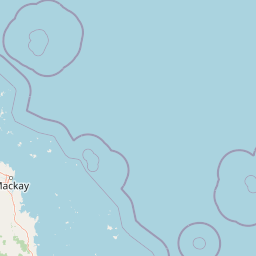
Map view of West Hill National Park

Use this park location map to pinpoint West Hill National Park in Australia, understand its exact geographic position, and read its mapped placement within the surrounding landscape more clearly.

Pigeon | © OpenStreetMap contributors

Location context for West Hill National Park

Isaac RegionQueensland
Park atlas

Compare the diverse conservation landscapes and mapped geography across Central Queensland.

Discover Nearby National Parks and Protected Areas Surrounding West Hill National Park
From West Hill National Park, trace the regional network of other national parks and protected areas across Central Queensland, Australia. Explore a comparative overview of their relative locations, conservation mandates, and diverse landscape types within the broader Australian protected-area atlas.
National parkMackay Region

Cape Palmerston National Park: Coastal Protected Area and Geographic Context in Mackay Region

Mapped landscape, dune systems, and mangrove ecosystems.

Delve into the protected landscape of Cape Palmerston National Park, a significant national park in Australia's Mackay Region. This page offers detailed insights into its geographic identity, characterized by 28 kilometers of pristine coastline, dynamic sand dunes, and extensive mangrove forests. Understand its position within the Central Mackay Coast bioregion and explore the mapped boundaries of this diverse protected area, from its beaches to the inland woodland habitats and wetland basins, providing essential atlas context for this unique coastal environment.

Area
71.9 km²
Established
1976
IUCN
II
Relief
Mixed relief
National parkQueensland

Round Top Island National Park: Protected Island Landscape in Queensland

Explore mapped boundaries and regional conservation context.

Round Top Island National Park preserves the natural character of a small coastal island in Queensland's Coral Sea region. This national park offers a clear example of an entire island protected area, contributing to the broader atlas of Australian conservation landscapes. Understanding its mapped boundaries and its place within North Queensland's geography provides insight into the diversity of protected island ecosystems preserved for their ecological significance.

Area
0.19 km²
IUCN
II
Relief
Mixed relief
Scope
Mixed
National parkQueensland

Reliance Creek National Park: Preserving Queensland's Coastal Palm Forest Ecosystem

Mapped protected landscape on Queensland's central coast.

Reliance Creek National Park is a critical conservation site in Queensland, safeguarding the most significant remaining area of coastal palm forest. This compact national park protects a unique subtropical ecosystem that has largely vanished from the surrounding regional landscape. Users can explore its precise location and geographic context, understanding its importance as a preserved natural heritage and a testament to the original coastal plain environment.

Area
0.14 km²
Established
1980
IUCN
II
National parkIsaac Region

Homevale National Park: Central Queensland's Protected Sandstone and Fossil Landscape

Explore dramatic cliffs, peaks, and ancient Permian fossil sites.

Homevale National Park in Australia's Isaac Region is a testament to geological time and conservation. Its landscape is defined by striking sandstone formations, including dramatic cliffs, rugged peaks, and distinctive spires. Beyond its visual appeal, the park is scientifically vital for its Permian-period fossil discoveries, dating back 280 to 225 million years. This protected area offers a unique glimpse into ancient marine environments and the geological evolution of Central Queensland, making it a key destination for atlas-driven landscape discovery.

Area
218 km²
Established
1995
IUCN
II
National parkQueensland

Cape Hillsborough National Park: Queensland's Volcanic Peninsula National Park

Mapped geography and protected landscape context in Central Queensland.

Cape Hillsborough National Park is a notable protected area defined by its unique volcanic peninsula landform in Queensland. Its rugged terrain features dense rainforest interiors that contrast with the surrounding coastal environments and tidal zones. As a national park, it offers an excellent opportunity to study landscape context, mapped geological features, and the distribution of protected natural areas within the Central Queensland region.

Area
10.22 km²
Established
1985
IUCN
II
National parkQueensland

South Cumberland Islands National Park: Queensland's Dramatic Granite Island Protected Landscape

Explore its unique mapped geography and natural terrain.

South Cumberland Islands National Park, situated in Queensland, Australia, is a remarkable collection of islands characterized by dramatic granite landscapes, steep interior slopes cloaked in tropical rainforest, and surrounding coral fringing reefs. As the largest island, Scawfell Island rises to a prominent 397-metre peak, showcasing the island group's significant geological features and contributing to its distinct protected landscape identity within the Whitsunday region. Understanding this park offers insight into the mapped natural context of Australia's coastal protected areas.

Area
21.8 km²
IUCN
II
Relief
Mountain
Climate
Subtropical
National parkQueensland

Eungella National Park: National Park Protected Landscape and Queensland Geography

Explore mapped boundaries and regional landscape context.

Gain a detailed understanding of Eungella National Park as a protected landscape within Queensland. This page focuses on its mapped boundaries and geographic positioning, offering an atlas-oriented view for those interested in regional park discovery. Delve into the specific natural terrain and protected area context that characterizes Eungella National Park, enhancing your geographic comprehension.

Area
517 km²
Established
1941
IUCN
II
National parkQueensland

Smith Islands National Park: Queensland Coastal Protected Area Map

Discover the mapped geography and island landscapes of North Queensland.

Smith Islands National Park represents a significant protected island landscape off the coast of Queensland, Australia. This page allows for detailed exploration of its geographic features, mapped boundaries, and role as a national park within the North Queensland region's atlas of natural areas. Understand the unique character of these tropical islands and their place within Australia's network of preserved coastal environments.

Area
18.7 km²
IUCN
II
Scope
Terrestrial

Common questions about visiting, size, designation, and location context for West Hill National Park

West Hill National Park FAQs for park facts, access, geography, and protected area context
Find quick answers about West Hill National Park, including protected-area facts, park geography, trail and visitor context, and how the park fits into its surrounding country and regional landscape.
MoriAtlas Explorer

Continue Your Protected Areas Search Across the Global Atlas

Deepen your exploration by continuing the structured search for national parks and protected areas worldwide. Utilize the comprehensive filtering capabilities to compare different conservation landscapes and refine your understanding of global park geography. Discover more about the distribution and characteristics of protected natural areas.

Global natural geography