Why Northumberland Islands National Park stands out
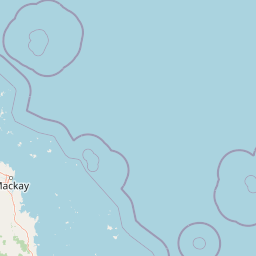
The Northumberland Islands are known for their island wilderness character and the protection they provide to coastal island habitats in central Queensland. The park preserves islands that form part of the broader Northumberland Islands archipelago, a chain of islands running parallel to the mainland coast. These islands support coastal and island ecosystems distinct from the adjacent mainland, with vegetation communities adapted to island conditions and marine environments surrounding the land masses.
Northumberland Islands National Park history and protected-area timeline
The Northumberland Islands were protected as a national park in 1994, when the Queensland government formally declared all or parts of the islands as a protected area. This designation placed the islands under the management framework of the Queensland Parks and Wildlife Service, which administers protected areas throughout the state. The establishment of the national park reflected a growing recognition of the conservation value of coastal island environments in Queensland, many of which had previously remained unprotected or had only limited protection under other tenure categories. The 1994 declaration added the Northumberland Islands to Queensland's developing national park estate, providing permanent protection for the islands' natural values.
Northumberland Islands National Park landscape and geographic character
The Northumberland Islands feature typical coastal island terrain, with islands of varying sizes and topographies forming a chain parallel to the Queensland mainland. The islands rise from coastal waters that are part of the broader marine environment extending from the Queensland coast. The landscape includes beachfringe areas, rocky headlands, and interior terrain supporting vegetation communities typical of island environments in this part of Australia. The islands are positioned within view of the mainland coast, placing them within the broader context of the North Queensland coastal zone that extends between the Great Barrier Reef and the mainland.
Northumberland Islands National Park ecosystems, habitats, and plant life
The islands support vegetation communities adapted to coastal island conditions, including species that thrive in the wind-affected, salt-spray environments typical of offshore islands. The island ecosystems exist in close association with the surrounding marine environment, with coastal waters supporting marine life that interacts with the terrestrial environments of the islands. Birdlife likely utilizes the islands as nesting and resting sites given their position in the coastal zone. The islands exist within a marine region that forms part of the broader tropical and subtropical coastal ecosystem extending along the Queensland coast.
Northumberland Islands National Park wildlife and species highlights
The Northumberland Islands provide habitat for coastal and seabird species that utilize island environments for nesting and feeding. The surrounding marine waters support fish and other marine organisms that inhabit the coastal zone between the islands and the mainland. Island environments in this part of Queensland often support reptile populations adapted to island living, as well as invertebrate communities in beach and woodland habitats. The isolated nature of island environments makes them important for species that require coastal island habitats for their survival.
Northumberland Islands National Park conservation status and protection priorities
The national park designation provides permanent protection to the Northumberland Islands, preserving island ecosystems that would otherwise face pressures from development, introduced species, and other threats common to coastal island environments. Protecting these islands contributes to the conservation of Queensland's coastal biodiversity, with island environments often supporting unique or restricted species that occur nowhere else. The park forms part of a network of marine and coastal protected areas along the Queensland coast, contributing to the broader conservation framework that includes the Great Barrier Reef Marine Park and numerous coastal national parks.
Northumberland Islands National Park cultural meaning and human context
The Northumberland Islands exist within the traditional country of Aboriginal peoples who have long inhabited the coastal regions of central Queensland. The islands and surrounding waters would have held significance for Indigenous communities, with coastal island environments often featuring in traditional stories, resource use, and cultural practices. European exploration and use of the islands has occurred since the early colonial period, with the islands named in reference to the Northumberland region in England, following the naming conventions common in early Queensland exploration.
Top sights and standout views in Northumberland Islands National Park
The Northumberland Islands offer a remote island wilderness experience accessible from the Queensland coast. The park preserves a chain of islands that represent the coastal island environments of central Queensland, providing protected habitat for island-adapted species and preserving landscapes distinct from the nearby mainland. The islands' position within view of the coast while maintaining an isolated island character makes them notable within Queensland's national park system.
Best time to visit Northumberland Islands National Park
The Northumberland Islands can be visited throughout the year, with the dry season from April to October generally offering more comfortable conditions for outdoor activity in North Queensland. The warm, humid summer months from November to March bring higher temperatures and increased rainfall, which influences both the landscape character and access possibilities. Visitors planning trips to island parks in this region should consider seasonal weather patterns and the logistics of reaching island locations along this section of the Queensland coast.