Why Whitsunday Islands National Park stands out
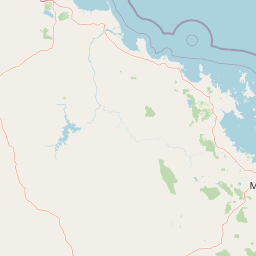
Whitsunday Islands National Park is best known for Whitehaven Beach on Whitsunday Island, a seven-kilometre stretch of pure white silica sand consistently ranked among the world's finest beaches. The park's iconic status also derives from its setting within the Great Barrier Reef marine ecosystem, with coral reefs encircling every island in the group. The archipelago serves as a significant seasonal habitat for humpback whales, which use the sheltered waters as a calving ground from May through September each year. The combination of island topography, beach aesthetics, reef-supported marine biodiversity, and accessible wilderness has made this national park one of Australia's most recognizable protected landscapes.
Whitsunday Islands National Park history and protected-area timeline
Whitsunday Islands National Park was formally established in 1944, representing one of the earliest national park designations in Queensland's protected area system. The establishment of the park reflected growing recognition of the islands' natural values and the need to protect their distinctive landscapes from development pressures that had begun to emerge along the Queensland coast during the mid-twentieth century.
The park's creation also acknowledged the cultural significance of the islands to their traditional Aboriginal owners. The Whitsunday Islands and surrounding waters fall within the traditional sea country of the Ngaro, Gia, and Juru peoples, who maintain ongoing cultural connections to these landscapes and waters. The recognition of Aboriginal peoples as traditional owners and custodians of the coastal and marine environments has become increasingly integrated into the park's management approach, reflecting broader evolutions in protected area management philosophy across Australia.
Since establishment, the park has been managed by the Queensland Parks and Wildlife Service, which continues to oversee visitor access, conservation programs, and infrastructure maintenance across the island group. The development of visitor facilities at key locations such as Whitehaven Beach has been undertaken with attention to minimizing environmental impact while providing appropriate public access to this iconic landscape. The park's governance framework has evolved to address contemporary conservation challenges including marine ecosystem protection, visitor management, and climate change adaptation.
Whitsunday Islands National Park landscape and geographic character
The Whitsunday Islands present a distinctive tropical island landscape defined by granite and metamorphic rock formations, coastal cliffs, pocket forests, and exceptional beach environments. The islands lie within a transitional zone between the Coral Sea continental shelf and the Great Barrier Reef complex, creating a landscape where mountain island topography meets coral reef marine environments. The largest islands feature hilly terrain rising from sea level to summits exceeding 400 metres, with exposed rock outcrops and steep coastal slopes characteristic of the archipelago's visual character.
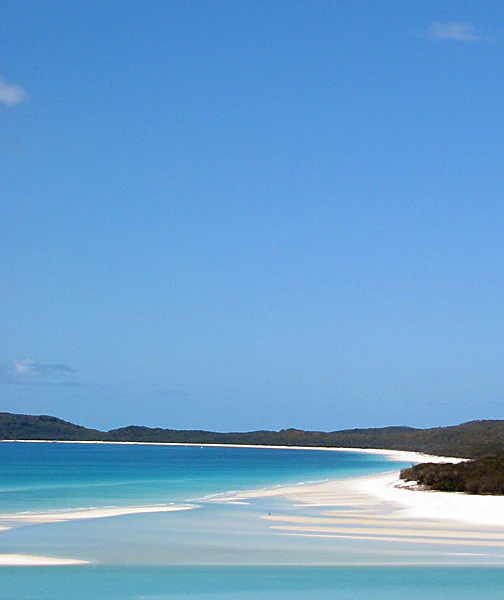
Whitehaven Beach stands as the park's most celebrated landscape feature, a six-kilometre crescent of pure white silica sand on the eastern coast of Whitsunday Island. The beach's exceptional whiteness derives from the silica content of the sand, which has been naturally processed by wave action over geological time. Behind the beach, foredune systems support specialized beach dune vegetation, while the island's interior contains dry sclerophyll forest communities adapted to the islands' seasonal rainfall patterns.
Hill Inlet, located at the northern end of Whitehaven Beach, creates a dramatic meeting point where tidal flows and sand movements produce constantly shifting patterns of white sand and turquoise water. This landscape feature exemplifies the dynamic coastal processes that shape the Whitsunday island environment. The surrounding waters range from shallow reef flat environments to deeper channels exceeding 20 metres, creating diverse marine and coastal landscapes that extend from the beach strand to the reef edge.
Whitsunday Islands National Park ecosystems, habitats, and plant life
The Whitsunday Islands support a range of terrestrial and marine ecosystems that reflect the archipelago's position within the Great Barrier Reef region. Terrestrial vegetation across the larger islands includes dry sclerophyll forest communities dominated by paperback and bloodwood Eucalyptus species, with vine thicket patches occurring in more sheltered localities. Coastal dune vegetation species occupy the beach foredune environments, while cliff-face communities adapted to salt spray and exposed conditions occur along rocky headlands.
The marine environment surrounding the islands constitutes one of the most biodiverse coastal ecosystems in Australia. Coral reef communities thrive in the clear waters surrounding each island, with reef flat, reef slope, and lagoon environments providing habitat for numerous coral species and associated fish communities. Seagrass meadows occur in shallower protected bays, supporting dugong populations and providing important feeding grounds for marine turtles. The transition from island terrestrial environments through nearshore reef systems to deeper water channels creates a complex ecological mosaic that supports high biological productivity.
The park's position within the Great Barrier Reef World Heritage Area connects its marine ecosystems to the broader reef system that stretches over 2,300 kilometres along the Queensland coast. Water quality within the park benefits from the reef system's natural filtration capacity, while the islands provide important roosting and nesting sites for seabirds and shorebirds. The combination of terrestrial biodiversity, reef-associated marine life, and the seasonal presence of migratory marine mammals creates an ecological profile of considerable significance.
Whitsunday Islands National Park wildlife and species highlights
The Whitsunday Islands provide habitat for diverse wildlife communities spanning terrestrial, coastal, and marine environments. Among the most significant seasonal visitors are humpback whales, which migrate to the sheltered waters of the Whitsunday archipelago between May and September each year to give birth and nurse their calves. These whale populations have recovered from historical commercial hunting pressure and now form a significant component of the park's wildlife experience, with boat-based whale watching opportunities available during the migration season.
Marine turtles, including green turtles and hawksbill turtles, frequent the reef waters surrounding the islands and nest on beach sites across the archipelago. Dugong, a protected marine mammal species, graze on seagrass beds in shallower bay areas. The reef environments support numerous fish species, including coral trout, parrotfish, and trevally, while larger pelagic species including reef sharks and manta rays occur in deeper waters adjacent to the reef edges.
Terrestrial wildlife includes various bird species such as white-bellied sea-eagles and ospreys that nest on cliff faces, while bush stone-curlews and ground-dwelling birds inhabit the island forests. The islands support populations of spectacled flying-foxes, which roost in forest patches and provide important seed-dispersal functions. The combination of island-based terrestrial wildlife and reef-associated marine species creates a wildlife profile of considerable diversity, though the park is perhaps most celebrated for its marine megafauna and seasonal whale presence.
Whitsunday Islands National Park conservation status and protection priorities
Whitsunday Islands National Park sits within the Great Barrier Reef World Heritage Area, one of the world's most significant marine protected landscapes. The park's conservation significance derives from the integration of island terrestrial ecosystems with surrounding coral reef environments, creating a protected area that encompasses both terrestrial and marine biodiversity values. The Great Barrier Reef's World Heritage listing acknowledges the outstanding universal value of this marine ecosystem, within which the Whitsunday Islands play a significant role.
The park contributes to conservation of several threatened and migratory species, including humpback whales that use the Whitsunday waters as a seasonal calving ground. Marine turtle populations benefit from protection of nesting beaches and foraging habitats within the park boundaries. The reef systems surrounding each island provide protected habitat for coral reef biodiversity, though these environments face ongoing pressures from climate change, ocean acidification, and crown-of-thorns starfish outbreaks that affect reef health across the Great Barrier Reef region.
Management by the Queensland Parks and Wildlife Service focuses on maintaining ecological integrity while providing sustainable visitor access to the islands. Visitor impact management, marine water quality protection, and fire management on larger islands form key components of the conservation program. The park's island setting provides some natural protection from mainland development pressures, though climate change impacts including sea-level rise and altered storm patterns present emerging challenges for long-term conservation planning.
Whitsunday Islands National Park cultural meaning and human context
The Whitsunday Islands and surrounding waters lie within the traditional sea country of the Ngaro, Gia, and Juru Aboriginal peoples, whose connections to these landscapes extend across thousands of years. These Aboriginal groups maintained sophisticated maritime cultures that encompassed extensive use of the island environments, navigation of the waters between islands, and sustainable harvesting of marine resources. The islands and surrounding seas hold cultural significance that is reflected in traditional knowledge systems, place names, and ongoing cultural practices.
Historical documentation of Aboriginal connections to the Whitsunday Islands was significantly advanced through the work of Dorothy Turnbull, an early chronicler of the region's Indigenous heritage who recorded place names and traditional knowledge associated with the islands during the early twentieth century. This work contributed to understanding the deep cultural connections that Aboriginal peoples maintained with these coastal and island environments prior to and following European settlement of the Queensland coast.
Contemporary park management acknowledges the ongoing cultural connections of traditional owner groups to the Whitsunday Islands and incorporates Aboriginal cultural values into conservation planning and visitor interpretation. The integration of Indigenous knowledge and cultural perspectives into park management reflects evolving approaches to protected area governance across Queensland and Australia more broadly, recognizing that cultural and natural values are interconnected in the management of these island landscapes.
Top sights and standout views in Whitsunday Islands National Park
Whitehaven Beach stands as the undisputed highlight of Whitsunday Islands National Park, its six kilometres of pure white silica sand creating one of the world's most photogenic beach environments. Hill Inlet at the beach's northern end provides a constantly shifting landscape where tidal flows create intricate patterns of white sand and turquoise water. The opportunity to camp overnight on Whitsunday Island adjacent to Whitehaven Beach offers a backcountry experience rarely available at such an iconic location, accessible only by boat from the mainland. The seasonal presence of humpback whales between May and September creates extraordinary wildlife viewing opportunities, with mother whales and newborn calves frequently observed in the protected waters surrounding the islands. The Great Barrier Reef setting provides exceptional snorkeling and diving experiences directly from island beaches, with coral reef environments accessible within swimming distance of the shore.
Best time to visit Whitsunday Islands National Park
The optimal time to visit Whitsunday Islands National Park depends on the experiences sought, with distinct seasonal patterns affecting wildlife viewing, marine conditions, and overall visitor comfort. The dry season from May through October offers generally stable weather conditions, lower humidity, and reduced rainfall, making this the most popular time for island visitation. This period coincides with the humpback whale migration season, providing excellent opportunities to observe whales in the park's waters between May and September, with peak whale activity typically occurring during the winter months of June through August.
The warmer months from November through April bring higher temperatures and increased humidity, along with the wet season rains that can affect marine visibility around the islands. This period also coincides with the marine stinger season, when box jellyfish and Irukandji jellyfish are present in island waters between October and May. Most visitors choose to wear stinger suits when swimming during this period. Despite the marine stinger presence, the summer months offer excellent conditions for reef activities, with warmer water temperatures making extended snorkeling more comfortable. The shoulder seasons of April-May and October-November often provide favorable conditions combining good weather with reduced visitor numbers.