Mori Atlas logo
National parkHolbourne Island National Park

Discover the mapped geography of this small island national park and its role as a wildlife sanctuary.

Holbourne Island National Park: Queensland's Coastal Protected Landscape and Maritime History

Holbourne Island National Park represents a significant protected area within Queensland's marine geography, encompassing the entirety of a small island off the coast in the Coral Sea. Established as a national park, this 34-hectare sanctuary is a critical site for seabird populations and sea turtle nesting, showcasing vital coastal wildlife conservation within its mapped boundaries. The island's unique landscape also holds layers of maritime history, including its connection to the SS Gothenburg shipwreck survivors, offering a distinct context for atlas exploration of Australia's protected coastlines.

Bird SanctuaryTurtle Nesting SiteCoastal IslandMaritime HistoryCoral SeaQueensland

Holbourne Island National Park

National park

Park overview

Structured park overview, official facts, and landscape profile for Holbourne Island National Park

Holbourne Island National Park park facts, protected area profile, and essential visitor context
Review the core facts for Holbourne Island National Park, including designation, size, terrain, visitor scale, habitats, and operating context in one park-focused overview.

About Holbourne Island National Park

Holbourne Island National Park protects a small but ecologically significant island in Queensland's coastal waters. The park represents one of Queensland's more compact national park units, yet it encompasses important coastal and island ecosystems that support specialized wildlife communities. The island's position in the Coral Sea places it within a broader maritime region known for complex navigation conditions and several maritime mysteries, sometimes referred to locally as part of the Coral Sea's Bermuda Triangle. The park's management balances the preservation of natural habitats with the protection of historical and cultural values associated with the island's maritime heritage. Visitors to the park experience a remote island environment characterized by coastal vegetation, sandy beaches suitable for turtle nesting, and the surrounding Coral Sea waters that define the island's setting.

Quick facts and research context for Holbourne Island National Park

Holbourne Island National Park occupies 34 hectares (84 acres) of coastal terrain in the Coral Sea region of Queensland, Australia. The island was formally named Holburn Isle by Captain James Cook during his 1770 voyage aboard HMS Endeavour. The park was established in 1982 and is classified under IUCN Category II as a national park. The island is notable for its role in maritime history, particularly the 1875 shipwreck of the SS Gothenburg, whose survivors famously engraved their names on a turtle shell now held in the South Australian Museum.

Park context

Deeper park guide and search-rich context for Holbourne Island National Park

Holbourne Island National Park history, landscape, wildlife, and travel context
Explore Holbourne Island National Park through its history, landscape character, ecosystems, wildlife, conservation priorities, cultural context, and seasonal travel timing in a structured park guide built for atlas discovery and search intent.

Why Holbourne Island National Park stands out

Holbourne Island is best known for its dual identity as a wildlife sanctuary and a site of maritime historical significance. The island serves as a natural nesting ground for sea turtles and provides habitat for diverse bird species, making it an important site for coastal wildlife conservation. The dramatic story of the SS Gothenburg shipwreck survivors, who survived on the island by eating bird eggs and collecting rainwater before their rescue, adds a distinctive historical dimension to this small protected island.

Holbourne Island National Park history and protected-area timeline

The history of Holbourne Island stretches back to European exploration of the Australian coast. Captain James Cook named the island Holburn Isle during his 1770 voyage along the Queensland coast aboard HMS Endeavour, establishing one of the earliest recorded European associations with the island. The island gained broader historical prominence in 1875 following the wreck of the SS Gothenburg. Eighteen survivors from the shipwreck reached Holbourne Island, where they survived for several days by consuming raw bird's eggs and collecting rainwater that had collected in rock formations. Four survivors arrived initially on a damaged lifeboat on February 25, followed by fourteen more the following day. The survivors carved their names into the concave side of a large turtle shell, an artifact that now resides in the South Australian Museum in Adelaide. Some survivors later departed the island in search of rescue, while others remained until a rescue vessel arrived.

Holbourne Island National Park landscape and geographic character

Holbourne Island presents a classic small island coastal landscape characterized by sandy beach areas, coastal vegetation zones, and the surrounding marine environment of the Coral Sea. The island's terrain features rock formations that naturally collect rainwater, providing freshwater sources that have historically sustained visitors and wildlife. The surrounding Coral Sea waters define the island's maritime setting, with the island positioned within a region of complex underwater geography and navigation challenges. The island's limited land area of 34 hectares creates an intimate coastal environment where terrestrial and marine ecosystems intermingle along the shoreline.

Holbourne Island National Park ecosystems, habitats, and plant life

The ecological character of Holbourne Island centers on its significance as a coastal bird sanctuary and turtle nesting habitat. The island supports populations of seabirds that utilize the island for breeding and resting, contributing to the bird sanctuary designation. Sea turtles, particularly green turtles and potentially other species, use the island's sandy beaches for nesting, making the park an important location for marine reptile reproduction in the Queensland coastal region. The surrounding Coral Sea waters support marine biodiversity that complements the island's terrestrial ecological values, creating a combined terrestrial-marine protected area context.

Holbourne Island National Park wildlife and species highlights

Holbourne Island National Park supports notable wildlife populations focused on seabirds and marine reptiles. The island functions as a natural bird sanctuary, providing habitat for various seabird species that nest and rest on the island's coastal terrain. Sea turtles represent the most significant reptile species associated with the park, with the island's beaches serving as important nesting sites. The surrounding marine environment of the Coral Sea adds to the wildlife context, with marine species inhabiting the waters around the island contributing to the overall ecological value of the protected area.

Holbourne Island National Park conservation status and protection priorities

Holbourne Island National Park contributes to Queensland's protected area network by preserving a small but important island ecosystem. The national park status (IUCN Category II) provides formal protection for the island's wildlife habitats, particularly the bird sanctuary and turtle nesting areas. The 1982 establishment of the park codified conservation values that had previously existed informally through the island's protected status. The management by Queensland Parks and Wildlife Service ensures ongoing protection of both the ecological values and the historical significance associated with the island.

Holbourne Island National Park cultural meaning and human context

The cultural context of Holbourne Island combines indigenous maritime heritage with significant historical events from European exploration and shipping history. The island's naming by James Cook connects it to the broader narrative of Australian coastal exploration, while the SS Gothenburg shipwreck represents a dramatic chapter in maritime history. The survival of eighteen shipwreck survivors on the island and their eventual rescue creates a notable human interest dimension to the island's history. The turtle shell bearing the survivors' names, now held in the South Australian Museum, serves as a tangible artifact linking the island to this historical event.

Top sights and standout views in Holbourne Island National Park

The defining highlights of Holbourne Island National Park include its role as a turtle nesting sanctuary and seabird habitat, the dramatic maritime history of the SS Gothenburg shipwreck, and its location within the maritime navigation region of the Coral Sea. The small scale of the park concentrates these values into an accessible island environment where wildlife viewing and historical exploration intersect. The connection to Captain James Cook's 1770 voyage adds early exploration heritage to the island's cultural profile.

Best time to visit Holbourne Island National Park

The best time to visit Holbourne Island would generally align with Queensland's dry season, typically from May through October, when weather conditions are more stable and sea conditions are generally safer for access. The turtle nesting season typically occurs during warmer months, so visitors interested in wildlife observation may find the period from late spring through early autumn particularly relevant. However, visitor access to the island is likely limited given its remote coastal location and protected status, with most visitors arriving by private boat or organized tours.
Park location guide

Geography guide, regional context, and park location map for Holbourne Island National Park

Holbourne Island National Park park geography, regions, and map view in Australia
Understand where Holbourne Island National Park sits in Australia through a broader geographic reading of the surrounding landscape, nearby location context, and its mapped position within the national park landscape.

How Holbourne Island National Park fits into Australia

Australia is a constitutional monarchy and federal parliamentary democracy comprising six states and ten territories. With a population of nearly 28 million, it is one of the world's most urbanised countries, with most people concentrated on the eastern seaboard. The country has a high Human Development Index and is known for its cultural diversity, ancient Aboriginal heritage, and unique wildlife.

Wider geography shaping Holbourne Island National Park in Australia

Australia occupies the entire Australian continent, the island of Tasmania, and numerous smaller islands. It is the world's flattest and driest inhabited continent, featuring vast deserts in the interior (the Outback), tropical rainforests along the eastern coast, and a coastline bordering the Indian and Pacific Oceans.

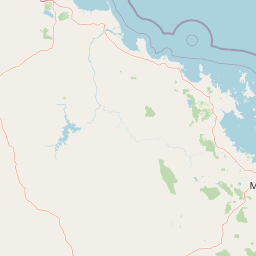
Map view of Holbourne Island National Park

Use this park location map to pinpoint Holbourne Island National Park in Australia, understand its exact geographic position, and read its mapped placement within the surrounding landscape more clearly.

Pigeon | © OpenStreetMap contributors

Location context for Holbourne Island National Park

Queensland
Park atlas

Compare other coastal protected landscapes and island sanctuaries across the Coral Sea region

Discover Other National Parks and Protected Areas Near Holbourne Island National Park, Queensland
After exploring Holbourne Island National Park, browse nearby national parks and protected areas that share similar coastal island landscapes and maritime contexts in Queensland. Comparing these geographically adjacent protected zones offers valuable atlas insight into regional conservation, diverse ecological habitats, and the broader Coral Sea geography.
National parkQueensland

Cape Upstart National Park: Dramatic Queensland Coastal Protected Landscape

Explore Indigenous heritage and mapped terrain of this national park.

Cape Upstart National Park is a distinguished protected area in North Queensland, notable for its spectacular coastal headland that serves as a landmark against the Coral Sea. This park is a testament to the enduring connection between Indigenous heritage and natural landscapes, holding profound cultural significance for the Juru People whose ancestral lands it encompasses. Users can explore its mapped boundaries, diverse terrain from sandstone ridges to coastal dunes, and the intersection of geological features with deep cultural narratives, making it a crucial point for understanding protected area identity and regional geography.

Area
84.8 km²
Established
1969
IUCN
II
Relief
Lowland
National parkQueensland

Whitsunday Islands National Park: Iconic Queensland National Park with Tropical Island Landscapes

Explore mapped protected boundaries and diverse coastal geography.

Whitsunday Islands National Park encompasses a remarkable collection of 74 islands off Queensland's coast, celebrated for their pristine tropical island landscapes and iconic Whitehaven Beach. This national park provides a unique opportunity to explore Australia's protected coastal and marine environments, offering detailed geographic context, mapped island topography, and insights into the park's role within the Great Barrier Reef World Heritage Area.

Area
170 km²
Established
1944
IUCN
II
National parkQueensland

Mount Aberdeen National Park: A Queensland National Park with Unique Cloud Forest and Granite Peaks

Explore mapped terrain and protected landscape context in North Queensland.

Mount Aberdeen National Park represents a significant protected landscape in Queensland, defined by its striking granite peaks and an ecologically vital tropical cloud forest. This national park covers 29.10 square kilometers, showcasing unique flora such as hoop pine forests and rare red gum-snow grass communities. Its geographical position and unusual highland environment create a distinctive natural asset within the broader regional geography, offering valuable insights into Australia's protected area network and diverse ecosystems.

Area
29.1 km²
Established
1967
IUCN
II
National parkQueensland

Repulse Island National Park: Queensland's Coastal Protected Area and Mapped Geography

Explore this key national park's mapped boundaries and island landscape.

Repulse Island National Park is an important protected natural area offering unique insights into coastal island geography within Queensland's expansive conservation network. Established as a national park, it signifies a commitment to preserving representative natural landscapes. This page focuses on the mapped boundaries, regional geographic context, and the protected landscape identity of Repulse Island National Park, providing a detailed entry point for atlas-driven discovery of Australia's protected areas.

Area
1.51 km²
Established
1994
IUCN
II
Scope
Terrestrial
National parkQueensland

Smith Islands National Park: Queensland Coastal Protected Area Map

Discover the mapped geography and island landscapes of North Queensland.

Smith Islands National Park represents a significant protected island landscape off the coast of Queensland, Australia. This page allows for detailed exploration of its geographic features, mapped boundaries, and role as a national park within the North Queensland region's atlas of natural areas. Understand the unique character of these tropical islands and their place within Australia's network of preserved coastal environments.

Area
18.7 km²
IUCN
II
Scope
Terrestrial
National parkQueensland

Eungella National Park: National Park Protected Landscape and Queensland Geography

Explore mapped boundaries and regional landscape context.

Gain a detailed understanding of Eungella National Park as a protected landscape within Queensland. This page focuses on its mapped boundaries and geographic positioning, offering an atlas-oriented view for those interested in regional park discovery. Delve into the specific natural terrain and protected area context that characterizes Eungella National Park, enhancing your geographic comprehension.

Area
517 km²
Established
1941
IUCN
II
National parkQueensland

Cape Hillsborough National Park: Queensland's Volcanic Peninsula National Park

Mapped geography and protected landscape context in Central Queensland.

Cape Hillsborough National Park is a notable protected area defined by its unique volcanic peninsula landform in Queensland. Its rugged terrain features dense rainforest interiors that contrast with the surrounding coastal environments and tidal zones. As a national park, it offers an excellent opportunity to study landscape context, mapped geological features, and the distribution of protected natural areas within the Central Queensland region.

Area
10.22 km²
Established
1985
IUCN
II
National parkQueensland

South Cumberland Islands National Park: Queensland's Dramatic Granite Island Protected Landscape

Explore its unique mapped geography and natural terrain.

South Cumberland Islands National Park, situated in Queensland, Australia, is a remarkable collection of islands characterized by dramatic granite landscapes, steep interior slopes cloaked in tropical rainforest, and surrounding coral fringing reefs. As the largest island, Scawfell Island rises to a prominent 397-metre peak, showcasing the island group's significant geological features and contributing to its distinct protected landscape identity within the Whitsunday region. Understanding this park offers insight into the mapped natural context of Australia's coastal protected areas.

Area
21.8 km²
IUCN
II
Relief
Mountain
Climate
Subtropical

Common questions about visiting, size, designation, and location context for Holbourne Island National Park

Holbourne Island National Park FAQs for park facts, access, geography, and protected area context
Find quick answers about Holbourne Island National Park, including protected-area facts, park geography, trail and visitor context, and how the park fits into its surrounding country and regional landscape.
MoriAtlas Explorer

Continue Your Protected Areas Search Across the Global Atlas

Deepen your exploration by continuing the structured search for national parks and protected areas worldwide. Utilize the comprehensive filtering capabilities to compare different conservation landscapes and refine your understanding of global park geography. Discover more about the distribution and characteristics of protected natural areas.

Global natural geography