Why Holbourne Island National Park stands out
Holbourne Island is best known for its dual identity as a wildlife sanctuary and a site of maritime historical significance. The island serves as a natural nesting ground for sea turtles and provides habitat for diverse bird species, making it an important site for coastal wildlife conservation. The dramatic story of the SS Gothenburg shipwreck survivors, who survived on the island by eating bird eggs and collecting rainwater before their rescue, adds a distinctive historical dimension to this small protected island.
Holbourne Island National Park history and protected-area timeline
The history of Holbourne Island stretches back to European exploration of the Australian coast. Captain James Cook named the island Holburn Isle during his 1770 voyage along the Queensland coast aboard HMS Endeavour, establishing one of the earliest recorded European associations with the island. The island gained broader historical prominence in 1875 following the wreck of the SS Gothenburg. Eighteen survivors from the shipwreck reached Holbourne Island, where they survived for several days by consuming raw bird's eggs and collecting rainwater that had collected in rock formations. Four survivors arrived initially on a damaged lifeboat on February 25, followed by fourteen more the following day. The survivors carved their names into the concave side of a large turtle shell, an artifact that now resides in the South Australian Museum in Adelaide. Some survivors later departed the island in search of rescue, while others remained until a rescue vessel arrived.
Holbourne Island National Park landscape and geographic character
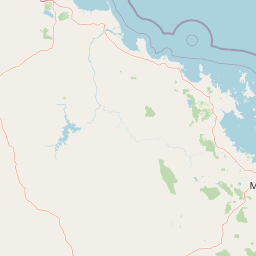
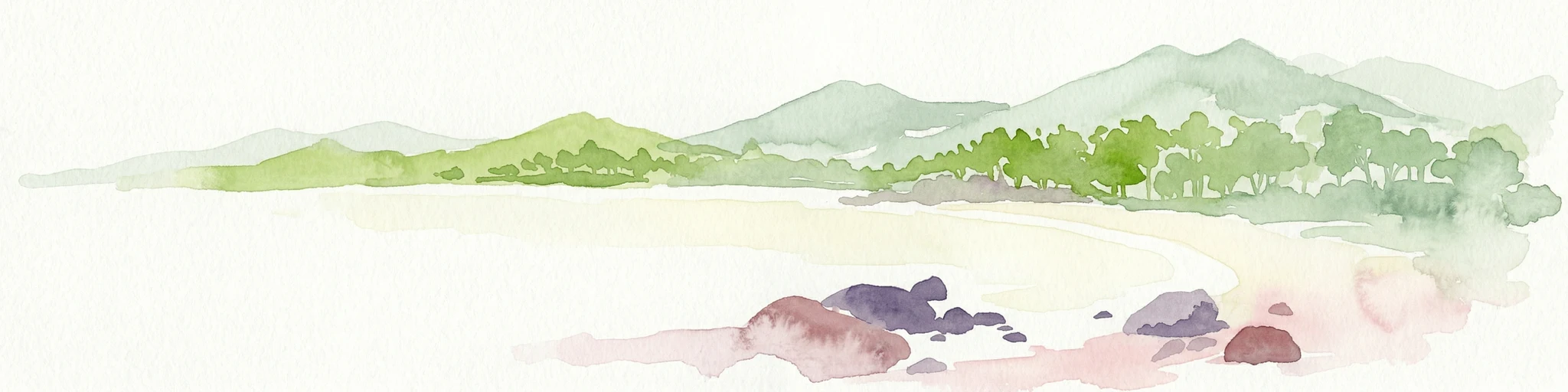
Holbourne Island presents a classic small island coastal landscape characterized by sandy beach areas, coastal vegetation zones, and the surrounding marine environment of the Coral Sea. The island's terrain features rock formations that naturally collect rainwater, providing freshwater sources that have historically sustained visitors and wildlife. The surrounding Coral Sea waters define the island's maritime setting, with the island positioned within a region of complex underwater geography and navigation challenges. The island's limited land area of 34 hectares creates an intimate coastal environment where terrestrial and marine ecosystems intermingle along the shoreline.
Holbourne Island National Park ecosystems, habitats, and plant life
The ecological character of Holbourne Island centers on its significance as a coastal bird sanctuary and turtle nesting habitat. The island supports populations of seabirds that utilize the island for breeding and resting, contributing to the bird sanctuary designation. Sea turtles, particularly green turtles and potentially other species, use the island's sandy beaches for nesting, making the park an important location for marine reptile reproduction in the Queensland coastal region. The surrounding Coral Sea waters support marine biodiversity that complements the island's terrestrial ecological values, creating a combined terrestrial-marine protected area context.
Holbourne Island National Park wildlife and species highlights
Holbourne Island National Park supports notable wildlife populations focused on seabirds and marine reptiles. The island functions as a natural bird sanctuary, providing habitat for various seabird species that nest and rest on the island's coastal terrain. Sea turtles represent the most significant reptile species associated with the park, with the island's beaches serving as important nesting sites. The surrounding marine environment of the Coral Sea adds to the wildlife context, with marine species inhabiting the waters around the island contributing to the overall ecological value of the protected area.
Holbourne Island National Park conservation status and protection priorities
Holbourne Island National Park contributes to Queensland's protected area network by preserving a small but important island ecosystem. The national park status (IUCN Category II) provides formal protection for the island's wildlife habitats, particularly the bird sanctuary and turtle nesting areas. The 1982 establishment of the park codified conservation values that had previously existed informally through the island's protected status. The management by Queensland Parks and Wildlife Service ensures ongoing protection of both the ecological values and the historical significance associated with the island.
Holbourne Island National Park cultural meaning and human context
The cultural context of Holbourne Island combines indigenous maritime heritage with significant historical events from European exploration and shipping history. The island's naming by James Cook connects it to the broader narrative of Australian coastal exploration, while the SS Gothenburg shipwreck represents a dramatic chapter in maritime history. The survival of eighteen shipwreck survivors on the island and their eventual rescue creates a notable human interest dimension to the island's history. The turtle shell bearing the survivors' names, now held in the South Australian Museum, serves as a tangible artifact linking the island to this historical event.
Top sights and standout views in Holbourne Island National Park
The defining highlights of Holbourne Island National Park include its role as a turtle nesting sanctuary and seabird habitat, the dramatic maritime history of the SS Gothenburg shipwreck, and its location within the maritime navigation region of the Coral Sea. The small scale of the park concentrates these values into an accessible island environment where wildlife viewing and historical exploration intersect. The connection to Captain James Cook's 1770 voyage adds early exploration heritage to the island's cultural profile.
Best time to visit Holbourne Island National Park
The best time to visit Holbourne Island would generally align with Queensland's dry season, typically from May through October, when weather conditions are more stable and sea conditions are generally safer for access. The turtle nesting season typically occurs during warmer months, so visitors interested in wildlife observation may find the period from late spring through early autumn particularly relevant. However, visitor access to the island is likely limited given its remote coastal location and protected status, with most visitors arriving by private boat or organized tours.