Mori Atlas logo
National parkDesert National Park

Discover the unique geography, mapped terrain, and conservation value of this arid national park.

Desert National Park: India's Largest Desert Protected Landscape in Rajasthan

Desert National Park, located in the arid Thar Desert of Rajasthan, India, represents a sprawling protected area vital for desert ecosystem conservation. Spanning approximately 3,162 square kilometers, this national park is renowned for its dramatic sand dunes, unique rock formations, and significant paleontological deposits, including dinosaur remains dating back millions of years. It serves as a crucial habitat for desert-adapted wildlife and is particularly recognized for supporting the critically endangered great Indian bustard.

Desert ecosystemBird conservationNational parkThar DesertEndangered speciesFossil site

Desert National Park

National park

Park overview

Structured park overview, official facts, and landscape profile for Desert National Park

Desert National Park park facts, protected area profile, and essential visitor context
Review the core facts for Desert National Park, including designation, size, terrain, visitor scale, habitats, and operating context in one park-focused overview.

About Desert National Park

Desert National Park represents a critical conservation unit within the Thar Desert, one of the world's most populated desert ecosystems and a region of extraordinary ecological and cultural significance in India. The park's vast expanse of 3,162 square kilometers encompasses a complex mosaic of desert habitats that support a surprisingly rich diversity of plant and animal life, much of it specially adapted to survive in an environment characterized by extreme temperatures, scarce water resources, and sparse vegetation cover. The protection of this area is particularly important given the fragility of desert ecosystems, which recover slowly from disturbance and face ongoing pressures from human activities along the park's boundaries. Beyond its biological significance, the park holds substantial scientific value through its fossil deposits, which provide insights into the prehistoric environments that existed in this region tens of millions of years ago. The park's proximity to the historic city of Jaisalmer, a major destination for visitors exploring Rajasthan's desert heritage, makes it an important component of the region's tourism landscape while also presenting challenges in balancing visitor access with conservation objectives.

Quick facts and research context for Desert National Park

Desert National Park occupies roughly 3,162 square kilometers in western Rajasthan, making it one of India's largest protected areas. The landscape is dominated by sand dunes, which cover approximately 44 percent of the park's extent, with the remaining area comprising pediments, rocky pavements, and semi-stabilized dunes. The park lies in the Thar Desert, also known as the Great Indian Desert, and supports a surprising abundance of wildlife considering the harsh environmental conditions. It was formally protected in 1980 and designated a national park the following year. The park contains significant fossil deposits, including Jurassic-era specimens and dinosaur fossils estimated at 65-66 million years old.

Park context

Deeper park guide and search-rich context for Desert National Park

Desert National Park history, landscape, wildlife, and travel context
Explore Desert National Park through its history, landscape character, ecosystems, wildlife, conservation priorities, cultural context, and seasonal travel timing in a structured park guide built for atlas discovery and search intent.

Why Desert National Park stands out

Desert National Park is best known for its population of the great Indian bustard, one of the heaviest flying birds in the world and a critically endangered species that survives in significant numbers within this protected landscape. The park's fossil heritage is equally remarkable, with discoveries of dinosaur eggs and skeletal remains dating to the late Cretaceous period among the most significant paleontological finds in the Thar Desert region. The park also provides crucial habitat for the chinkara, a graceful gazelle species, and harbors one of the few remaining populations of the Indian wolf in the desert zone. The dramatic sand dune landscapes, particularly around the Sams area, offer one of the most visually striking desert vistas in Rajasthan.

Desert National Park history and protected-area timeline

Desert National Park was formally established in 1981, following its gazettment as a protected area in 1980, making it a relatively recent addition to India's network of national parks. The creation of the park reflected growing recognition of the Thar Desert's ecological importance and the need to protect its unique biodiversity from the pressures of development, grazing, and other human activities that had degraded portions of the desert landscape. The park's establishment came during a period when India was expanding its protected area network and strengthening its wildlife conservation framework, building upon earlier designations of national parks and wildlife sanctuaries dating to the post-independence period. While the park does not contain major historical monuments or ancient structures, the surrounding region of Jaisalmer has a rich cultural heritage tied to the desert, with the city's traditional role as a center of desert trade and commerce predating the modern protected area designation.

Desert National Park landscape and geographic character

The terrain of Desert National Park is dominated by the characteristic features of the Thar Desert, a vast expanse of aeolian sand deposits that have accumulated over millennia to create one of the most distinctive landscapes on the Indian subcontinent. Approximately 44 percent of the park's area is covered by active and semi-stabilized sand dunes, including the prominent Sams Sand Dunes that have become an iconic visual feature of the region. Between the dune systems, the landscape includes extensive pediments, rocky pavement surfaces, and areas of compact salt lake bottoms that reflect the region's complex geological history. The underlying geology includes exposures of sedimentary strata that contain the park's significant fossil deposits, with rocks from the Jurassic period containing well-preserved impressions of ancient marine organisms and other fossils that document the prehistoric environments that existed when this area was covered by shallow seas. The overall topography is generally flat to gently undulating, with occasional rocky outcrops and isolated hillocks providing visual relief and microhabitats for specialized desert organisms.

Desert National Park ecosystems, habitats, and plant life

The ecological character of Desert National Park reflects the harsh but surprisingly productive conditions of the Thar Desert, where specialized organisms have evolved remarkable adaptations to survive in an environment of extreme temperatures and limited water availability. The park's vegetation is sparse but diverse, with approximately 168 plant species recorded including drought-resistant shrubs, thorny bushes, and scattered trees such as Tecomella undulata and Moringa concanensis that provide important cover and food resources for wildlife. The habitat types within the park include open grassland areas, particularly in interdunal valleys where moisture accumulation supports more lush growth, thorny bushland on the dune slopes and plains, and the distinctive dune systems themselves, each supporting different assemblages of plants and animals. The park sits within a transition zone between the sandy desert proper and areas with more stony substrates, creating a mosaic of microhabitats that contributes to the overall biodiversity of the area. Despite the apparent limitations of the desert environment, the park supports a surprising density of wildlife, particularly during the winter months when water availability improves and migratory species augment the resident population.

Desert National Park wildlife and species highlights

The wildlife population of Desert National Park represents a remarkable example of desert adaptation, with numerous species evolved to thrive in conditions that would be inhospitable to many other animals. The park is particularly notable for its population of great Indian bustard, a large ground-dwelling bird that is critically endangered and now survives in significant numbers only in protected areas of the Thar Desert region. The chinkara, a graceful gazelle species, is among the most commonly observed large mammals in the park, with populations maintaining viable numbers across the park's extent. The Indian wolf, a subspecies adapted to desert conditions, roams the park's interior areas and represents one of the few remaining wolf populations in India's desert zone. Additional mammal species include the Indian desert jird, Indian gerbil, long-eared hedgehog, small Indian mongoose, desert hare, and Asiatic wildcat. The reptile population is diverse, with species including the spiny-tailed lizard, monitor lizard, saw-scaled viper, Russell's viper, and various snake species. The avifauna is particularly impressive, with both resident and migratory species present, including various eagles, falcons, kestrels, sand grouse, and the striking demoiselle crane that arrives in winter.

Desert National Park conservation status and protection priorities

Desert National Park plays a crucial role in the conservation of India's desert biodiversity, protecting an ecosystem type that is poorly represented in the country's protected area network. The park's significance is particularly acute for the great Indian bustard, a species that has suffered severe population declines across its historic range and now survives primarily in a handful of protected areas in the Thar Desert region. Conservation challenges in the park include the inherent fragility of desert ecosystems, which recover slowly from disturbance, and the ongoing pressure from grazing and other human activities along the park's boundaries. The park's fossil resources also represent a unique conservation value, with the Jurassic and Cretaceous period specimens providing important scientific insights into prehistoric life in this region. The designation of the area as a national park under India's wildlife protection framework provides a legal foundation for conservation activities and helps ensure that the park's natural values are maintained for future generations.

Desert National Park cultural meaning and human context

While Desert National Park is primarily significant for its natural values, the park exists within a broader cultural landscape shaped by centuries of human presence in the Thar Desert region. The surrounding area of Jaisalmer and Barmer districts has been inhabited by desert communities for generations, with traditional pastoral and agricultural practices shaping the landscape around the protected area. The park does not contain major cultural heritage sites or monuments, and its designation as a protected area represents a relatively recent intervention in the region's land use history. The local communities continue to maintain connections to the desert landscape, with traditional land use practices potentially interacting with the park's boundaries and management. The park's proximity to Jaisalmer, with its rich heritage of desert trading and Rajput martial traditions, provides cultural context for understanding the human relationship with this harsh but beautiful landscape.

Top sights and standout views in Desert National Park

The great Indian bustard remains the park's most iconic species, offering visitors the chance to observe one of the world's most threatened large birds in its natural desert habitat. The significant fossil deposits within the park, including dinosaur remains and Jurassic-era specimens, provide a unique window into prehistoric life in the Thar Desert region. The dramatic sand dunes, particularly at Sams, create one of the most visually striking desert landscapes in India. The winter months bring additional wildlife interest, with migratory species including demoiselle cranes and houbara bustards arriving to augment the resident population. The park's position as one of India's largest national parks by area makes it an important representative of desert conservation in the country.

Best time to visit Desert National Park

The most favorable time to visit Desert National Park is during the winter months from October through March, when temperatures are moderate and comfortable for outdoor exploration. During this period, daytime temperatures are pleasant, wildlife is more active and visible as animals venture from shelter to bask in the sun, and the park receives its complement of migratory bird species including the striking demoiseille crane and various waterfowl that augment the resident avifauna. The summer months from April through June bring extreme heat that can exceed 45 degrees Celsius, making outdoor activities difficult and dangerous, while the monsoon season from July through September brings limited rainfall that creates muddy conditions without substantially easing the heat. The winter season also offers the advantage of clear, crisp days with excellent visibility for landscape photography and wildlife observation, particularly during the early morning hours when animals are most active around water sources.

Park location guide

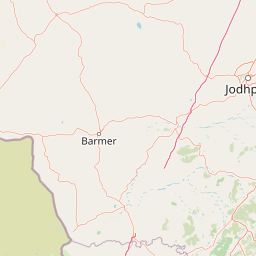
Geography guide, regional context, and park location map for Desert National Park

Desert National Park park geography, regions, and map view in India
Understand where Desert National Park sits in India through a broader geographic reading of the surrounding landscape, nearby location context, and its mapped position within the national park landscape.

How Desert National Park fits into India

India is a South Asian country bordered by the Indian Ocean, Arabian Sea, and Bay of Bengal. It shares land borders with Pakistan, China, Nepal, Bhutan, Bangladesh, and Myanmar. The country has a population of over 1.4 billion people and operates as a federal parliamentary republic with its capital in New Delhi.

Wider geography shaping Desert National Park in India

India occupies the Indian subcontinent in South Asia, bordered by the Arabian Sea to the southwest, the Bay of Bengal to the southeast, and the Indian Ocean to the south. It shares land borders with Pakistan to the west, China, Nepal, and Bhutan to the north, and Bangladesh and Myanmar to the east. The territory also includes the Andaman and Nicobar Islands in the Indian Ocean.

Map view of Desert National Park

Use this park location map to pinpoint Desert National Park in India, understand its exact geographic position, and read its mapped placement within the surrounding landscape more clearly.

Pigeon | © OpenStreetMap contributors

Location context for Desert National Park

Rajasthan
Park atlas

Explore connected desert ecosystems and protected landscapes across Rajasthan's expansive Thar Desert geography.

Discover Other National Parks and Protected Areas Near Desert National Park
After exploring Desert National Park, browse other national parks and protected areas situated within its broader regional geography. Compare diverse desert ecosystems, unique conservation landscapes, and geological formations across the surrounding Thar Desert terrain.
National parkPunjab

Lal Suhanra National Park: Protected Landscape in Punjab, Pakistan with Desert, Forest, and Wetland

Explore the mapped boundaries and unique geography of this national park.

Lal Suhanra National Park, a expansive national park in Pakistan's Punjab province, is distinguished by its extraordinary ecological mosaic. This UNESCO Biosphere Reserve seamlessly integrates desert regions characterized by dynamic sand dunes with areas of dense forest plantations and vital wetland habitats. The park's terrain offers a fascinating study in contrasts, showcasing how diverse ecosystems can coexist and thrive within a protected area, providing rich context for geographic and landscape exploration. Understand its mapped protected area and its significance within the regional geography.

Area
657.91 km²
Established
1972
IUCN
II
National parkBhavnagar District

Blackbuck National Park: Gujarat's Grassland Protected Landscape and Wildlife Atlas

Mapped semi-arid terrain and endangered species habitat.

Blackbuck National Park in Bhavnagar District, India, presents a unique focus on semi-arid grassland ecosystems and their protection. This national park showcases a flat, expansive landscape that borders coastal tidal zones, offering a distinct geographic context for its rich biodiversity. As a critical habitat for the blackbuck antelope and the endangered lesser florican, its protected area status is paramount. Exploring this park through its mapped boundaries and regional geography reveals its importance within India's network of conservation landscapes.

Area
34.08 km²
Established
1976
IUCN
II
Relief
Lowland
National parkBalochistan

Hingol National Park: Pakistan's Unique Protected Landscape and Geological Atlas

Discover dramatic rock formations and coastal geography.

Hingol National Park stands as a monumental protected landscape within Balochistan, Pakistan, offering an unparalleled atlas view of geological diversity. Renowned for its hoodoos like the Princess of Hope and the Balochistan Sphinx, the park also features active mud volcanoes and striking coastal semi-desert terrain. The confluence of the Hingol River with the Arabian Sea creates important wetland habitats. This national park provides a rich context for exploring unique natural formations and regional geography, making it a significant point of discovery within Pakistan's protected areas.

Area
6,100 km²
Established
1988
IUCN
II
National parkRajasthan

Mukundara Hills National Park: Rajasthan's Protected Landscape for Tigers and Diverse Habitats

Explore its dry deciduous forests, rocky hills, and riverine ecosystems.

Mukundara Hills National Park is a significant national park and tiger conservation landscape situated in eastern Rajasthan, India. This protected area features a varied terrain encompassing rocky hills, dry deciduous forests, and crucial grassland patches, all intersected by major rivers like the Chambal. Its ecological importance lies in providing vital habitat for Bengal tigers and a mosaic of landscapes that support a wide array of wildlife. Understanding its mapped boundaries and geographic context reveals its critical role in regional conservation efforts and provides a rich atlas-level view of protected lands in western India.

Area
759.99 km²
Established
2004
IUCN
II
National parkBalochistan

Takatu National Park: Balochistan's Mountainous National Park and Protected Landscape

Explore the park's mapped terrain and Sulaiman markhor habitat.

Takatu National Park represents a significant protected landscape in the highlands of Balochistan, Pakistan. Established in 2025, this national park features the dramatic mountainous terrain dominated by Koh-i-Takatu, the region's third-highest peak. The park's boundaries encompass critical habitat for the endangered Sulaiman markhor, contributing to a vital conservation corridor. Its geography offers a distinctive semi-arid mountain character, distinct from other protected areas in Pakistan, making it a notable site for atlas-driven exploration and understanding of regional biodiversity.

Area
135.246 km²
Established
2025
IUCN
II
Relief
Mountain
National parkBalochistan

Hazarganji-Chiltan National Park: Balochistan's Mountain Protected Area & Landscape

Explore protected wildlife habitats and unique terrain in the Sulaiman Mountains.

Hazarganji-Chiltan National Park represents a significant protected landscape within Balochistan, Pakistan. Designated as a national park, it is fundamental to the conservation of the Chiltan ibex and Sulaiman Markhor, showcasing a unique arid mountain ecosystem. The park's terrain encompasses a transition from desert conditions to higher juniper forests, offering a detailed case study in regional geography and protected area management. Understanding Hazarganji-Chiltan National Park provides essential context for the mapped distribution of critical wildlife habitats in the Sulaiman Mountains range.

Area
155.55 km²
Established
1980
IUCN
II
National parkRajasthan

Ranthambore National Park: Protected Area Atlas and Dry Deciduous Landscape Exploration

Discover its unique terrain and mapped boundaries.

Dive into the protected landscape of Ranthambore National Park, a nationally significant protected area in Rajasthan, India. This page offers detailed insights into its dry deciduous forest ecosystem, characterized by rocky hills, open grasslands, and vital lakes. Explore the park's mapped boundaries and understand its position within the regional geography, providing an atlas-centric view of its terrain and conservation importance.

Area
1,334 km²
Established
1980
IUCN
II
National parkNavsari District

Vansda National Park: Protected Deciduous Forest Landscape within the Western Ghats

Explore the mapped geography and biodiversity of this Navsari District national park.

Vansda National Park stands as a crucial protected area in Navsari District, Gujarat, preserving the characteristic dense deciduous forests and extensive bamboo groves of the Western Ghats. The park's geography is shaped by its location along the Ambika River, presenting a landscape of rolling hills and forested valleys within this significant biodiversity hotspot. Users can delve into its protected land status, mapped terrain, and the unique ecological attributes that make it a noteworthy national park for geographic and conservation exploration.

Area
23.99 km²
Established
1979
IUCN
II

Common questions about visiting, size, designation, and location context for Desert National Park

Desert National Park FAQs for park facts, access, geography, and protected area context
Find quick answers about Desert National Park, including protected-area facts, park geography, trail and visitor context, and how the park fits into its surrounding country and regional landscape.
MoriAtlas Explorer

Continue Your Protected Areas Search Across the Global Atlas

Deepen your exploration by continuing the structured search for national parks and protected areas worldwide. Utilize the comprehensive filtering capabilities to compare different conservation landscapes and refine your understanding of global park geography. Discover more about the distribution and characteristics of protected natural areas.

Global natural geography