

Mori Atlas logo
National parkExpedition National Park

Trace the dramatic ridgelines and Robinson Gorge within this key protected landscape of central Queensland.

Expedition National Park: Queensland's Rugged Sandstone Mountain Wilderness & Protected Area

Expedition National Park offers a striking example of mountainous terrain within the broader Australian landscape, located in central Queensland. This protected area encompasses the dramatic Expedition Range, a series of rugged sandstone escarpments and deep gorges that stand in contrast to the surrounding semi-arid plains. Established as a national park, it serves as a vital refuge for flora and fauna adapted to this unique environment, offering significant ecological value and a distinct geographic context for exploration.

Mountain wildernessSandstone cliffsDry eucalyptus forestBrigalow BeltRobinson GorgeSemi-arid landscape

Expedition National Park

National park

Park overview

Structured park overview, official facts, and landscape profile for Expedition National Park

Expedition National Park park facts, protected area profile, and essential visitor context
Review the core facts for Expedition National Park, including designation, size, terrain, visitor scale, habitats, and operating context in one park-focused overview.

About Expedition National Park

Expedition National Park occupies a distinctive place in Queensland's protected area network as one of the few substantial mountain reserves in the state's central region. The Expedition Range rises abruptly from the surrounding landscape, creating a landscape of exceptional topographic variety within a region dominated by more uniform terrain. The park's protection ensures the preservation of these mountain ecosystems, which support plant and animal communities distinct from those found in the surrounding pastoral and agricultural lands.

The park's location approximately 490 kilometers northwest of Brisbane places it within reach of visitors seeking to explore Queensland's less-touristed interior. While the park does not receive the visitor numbers of more famous Queensland destinations, it offers opportunities for those interested in experiencing rugged Australian bushland away from crowds. The protected landscape encompasses multiple vegetation types, from the dry eucalyptus forests that dominate the ridgelines to the more sheltered communities that persist in the gorge bottoms and along watercourses.

Management of the park falls to the Queensland Parks and Wildlife Service, which maintains infrastructure for visitor access while working to preserve the natural values that distinguish the area. The park's establishment in 1991 reflected growing recognition of the need to protect Queensland's mountainous landscapes, which had previously received limited formal conservation attention relative to coastal and tropical environments.

Quick facts and research context for Expedition National Park

Expedition National Park is located in central Queensland, Australia, within the Expedition Range mountains. The park covers approximately 1,080 square kilometers of rugged terrain including sandstone escarpments, deep gorges, and forested ridges. It was established as a national park in 1991, though Robinson Gorge received protection as early as 1951, making it one of the earliest conservation areas in the region. The park is managed by the Queensland Parks and Wildlife Service and holds IUCN Category II protected area status. The surrounding Brigalow Belt bioregion is characterized by dry eucalyptus forests and semi-arid conditions.

Park context

Deeper park guide and search-rich context for Expedition National Park

Expedition National Park history, landscape, wildlife, and travel context
Explore Expedition National Park through its history, landscape character, ecosystems, wildlife, conservation priorities, cultural context, and seasonal travel timing in a structured park guide built for atlas discovery and search intent.

Why Expedition National Park stands out

Expedition National Park is best known for its dramatic mountain landscapes within the otherwise flatter terrain of central Queensland. The Expedition Range provides a striking contrast to the surrounding plains, with its steep sandstone cliffs, spectacular gorges, and pockets of dry eucalyptus woodland. Robinson Gorge represents the park's most renowned feature, a rugged defile that was the first section of the area to receive formal national park protection. The park's significance also lies in its role as a mountainous refuge within the Brigalow Belt, preserving biodiversity in a region where extensive land clearing has occurred.

Expedition National Park history and protected-area timeline

The conservation history of Expedition National Park traces back to 1951, when Robinson Gorge became the first section of the area to receive national park designation. This early protection reflected an emerging appreciation for the gorge's scenic values and the unique environment it represented within the broader Queensland landscape. At that time, national park establishment was still relatively uncommon in the state, and the decision to protect Robinson Gorge indicated recognition of its special character.

The park expanded significantly in 1991 when the broader Expedition Range area was formally declared a national park, bringing the total protected area to approximately 1,080 square kilometers. This expansion reflected evolving conservation priorities in Queensland, with increased attention to protecting representative samples of the state's diverse bioregions. The Brigalow Belt, within which the park lies, had undergone substantial modification through agricultural development, making the preservation of remaining intact areas increasingly important.

Since its formal establishment, the park has continued to be managed by the Queensland Parks and Wildlife Service, which has worked to balance visitor access with conservation objectives. The park's history reflects broader trends in Australian conservation, from early emphasis on scenic preservation to more contemporary approaches focused on biodiversity protection and ecosystem management.

Expedition National Park landscape and geographic character

The landscape of Expedition National Park is defined by the Expedition Range, a series of rugged sandstone mountains that rise dramatically from the surrounding flat terrain of central Queensland. The range exhibits the classic characteristics of eroded sandstone plateaus, with steep cliffs, jutting rock outcrops, and deeply incised valleys carving through the ancient rock formations. Robinson Gorge represents the most dramatic of these valleys, a narrow defile where steep walls constrict the landscape and create a distinctive microenvironment within the broader semi-arid setting.

The elevation differences within the park create meaningful variation in exposure, aspect, and moisture availability. Ridgelines experience more exposed conditions and support more drought-adapted vegetation, while the gorge bottoms and southern aspects retain moisture longer and support denser plant communities. The contrast between the open eucalyptus forests of the uplands and the more closed vegetation of the sheltered valleys adds to the landscape's visual and ecological complexity.

The surrounding Brigalow Belt bioregion is characterized by flat to gently undulating terrain, making the Expedition Range stand out as a mountainous island rising from the otherwise low-relief landscape. This topographic isolation has ecological significance, as the range provides habitat conditions that cannot be found in the surrounding countryside, supporting species assemblages more typical of higher-rainfall environments further east.

Expedition National Park ecosystems, habitats, and plant life

The nature of Expedition National Park reflects its position within the Brigalow Belt bioregion, a landscape characterized by dry eucalyptus forests and semi-arid conditions. The park's vegetation is dominated by various eucalyptus species adapted to the challenging climate, forming open forests that cover the majority of the protected area. These dry forests represent a significant vegetation type within Queensland, supporting a distinctive suite of plant and animal species adapted to periodic drought and fire.

The park's biodiversity surveys have documented 283 species of plants within its boundaries, including two species classified as rare or endangered. This plant diversity reflects the variety of habitats present, from the exposed ridgelines with their drought-tolerant species to the more sheltered gorge environments where moisture-loving plants persist. The diverse microhabitats created by the park's topographic complexity support plant communities that would not survive in the surrounding more uniform landscape.

The ecosystem patterns within the park reflect the broader Brigalow Belt's character while also incorporating elements from neighboring bioregions. The mountain environment creates conditions that allow species from wetter eastern areas to persist at their western range limits, making the park ecologically significant beyond what its relatively small size might suggest. The dry eucalyptus forests represent a major vegetation type in Queensland that has been extensively cleared for agriculture, making the protected area's role in preserving this ecosystem particularly important.

Expedition National Park wildlife and species highlights

The wildlife of Expedition National Park includes 145 documented animal species, with two of these classified as endangered or rare. This faunal diversity, while modest compared to tropical Queensland parks, reflects the park's role as a refuge in a region where extensive habitat modification has reduced wildlife populations in surrounding areas. The combination of forested uplands and sheltered valleys provides habitat for various species groups adapted to the semi-arid conditions of central Queensland.

The park's location within the Brigalow Belt places it at the interface between more tropical and more arid faunal assemblages, creating a mixing zone where species from different environmental backgrounds occur together. Birdlife, reptiles, and small mammals form the core of the park's vertebrate fauna, with various species adapted to the dry eucalyptus forest environment. The rocky outcrops and cliff faces provide habitat for species that require rock crevices for shelter, while the valley floors support species requiring more moist conditions.

The presence of endangered or rare species within the park underscores its conservation significance, as these populations depend on the protected habitat for their survival. The documentation of wildlife in the park provides a foundation for ongoing monitoring and management, helping to ensure that the protected area continues to serve as a viable habitat for its native species.

Expedition National Park conservation status and protection priorities

Expedition National Park represents an important conservation asset within Queensland's protected area network, preserving a mountainous landscape that would otherwise be vulnerable to continued land clearing and modification. The park's inclusion of the Expedition Range protects an entire mountain ecosystem within a bioregion that has experienced extensive agricultural development. The Brigalow Belt, one of Queensland's major bioregions, has been significantly altered by pastoral and cropping activities, making the remaining protected areas increasingly valuable for biodiversity conservation.

The park's protection of dry eucalyptus forest habitat addresses a conservation priority identified in regional planning, as these forests have been extensively cleared across their former range. By preserving representative examples of this vegetation type, the park contributes to the maintenance of ecosystem processes and species populations that depend on these forests. The presence of rare and endangered species within the park further emphasizes its significance beyond simply protecting scenic landscapes.

The conservation status of the park as an IUCN Category II protected area reflects its recognition as a national park of significant value. This designation provides formal protection under Queensland law and ensures that management priorities emphasize the preservation of natural values while also providing for appropriate visitor use. The park's role in connecting habitat across the broader landscape, even if surrounded by modified land, contributes to regional biodiversity resilience.

Expedition National Park cultural meaning and human context

The cultural context of Expedition National Park is not extensively documented in available sources, though the area has significance within the broader history of European exploration and settlement in central Queensland. The Expedition Range was named during early European exploration of the region, reflecting the adventurous character of those who first traversed this rugged mountain country. The establishment of Robinson Gorge as a national park in 1951 represents one of the earliest conservation recognitions in Queensland, predating the modern national park system by several decades.

The broader Brigalow Belt region has a history of Aboriginal occupation spanning tens of thousands of years, though specific cultural heritage information for the Expedition National Park area is not detailed in the available sources. The landscape would have supported Aboriginal communities through its resources of water, shelter, and plant and animal foods, particularly in the gorge environments where moisture persisted even during dry periods.

Contemporary management of the park by Queensland Parks and Wildlife Service reflects a conservation-focused approach that values both natural and cultural heritage. While the available sources do not detail specific Aboriginal cultural connections to the park, the landscape's traditional significance would be acknowledged in contemporary management practices.

Top sights and standout views in Expedition National Park

Expedition National Park's main highlight is its dramatic mountain landscape, a rare and striking feature within central Queensland that provides a wilderness experience quite different from the state's more famous coastal and tropical destinations. The Expedition Range's sandstone cliffs, rugged ridgopes, and deep valleys create a landscape of exceptional scenic quality that rewards visitors willing to venture into the semi-arid interior. Robinson Gorge remains the park's signature feature, a spectacular defile that demonstrates the power of water to carve through ancient rock.

The park's ecological significance as a mountain refuge within the Brigalow Belt represents another important highlight, preserving biodiversity in a region where large natural areas have become increasingly rare. The dry eucalyptus forests, diverse plant communities, and presence of threatened species make the park valuable for conservation beyond its scenic appeal. For visitors interested in Queensland's less-visited landscapes, the park offers an opportunity to experience mountain wilderness in a state more commonly associated with tropical rainforests and coastal environments.

Best time to visit Expedition National Park

The best time to visit Expedition National Park is during the cooler months from April to September, when temperatures are more comfortable for exploring the park's trails and viewpoints. Summer temperatures in central Queensland can be extreme, making outdoor activity during the hotter months potentially dangerous and much less enjoyable. The winter period typically offers clear skies and mild daytime temperatures, though nights can be cold in the elevated terrain.

Visitors should be aware that the park's interior location means it can experience temperature extremes regardless of season, and those planning outdoor activities should come prepared for variable conditions. The dry conditions that characterize the Brigalow Belt mean that rainfall can occur at any time of year but is generally unpredictable and sparse. The park's rugged terrain and limited infrastructure mean that self-sufficiency is important for visitors, with adequate water, food, and emergency supplies essential regardless of when visits occur.
Park location guide

Geography guide, regional context, and park location map for Expedition National Park

Expedition National Park park geography, regions, and map view in Australia
Understand where Expedition National Park sits in Australia through a broader geographic reading of the surrounding landscape, nearby location context, and its mapped position within the national park landscape.

How Expedition National Park fits into Australia

Australia is a constitutional monarchy and federal parliamentary democracy comprising six states and ten territories. With a population of nearly 28 million, it is one of the world's most urbanised countries, with most people concentrated on the eastern seaboard. The country has a high Human Development Index and is known for its cultural diversity, ancient Aboriginal heritage, and unique wildlife.

Wider geography shaping Expedition National Park in Australia

Australia occupies the entire Australian continent, the island of Tasmania, and numerous smaller islands. It is the world's flattest and driest inhabited continent, featuring vast deserts in the interior (the Outback), tropical rainforests along the eastern coast, and a coastline bordering the Indian and Pacific Oceans.

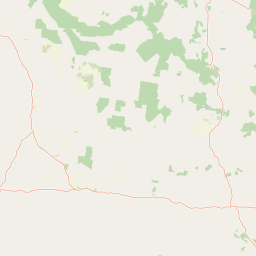
Map view of Expedition National Park

Use this park location map to pinpoint Expedition National Park in Australia, understand its exact geographic position, and read its mapped placement within the surrounding landscape more clearly.

Pigeon | © OpenStreetMap contributors

Location context for Expedition National Park

Queensland
Park atlas

Compare Expedition National Park with adjacent protected landscapes, tracing regional park geography and conservation efforts.

Explore National Parks and Protected Areas Near Expedition National Park in Queensland
Browse national parks and protected areas near Expedition National Park, discovering varied sandstone cliffs, rugged gorges, and dry eucalyptus forests within central Queensland. Comparing these conservation landscapes offers insight into regional ecological patterns, habitat connectivity, and the spread of protected mountain wilderness across Australia.
National parkQueensland

Palmgrove National Park: Queensland's Remote Protected Landscape for Scientific Conservation

Rugged sandstone terrain and unique eucalypt woodlands define this park.

Palmgrove National Park is a significant scientific reserve in south-central Queensland, Australia, characterized by its dissected sandstone terrain and dry eucalypt woodlands. Designated as a strict nature reserve, its primary value lies in protecting vulnerable species and threatened ecosystems, notably serving as a crucial breeding habitat for the black-breasted buttonquail. The park's isolated geography and limited public access underscore its importance as a sanctuary for avian conservation and ecological research within Australia's protected areas network.

Area
256 km²
Established
1991
IUCN
Ia
National parkMaranoa Region

Carnarvon National Park: Mapped Geography and Protected Landscape Identity

Explore the sandstone gorges and ancient sites of Queensland's natural heritage.

Carnarvon National Park represents a significant protected area within the Maranoa Region of Queensland, Australia. This national park encompasses a vast expanse of approximately 2,980 square kilometers, primarily celebrated for its dramatic sandstone gorges, particularly Carnarvon Gorge, and its globally significant Aboriginal rock art sites. Positioned across the Great Dividing Range, the park's landscape features a compelling mix of deep valleys, sandy plains, and basalt-capped tablelands, offering rich cartographic and geographic context. Its designation as a national park underscores its importance for preserving these unique natural and cultural landscapes for atlas-based discovery.

Area
2,980 km²
Established
1932
IUCN
II
National parkQueensland

Taunton National Park: Queensland's Vital National Park and Endangered Species Refuge

Mapped brigalow landscapes and semi-arid woodland terrain.

Taunton National Park in Central Queensland is a protected area of immense conservation value, serving as the last known natural habitat for the endangered bridled nail-tail wallaby. This national park protects representative ecosystems of the Northern Brigalow Belt, featuring distinct brigalow vegetation communities and poplar box woodlands across its cracking clay and texture-contrast soils. Understand the park's geographic setting, its mapped terrain, and the critical role it plays in preserving Australia's unique marsupial populations and diverse flora within the wider regional context.

Area
116 km²
Established
1986
IUCN
II
National parkQueensland

Chesterton Range National Park: Queensland National Park with Mapped Brigalow Belt Landscapes

Explore unique semi-arid woodlands and regional watershed geography.

Chesterton Range National Park offers a rich exploration of protected landscape identity within South West Queensland. This national park is crucial for conserving Brigalow Belt ecosystems, featuring diverse semi-arid woodlands across its ridgelines and valleys. Its role in protecting the headwaters for major waterways like the Warrego River and preserving habitats for threatened species makes it a significant site for understanding regional geography and conservation efforts in Australia. The park provides valuable insights into the mapped terrain and ecological importance of these unique natural landscapes.

Area
309.8 km²
Established
1992
IUCN
II
National parkQueensland

Cania Gorge National Park: A Distinct Queensland National Park with Dramatic Sandstone Cliff Formations

Explore mapped gorge terrain, rock art sites, and diverse Queensland landscapes.

Cania Gorge National Park represents a significant protected area within Queensland, Australia, distinguished by its dramatic 70-meter sandstone cliffs and the ancient Aboriginal rock art found within its caves. The park's rugged gorge terrain, shaped by Three Moon Creek, offers a unique geographic context and landscape to explore. Its mapped boundaries encompass diverse ecological communities and geological features, making it a focal point for understanding regional park identity and natural heritage within Queensland's broader atlas.

Area
30 km²
Established
1977
IUCN
II
National parkNorth Burnett Region

Auburn River National Park: A Protected Landscape Defined by River Gorge and Hardwood Forests

Explore the mapped terrain and protected area geography of this Queensland national park.

Auburn River National Park, designated a national park in Australia, showcases a remarkable protected landscape sculpted by the Auburn River. Its geography is characterized by a steep, dramatic river gorge and extensive hardwood forests, creating a visually striking and ecologically significant area. This park provides crucial insight into riparian ecosystems and their role within the regional geographic context of the North Burnett Region, inviting detailed exploration of its mapped terrain and conservation value.

Area
3.9 km²
Established
1964
IUCN
II
National parkQueensland

Tregole National Park: Queensland National Park with Significant Ooline Woodlands

Explore unique semi-arid protected landscape and Ooline tree stands.

Tregole National Park in Queensland, Australia, is a protected natural area celebrated for its remarkable Ooline tree concentrations. This park offers a rare look at pure Ooline stands within a hot, dry inland climate, showcasing a significant example of semi-arid ecosystems. Its landscape represents the meeting point of brigalow and mulga biospheres, providing valuable context for understanding Australia's diverse protected areas and geographic regions within the MoriAtlas framework.

Area
75.79 km²
Established
1995
IUCN
II
National parkQueensland

Castle Tower National Park: Queensland National Park with Granite Peaks and Woodland

Mapped terrain and protected landscape in the Gladstone Region.

Castle Tower National Park in Queensland represents a significant protected natural area characterized by striking granite peak formations and expansive eucalypt woodlands. Established in 1932, the park's rugged terrain, including Mount Stanley, offers a unique geographic perspective within Central Queensland. This national park provides an opportunity to explore its mapped boundaries and distinctive landscape context, distinguishing it as a notable protected area in the Gladstone Region.

Area
49.8 km²
Established
1932
IUCN
II

Common questions about visiting, size, designation, and location context for Expedition National Park

Expedition National Park FAQs for park facts, access, geography, and protected area context
Find quick answers about Expedition National Park, including protected-area facts, park geography, trail and visitor context, and how the park fits into its surrounding country and regional landscape.
MoriAtlas Explorer

Continue Your Protected Areas Search Across the Global Atlas

Deepen your exploration by continuing the structured search for national parks and protected areas worldwide. Utilize the comprehensive filtering capabilities to compare different conservation landscapes and refine your understanding of global park geography. Discover more about the distribution and characteristics of protected natural areas.

Global natural geography