

Mori Atlas logo
National parkCarnarvon National Park

Discover the unique geography and ancient cultural heritage of this expansive national park in Queensland.

Carnarvon National Park: Australia's Mapped Sandstone Gorges & Protected Landscape

Carnarvon National Park, located within Queensland's Maranoa Region, stands as a significant protected landscape of approximately 2,980 square kilometers. Renowned for its spectacular sandstone gorges, including the iconic Carnarvon Gorge, this national park preserves a vital geographic area straddling the Great Dividing Range. Its diverse terrain, characterized by deep valleys, sandy plains, and dramatic gorges, offers a rich context for understanding Australia's geological history and the distribution of its protected lands. The park is a crucial site for exploring mapped natural landscapes and significant archaeological heritage.

National ParksQueenslandSandstone GorgesAboriginal Rock ArtGreat Dividing RangeWildlife Viewing

Carnarvon National Park

National park

Park overview

Structured park overview, official facts, and landscape profile for Carnarvon National Park

Carnarvon National Park park facts, protected area profile, and essential visitor context
Review the core facts for Carnarvon National Park, including designation, size, terrain, visitor scale, habitats, and operating context in one park-focused overview.

About Carnarvon National Park

Carnarvon National Park stands as one of Queensland's most significant protected areas, preserving a remarkable combination of geological, ecological, and cultural values within a single protected landscape. The park's location in the Central Queensland Sandstone Belt provides a unique window into the region's geological past, with rocks ranging from ancient sedimentary formations to volcanic basalt laid down between 35 and 27 million years ago. The resulting landscape is one of dramatic contrast, where deep gorges cut through sandstone cliffs and give rise to riparian corridors of exceptional beauty and ecological importance. The park's seven sections each offer distinct experiences, from the popular Carnarvon Gorge with its established visitor facilities and maintained walking tracks to remote sections like Ka Ka Mundi and Goodlife that receive minimal visitation and retain high wilderness character. The protection of this extensive landscape is particularly important given the surrounding region's history of extensive land clearing, which has left the park as a critical refuge for numerous threatened species and regional ecosystems. The park's significance extends beyond its natural values to encompass some of Australia's most important Aboriginal cultural heritage, with rock art sites and archaeological evidence demonstrating continuous human connection to these landscapes for tens of thousands of years.

Quick facts and research context for Carnarvon National Park

Carnarvon National Park protects a remarkable diversity of landscapes within the Central Queensland Sandstone Belt, encompassing the Bowen and Surat sedimentary basins along with the Buckland Volcanic Province. The park's terrain features deep gorges carved through ancient sandstone, with basalt-capped ranges and tablelands creating a distinctive landscape character. Underground water resources are abundant, feeding numerous springs throughout the park. Five major river systems originate within the park boundaries: the Comet, Dawson, Maranoa, Nogoa, and Warrego Rivers, with the Warrego and Maranoa flowing inland from the Great Dividing Range into the Murray-Darling Basin. The park represents over half of all protected land within the Southern Brigalow Belt bioregion, making it regionally crucial for conservation. The park receives approximately 65,000 visitors annually, primarily to the Carnarvon Gorge section.

Park context

Deeper park guide and search-rich context for Carnarvon National Park

Carnarvon National Park history, landscape, wildlife, and travel context
Explore Carnarvon National Park through its history, landscape character, ecosystems, wildlife, conservation priorities, cultural context, and seasonal travel timing in a structured park guide built for atlas discovery and search intent.

Why Carnarvon National Park stands out

Carnarvon National Park is renowned for its spectacular sandstone gorges, particularly Carnarvon Gorge itself, which features towering cliff walls, lush vegetation, and permanent water flows. The park contains some of the finest Aboriginal rock art in Australia, with the stencil artists of Central Queensland considered among the best in the world. The Kenniff Cave archaeological site in the Mount Moffatt section represents a landmark in Australian prehistory, providing the first scientific evidence that humans occupied the continent during the Late Pleistocene era. The park's biodiversity is exceptional, supporting over 210 bird species, 60 mammal species including platypus at their western range limit, and at least 90 reptile species. The artesian springs in the Salvator Rosa section are recognized as among the most biodiverse in Queensland.

Carnarvon National Park history and protected-area timeline

Carnarvon National Park was originally established on 28 April 1932 as a 26,304-hectare reserve focused on protecting Carnarvon Gorge for its outstanding scenic and cultural values. Initially the park was confined to the gorge area, but over subsequent decades it expanded significantly through successive additions to encompass its current extent of approximately 298,000 hectares. The expansion strategy focused on enhancing the protected area's catchment value and increasing the diversity of regional ecosystems represented within its boundaries. Today the park comprises seven sections that reflect this expansion: Goodlife, Salvator Rosa, Ka Ka Mundi, Buckland Tableland, Mount Moffatt, Carnarvon Gorge, and Moolayember. Human history within the park extends far beyond its colonial era establishment, with the landscapes holding deep significance for the Bidjara, Karingbal, and Kara Kara peoples of Central Queensland. The first European to traverse the area was explorer Thomas Mitchell in the 1840s, followed by settlers attracted to the region's reliable water sources. The area developed a colorful frontier history, including the Ward brothers who hunted fur year-round in the Carnarvons and the Kenniff brothers, who gave their name to Kenniff Cave after becoming notorious horse thieves and later murderers. Archaeological investigation of Kenniff Cave in the Mount Moffatt section by D.J. Mulvaney produced radiocarbon dates demonstrating human occupation stretching back 19,500 years, fundamentally changing understanding of when humans arrived in Australia.

Carnarvon National Park landscape and geographic character

The physical landscape of Carnarvon National Park is defined by its position within the Central Queensland Sandstone Belt and its straddling of the Great Dividing Range. The geological foundation comprises two major sedimentary basins, the Bowen Basin and Surat Basin, overlain in places by the volcanic rocks of the Buckland Volcanic Province. These igneous basalt rocks represent the youngest geological features in the park, laid down during the Oligocene period between 35 and 27 million years ago. Subsequent erosion by wind and water has carved the landscape into its current form of sandy plains, deep valleys, and spectacular gorges separated by the distinctive basalt-capped tablelands and ranges that characterise the park's high country. The park is distinguished by its groundwater resources, with numerous springs providing permanent water sources throughout the landscape. Five major river systems have their headwaters within the park: the Comet, Dawson, Maranoa, Nogoa, and Warrego Rivers. The Warrego and Maranoa Rivers flow inland from the Great Dividing Range, reaching the Murray-Darling Basin on the northern park boundary. This hydrographic significance adds ecological and conservation value to the landscape, with the elevated terrain of the park serving as critical water catchments for downstream regions.

Carnarvon National Park ecosystems, habitats, and plant life

The ecological diversity of Carnarvon National Park is remarkable, with forty regional ecosystems documented within the park's boundaries, nine of which are listed as endangered due to extensive land clearing in the surrounding region. This protection is particularly significant given that the park represents over half of all protected land within the Southern Brigalow Belt bioregion. Twenty-three flora species listed as rare or threatened under Queensland legislation have been recorded in the park, including the iconic Carnarvon Fan Palm (Livistona nitida) found in the Carnarvon Gorge section, Ooline (Cadellia pentastylis) in the Moolayember section, and Austral Cornflower (Stemmacantha australis) in the Mount Moffatt section. Several plant species occur in disjunct populations or reach the limits of their distribution within the park, such as the isolated colony of King Fern (Angiopteris evecta) discovered in Wards Canyon. The artesian springs in the Salvator Rosa section are considered among the most biodiverse in Queensland, supporting unique assemblages of aquatic and riparian species. The park's location across the Great Dividing Range creates diverse habitat gradients from semi-arid plains to more humid gorge environments, supporting the remarkable species diversity documented within its boundaries.

Carnarvon National Park wildlife and species highlights

Carnarvon National Park supports exceptional faunal diversity, with over 210 bird species, approximately 60 mammal species, at least 90 reptile species, 22 amphibian species, and over ten fish species recorded within its boundaries. The park is particularly notable for its bat fauna, with at least twenty species documented, representing one of the most diverse bat communities in Queensland. The platypus reaches its western limit of habitation in Queensland within this park, while most of the park's gliding possum species also occur at the edge of their distributions here. Carnarvon Gorge has developed commercial night tours specifically designed to showcase gliders and other nocturnal wildlife, providing visitors with opportunities to observe these otherwise secretive species. The reptile fauna includes over 90 species, with more than half being skinks or geckoes, and 35 species reaching their distributional limits within the state. Amphibians include isolated populations of the eastern Sedgefrog (Litoria fallax) and the Tusked Frog (Adelotus brevis). The park's invertebrate fauna is considered extremely diverse, with at least nine species endemic to the Carnarvon Range, including two dragonfly species, two stonefly species, a dobson fly, and four land snail species. The waterways support fish including the speckled longfin eel, the largest fish species found in the park.

Carnarvon National Park conservation status and protection priorities

Carnarvon National Park plays a critical conservation role within Queensland's protected area network, representing over half of the total landmass of protected areas within the Southern Brigalow Belt bioregion. This significance is heightened by the extensive land clearing that has occurred throughout the surrounding region, which has left the park as a vital refuge for numerous threatened species and endangered ecosystems. Nine of the forty regional ecosystems documented within the park are listed as endangered, making the protection of this landscape essential for regional biodiversity persistence. Twenty-three threatened flora species and numerous threatened fauna species depend on the habitats preserved within the park's boundaries. However, the park faces ongoing challenges from feral animal populations, particularly brumbies (feral horses) and pigs, which cause significant damage to vegetation, soil structure, and water quality through their grazing and rooting activities. Control programs including aerial culling have been implemented to manage these impacts, though such measures remain controversial. The park's conservation value extends beyond its terrestrial boundaries to include the five major river systems that originate within its catchments, providing downstream benefits for both wildlife and human communities across a much larger landscape.

Carnarvon National Park cultural meaning and human context

Carnarvon National Park holds profound significance for the Aboriginal peoples of Central Queensland, particularly the Bidjara, Karingbal, and Kara Kara traditional owners whose connections to these landscapes extend deep into prehistory. The park contains numerous rock art sites, burial places, and occupation areas that demonstrate thousands of years of continuous cultural connection to country. The stencil art created by Indigenous artists in locations such as the Art Gallery and Cathedral Cave in Carnarvon Gorge is regarded by researchers as among the finest in the world, representing a unique artistic tradition that appears to have developed complex techniques not replicated elsewhere. The discovery of Kenniff Cave in the Mount Moffatt section fundamentally changed understanding of Australian prehistory, providing the first archaeological evidence of human occupation during the Late Pleistocene period around 19,500 years ago. This single adult body stencil at the Tombs site represents the only known example of its kind globally. Contemporary Indigenous involvement in the park continues through traditional owner partnerships in cultural site protection and management. European settlement history adds another layer, with the park's remote nature attracting colorful historical figures including fur hunters and the notorious Kenniff brothers, whose names became permanently associated with the archaeological site that bears their name.

Top sights and standout views in Carnarvon National Park

The defining features of Carnarvon National Park include its spectacular Carnarvon Gorge, where towering sandstone cliffs frame a lush riparian corridor with permanent water flows. The park's Aboriginal rock art sites represent some of the most significant cultural heritage in Australia, with stencil art of world-class quality found throughout the gorges. The Mount Moffatt section contains Kenniff Cave, the archaeological site that revolutionized understanding of Australian human occupation history. Five major river systems originate within the park, making it a critical water catchment for Central Queensland. The park protects 40 regional ecosystems, including nine endangered systems, representing over half of all protected land in the Southern Brigalow Belt. The biodiversity is exceptional, with over 210 bird species, 60 mammal species, 90 reptile species, and at least nine endemic invertebrate species. The seven distinct sections of the park offer varied experiences from heavily visited tourist destinations to remote wilderness areas receiving virtually no visitors.

Best time to visit Carnarvon National Park

The best time to visit Carnarvon National Park depends on the experience being sought, though the cooler months from April to September generally offer the most comfortable conditions for exploring the park's outdoor attractions. During these months, daytime temperatures are moderate and suitable for hiking and bushwalking, while overnight temperatures remain comfortable for camping. The park's gorges and permanent water sources provide refreshing environments during warmer periods, though summer temperatures in Central Queensland can be extreme. The wet season, typically from November to March, brings increased rainfall which can affect access to some areas and make walking tracks slippery and potentially dangerous in gorges subject to flash flooding. Wildlife viewing opportunities are particularly good in the drier months when animals congregate around water sources, and the night tours in Carnarvon Gorge operate year-round to showcase nocturnal species. Visitors seeking to avoid crowds should consider the less-visited sections such as Ka Ka Mundi, Goodlife, and Buckland Tableland, which receive minimal visitation compared to the popular Carnarvon Gorge and Mount Moffatt sections.
Park location guide

Geography guide, regional context, and park location map for Carnarvon National Park

Carnarvon National Park park geography, regions, and map view in Australia
Understand where Carnarvon National Park sits in Australia through a broader geographic reading of the surrounding landscape, nearby location context, and its mapped position within the national park landscape.

How Carnarvon National Park fits into Australia

Australia is a constitutional monarchy and federal parliamentary democracy comprising six states and ten territories. With a population of nearly 28 million, it is one of the world's most urbanised countries, with most people concentrated on the eastern seaboard. The country has a high Human Development Index and is known for its cultural diversity, ancient Aboriginal heritage, and unique wildlife.

Wider geography shaping Carnarvon National Park in Australia

Australia occupies the entire Australian continent, the island of Tasmania, and numerous smaller islands. It is the world's flattest and driest inhabited continent, featuring vast deserts in the interior (the Outback), tropical rainforests along the eastern coast, and a coastline bordering the Indian and Pacific Oceans.

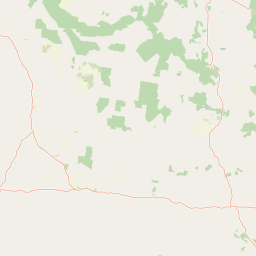
Map view of Carnarvon National Park

Use this park location map to pinpoint Carnarvon National Park in Australia, understand its exact geographic position, and read its mapped placement within the surrounding landscape more clearly.

Pigeon | © OpenStreetMap contributors

Location context for Carnarvon National Park

Maranoa RegionQueensland
Park atlas

Compare regional park geography, trace protected landscapes within Central Queensland's Great Dividing Range, and map adjacent conservation areas.

Discover Other National Parks and Protected Areas Near Carnarvon National Park, Queensland
Browse national parks and protected areas geographically near Carnarvon National Park, extending your exploration across Queensland's Central Queensland Sandstone Belt and connected conservation landscapes. Compare similar sandstone gorges, trace regional park geography, and map the protected wilderness spread across the Great Dividing Range for deeper atlas discovery.
National parkQueensland

Expedition National Park: A Dramatic Sandstone Mountain Landscape in Central Queensland

Explore protected areas, mapped ridgelines, and Robinson Gorge geography.

Expedition National Park represents a significant protected landscape in Queensland, distinguished by the striking Expedition Range. This mountainous terrain, characterized by rugged sandstone cliffs, deep gorges like Robinson Gorge, and dry eucalyptus forests, offers a unique geographic contrast to the surrounding plains. As a national park, it plays a crucial role in conserving biodiversity within the Brigalow Belt bioregion, providing an essential reference point for understanding regional protected areas and natural terrain.

Area
1,080 km²
Established
1991
IUCN
II
National parkQueensland

Palmgrove National Park: Queensland's Remote Protected Landscape for Scientific Conservation

Rugged sandstone terrain and unique eucalypt woodlands define this park.

Palmgrove National Park is a significant scientific reserve in south-central Queensland, Australia, characterized by its dissected sandstone terrain and dry eucalypt woodlands. Designated as a strict nature reserve, its primary value lies in protecting vulnerable species and threatened ecosystems, notably serving as a crucial breeding habitat for the black-breasted buttonquail. The park's isolated geography and limited public access underscore its importance as a sanctuary for avian conservation and ecological research within Australia's protected areas network.

Area
256 km²
Established
1991
IUCN
Ia
National parkQueensland

Taunton National Park: Queensland's Vital National Park and Endangered Species Refuge

Mapped brigalow landscapes and semi-arid woodland terrain.

Taunton National Park in Central Queensland is a protected area of immense conservation value, serving as the last known natural habitat for the endangered bridled nail-tail wallaby. This national park protects representative ecosystems of the Northern Brigalow Belt, featuring distinct brigalow vegetation communities and poplar box woodlands across its cracking clay and texture-contrast soils. Understand the park's geographic setting, its mapped terrain, and the critical role it plays in preserving Australia's unique marsupial populations and diverse flora within the wider regional context.

Area
116 km²
Established
1986
IUCN
II
National parkQueensland

Chesterton Range National Park: Queensland National Park with Mapped Brigalow Belt Landscapes

Explore unique semi-arid woodlands and regional watershed geography.

Chesterton Range National Park offers a rich exploration of protected landscape identity within South West Queensland. This national park is crucial for conserving Brigalow Belt ecosystems, featuring diverse semi-arid woodlands across its ridgelines and valleys. Its role in protecting the headwaters for major waterways like the Warrego River and preserving habitats for threatened species makes it a significant site for understanding regional geography and conservation efforts in Australia. The park provides valuable insights into the mapped terrain and ecological importance of these unique natural landscapes.

Area
309.8 km²
Established
1992
IUCN
II
National parkQueensland

Tregole National Park: Queensland National Park with Significant Ooline Woodlands

Explore unique semi-arid protected landscape and Ooline tree stands.

Tregole National Park in Queensland, Australia, is a protected natural area celebrated for its remarkable Ooline tree concentrations. This park offers a rare look at pure Ooline stands within a hot, dry inland climate, showcasing a significant example of semi-arid ecosystems. Its landscape represents the meeting point of brigalow and mulga biospheres, providing valuable context for understanding Australia's diverse protected areas and geographic regions within the MoriAtlas framework.

Area
75.79 km²
Established
1995
IUCN
II
National parkQueensland

Mazeppa National Park: Queensland's Semi-Arid Gidgee Scrub Protected Landscape

Explore mapped boundaries of this Central Queensland national park.

Mazeppa National Park preserves critical examples of semi-arid gidgee scrub, a vegetation type significantly reduced across inland Queensland. This protected woodland ecosystem, situated in Central Queensland, offers a glimpse into the region's natural heritage with its characteristic terrain of gently undulating plains and dense gidgee tree stands. Discover its mapped geographic context and the unique outback landscape identity that makes it a noteworthy conservation area among Australia's national parks.

Area
41.3 km²
Established
1972
IUCN
II
National parkQueensland

Cania Gorge National Park: A Distinct Queensland National Park with Dramatic Sandstone Cliff Formations

Explore mapped gorge terrain, rock art sites, and diverse Queensland landscapes.

Cania Gorge National Park represents a significant protected area within Queensland, Australia, distinguished by its dramatic 70-meter sandstone cliffs and the ancient Aboriginal rock art found within its caves. The park's rugged gorge terrain, shaped by Three Moon Creek, offers a unique geographic context and landscape to explore. Its mapped boundaries encompass diverse ecological communities and geological features, making it a focal point for understanding regional park identity and natural heritage within Queensland's broader atlas.

Area
30 km²
Established
1977
IUCN
II
National parkQueensland

Baga National Park: Unique Volcanic Geography and Protected Landscape in Queensland

Mapped terrain and protected area identity for a distinctive national park.

Baga National Park stands as a notable protected area in central Queensland, Australia, centered around the striking Mount Baga, a trachyte volcanic plug. This geological marvel offers a unique landscape context, showcasing the remnants of ancient volcanic activity within the regional geography. As a national park, it serves to preserve this distinctive natural feature and its associated habitats, providing a compact yet significant destination for atlas-based discovery of Queensland's diverse protected lands.

Area
1.44 km²
Established
1977
IUCN
II

Common questions about visiting, size, designation, and location context for Carnarvon National Park

Carnarvon National Park FAQs for park facts, access, geography, and protected area context
Find quick answers about Carnarvon National Park, including protected-area facts, park geography, trail and visitor context, and how the park fits into its surrounding country and regional landscape.
MoriAtlas Explorer

Continue Your Protected Areas Search Across the Global Atlas

Deepen your exploration by continuing the structured search for national parks and protected areas worldwide. Utilize the comprehensive filtering capabilities to compare different conservation landscapes and refine your understanding of global park geography. Discover more about the distribution and characteristics of protected natural areas.

Global natural geography