Why Chesterton Range National Park stands out
Chesterton Range National Park is particularly known for its conservation of Brigalow Belt ecosystems, which have been significantly reduced across Queensland due to agricultural development. The park protects critical habitat for thirteen rare or threatened species, including the vulnerable yakka skink, woma python, red goshawk, grey falcon, and koala. The combination of ridgeland and valley terrain supporting semi-arid woodland communities makes this park significant for preserving biodiversity in a region where much of the original vegetation has been cleared for grazing.
Chesterton Range National Park history and protected-area timeline
The land now comprising Chesterton Range National Park was historically used for pastoral grazing, with a small homestead constructed to support livestock operations. The pastoral holding was abandoned in 1937, marking the end of active grazing use in the area. Following decades of minimal development, the Queensland government established the area as a national park in 1992, recognizing its ecological significance within the Brigalow Belt South bioregion and its role in protecting headwater catchments for the Warrego River, Maranoa River, and their tributaries. The park was designated under IUCN Category II, reflecting its primary purpose of ecosystem conservation and biodiversity protection. Management responsibility was assigned to the Queensland Parks and Wildlife Service, which continues to oversee the park's protection and visitor management.
Chesterton Range National Park landscape and geographic character
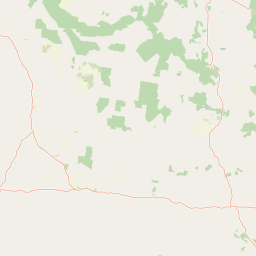
The landscape of Chesterton Range National Park is defined by its position within the Brigalow Belt South bioregion, characterised by undulating terrain with an average elevation of 544 metres. The park encompasses ridgelines and valleys that form the headwaters for three significant waterways: the Warrego River, Wallam Creek, and the Maranoa River. These watercourses and their associated riparian zones create diversity within the broader semi-arid woodland landscape. The park is bordered to the north and west by Orkadilla State Forest, extending the protected corridor through this portion of South West Queensland. The vegetation transitions from open woodlands on the ridges to denser stands in the valley floors and along watercourses, reflecting the subtle but meaningful variation in moisture availability across the terrain.
Chesterton Range National Park ecosystems, habitats, and plant life
Chesterton Range National Park protects representative examples of Brigalow Belt South bioregion ecosystems, which support distinctive semi-arid woodland communities. The vegetation is characterised by brigalow (Acacia harpophylla) dominant woodlands, transitioning through various associations across the elevation gradient from ridge to valley. These woodlands provide critical habitat structure for numerous species, with the combination of mature trees, fallen timber, and rock outcrops supporting diverse invertebrate and vertebrate communities. The water catchments flowing through the park, including the Warrego River, Wallam Creek, and Maranoa River, create riparian zones that provide more mesic environments within the broader dry landscape, supporting different plant and animal communities and serving as wildlife corridors.
Chesterton Range National Park wildlife and species highlights
The national park supports significant biodiversity, with thirteen rare or threatened species recorded within its boundaries. The vulnerable yakka skink (Egernia rugosa) inhabits the park, a reptile species that depends on fallen timber and rock crevices in woodland environments. The woma python (Aspidites ramsayi), also listed as vulnerable in some contexts, occurs in the park's semi-arid habitats. Raptor species include the red goshawk (Erythrotriorchis radiatus) and grey falcon (Falco hypoleucos), both rare birds of prey that utilise the woodland and open terrain for hunting. The koala (Phascolarctos cinereus) is present in the park, representing populations in the western extent of the species' Queensland range. These species collectively demonstrate the park's importance as a refuge for fauna in a region where much of the original habitat has been modified.
Chesterton Range National Park conservation status and protection priorities
Chesterton Range National Park plays a vital role in conserving the Brigalow Belt South bioregion, one of Australia's most threatened bioregions due to extensive agricultural conversion. The park protects critical habitat for thirteen listed threatened species, demonstrating its significance beyond merely representing vegetation types. The protection of headwater catchments for the Warrego River, Wallam Creek, and Maranoa River adds watershed protection to the park's conservation values, maintaining water quality and ecological function downstream. The park forms part of a broader conservation network in South West Queensland, connected to Orkadilla State Forest to the north and west, creating a larger protected landscape that supports wildlife movement and population viability. The presence of species like the yakka skink and woma python, which are vulnerable to habitat loss and fragmentation, underscores why protected areas like Chesterton Range are essential for regional biodiversity persistence.
Chesterton Range National Park cultural meaning and human context
The park contains evidence of historic pastoral use, most notably a small two-room homestead that marks the location of a grazing operation abandoned in 1937. This structural remnant provides a tangible link to the region's pastoral history, which shaped much of the Queensland interior before conservation values led to the establishment of protected areas. The area's indigenous cultural context is less explicitly documented in available sources, though the broader Brigalow Belt region contains evidence of Aboriginal occupation and traditional land use spanning millennia.
Top sights and standout views in Chesterton Range National Park
The park's conservation significance centres on its role as a refuge for thirteen rare or threatened species within the Brigalow Belt South, a bioregion that has lost extensive areas to clearing. The vulnerable yakka skink and woma python represent priority conservation targets, while birds of prey including the red goshawk and grey falcon demonstrate the park's importance for raptors. The historic homestead, abandoned in 1937, offers a tangible connection to the land's pastoral past. The protection of headwater catchments for three major waterways adds watershed value to the park's biodiversity significance.
Best time to visit Chesterton Range National Park
The optimal time to visit Chesterton Range National Park aligns with Queensland's cooler, drier months from autumn through early spring. Winter months (June to August) typically offer mild daytime temperatures and low humidity, making outdoor exploration comfortable. Spring brings warmer conditions and potential for wildflower displays in the woodland areas. Summer months can bring intense heat to the inland region, making outdoor activities less comfortable and increasing fire risk. Visitors should check current conditions and advisories before planning trips, as access and conditions may vary seasonally.