Why Culgoa National Park stands out
Culgoa National Park is most distinguished by its extraordinary coolabah woodlands, which form the most extensive and intact example of this ecosystem type in all of New South Wales. These distinctive trees, with their characteristic dark, deeply fissured bark and crooked forms, create a quintessential Australian outback visual identity across the park's floodplains. The park also protects significant stands of river red gums along the Culgoa River corridor, providing crucial habitat for aquatic and riparian wildlife. The combination of permanent waterholes, flowing river channels, and extensive floodplain wetlands makes this one of the most ecologically important semi-arid protected areas in the Murray-Darling Basin system.
Culgoa National Park history and protected-area timeline
The lands within Culgoa National Park have a deep human history spanning both Aboriginal occupation and colonial pastoral use. For thousands of years, Aboriginal people lived in this floodplain environment, drawing on the river's resources and the surrounding woodlands for food, shelter, and cultural practices. During the colonial era, the region was taken up for pastoral grazing, and the area became part of the pastoral industry that defined much of inland New South Wales. The remnants of this pastoral era, including stockyards, homestead foundations, and other structures, remain visible throughout the park today, providing tangible evidence of this more recent chapter in the landscape's history. The park was formally established in April 1996 as part of the expansion of New South Wales' national park system, recognizing both the ecological significance of the floodplain ecosystems and the cultural importance of the area. Management of the park falls to the NSW National Parks and Wildlife Service, which works to protect the natural values while allowing visitors to experience this distinctive outback landscape.
Culgoa National Park landscape and geographic character
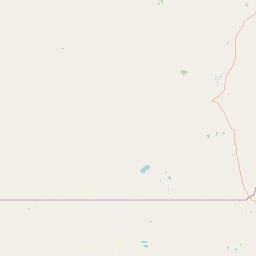
The physical landscape of Culgoa National Park is defined by the floodplain of the Culgoa River and the distinctive vegetation communities it supports. The river itself flows through the park in a generally southerly direction, creating a chain of permanent waterholes that are critical refuges for wildlife during dry periods. Between these waterholes, the river may shrink to isolated pools or disappear entirely during drought conditions, revealing the sandy and muddy riverbed. The floodplain on either side of the river extends outward, creating flat to gently undulating terrain covered in the park's signature coolabah woodlands. These trees grow in dense stands across the floodplain, their dark bark contrasting sharply with the pale trunks of the river red gums that line the watercourse. The overall effect is a landscape of extraordinary visual distinction, with the silver-grey canopy of the coolabah creating a undulating sea across the flat terrain, punctuated by the darker green of the river corridors. The surrounding terrain is generally flat, reflecting the ancient, heavily weathered landscape of the interior.
Culgoa National Park ecosystems, habitats, and plant life
The ecological character of Culgoa National Park is defined by its floodplain ecosystems and the vegetation communities adapted to the variable water regimes of the semi-arid interior. The coolabah woodlands represent the dominant vegetation type, forming dense stands across the floodplain that create a habitat structure unlike anywhere else in New South Wales. These trees are perfectly adapted to the floodplain environment, capable of withstanding both drought and inundation. The river red gum forests that line the waterholes provide a different habitat structure, with their tall straight trunks and more open canopy creating conditions suitable for different wildlife communities. The park sits within the broader context of the Darling River catchment, one of Australia's most important river systems, and the floodplain wetlands it protects represent some of the most intact examples of this ecosystem type remaining in the region. The seasonal patterns of the river, with periods of flow and drying, drive ecological processes throughout the park.
Culgoa National Park wildlife and species highlights
Culgoa National Park supports an impressive diversity of wildlife, particularly avifauna, with over 150 bird species recorded within its boundaries. The bird communities are particularly diverse and include ten species of honeyeaters, which feed on nectar from the park's flowering trees, and six species of woodswallows, which are characteristic birds of the Australian interior. The permanent waterholes along the Culgoa River provide critical habitat for waterbirds, including ducks, grebes, and herons that depend on reliable water sources. The woodlands and forests support a range of mammals, including the common brushtail possum, which shelters in the hollows of river red gums, and the little pied bat, a small insectivorous bat species endemic to Australia. The dense coolabah woodlands provide sheltered habitat for various reptiles and invertebrates, while the river itself supports fish and other aquatic organisms. The combination of permanent water, diverse vegetation structure, and relative remoteness from heavy human disturbance makes this an important refuge for wildlife in the semi-arid zone.
Culgoa National Park conservation status and protection priorities
The conservation significance of Culgoa National Park stems from its protection of one of the most extensive and intact examples of coolabah floodplain woodland remaining in New South Wales. This ecosystem type has been significantly reduced across its former range by agricultural development, water extraction, and vegetation clearing, making the protected stands within the park increasingly valuable. The park also protects a functioning floodplain ecosystem within the Darling River catchment, an system that has experienced substantial modification elsewhere in its extent. By preserving the natural flow patterns, waterhole habitats, and floodplain vegetation communities, the park maintains ecological processes that support both common and threatened species. The location along the Queensland border also means the park contributes to a network of protected areas that span the state boundary, supporting landscape-scale conservation across the floodplain system.
Culgoa National Park cultural meaning and human context
The cultural landscape of Culgoa National Park holds significance for both Aboriginal communities and the broader history of colonial pastoral development in inland Australia. The park lies within Country that has been inhabited by Aboriginal people for thousands of years, and the floodplain environment provided reliable resources for those who knew how to read its seasonal patterns. The park's establishment recognized the ongoing connection between Aboriginal people and this landscape. Following European colonization, the region was taken up for pastoral runs, and the pastoral industry became the dominant human presence in the area. The remnants of this pastoral era, including stone foundations, stockyards, and other structures, can be found throughout the park and serve as physical reminders of this period. The Aboriginal people who worked as pastoralists on these runs following colonization left their own cultural imprint on the landscape, blending traditional knowledge with new land uses.
Top sights and standout views in Culgoa National Park
The coolabah woodlands of Culgoa National Park represent its most distinctive feature, with the park protecting the largest and most intact examples of this ecosystem in New South Wales. The chain of waterholes along the Culgoa River provides scenic focal points throughout the park, particularly where the tall river red gums create cathedral-like passages along the water's edge. Birdwatchers will find exceptional opportunities to observe diverse avifauna, with over 150 species including numerous honeyeaters and woodswallows. The sense of remoteness and the feeling of being in true outback country is a highlight for visitors seeking natural landscapes relatively unchanged by modern development. The historical remnants of the pastoral era add cultural depth to the natural experience, connecting visitors to the human history that shaped this landscape.
Best time to visit Culgoa National Park
The best time to visit Culgoa National Park depends on what visitors hope to experience, but generally the cooler months from autumn through to spring offer the most comfortable conditions for exploring the park. Winter nights can be cold, but daytime temperatures are mild and pleasant for walking and wildlife observation. Spring brings flowering of many trees and shrubs, attracting birdlife to the nectar sources and creating vibrant colour throughout the woodlands. Summer heat can be intense in this semi-arid region, but the early morning and late afternoon hours remain suitable for activities, and the waterholes provide focal points for wildlife at these times. The park can be accessed year-round, though visitors should be aware that road conditions may vary with seasonal weather and that the remote location requires self-sufficiency in terms of supplies and vehicle preparation.