Why Garrawilla National Park stands out
Garrawilla National Park is known primarily as a small but meaningful conservation reserve protecting semi-arid woodland ecosystems in inland New South Wales. The park preserves native vegetation communities typical of the Central West region, including dry sclerophyll forest and native grass communities that have been impacted by agricultural development in the surrounding landscape. While not a high-profile tourist destination, the park serves as an important habitat area for native wildlife and contributes to regional biodiversity conservation in a landscape where native vegetation remnants are often highly fragmented.
Garrawilla National Park history and protected-area timeline
Garrawilla National Park was created in December 2005 as part of a broader expansion of New South Wales national park network during the early 2000s. The establishment of this protected area reflected ongoing efforts to improve conservation representation across different vegetation types and geographic regions of the state. The park was formally declared under the National Parks and Wildlife Act, receiving Category II protected area status under the International Union for Conservation of Nature classification system. The timing of its creation coincided with increased government investment in protected area expansion during the early-to-mid 2000s, when several new national parks were declared across New South Wales to address gaps in the conservation reserve system. The park was named using a local geographic name that reflects the area's heritage and regional identity.
Garrawilla National Park landscape and geographic character
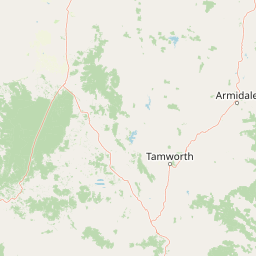
The landscape of Garrawilla National Park consists of semi-arid woodland terrain typical of northwestern New South Wales. The terrain features gentle undulating plains with scattered rocky outcrops and low ridgelines that characterize the Central West region's topography. The vegetation is dominated by dry sclerophyll forest communities, with eucalypt woodland over native grasses forming the primary vegetation structure. The landscape reflects the broader semi-arid to temperate transition zone that spans across inland New South Wales, where average rainfall supports woodland rather than closed forest. The park's position on the northern side of the Oxley Highway places it in a landscape where cleared agricultural land alternates with remaining patches of native vegetation, making protected reserves like Garrawilla important stepping stones for wildlife movement.
Garrawilla National Park ecosystems, habitats, and plant life
The nature of Garrawilla National Park centers on semi-arid woodland ecosystems typical of the Central West region. The park preserves dry sclerophyll forest communities dominated by various eucalypt species adapted to the relatively low rainfall and seasonal temperature variations of inland NSW. These woodland communities provide habitat for a range of native species adapted to semi-arid conditions, including various woodland birds, reptiles, and small mammals. The native grass understory supports invertebrate communities that form the base of the food web for many vertebrate species. The park contributes to regional biodiversity conservation by protecting a representative example of vegetation communities that have been extensively cleared across the surrounding agricultural landscape.
Garrawilla National Park wildlife and species highlights
Garrawilla National Park provides habitat for wildlife species adapted to semi-arid woodland environments in inland New South Wales. The eucalypt woodland communities support populations of woodland bird species, including various honeyeaters, parrots, and cockatoos that are characteristic of the Central West region. Reptiles including skinks, geckoes, and dragons are found throughout the woodland areas, basking on rocky outcrops and fallen timber. Small mammals such as possums, gliders, and small marsupials utilize the hollow-bearing trees and ground cover vegetation that the park protects. The native grass and shrub understory provides foraging habitat for various insects and other invertebrates that support the broader food web.
Garrawilla National Park conservation status and protection priorities
Garrawilla National Park serves an important conservation function within the fragmented agricultural landscape of northwestern New South Wales. The 937-hectare reserve protects representative examples of semi-arid woodland ecosystems that have been extensively cleared for agricultural development across the surrounding region. By preserving remaining native vegetation communities, the park helps maintain habitat for species that depend on woodland environments and contributes to regional biodiversity conservation. The protected area forms part of a network of reserves that support wildlife corridors across an otherwise heavily cleared landscape. Conservation management focuses on maintaining the integrity of native vegetation communities, managing feral animal and weed impacts, and protecting water quality in any drainage lines within the reserve.
Garrawilla National Park cultural meaning and human context
Garrawilla National Park is situated within the traditional Country of Aboriginal peoples who have inhabited the Central West region of New South Wales for tens of thousands of years. The local Aboriginal communities maintained connection to the land through seasonal movement and resource management practices that shaped the landscape prior to European settlement. The Oxley Highway corridor has historical significance as a route explored by early European colonists penetrating inland New South Wales during the nineteenth century. The area's European settlement history involved agricultural development that cleared much of the original woodland vegetation, making protected areas like Garrawilla important for preserving both natural and cultural values.
Top sights and standout views in Garrawilla National Park
Garrawilla National Park offers visitors the opportunity to experience semi-arid woodland landscapes in a relatively accessible location along the Oxley Highway. The park provides a quiet natural environment away from more heavily visited destinations, appealing to those interested in observing native Australian woodland ecosystems. The dry sclerophyll forest communities support birdlife viewing opportunities, with various woodland species present throughout the year. The relatively small size of the park makes it suitable for short visits or as a stop along a journey through the Central West region.
Best time to visit Garrawilla National Park
Garrawilla National Park can be visited year-round, though spring and autumn typically offer the most comfortable conditions for outdoor exploration. Summer months can bring high temperatures typical of inland New South Wales, while winter may offer cooler but potentially pleasant conditions for walking. The park's compact size allows for visits at any time of day, though early morning offers the best wildlife viewing opportunities when animals are most active. Visitors should note that the park is a relatively modest conservation reserve rather than a major tourist destination, and facilities are likely limited to basic amenities.