

Mori Atlas logo
National parkGoulburn River National Park

Discover mapped boundaries, diverse terrain, and vital conservation importance within this Australian national park.

Goulburn River National Park: Protected Landscape and River Geography in New South Wales

Goulburn River National Park, situated in New South Wales, Australia, stands as a crucial protected area encompassing approximately 90 kilometers of the Goulburn River corridor. This national park offers a unique landscape defined by river valleys, sandstone formations like The Drip, and diverse forest ecosystems, making it a key destination for understanding regional geography and conservation efforts. The park serves as a significant habitat, notably for the endangered regent honeyeater, and preserves invaluable Aboriginal cultural heritage sites, providing rich context for atlas-driven landscape exploration.

River ecosystemsNational parkProtected areaWildlife sanctuaryBirdwatchingAboriginal heritage sites

Goulburn River National Park

National park

Park overview

Structured park overview, official facts, and landscape profile for Goulburn River National Park

Goulburn River National Park park facts, protected area profile, and essential visitor context
Review the core facts for Goulburn River National Park, including designation, size, terrain, visitor scale, habitats, and operating context in one park-focused overview.

About Goulburn River National Park

Goulburn River National Park occupies a significant position in the protected area network of New South Wales, safeguarding a substantial portion of the Goulburn River system and the surrounding diverse terrain. The park's location within the Hunter Valley places it in a region historically important for both European settlement and Aboriginal occupation spanning thousands of years. The park's establishment in 1983 reflected growing recognition of the ecological and cultural values associated with the river corridor and adjacent lands. The landscape supports a variety of vegetation communities adapted to the riparian zones and surrounding hills, creating habitats that sustain both common wildlife species and more specialized inhabitants. The park serves as an important conservation area for the endangered regent honeyeater, whose presence within the Mudgee-Wollar Important Bird Area has contributed to the park's recognition in international conservation frameworks. Beyond its ecological significance, the park provides accessible nature-based recreation for visitors seeking to experience the riverside environment through activities such as fishing for native fish species, paddling the calm river sections, swimming in designated areas, and camping at established campgrounds. The proximity to towns such as Sandy Hollow, Denman, and Mudgee makes the park a manageable destination for both day visitors and those seeking longer stays.

Quick facts and research context for Goulburn River National Park

Goulburn River National Park is located in the Hunter Valley region of New South Wales, approximately 35 kilometres southwest of Merriwa and 213 kilometres northwest of Sydney. The park was formally established in 1983 and covers 722.96 square kilometres, protecting a 90-kilometre stretch of the Goulburn River. The reserve is classified as IUCN Category II and is managed by the National Parks and Wildlife Service NSW. The park contains more than 300 documented Aboriginal sites, primarily concentrated along the river corridor, representing the traditional lands of the Wiradjuri, Gamileroi, and Wonnarua peoples. The park lies within the Mudgee-Wollar Important Bird Area, recognized internationally for its significance to endangered bird species.

Park context

Deeper park guide and search-rich context for Goulburn River National Park

Goulburn River National Park history, landscape, wildlife, and travel context
Explore Goulburn River National Park through its history, landscape character, ecosystems, wildlife, conservation priorities, cultural context, and seasonal travel timing in a structured park guide built for atlas discovery and search intent.

Why Goulburn River National Park stands out

Goulburn River National Park is best known for its extensive riverfront access along the Goulburn River, which provides visitors with opportunities for fishing, kayaking, swimming, and scenic riverside camping. The park is distinguished by its population of endangered regent honeyeaters, which inhabit the area as part of the Mudgee-Wollar Important Bird Area designated by BirdLife International. The Aboriginal rock art sites found throughout the park, particularly along the river corridors, represent significant cultural heritage, with more than 300 documented sites preserving evidence of traditional Indigenous occupation by the Wiradjuri, Gamileroi, and Wonnarua clans. The dramatic sandstone formations such as The Drip rock wall add geological and visual interest to the landscape.

Goulburn River National Park history and protected-area timeline

Goulburn River National Park was established in 1983 through the proclamation of the area as a national park under the National Parks and Wildlife Act of New South Wales. This designation reflected the increasing understanding of the region's ecological values, particularly the importance of the river corridor as a habitat and migration route for wildlife, as well as the recognition of the extensive Aboriginal heritage sites distributed throughout the area. The creation of the park also acknowledged the growing need to protect the landscape from development pressures that had emerged in surrounding regions during the latter half of the twentieth century. Management of the park has been the responsibility of the National Parks and Wildlife Service NSW, which has overseen conservation efforts, visitor facilities, and the ongoing protection of cultural heritage sites. The park's history is intertwined with the longer human history of the region, as evidenced by the hundreds of Aboriginal sites that predate the formal protected area designation by thousands of years, representing continuous Indigenous connection to Country.

Goulburn River National Park landscape and geographic character

The landscape of Goulburn River National Park is defined by the Goulburn River itself, which winds through the reserve for approximately 90 kilometres, carving a valley that provides visual contrast to the surrounding terrain of the Hunter Valley region. The river corridor is flanked by riparian vegetation and transition zones leading into drier forest and woodland communities on the slopes and ridges above. The landscape includes notable geological features such as The Drip, a sandstone rock formation that showcases the erosive processes that have shaped the local terrain over geological time. The combination of river, valley floors, and steeper ridgelines creates a varied topography that offers different visual experiences throughout the park. The forested areas contribute to the park's scenic quality, providing green corridors along the river and connecting habitat patches throughout the reserve.

Goulburn River National Park ecosystems, habitats, and plant life

The nature of Goulburn River National Park encompasses a range of ecological communities centered on the Goulburn River corridor and the adjacent forest and woodland habitats. The riparian zone along the river supports vegetation communities adapted to regular water availability and periodic flooding, while the surrounding slopes host dryer-adapted species typical of inland New South Wales environments. The park lies within the Mudgee-Wollar Important Bird Area, a designation that reflects the area's significance for bird species, particularly the endangered regent honeyeater that relies on specific woodland habitats for foraging and nesting. The river itself provides habitat for aquatic species including platypus, which have been recorded in the park's waters. The combination of riverine, forest, and woodland habitats creates ecological diversity that supports a range of native species throughout the year.

Goulburn River National Park wildlife and species highlights

Goulburn River National Park supports a diverse array of wildlife, with the park serving as a sanctuary for many species commonly associated with Australian bushland. Mammals present in the park include kangaroos, which are frequently observed in open areas and along the river margins, wombats that inhabit burrows in suitable terrain, and the platypus which inhabits the riverine environment. Reptiles are represented by goannas, which are often seen basking in sunny locations or foraging through the landscape. The birdlife is particularly notable, with emus present in appropriate habitat and a wide variety of bird species utilizing the different environments within the park. The presence of the endangered regent honeyeater is a significant conservation feature, as this species faces considerable threats across its range and depends on remnant woodland habitats within the park for survival. The combination of riparian corridors and surrounding forests provides diverse foraging and nesting opportunities for both common and specialized bird species.

Goulburn River National Park conservation status and protection priorities

Goulburn River National Park contributes significantly to conservation in the Hunter Valley region through the protection of a substantial river corridor and the diverse habitats it supports. The park's inclusion within the Mudgee-Wollar Important Bird Area designated by BirdLife International reflects the international recognition of its significance for the endangered regent honeyeater, a species that has experienced significant population decline across its range. The protection of more than 300 Aboriginal sites within the park adds cultural conservation value, preserving Indigenous heritage associated with the river system. The national park designation provides statutory protection for the area's natural and cultural values, ensuring that development and land use pressures are managed appropriately. The river corridor itself serves as an important wildlife movement pathway, connecting habitats across the landscape and enabling species to move between different areas in response to seasonal changes and environmental conditions.

Goulburn River National Park cultural meaning and human context

The cultural context of Goulburn River National Park is shaped by the long history of Aboriginal occupation of the region, with archaeological evidence demonstrating continuous Indigenous presence for thousands of years. The park contains more than 300 documented Aboriginal sites, with the majority concentrated along the river corridor where water resources, food sources, and suitable rock surfaces for art and shelter were available. The Wiradjuri, Gamileroi, and Wonnarua clans have traditionally lived in this area, maintaining cultural connections to Country that continue to be recognized and respected. Rock art sites throughout the park provide tangible evidence of this cultural heritage, while The Drip rock wall represents both a geological feature and a location of cultural significance. The integration of Aboriginal cultural values into park management reflects the ongoing recognition of Indigenous rights and interests in protected area management in New South Wales.

Top sights and standout views in Goulburn River National Park

The highlights of Goulburn River National Park include the opportunity to experience nearly 90 kilometres of protected river frontage along the Goulburn River, with facilities and access points enabling activities such as fishing, kayaking, and swimming. The presence of more than 300 Aboriginal sites, including significant rock art locations, provides cultural interest and the chance to engage with the Indigenous heritage of the region. The park's role as a sanctuary for the endangered regent honeyeater offers wildlife enthusiasts the opportunity to observe this rare species in its natural habitat. The scenic sandstone formations such as The Drip add visual appeal and geological interest to the park landscape. Campgrounds and walking tracks enable visitors to immerse themselves in the park's natural environment while enjoying the peaceful atmosphere that comes with protected bushland away from more heavily visited areas.

Best time to visit Goulburn River National Park

The best time to visit Goulburn River National Park depends on the type of experience sought, though generally the cooler months from autumn through to spring offer comfortable conditions for outdoor activities. Summer in the Hunter Valley can bring hot temperatures that may make extended outdoor activity challenging, while winter may bring colder conditions but also clear skies and fewer visitors. The shoulder seasons of autumn and spring typically provide moderate temperatures and pleasant conditions for activities such as bushwalking, fishing, and camping along the river. Wildlife viewing may be more productive during drier periods when animals congregate near water sources along the river, though the river itself provides year-round habitat that supports species such as platypus. Visitors interested in birdwatching, particularly the regent honeyeater, should consider the seasonal patterns of this species within the area.
Park location guide

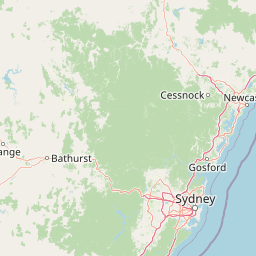
Geography guide, regional context, and park location map for Goulburn River National Park

Goulburn River National Park park geography, regions, and map view in Australia
Understand where Goulburn River National Park sits in Australia through a broader geographic reading of the surrounding landscape, nearby location context, and its mapped position within the national park landscape.

How Goulburn River National Park fits into Australia

Australia is a constitutional monarchy and federal parliamentary democracy comprising six states and ten territories. With a population of nearly 28 million, it is one of the world's most urbanised countries, with most people concentrated on the eastern seaboard. The country has a high Human Development Index and is known for its cultural diversity, ancient Aboriginal heritage, and unique wildlife.

Wider geography shaping Goulburn River National Park in Australia

Australia occupies the entire Australian continent, the island of Tasmania, and numerous smaller islands. It is the world's flattest and driest inhabited continent, featuring vast deserts in the interior (the Outback), tropical rainforests along the eastern coast, and a coastline bordering the Indian and Pacific Oceans.

Map view of Goulburn River National Park

Use this park location map to pinpoint Goulburn River National Park in Australia, understand its exact geographic position, and read its mapped placement within the surrounding landscape more clearly.

Pigeon | © OpenStreetMap contributors

Location context for Goulburn River National Park

New South Wales
Park atlas

Compare nearby national parks and trace the protected area geography of the Hunter Valley region, New South Wales.

Discover National Parks and Protected Areas Near Goulburn River National Park
Explore a curated selection of other national parks and protected areas within the Hunter Valley region and broader New South Wales, continuing your geographic discovery beyond Goulburn River National Park. Gain deeper insight into diverse conservation landscapes and regional park geography by comparing adjacent protected areas and their unique environmental characteristics.
National parkNew South Wales

Coolah Tops National Park: Protected Landscape and Geographic Identity on the Liverpool Range

Explore New South Wales's elevated wilderness, waterfalls, and unique forests.

Coolah Tops National Park preserves a distinctive highland environment on the Liverpool Range, offering a protected wilderness experience within New South Wales. This national park is defined by its plateau landscape, featuring steep escarpments, numerous waterfalls, and dense eucalyptus forests. Its geographic position provides a striking contrast to the lower Liverpool Plains, showcasing unique flora and significant habitat for species like the greater glider, making it a vital area for regional landscape and protected-area exploration.

Established
1996
IUCN
II
National parkNew South Wales

Yengo National Park: Protected Landscape Identity and Geographic Context

Explore its mapped terrain and wilderness character.

Yengo National Park in New South Wales, Australia, is a vast protected area known for its remote wilderness character and significant geographical landmarks such as Mount Yengo. As a vital part of the Greater Blue Mountains World Heritage Site, the park showcases rugged mountainous terrain and diverse natural landscapes. This entry focuses on its atlas-value, detailing the park's mapped boundaries, regional geography, and its identity as a significant protected landscape for nature exploration.

Area
1,543.28 km²
Established
1988
IUCN
Ib
National parkNew South Wales

Garrawilla National Park: New South Wales Protected Woodland Ecosystems & Regional Geography

Explore mapped boundaries and native vegetation in this inland Australian national park.

Garrawilla National Park represents a significant protected landscape in New South Wales, Australia, dedicated to conserving semi-arid woodland terrain and characteristic native grass communities. Established to safeguard these vital ecosystems, the park offers insights into the natural heritage of the Central West region's geography. Users can explore its specific geographic footprint and understand its contribution to the preservation of inland Australian vegetation, providing a clear picture of its protected area identity.

Area
9.37 km²
Established
2005
IUCN
II
National parkAustralia

Belford National Park: Strict Nature Reserve and Endangered Forest Landscape in Australia

Mapped boundaries and ecological context for a vital protected area.

Belford National Park, located in Australia's Hunter Valley, functions as a strict nature reserve focused on preserving the endangered Central Hunter Ironbark-Spotted Gum-Grey Box Forest. This protected area, though modest in size, is crucial for safeguarding vulnerable wildlife species and maintaining a significant example of a rare ecological community. Its clearly defined mapped boundaries highlight its role as a dedicated conservation landscape, offering essential habitat and serving as a reference point for the region's natural geography and biodiversity.

Area
2.88 km²
Established
2003
IUCN
Ia
National parkNew South Wales

Ben Halls Gap National Park: Ancient Eucalyptus Forest Protected Landscape in New South Wales

Explore mapped boundaries of old-growth woodland terrain.

Ben Halls Gap National Park represents an ecologically vital strict nature reserve within New South Wales, Australia. It is distinguished by its extensive ancient eucalyptus forests, which are among the most ecologically significant old-growth woodland environments in eastern Australia. Managed primarily for conservation and research, the park's rugged terrain provides a critical habitat refuge and a key reference ecosystem for understanding undisturbed woodland dynamics and biodiversity.

Area
30.18 km²
Established
1995
IUCN
Ia
Scope
Terrestrial
National parkNew South Wales

Barrington Tops National Park: A Protected National Park in New South Wales

Explore ancient Gondwana rainforests and dramatic volcanic terrain.

Barrington Tops National Park represents a significant protected landscape in New South Wales, Australia, offering a deep dive into diverse ecosystems. Its unique altitudinal vegetation gradient supports the southernmost subtropical rainforests in Australia and showcases geological formations dating back millions of years. This park is crucial for understanding Australia's natural heritage, providing a rich context for landscape exploration and the study of ancient flora within a mapped geographic setting.

Area
765.12 km²
Established
1969
IUCN
Ib
National parkNew South Wales

Werakata National Park: Protected Area Exploration and Eucalypt Forest Atlas

Mapping New South Wales' unique spotted gum-ironbark woodlands.

Werakata National Park is a significant protected area in New South Wales, Australia, dedicated to conserving the valuable spotted gum-ironbark vegetation communities of the Lower Hunter Region. This national park offers insight into the region's natural landscape, featuring undulating terrain with eucalypt forests and woodlands that are crucial for threatened species and avian biodiversity. Its distinct geographic character and mapped boundaries provide a clear focus for atlas-driven discovery of protected lands and their ecological significance.

Area
33.37 km²
Established
1999
IUCN
II
National parkAustralia

Cattai National Park: Australia's Premier Colonial Heritage Protected Landscape

Mapped riverfront geography and historical Australian park context.

Cattai National Park represents a vital entry in Australia's atlas of protected areas, offering unparalleled insight into the nation's early colonial history alongside its natural riverine landscapes. The park's designation as a national park highlights its importance in preserving not only the unique geography of the Hawkesbury River floodplain but also significant historical sites like the Hope Farm Mill, Australia's oldest industrial site. Exploring Cattai National Park allows for a deep dive into mapped protected boundaries and the layered cultural and natural terrain of the Sydney region.

Area
4.24 km²
Established
1992
IUCN
II

Common questions about visiting, size, designation, and location context for Goulburn River National Park

Goulburn River National Park FAQs for park facts, access, geography, and protected area context
Find quick answers about Goulburn River National Park, including protected-area facts, park geography, trail and visitor context, and how the park fits into its surrounding country and regional landscape.
MoriAtlas Explorer

Continue Your Protected Areas Search Across the Global Atlas

Deepen your exploration by continuing the structured search for national parks and protected areas worldwide. Utilize the comprehensive filtering capabilities to compare different conservation landscapes and refine your understanding of global park geography. Discover more about the distribution and characteristics of protected natural areas.

Global natural geography