

Mori Atlas logo
National parkCattai National Park

Discover mapped park boundaries and the unique historical geography of this Australian national park.

Cattai National Park: Protected Landscape, Colonial Heritage, and Hawkesbury River Geography

Cattai National Park, situated in Australia's Hawkesbury region, offers a profound exploration of protected landscapes interwoven with significant colonial and Aboriginal heritage. This national park preserves a rare concentration of early Australian industrial sites, including the Hope Farm Mill, and its landscape is defined by the confluence of Cattai Creek and the Hawkesbury River floodplain. Understanding Cattai National Park through its mapped boundaries, riparian ecosystems, and historical terrain provides essential context for exploring Australia's protected lands and their unique geographic narratives.

colonial heritageriparian ecosystemshistorical sitesAboriginal heritagefloodplain landscapeSydney region

Cattai National Park

National park

Park overview

Structured park overview, official facts, and landscape profile for Cattai National Park

Cattai National Park park facts, protected area profile, and essential visitor context
Review the core facts for Cattai National Park, including designation, size, terrain, visitor scale, habitats, and operating context in one park-focused overview.

About Cattai National Park

Cattai National Park represents a distinctive blend of natural floodplain landscape and deep colonial history in the Sydney region. The park's location on the Hawkesbury River placed it at a significant junction between Aboriginal pathways and later colonial transportation routes. The floodplain terrain creates a landscape of riparian woodland, open grassed areas, and river channels that have shaped both indigenous and settler land use patterns over centuries.

The park's establishment in 1992 protected a landscape that had been progressively altered since the early nineteenth century while retaining important heritage features. The combination of Aboriginal archaeological sites and nineteenth-century colonial structures makes Cattai unusual among Sydney's protected areas, where natural landscape preservation often dominates conservation priorities. The park provides a counterpoint to the purely ecological focus of many national parks, demonstrating how cultural heritage can be integrated into protected area management.

Visitors to the park can access the riverfront at Cattai Wharf, explore historic structures including the restored Arndell's Cottage, and traverse landscapes that illustrate the adaptation of European agricultural practices to the Hawkesbury floodplain environment. The park serves both as a conservation area for native vegetation and as a heritage precinct that preserves tangible evidence of colonial-era settlement patterns.

Quick facts and research context for Cattai National Park

Cattai National Park covers 424 hectares (1,050 acres) along the Hawkesbury River in Sydney's northwest. Established on 24 April 1992, the park is managed by the NSW National Parks and Wildlife Service. The park lies approximately 13 kilometers from Windsor and occupies a floodplain location at the confluence of Cattai Creek and the Hawkesbury River. The park incorporates three land units including the historic Hope Farm and Mitchell Park areas.

Park context

Deeper park guide and search-rich context for Cattai National Park

Cattai National Park history, landscape, wildlife, and travel context
Explore Cattai National Park through its history, landscape character, ecosystems, wildlife, conservation priorities, cultural context, and seasonal travel timing in a structured park guide built for atlas discovery and search intent.

Why Cattai National Park stands out

Cattai National Park is best known for its remarkable concentration of early colonial Australian heritage. The Hope Farm Mill, constructed around 1806, is widely regarded as the oldest industrial site in Australia, while the ruins of a stone windmill represent what may be the oldest industrial building in the country. The park contains the Cattai Homestead, built around 1820 and listed with the National Trust, as well as extensive convict-built dry stone walls that represent early colonial construction practices. The park also preserves important Aboriginal sites that illuminate the pre-European history of the Cattai area.

Cattai National Park history and protected-area timeline

Cattai National Park's history extends across two distinct but overlapping narratives. The Aboriginal history of the Cattai area extends far beyond European contact, with the park containing sites of importance to understanding Indigenous occupation prior to settlement. These archaeological remnants provide evidence of Aboriginal land use, resource gathering, and spiritual connection to the Hawkesbury River landscape.

The European colonial history of the area began with land grants following the First Fleet's arrival in 1788. Part of the present-day national park was an original First Fleet land grant, placing it among the earliest allocated lands in the colony. The Hope Farm Mill was probably constructed around 1806, making it the oldest industrial site in Australia. The stone windmill ruins are thought to represent the oldest industrial building in the country, constructed by convict labor using traditional dry stone wall techniques that remain visible today.

The Cattai Homestead, constructed around 1820, became a focal point of the agricultural settlement and remains a heritage-listed feature. The property changed hands over subsequent decades, with various owners adapting the buildings and surrounding land for agriculture. The eventual protection of this landscape as a national park in 1992 recognized both its natural values and its extraordinary heritage significance, preserving a landscape that illustrates the full arc of the region's history from Aboriginal occupation through colonial settlement to modern conservation.

Cattai National Park landscape and geographic character

The physical landscape of Cattai National Park is defined by its position on the Hawkesbury River floodplain. The terrain consists of low-lying land adjacent to the river channel, with gentle slopes rising slightly away from the water. The junction of Cattai Creek and the main Hawkesbury River creates a landscape of converging watercourses that have deposited alluvial sediments over millennia, producing fertile soils and periodic flooding.

The park encompasses three main areas connected by the river and creek systems. Cattai Park occupies the floodplain at the creek mouth, while Hope Farm extends northward across additional floodplain land. Mitchell Park lies further upstream along Cattai Creek, approximately 2.5 kilometers from the main junction. This linear arrangement along the watercourse reflects the historic pattern of settlement along the Hawkesbury, where access and agricultural potential were concentrated along the river corridor.

Vegetation patterns across the park include riparian woodland along the water margins, open grassland on the more frequently flooded areas, and remnant woodland patches on higher ground. The landscape provides scenic views from Cattai Wharf across the river, with the watercourse serving as both a visual and ecological spine through the park.

Cattai National Park ecosystems, habitats, and plant life

The ecological character of Cattai National Park reflects its floodplain setting along the Hawkesbury River system. The park supports riparian ecosystems where the river channel meets adjacent terrestrial environments, creating habitat gradients from open water through sedge communities to woodland. These transitional environments support diverse wildlife adapted to the seasonal fluctuations that characterize the floodplain.

Native vegetation communities within the park include river-flat eucalypt forest, which characterizes the taller woodland areas, and more open sedge and grass communities on the lower-lying periodically flooded zones. The Hawkesbury River corridor provides movement pathways for wildlife and connects the park to broader regional conservation networks. While the park is not primarily designated for biodiversity protection, it nonetheless provides refuge for native species in a landscape that has experienced extensive modification for agriculture and urban development.

The protection of remaining native vegetation within the park contributes to regional habitat connectivity, particularly along the river corridor which serves as a green spine through the Sydney region. The floodplain soils and water regimes support plant communities adapted to seasonal inundation, creating ecological conditions distinct from the steeper sandstone landscapes that dominate much of the Sydney region.

Cattai National Park wildlife and species highlights

Wildlife in Cattai National Park reflects the riparian and floodplain habitats that characterize the Hawkesbury River corridor. The river itself supports fish species and provides foraging habitat for waterbirds, while the woodland and open grass areas offer shelter and feeding grounds for various terrestrial species. The mix of vegetation types creates edge habitats that are often particularly biodiverse.

Birdlife is a notable feature of the park, with waterfowl utilizing the river and adjacent wetlands, while woodland birds occupy the tree-lined sections. The river corridor provides important habitat for species that move through the landscape along watercourses, linking protected areas across the Sydney region. Mammals including possums and bats utilize the hollows and foraging opportunities provided by the park's mature trees.

Cattai National Park conservation status and protection priorities

The conservation significance of Cattai National Park extends beyond typical national park values to encompass exceptional cultural heritage protection. The park contains what is believed to be Australia's oldest industrial site at Hope Farm Mill and potentially the oldest industrial building in the form of the stone windmill ruins. This archaeological resource required careful management to preserve structures that represent the tangible beginnings of Australian industrial development.

The park also maintains important Aboriginal heritage sites that contribute to understanding the pre-colonial history of the Hawkesbury region. These sites hold significance for contemporary Aboriginal communities and provide archaeological evidence of Indigenous presence and land use. The dual recognition of both Aboriginal and settler heritage within the one protected area creates management complexity but also demonstrates the potential for integrated heritage conservation.

Native vegetation within the park contributes to regional conservation by preserving floodplain woodland communities that have been extensively cleared elsewhere in the Sydney region. The park's riparian corridors support biodiversity and maintain ecological connectivity across a landscape increasingly dominated by agricultural and urban development.

Cattai National Park cultural meaning and human context

Cattai National Park occupies a landscape shaped by thousands of years of Aboriginal occupation prior to European contact. The Hawkesbury River held particular importance for local Aboriginal communities as a source of food, transport, and spiritual connection. Archaeological evidence within the park illuminates this pre-colonial history and provides tangible links to the Indigenous past of the Sydney region.

The colonial period transformed the landscape through land grants, agricultural development, and the construction of the structures that now define the park's heritage character. The First Fleet land grant that encompassed part of the present park represents one of the earliest allocations of land in the Australian colony. Convict labor built the dry stone walls and industrial structures that remain as physical evidence of early colonial settlement practices.

The park preserves the legacies of several individuals whose stories are woven into the landscape. Thomas Arndell's cottage provides evidence of early colonial domestic life, while the mill operators and farmers who worked the Hope Farm and Cattai properties contributed to the broader narrative of Hawkesbury agricultural development. The park now serves as a heritage precinct where these layered histories can be experienced and understood by visitors.

Top sights and standout views in Cattai National Park

The most distinctive highlights of Cattai National Park are its remarkable colonial heritage features that are unmatched in Australia's protected area network. The Hope Farm Mill, dating to around 1806, stands as the oldest industrial site in the nation, while the stone windmill ruins represent potentially the oldest industrial building. These structures, built by convict labor using traditional techniques, provide tangible connection to Australia's earliest industrial endeavors.

The Cattai Homestead, constructed around 1820 and listed with the National Trust, exemplifies early colonial domestic architecture and its curtilage. The park's riverside setting at Cattai Wharf offers scenic views across the Hawkesbury River, with the waterway providing a visual and historical connection to Sydney's early development. The convict-built dry stone walls that traverse the landscape represent a construction technique that has left enduring marks on the Australian colonial landscape.

The integration of Aboriginal heritage sites alongside colonial features creates a layered cultural landscape that illustrates the full span of human occupation in the Hawkesbury region.

Best time to visit Cattai National Park

Cattai National Park can be visited throughout the year, with each season offering different conditions and experiences. The autumn and spring months typically provide comfortable temperatures for walking and exploring the park's various heritage sites and riverfront areas. These seasons also coincide with bird migration patterns, potentially offering increased wildlife observation opportunities along the river corridor.

Summer visits can be warm but the riverside location provides opportunities for river-based recreation when temperatures rise. The floodplain setting means that winter conditions may see higher water levels in the Hawkesbury River, affecting the landscape character and potentially access to some areas. Regardless of season, the park's heritage features can be explored on foot, with the circular walking tracks allowing visitors to experience the varied landscape and historic structures.
Park location guide

Geography guide, regional context, and park location map for Cattai National Park

Cattai National Park park geography, regions, and map view in Australia
Understand where Cattai National Park sits in Australia through a broader geographic reading of the surrounding landscape, nearby location context, and its mapped position within the national park landscape.

How Cattai National Park fits into Australia

Australia is a constitutional monarchy and federal parliamentary democracy comprising six states and ten territories. With a population of nearly 28 million, it is one of the world's most urbanised countries, with most people concentrated on the eastern seaboard. The country has a high Human Development Index and is known for its cultural diversity, ancient Aboriginal heritage, and unique wildlife.

Wider geography shaping Cattai National Park in Australia

Australia occupies the entire Australian continent, the island of Tasmania, and numerous smaller islands. It is the world's flattest and driest inhabited continent, featuring vast deserts in the interior (the Outback), tropical rainforests along the eastern coast, and a coastline bordering the Indian and Pacific Oceans.

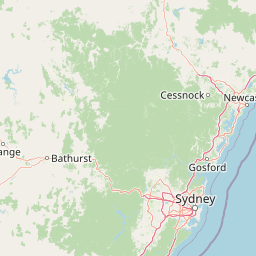
Map view of Cattai National Park

Use this park location map to pinpoint Cattai National Park in Australia, understand its exact geographic position, and read its mapped placement within the surrounding landscape more clearly.

Pigeon | © OpenStreetMap contributors

Location context for Cattai National Park

New South Wales
Park atlas

Trace the diverse protected landscapes and regional park geography surrounding Cattai National Park.

Browse National Parks and Protected Areas Near Cattai National Park, New South Wales
Explore additional national parks and protected areas situated within the broader Hawkesbury region, offering diverse landscapes, heritage sites, and riparian environments similar to Cattai National Park. Comparing these nearby conservation areas reveals the interconnectedness of regional ecosystems and the varied approaches to land preservation across the Sydney periphery.
National parkNew South Wales

Brisbane Water National Park: A Protected Landscape in New South Wales' Sydney Basin Bioregion

Explore mapped terrain, endangered ecosystems, and coastal waterway geography.

Brisbane Water National Park, located in New South Wales, Australia, is a vital protected area safeguarding critical ecosystems within the Sydney Basin bioregion. This national park features a diverse landscape encompassing rugged escarpments, fertile valleys, and important coastal waterways. Its protected status makes it a crucial conservation refuge, offering insights into unique natural terrain and regional geography for those seeking detailed, map-centric exploration.

Area
115.06 km²
Established
1959
IUCN
II
National parkNew South Wales

Sydney Harbour National Park: A Distinctive Coastal Protected Landscape in New South Wales

Explore its mapped geography and unique heritage sites.

Sydney Harbour National Park represents an extraordinary protected area in New South Wales, Australia, celebrated for its integration of natural coastal terrain with significant historical sites. This national park offers a unique opportunity for atlas-based exploration of its mapped boundaries, dramatic sandstone headlands, and sheltered harbour locations. Discover the distinctive blend of natural landscape and heritage fortifications that define this metropolitan park, providing a rich geographic context for understanding urban protected areas.

Area
3.92 km²
Established
1975
IUCN
II
National parkNew South Wales

Bouddi National Park: Coastal National Park with Temperate Rainforest & Marine Atlas

Discover unique sandstone landscapes and protected marine geography in New South Wales.

Bouddi National Park in New South Wales stands out for its rare mix of coastal headlands, ancient temperate rainforests, and a comprehensive marine protected area. Its landscape is defined by dramatic Hawkesbury sandstone geology, featuring spectacular tessellated pavements and laterite plateaus. The park's protected marine zone significantly enhances local biodiversity, making it a key area for understanding coastal and oceanic protected landscapes within the Australian atlas.

Area
15.32 km²
Established
1967
IUCN
II
Relief
Lowland
National parkNew South Wales

Georges River National Park: Protected Landscape and Geographic Context in New South Wales

Mapped terrain, sandstone woodlands, and key wetland habitats.

Georges River National Park, located within New South Wales, Australia, serves as a crucial protected natural area. Its 514 hectares encompass diverse terrain shaped by the Georges River, featuring significant mangrove swamps, salt marshes, and exposed sandstone woodlands characteristic of the Sydney region. This park's atlas value lies in its role preserving vital ecosystems, supporting a notable array of vertebrate and bird species, and showcasing unique natural landscapes easily explored through mapped terrain and geographic context.

Area
5.14 km²
Established
1992
IUCN
II
Relief
Lowland
National parkNew South Wales

Georges River Koala National Park: A Protected Landscape for Critical Koala Habitat in New South Wales

Mapped geography and unique wildlife sanctuary.

Georges River Koala National Park represents a key protected area within New South Wales, specifically designated for safeguarding critical koala populations. This national park offers an invaluable insight into the region's undulating woodland terrain and the Georges River corridor's role in providing essential habitat. Understand the park's landscape character, its mapped boundaries, and its importance as a sanctuary for chlamydia-free koala colonies.

Area
18.3 km²
Established
2023
IUCN
II
Relief
Lowland
National parkNew South Wales

Yengo National Park: Protected Landscape Identity and Geographic Context

Explore its mapped terrain and wilderness character.

Yengo National Park in New South Wales, Australia, is a vast protected area known for its remote wilderness character and significant geographical landmarks such as Mount Yengo. As a vital part of the Greater Blue Mountains World Heritage Site, the park showcases rugged mountainous terrain and diverse natural landscapes. This entry focuses on its atlas-value, detailing the park's mapped boundaries, regional geography, and its identity as a significant protected landscape for nature exploration.

Area
1,543.28 km²
Established
1988
IUCN
Ib
National parkNew South Wales

Heathcote National Park: Discover the Hawkesbury Sandstone Terrain and Mapped Protected Boundaries

Explore the rugged gorges and regional geography of this New South Wales national park.

Heathcote National Park preserves a significant example of the Sydney region's characteristic Hawkesbury sandstone landscape, presenting a terrain of deeply incised creek gorges and rocky valleys. Located in New South Wales, this protected national park offers valuable insights into regional geography and the mapped distribution of natural landscapes. Its rugged terrain and diverse ecosystems make it a key destination for understanding the protected area context of Australia's eastern seaboard.

Area
26.79 km²
Established
1943
IUCN
II
National parkNew South Wales

Wyrrabalong National Park National Park: Protected Littoral Rainforest and Coastal Geography

Explore mapped terrain and vital bird habitats in New South Wales.

Wyrrabalong National Park on New South Wales' Central Coast is an essential protected landscape, noted for safeguarding the last significant coastal littoral rainforest of its kind. This park entry details the mapped geography across its peninsula, island, and beachfront sections, revealing a compact yet ecologically rich environment. It highlights the park's importance as part of an Important Bird Area, supporting significant waterbird and woodland bird populations within its protected boundaries, offering a unique glimpse into a vanishing coastal ecosystem.

Area
6.2 km²
Established
1991
IUCN
II

Common questions about visiting, size, designation, and location context for Cattai National Park

Cattai National Park FAQs for park facts, access, geography, and protected area context
Find quick answers about Cattai National Park, including protected-area facts, park geography, trail and visitor context, and how the park fits into its surrounding country and regional landscape.
MoriAtlas Explorer

Continue Your Protected Areas Search Across the Global Atlas

Deepen your exploration by continuing the structured search for national parks and protected areas worldwide. Utilize the comprehensive filtering capabilities to compare different conservation landscapes and refine your understanding of global park geography. Discover more about the distribution and characteristics of protected natural areas.

Global natural geography