Why Heathcote National Park stands out
Heathcote National Park is best known for its rugged Hawkesbury sandstone landscape, deeply incised creek gorges, and the network of walking tracks that traverse the Woronora Plateau. The park preserves one of the more accessible examples of Sydney's sandstone wilderness, with Heathcote Creek cascading through rock pools and small waterfalls as it flows toward the Woronora River. The Bullawarring Track provides hikers with an immersive experience through the park's diverse habitats, passing by historic Aboriginal sites and through vegetation communities ranging from dry eucalypt forest to moist creek valleys. The park also holds significance for its early conservation history, having grown from a 75-hectare lease held by walking clubs in the 1930s to become a substantial protected area preserving Sydney's natural heritage.
Heathcote National Park history and protected-area timeline
The land now comprising Heathcote National Park has a human history extending back thousands of years to when the Dharawal people, an Aboriginal Australian people, inhabited the Sydney region. The Dharawal left behind tangible evidence of their presence throughout the park landscape, including culturally modified trees known as shield trees along the Bullawarring Track and charcoal drawings along Myuna Creek. These archaeological features represent the continuing cultural connection between Aboriginal people and the landscape, though the specific meanings and uses of many of these sites are not fully documented in available sources.
European interest in the area began in the early twentieth century, with the Sydney Bushwalkers and the Mountain Trails Club of New South Wales taking a lease on 75 hectares of land in the early 1930s. These bushwalking organizations were instrumental in creating early walking tracks and camp sites throughout the area, establishing recreational use patterns that continue to the present day. This initial leasehold arrangement represents the formal beginnings of what would eventually become Heathcote National Park, which was officially established in January 1943. The park subsequently expanded through subsequent land acquisitions to reach its present extent of 2,679 hectares, growing from those early small beginnings to become a significant protected area in the Sydney region.
The park also contains evidence of more recent human occupation during the Great Depression of the 1930s, when several Europeans constructed rough huts in the park area. Remnants of these makeshift dwellings can still be found at locations including Myuna Creek, providing physical evidence of the challenging economic conditions that drove some people to live in marginal bushland settings during this period.
Heathcote National Park landscape and geographic character
The landscape of Heathcote National Park is defined by Hawkesbury sandstone geology, forming a deeply dissected plateau terrain that represents one of the most characteristic landscapes of the Sydney region. The sandstone, which was deposited approximately 200 million years ago in a braided river system, has been subsequently eroded by watercourses to create a terrain of steep-sided valleys, rocky gorges, and sandstone cliff faces. The Woronora Plateau, a component of the larger Sydney Basin, encompasses the park's terrain, with stream erosion over geological time cutting more deeply into the plateau surface with each period of uplift.
The park's drainage system centers on Heathcote Creek, which flows northward through the park, receiving tributaries including Kingfisher Creek and Myuna Creek. These watercourses have carved deeply incised channels into the sandstone, creating a landscape of immediate relief and visual drama. The creek descends through a series of rock pools and small waterfalls as it makes its way toward the Woronora River at the northern end of the park. The combination of water, rock, and vegetation creates the quintessential Australian bushland scenery that characterizes much of the Sydney region's undeveloped landscapes.
The soil derived from the Hawkesbury sandstone is characteristically sandy, nutrient-poor, and infertile, a condition typical of the Sydney region. This poor soil fertility has influenced both the vegetation patterns and the historical land use of the area, as the land was unsuited to intensive agriculture or pastoral use. The rocky terrain and limited soil depth also contributed to the area remaining relatively undeveloped until the establishment of the national park, preserving the landscape in something close to its natural state.
Heathcote National Park ecosystems, habitats, and plant life
The natural environment of Heathcote National Park showcases the characteristic plant communities of the Sydney region, adapted to the challenging conditions of sandstone-derived soils and seasonal moisture variation. The park's vegetation is broadly zoned according to moisture availability and topography, with dry sclerophyll forest dominating the ridges and upper slopes while low heath communities occupy the valley floors and drainage lines where moisture accumulates. This vegetation pattern reflects the broader ecological character of the Sydney Basin, where rainfall patterns and soil conditions create distinct habitat types within relatively small areas.
The eucalypt-dominated forest communities include several species characteristic of the Sydney region: bloodwood and grey gum on the more elevated and exposed positions, Sydney peppermint on the slopes, and scribbly gum providing the characteristic scarred bark that results from insect larvae burrowing beneath the bark. Angophoras, with their distinctive twisted trunks and rough bark, add to the visual complexity of the forest. The understory includes grass-trees with their distinctive flowering spikes, while the heath communities feature a diversity of shrubs including ti trees, banksias with their iconic cylindrical flower spikes, hakeas, and waxflowers. In the moister creek valleys, gymea lilies with their massive flower clusters and forest oaks add additional diversity to the plant communities.
The ecological significance of the park lies in its representation of relatively intact sandstone woodland and heath communities within the Sydney metropolitan area. As a protected area, it preserves examples of vegetation types that have been extensively cleared and modified across the Sydney region for urban development, agriculture, and other land uses. The park's position within the broader landscape network, connecting with other protected areas and bushland corridors, supports the maintenance of ecological processes and biodiversity in the Sydney region.
Heathcote National Park wildlife and species highlights
The wildlife of Heathcote National Park includes a range of native Australian species adapted to the sandstone woodland and heath environments. Mammals present in the park include sugar gliders and common ringtail possums, which utilize tree hollows and the canopy for shelter, and possibly eastern pygmy possums in the Mirang Creek and Minda Gully areas. Swamp wallabies are also recorded as present in the park, browsing on vegetation throughout the woodland and heath habitats. These marsupials represent the mammalian diversity typically found in Sydney's protected bushland areas.
Birdlife is well represented in the park, with honeyeaters being commonly observed as they feed on nectar from the various flowering plants throughout the year. The superb lyrebird, one of Australia's most distinctive bird species, is present in the park and can be observed in the forest understory, particularly in areas with dense ground cover. The lyrebird's remarkable mimetic abilities and striking breeding display make it a sought-after sighting for birdwatchers visiting the park. The diverse plant communities and varied habitat structure support additional bird species, though specific records are limited in the source material.
The park's waterways support aquatic wildlife, with fish, eels, and crayfish commonly found in the creek systems including Heathcote Creek and its tributaries. These aquatic species rely on the persistent flow of water through the creek systems, with the rock pools and slower sections providing habitat for fish and crayfish. The creeks thus form an important component of the park's ecological systems, linking the terrestrial and aquatic environments and supporting biodiversity across multiple habitat types.
Heathcote National Park conservation status and protection priorities
Heathcote National Park contributes to biodiversity conservation in the Sydney region by preserving representative examples of Hawkesbury sandstone woodland and heath communities within a metropolitan area that has experienced extensive vegetation clearing and modification. The park's IUCN Category II designation as a national park reflects its primary purpose of protecting natural ecosystems while allowing for compatible recreational use. Management by the NSW National Parks and Wildlife Service ensures that conservation values are prioritized in decisions about park use, visitor facilities, and ongoing management activities.
The conservation significance of the park is enhanced by its location within a broader network of protected areas and bushland corridors in the Sydney region. The Woronora Plateau and associated landscapes include multiple protected areas that together form a significant conservation network, supporting the persistence of native species and ecological processes in proximity to a major urban center. This network function is particularly important for mobile species that require large areas of habitat or connectivity between habitat patches.
The park also preserves cultural heritage values, including Aboriginal sites that represent the continuing connection between Indigenous people and the landscape. The preservation of shield trees, charcoal drawings, and other archaeological features within the protected area ensures that these cultural values are maintained alongside the natural values, contributing to the broader conservation of Australia's heritage.
Heathcote National Park cultural meaning and human context
The cultural context of Heathcote National Park encompasses both Aboriginal heritage and more recent European history. The Dharawal people are recognized as the Traditional Owners of the land prior to European settlement, with the park preserving evidence of their presence and land use practices. The shield trees along the Bullawarring Track represent culturally modified trees that were altered by Aboriginal people, likely for practical purposes such as carrying or processing materials. The charcoal drawings along Myuna Creek provide evidence of artistic and ceremonial activity in the landscape, though the specific meanings of these works are not comprehensively documented in available sources.
The relationship between Aboriginal people and the sandstone landscapes of the Sydney region extended over thousands of years, with the Dharawal utilizing the resources of the area for food, shelter, and cultural purposes. The preservation of these heritage values within the national park framework represents an important aspect of the park's overall significance, acknowledging the long human history of the landscape alongside its ecological values.
European history in the area is more recent but still spans nearly a century, beginning with the lease arrangements of the early 1930s that led to the park's eventual establishment. The remnants of Depression-era huts at Myuna Creek provide physical evidence of a challenging period in Australian history when unemployment and economic hardship drove some people to seek a marginal existence in the bushland surrounding Sydney. This more recent human history adds another layer to the cultural context of the park, though it is less prominent than the Aboriginal heritage.
Top sights and standout views in Heathcote National Park
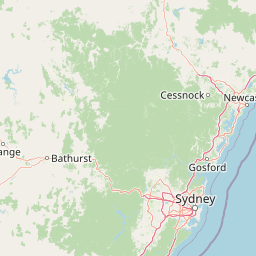
The defining highlights of Heathcote National Park include the dramatic Hawkesbury sandstone landscape of deeply carved creek gorges and rock outcrops, the historic Bullawarring Track walking trail that provides access through the park's most scenic terrain, and the well-preserved Aboriginal heritage sites including shield trees and charcoal drawings. The park's location within the Sydney metropolitan area makes it one of the more accessible natural areas for residents seeking to experience sandstone wilderness without traveling far from the city. The contrast between the urban development surrounding the park and the relatively natural landscape within its boundaries creates a striking boundary between city and bush that characterizes much of Sydney's western and southern fringes.
The wildlife viewing opportunities, particularly for the superb lyrebird and various marsupial species, add to the park's appeal for nature enthusiasts. The seasonal flowering of the eucalypts, banksias, and other plants provides visual interest throughout the year and supports the birdlife that visitors come to observe. The creek system with its rock pools and small waterfalls offers scenic focal points along walking routes, particularly after periods of rainfall when water flow is more pronounced.
Best time to visit Heathcote National Park
Heathcote National Park can be visited throughout the year, with each season offering different characteristics for visitors to experience. The Australian spring months of September through November typically bring increased wildflower displays as the heath communities and eucalypts flower, creating visually appealing scenery and attracting birdlife that feeds on nectar. This is also the breeding season for many bird species, including the superb lyrebird, increasing the likelihood of observing reproductive behaviors and territorial displays.
Summer in the Sydney region can be hot, and visitors to the park should be prepared for warm conditions, particularly on exposed ridgelines and during midday hours. Early morning or late afternoon visits are advisable during summer to avoid the hottest part of the day. Autumn often brings mild, stable weather conditions and can be an excellent time for bushwalking as temperatures moderate. Winter typically sees lower visitor numbers and the landscape takes on a different character as some plants become dormant, though wildlife may be more observable as vegetation thins.
The park can be affected by closures during periods of high fire danger, which are most common during the hotter summer months. Visitors should check current conditions and any park closures before traveling, particularly during the fire season. Rainfall can also affect track conditions and visitor access, with the creek crossings and low-lying areas potentially becoming difficult to traverse after heavy rain.