Why Georges River National Park stands out
Georges River National Park is best known for its unique combination of urban accessibility and significant ecological preservation. The park protects critical wetland habitats including mangrove swamps and salt marshes along the Georges River, which support extraordinary bird diversity with over 180 species recorded, including 59 waterbird species. The Yeramba Lagoon Loop Walking Track is particularly notable, with up to 15 bird species observable at any one time and over 100 species documented in the area. The park also contains a breeding population of koalas, listed as threatened, making it significant for marsupial conservation within the Sydney region. The sandstone woodland habitat and the presence of threatened flora species such as swamp mahogany and red gum further distinguish this park from other Sydney-area reserves.
Georges River National Park history and protected-area timeline
The establishment of Georges River National Park reflects decades of community advocacy and evolving conservation priorities in Sydney's southern suburbs. Following World War II, the Georges River area experienced significant industrial growth, with Bankstown City's industries accounting for approximately 20% of all factories in Sydney by the mid-20th century. By 1971, the Georges River had become the second most toxic body of water in Sydney due to industrial pollution, prompting local communities to advocate for environmental protection. Between 1961 and 1967, initial efforts to establish the park resulted in the creation of a trust group to manage and protect the land, with most funding coming from sand mine leases during this period. Following the introduction of the National Parks and Wildlife Service in 1967, the park was downgraded to a state park or nature reserve due to insufficient land area qualifications. In 1992, the park was re-declared as a National Park and expanded from its original 173 hectares to 514 hectares by 2020. Indigenous history of the area is significant, with evidence of Aboriginal occupation including shelters, rock engravings, and axe grinding sites throughout the park. Following European settlement, Dharug and Dharawal peoples were pushed upstream to the area now within the park. The area at Salt Pan Creek near Padstow became a refuge for Indigenous people, including activists like Jack Patten, Bill Onus, and others, and served as shelter for Aboriginal families during the period of the Stolen Generations from 1910 to 1970.
Georges River National Park landscape and geographic character
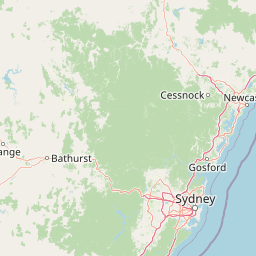
The physical landscape of Georges River National Park is defined by its location along the Georges River and the underlying geological formations of the Sydney region. The park sits upon a thick bed of Hawkesbury sandstone, a characteristic geological feature of the Sydney Basin, while Sandy Point contains younger Mittagong sandstone that is finer-grained. The Georges River, a 96-kilometre saltwater river named after King George III, runs through the centre of the park, creating a distinct riparian corridor with associated wetland habitats. The park's elevation ranges from sea level along the river to approximately 100 metres at Mill Creek, with an average elevation of 60 metres. Wetland environments constitute a significant portion of the park's character, including 24 hectares of mangrove swamps and 11 hectares of salt marsh distributed along the river margins. The dominant vegetation community is Sydney Hinterland Exposed Sandstone Woodland, covering approximately 293 hectares and characterized by eucalyptus trees reaching 10 to 25 metres in height with associated sclerophyll shrub understorey. Additional habitat types include Littoral Rainforests, Sydney Coastal Heaths, Coastal Freshwater Lagoons, and Coastal Floodplain Wetlands, creating a mosaic of environments within the relatively small park area.
Georges River National Park ecosystems, habitats, and plant life
The ecological character of Georges River National Park is defined by its diverse range of habitats supporting significant biodiversity within an urban context. The park contains multiple distinct habitat types, from mangrove swamps and salt marshes along the river margins to sandstone woodland ridges and freshwater wetland lagoons. The 24 hectares of mangrove swamps and 11 hectares of salt marsh represent critical coastal wetland ecosystems, though these areas have faced threats from unauthorized vehicle access between 1966 and 1998. The Sydney Hinterland Exposed Sandstone Woodland dominates the park's upland areas, providing habitat for diverse flora including threatened tree species such as swamp mahogany and red gum, which support animals like the grey-headed flying fox and little lorikeets. The park's freshwater wetlands and lagoons, particularly around Yeramba Lagoon, support extraordinary bird diversity. The park has recorded 16 frog species, 32 reptile species including one freshwater turtle, 180 bird species including 59 waterbird species, and 20 mammal species. Approximately 248 native vertebrate species have been documented within the park boundaries, with 20 species listed as threatened under state legislation and 8 under federal law.
Georges River National Park wildlife and species highlights
Georges River National Park supports an impressive array of wildlife despite its urban setting, with approximately 248 native vertebrate species recorded within its boundaries. The amphibian community includes 16 frog species, with the eastern dwarf tree frog and Tyler's tree frog being the most commonly encountered. The reptile fauna comprises 32 locally endemic species, including one freshwater turtle species, 22 types of lizards comprising four gecko species, 13 skink species, three dragon species, and two goannas, along with nine snake species, with the dark-flecked garden sunskink being the most abundant. Birdlife is exceptionally diverse with 180 native species observed, including 59 waterbird species, making the park particularly significant for birdwatching, especially along the Yeramba Lagoon Loop Walking Track where up to 15 species may be visible simultaneously. Mammal diversity includes 20 locally native species, with the most frequently occurring being common ringtail and brushtail possums, the swamp wallaby, and the grey-headed flying-fox. Notably, a breeding population of koalas lives in the park though they are listed as threatened. Approximately 59% of the mammal population consists of nocturnal microbats including the little forest bat and chocolate wattled bat. The park is home to threatened species including the green and golden bell frog and the blue-billed duck, while 18 invasive species, particularly the common fox, pose significant threats to native wildlife.
Georges River National Park conservation status and protection priorities
Georges River National Park holds significant conservation value within the Sydney region, protected under the National Parks and Wildlife Act 1974 with management administered by the NSW National Parks and Wildlife Service. The park protects 20 species listed as threatened under the Threatened Species Conservation Act 1995 and 8 species under the Environment Protection and Biodiversity Conservation Act 1999, including the green and golden bell frog and blue-billed duck. A breeding population of koalas, also listed as threatened, adds to the park's conservation significance. The 1994 plan of management outlines objectives to protect natural beauty, conserve wildlife and historical Aboriginal sites, encourage appropriate recreation, and support visitor education. Management actions include erosion and weed control along Henry Lawson Drive, rehabilitation of disturbed areas, research and surveys, control of introduced species, and reintroduction of endemic species. The park was significantly impacted by a wildfire in 1985 that burned approximately 80% of the area, establishing it as a threatened fire area and necessitating the Georges River Park Fire Management Strategy 2018. Water quality in the Georges River remains a concern, with approximately 90% of pollution attributed to stormwater runoff, preventing the reopening of former swimming areas. The Georges River Keeper program works to address pollution, having removed over 100 tonnes of litter annually and documenting significant water quality improvements between 2015 and 2017.
Georges River National Park cultural meaning and human context
The cultural context of Georges River National Park encompasses both Indigenous heritage and modern community connection to the land. The traditional custodians are the Dharug people, who occupy the north side of the river, and the Dharawal people on the south side, with the Georges River known to Indigenous peoples as the Tucoerah River. Archaeological evidence of Indigenous activity within the park includes Aboriginal shelters, rock engravings, and axe grinding sites, demonstrating long-term occupation and use of the landscape. Following European settlement, Dharug and Dharawal peoples were forced upstream to the area now within the park due to colonial expansion. Between 1900 and 1930, fast industrial growth led to many Indigenous families being forcibly evicted from their land. In 1930, Indigenous activist Joe Anderson successfully advocated for Salt Pan Creek near Padstow to become a place of refuge. This area within the park became significant for Indigenous political activists including Jack Patten, Bert Grovers, Ted Thomas, Bill Onus, and Jacko Campbell. Salt Pan Creek also served as refuge for Aboriginal families from 1910 to 1970 during the period of the Stolen Generations, allowing people to hunt, gather food, practice Indigenous rituals, and maintain connection to the dreaming. The East Hills District Men's Shed Association is located within the park, contributing to community-based volunteer work and maintenance activities.
Top sights and standout views in Georges River National Park
Georges River National Park offers diverse recreational opportunities and natural highlights within Sydney's urban environment. Revesby Beach provides the most popular swimming spot along the Georges River, though visitors are cautioned about the presence of bull sharks in deeper waters. The Ridge Walking Track spans 3.2 kilometres in a circuit taking 30 minutes to one hour, while the Yeramba Lagoon Loop Walking Track at 1.8 kilometres is particularly popular among birdwatchers due to the presence of over 100 documented bird species. The Burrawang Reach Picnic Area near Little Salt Pan Creek and Morgan's Creek offers barbecue and picnic facilities with nearby moorings for boat parking, while Morgan Creeks Picnic Area provides a dual-width boat ramp popular for fishing, jet skiing, and boating. The park's significance extends to conservation, protecting threatened species including koalas, the green and golden bell frog, and the blue-billed duck within a landscape combining mangrove swamps, salt marshes, and sandstone woodland.
Best time to visit Georges River National Park
Georges River National Park can be visited throughout the year, though certain seasons offer distinct advantages for different activities. The cooler months from autumn through early spring typically provide more comfortable conditions for bush walking and exploring the walking tracks, with the Ridge Walking Track and Yeramba Lagoon Loop Walking Track offering pleasant conditions for birdwatching. Bird activity is particularly high around the freshwater wetlands and lagoons, making the Yeramba Lagoon Loop Walking Track productive for birdwatching year-round. Summer months offer the warmest conditions for water-based activities at Revesby Beach, though visitors should be aware of shark precautions and water quality advisories. The park's location within the Sydney region means it experiences a temperate climate with rainfall distributed throughout the year, averaging 850-900 millimetres annually. Visitors interested in wildlife viewing may have better opportunities during dawn and dusk when mammals like possums, swamp wallabies, and flying-foxes are more active, while nocturnal microbat activity increases after dark.