Why Wyrrabalong National Park stands out
Wyrrabalong National Park is best known for protecting the last significant coastal littoral rainforest remaining on the Central Coast of New South Wales. This rainforest type, characterized by species such as melaleuca and livistona palms, represents a vanishing ecosystem that once covered much of the region's shoreline. The park is also renowned as part of the Tuggerah Important Bird Area, supporting significant populations of waterbirds and woodland birds. Its coastal location, encompassing both mainland peninsula areas and islands within Tuggerah Lake, provides diverse habitats within a relatively compact area.
Wyrrabalong National Park history and protected-area timeline
The land now comprising Wyrrabalong National Park has a human history extending back thousands of years, originally inhabited by the indigenous Darkinjung people in the southern section and the Awabakal people in the northern section. These Aboriginal peoples maintained a connection to this coastal landscape long before European contact. European discovery of the Tuggerah Lakes region occurred in 1796 during the early colonial period, when Governor of Tasmania David Collins, who had arrived with the First Fleet, was searching for an escaped convict named Mary Morgan who was reportedly living with local Aboriginal people north of the Hawkesbury River. The park was formally established in May 1991, representing a relatively recent addition to New South Wales's protected area network. This establishment came after decades of increasing recognition of the ecological value of the remaining coastal rainforest and the need to protect what little remained of this once-extensive habitat type.
Wyrrabalong National Park landscape and geographic character
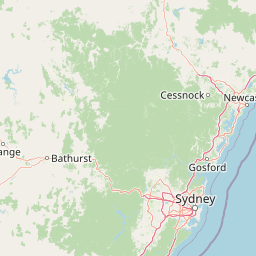
The landscape of Wyrrabalong National Park is defined by its coastal setting on the Central Coast of New South Wales. The terrain is predominantly low-lying, with an average elevation of approximately 8 metres, reflecting its position along a coastal plain that borders the Tasman Sea. The northern section occupies a peninsula position between The Entrance and Norah Head, projecting into the waters of Tuggerah Lake and the Pacific Ocean. This section includes the islands of Terilbah and Pelican, which rise subtly from the lake waters. The southern section follows the coastline south from Shelly Beach to Forresters Beach, encompassing coastal slopes and headlands. The vegetation through much of the park is characterized by the coastal rainforest that gives the park its ecological distinction, with a canopy dominated by melaleuca species and the distinctive fan palms of Livistona australis.
Wyrrabalong National Park ecosystems, habitats, and plant life
The ecological character of Wyrrabalong National Park centres on its coastal rainforest, which represents the last significant example of this habitat type on the Central Coast. This littoral rainforest ecosystem develops in the humid zone immediately adjacent to the coast, where salt-laden winds and sandy soils create challenging conditions for many plant species. The canopy includes Melaleuca quinquenervia (paperbark tree) and Livistona australis (Australian fan palm), while the understory supports a diverse community of moisture-loving plants. The park's position within the broader Tuggerah Lakes system adds wetland and aquatic habitats to the mix, particularly in the northern section where the park boundaries incorporate parts of the lake itself. These wetlands provide critical feeding and breeding habitat for waterbirds, while the woodland areas support a different suite of bird species. The combination of rainforest, woodland, and wetland within a single protected area creates a surprisingly diverse ecological mosaic.
Wyrrabalong National Park wildlife and species highlights
Wyrrabalong National Park supports notable wildlife populations, particularly birds, as recognised by its inclusion in the Tuggerah Important Bird Area designated by BirdLife International. The wetlands and waterways of the park provide essential habitat for various waterbird species, including numerous species that depend on coastal lake environments for feeding and breeding. The woodland areas within the park support populations of woodland birds, contributing to the bird diversity that earned the area its Important Bird Area status. While the Wikipedia source does not provide detailed species lists, the designation indicates the presence of bird communities of sufficient significance to warrant international conservation recognition. The coastal rainforest and surrounding vegetation also provide habitat for various terrestrial species, though the detailed fauna inventory would require more comprehensive source material.
Wyrrabalong National Park conservation status and protection priorities
Wyrrabalong National Park holds particular conservation significance for several reasons. Most importantly, it contains the last significant coastal littoral rainforest remaining on the Central Coast, representing a habitat type that has been dramatically reduced by coastal development over the past two centuries. This remaining rainforest patch serves as a genetic reservoir and biodiversity refuge for species that once inhabited the extensive coastal forests that formerly lined this coastline. The park's designation as part of the Tuggerah Important Bird Area further underscores its conservation value, recognising the area's international significance for bird populations. The protection of this coastal landscape also preserves ecological processes that would be lost with further development, including coastal nutrient cycles, sediment dynamics, and the natural buffering functions that intact coastal ecosystems provide.
Wyrrabalong National Park cultural meaning and human context
The lands now within Wyrrabalong National Park have historical significance as the traditional Country of indigenous Australian peoples. The Darkinjung people occupied the southern portion of what is now the park, while the Awabakal people inhabited the northern section around Tuggerah Lake. These Aboriginal communities maintained deep connections to the coastal environment, drawing on its resources and incorporating it into their cultural practices and spiritual understanding. European colonial exploration of the area began in the late 18th century, with the discovery of Tuggerah Lakes in 1796 during a search for an escaped convict. The park's establishment in 1991 represents a more recent chapter, though one that acknowledges the long human history of this landscape.
Top sights and standout views in Wyrrabalong National Park
Wyrrabalong National Park stands out for protecting the last significant coastal rainforest on the Central Coast, a vanishing habitat of considerable ecological importance. The park's diverse landscape, combining coastal peninsula, islands within Tuggerah Lake, and beachfront sections, creates a compact but varied protected area. The Important Bird Area designation recognises the site's value for waterbird and woodland bird populations. Located on the Central Coast within relatively easy reach of Sydney, the park provides accessible wilderness experience while protecting ecosystems that have largely disappeared from this heavily developed region. The melaleuca and fan palm dominated coastal rainforest represents a distinctive Australian vegetation type that visitors can explore within this protected landscape.
Best time to visit Wyrrabalong National Park
Wyrrabalong National Park can be visited throughout the year, though the warmer months from spring through autumn typically offer the most comfortable conditions for outdoor exploration. Summer temperatures on the Central Coast average between 20 and 25 degrees Celsius, though the park has recorded temperatures up to 42.4 degrees Celsius during heatwaves. Winter temperatures range from 10 to 17 degrees Celsius, with occasional cold spells bringing temperatures down to around 3.4 degrees Celsius. The relatively mild climate allows for year-round visitation, though the coastal environment can be affected by wind and occasional storms during the winter months.