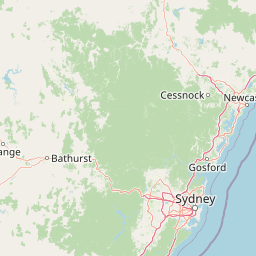
Why Sydney Harbour National Park stands out
Sydney Harbour National Park is best known for its unusual concentration of heritage sites within a coastal national park setting, including colonial-era military fortifications at Georges Head Battery, Fort Denison, and the Sydney Heads. The park protects significant Aboriginal burial sites at Reef Beach and the Quarantine Station, known as the Guringai Resting Places. Nielsen Park at Shark Bay offers one of the harbour's few swimming beaches, while the harbour islands provide both historical significance and natural habitat value. The park's dramatic sandstone headlands, heritage buildings including Greycliffe House, and the mast of the first HMAS Sydney at Bradleys Head contribute to its distinctive character as a park where natural landscape and human history are tightly intertwined.
Sydney Harbour National Park history and protected-area timeline
The establishment of Sydney Harbour National Park reflects decades of conservation advocacy amid ongoing residential development pressure on the harbour foreshores. Early conservationists successfully prevented mining at Ashton Park in the 19th century, while Niels Nielsen, a former NSW Minister for Lands, championed the concept of a public reserve around Sydney Harbour well before such ideas gained mainstream support. In 1965, the NSW Government began purchasing foreshore land, and the National Trust proposed a formal national park in 1968. The following year, the government announced plans to acquire Commonwealth land around the harbour. The park was finally gazetted in 1975, with Nielsen Park at Shark Bay added in 1978. Additional land transferred from Commonwealth to State control in 1979, and the historically significant Quarantine Station at Manly was incorporated in 1984. The park's progressive creation preserved what remained of the harbour's natural landscape after decades of development.
Sydney Harbour National Park landscape and geographic character
The physical landscape of Sydney Harbour National Park is characterized by Sydney's characteristic sandstone geology, forming dramatic headlands, cliffs, and coastal ridges that define the harbour's edges. The park encompasses numerous headlands including Bradleys Head, Dobroyd Head, Georges Head, Middle Head, and the southern and northern heads that frame the harbour entrance. Between these headlands lie sheltered coves and beaches, with Nielsen Park at Shark Bay providing one of the harbour's few sandy swimming areas. The park also protects several harbour islands of varying sizes, each with distinctive topography. Some islands are small rocky outcrops while others are substantial enough to contain historic structures. The park extends beyond the harbour itself in places, with coastal areas facing the Tasman Sea providing different exposure and landscape character.
Sydney Harbour National Park ecosystems, habitats, and plant life
The park protects remnant coastal ecosystems within the Sydney basin, including patches of native vegetation that survive on the harbour's foreshores and islands. The coastal environment supports vegetation communities adapted to sandstone substrates, including sclerophyllous shrublands and woodland remnants. The North Sydney Harbour Aquatic Reserve protects the waterway between North Head and Dobroyd Head, preserving marine and estuarine habitats. The islands provide important habitat for seabirds and shorebirds, while the headlands support diverse plant communities despite their small and fragmented nature. The park's ecological value lies partly in representing surviving examples of the harbour's original vegetation and marine environments that have largely been modified or lost to development.
Sydney Harbour National Park wildlife and species highlights
Sydney Harbour National Park supports diverse wildlife across its terrestrial and marine environments. The harbour islands serve as important nesting and roosting sites for seabirds and waterbirds. The aquatic reserve protects marine life in the harbour waters, while the headlands and vegetated areas provide habitat for various bird species, mammals, and reptiles adapted to Sydney's coastal environment. Native species including possums, flying foxes, and various lizard species survive in the park's remnant vegetation patches. The marine environment supports fish populations and other aquatic organisms within the protected waters of the harbour. While the park does not protect extensive wilderness, it provides valuable habitat corridors and refuges for wildlife in the urban landscape.
Sydney Harbour National Park conservation status and protection priorities
The conservation significance of Sydney Harbour National Park lies in its protection of remaining natural and heritage values within a heavily developed metropolitan harbour. The park preserves representative examples of Sydney's coastal landscape, vegetation communities, and marine environments that have been largely displaced by urban development. Its Aboriginal heritage sites, including the Guringai Resting Places, hold deep cultural significance and are protected through restricted access arrangements. The colonial and military heritage sites represent important historical layers of Sydney's development. The North Sydney Harbour Aquatic Reserve contributes to marine conservation within the harbour. The park demonstrates how national park protection can extend beyond remote wilderness to encompass culturally and ecologically significant landscapes within urban contexts.
Sydney Harbour National Park cultural meaning and human context
Sydney Harbour National Park contains layers of human history spanning Aboriginal occupation, colonial settlement, and military development. The Guringai Resting Places at Reef Beach and the Quarantine Station are Aboriginal reburial sites where ancestral remains have been returned to Country, representing ongoing Indigenous connection to the harbour landscape. The Georges Head Battery, Fort Denison, and fortifications across the Sydney Heads reflect the strategic importance of the harbour from the early colonial period through to World War II. Greycliffe House at Shark Bay, built in neo-Gothic style in the 1850s by the Wentworth family, exemplifies colonial heritage architecture within the park. The Quarantine Station at North Head represents both public health history and a significant archaeological site. This cultural landscape exists alongside the park's natural values, creating a protected area where Indigenous and colonial histories are both preserved.
Top sights and standout views in Sydney Harbour National Park
The most distinctive highlights of Sydney Harbour National Park include the chain of historic military fortifications along the harbour heads, the rare swimming beach at Nielsen Park, the significant Aboriginal burial sites at the Quarantine Station and Reef Beach, and the collection of harbour islands each with unique historical associations. The views from the headlands across Sydney Harbour to the city skyline represent a striking combination of natural and urban landscapes. Heritage structures including Greycliffe House, Fort Denison, and the Georges Head Battery provide tangible connections to colonial and military history. The park's accessibility from central Sydney makes it a living example of how metropolitan areas can preserve meaningful natural and cultural heritage.
Best time to visit Sydney Harbour National Park
Sydney Harbour National Park can be visited throughout the year given Sydney's temperate climate, though different seasons offer varying experiences. Autumn and spring generally provide comfortable temperatures for walking and exploring the headland trails, with mild weather and manageable visitor numbers. Summer brings peak visitation to the park's beaches, particularly Nielsen Park, and the harbour islands become popular destinations. Winter offers quieter trails and a different character, though rainfall is more common. The headland walks are enjoyable in clear weather regardless of season, while the heritage sites can be explored year-round. Early morning visits offer the best chance of wildlife viewing and more peaceful experiences before peak visitor periods.