Why Toorale National Park stands out
Toorale National Park is best known for its vast wetland ecosystem created through historic water management practices, and its position at the junction of two major inland river systems. The park protects one of the most extensive inland floodplain environments in New South Wales, with the Darling River forming a central artery through the park. The wetland system, which developed from historic water management infrastructure, supports diverse vegetation communities including lignum shrublands, cane grass swamps, river red gum forests along the riverbanks, and extensive low chenopod shrublands covering over 40 percent of the park. The park also represents successful Indigenous co-management, with the Kurnu-Baakandji people partnering in conservation of their traditional lands.
Toorale National Park history and protected-area timeline
Toorale National Park was established on 26 November 2010 through the formal protection of land that had previously comprised Toorale Station, a large pastoral property used for irrigated cropping and livestock grazing. The conversion of this agricultural land to national park status reflected a broader shift in New South Wales toward protecting inland floodplain ecosystems and restoring riparian environments that had been degraded by grazing and water management activities. The creation of the park was accompanied by the establishment of the adjacent Toorale State Conservation Area to the northwest, providing a coordinated approach to managing the broader Toorale landscape. The involvement of the Kurnu-Baakandji people in park management reflects the growing recognition of Indigenous rights and knowledge in Australian conservation, with the traditional owners of the land now participating as formal partners in its stewardship.
Toorale National Park landscape and geographic character
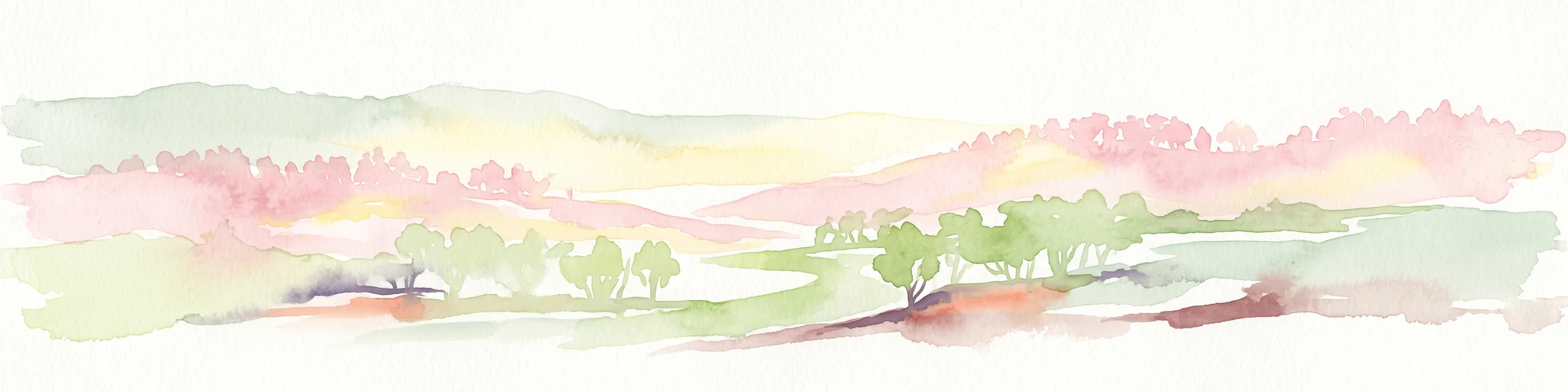
The landscape of Toorale National Park is defined by its position on the extensive floodplains of the Darling and Warrego river systems. The terrain is broadly flat with minimal topographic variation, broken only by occasional low ridges and two notable peaks that provide slight elevation above the surrounding floodplain. The Darling River flows through the park, creating a defined riparian corridor with distinct vegetation patterns along its banks. Historic water management practices implemented during the station era created a vast wetland ecosystem that remains a distinctive feature of the park, with infrastructure altering natural flow patterns to create extensive shallow water environments. Small ephemeral lakes known as gilgais occur in natural depressions and swampy areas, filling during periods of rainfall and providing important habitat for waterbirds and aquatic organisms. The combination of floodplain, wetland, riparian, and occasional elevated terrain creates a landscape of subtle but important ecological variation.
Toorale National Park ecosystems, habitats, and plant life
Toorale National Park supports remarkable botanical diversity with 27 distinct vegetation communities described and mapped within its boundaries. Inland floodplain shrublands form the dominant vegetation type, encompassing several specific communities including lignum shrublands, cane grass dominated swamps, eurah shrublands, riverine chenopod shrublands, and low chenopod shrublands. The low chenopod shrubland is the most extensive community, covering over 40 percent of the park and representing a highly variable vegetation type adapted to the challenging conditions of the arid inland floodplain. The banks and internal bends of the Darling River support tall open forest of river red gum, while outer bends and tributaries are lined by coolibah open woodland that extends onto the surrounding alluvial plains. Floodplain woodlands include communities characterized by black box, with areas of semi-permanent water supporting shallow freshwater sedgelands. The park also includes extensive belah, black oak, western rosewood, and leopardwood woodlands on dryland areas, while the stony tablelands support whitewood and western rosewood low woodland.
Toorale National Park wildlife and species highlights
The wildlife communities of Toorale National Park are remarkably diverse given the park's interior desert location. At least 28 species of mammal have been recorded within the combined national park and state conservation area, including the iconic red kangaroo, western grey kangaroo, and eastern grey kangaroo that traverse the open floodplains. Smaller mammals include the common dunnart and short-beaked echidna, while several bat species have been documented including Gould's wattled bat, lesser long-eared bat, inland broad-nosed bat, little broad-nosed bat, yellow-bellied sheath-tailed bat, and little pied bat. The reptile fauna is particularly diverse with at least 57 species recorded, including the Murray River turtle, various snakes such as the interior blind snake and ringed brown snake, goannas, geckos including Bynoe's gecko, and the Central bearded dragon. Seventeen amphibian species have been documented, with the broad-palm frog, desert froglet, and rough frog among the species present. The park also supports significant populations of introduced pest species including European foxes, rabbits, brown hares, feral cats, feral goats, feral pigs, and house mice, which present ongoing management challenges.
Toorale National Park conservation status and protection priorities
Toorale National Park plays a crucial role in protecting one of New South Wales most significant inland floodplain ecosystems. The conversion of the former pastoral station to protected area status has allowed natural processes to recover across extensive areas that had been modified by grazing and agricultural water management. The parks location at the Darling-Warrego junction positions it to protect riparian corridors that serve as vital pathways for wildlife movement through the arid interior. The diverse vegetation communities, from river red gum forests to extensive chenopod shrublands, represent examples of inland floodplain ecosystems that have been significantly reduced across their former range. The wetland system created through historic water management now provides valuable habitat for waterbirds and aquatic species, demonstrating how modified landscapes can continue to provide conservation value. The joint management arrangement with the Kurnu-Baakandji people brings Indigenous knowledge and perspectives to conservation planning, supporting holistic management of the landscape.
Toorale National Park cultural meaning and human context
Toorale National Park is situated within the traditional Country of the Kurnu-Baakandji people, who maintain deep cultural connections to the land and waterways of the Darling and Warrego rivers. The rivers have historically provided essential resources and spiritual significance for Aboriginal communities throughout the far-west region, with the confluence of these two major river systems holding particular importance. The Kurnu-Baakandji people are now formal partners in the management of the national park, participating in decision-making alongside the NSW National Parks and Wildlife Service through a co-management arrangement that represents contemporary recognition of Indigenous rights and knowledge in conservation. This partnership model acknowledges that effective conservation in this landscape requires understanding of both scientific ecological principles and the traditional environmental knowledge held by the traditional owners.
Top sights and standout views in Toorale National Park
The Darling River corridor passing through Toorale National Park provides the parks most distinctive geographic feature, with river red gum forests lining the banks and creating a verdant ribbon through the otherwise arid landscape. The extensive wetland ecosystem, created through historic water management practices, represents an unusual conservation value in the inland environment, supporting diverse waterbird populations and aquatic habitats. The remarkable botanical diversity, with 27 distinct vegetation communities including the widespread low chenopod shrublands and specialized riparian forests, demonstrates the ecological complexity of inland floodplain systems. The co-management arrangement with the Kurnu-Baakandji people exemplifies modern approaches to protected area management that integrate Indigenous knowledge and participation.
Best time to visit Toorale National Park
The best time to visit Toorale National Park depends on seasonal conditions and what aspects of the park visitors wish to experience. The far-west region experiences extreme summer heat and relatively mild winters, with most rainfall occurring during the cooler months. Visiting during autumn and winter months generally offers more comfortable temperatures for exploring the park, though summer thunderstorms can occasionally create dramatic wetland conditions when water flows through the floodplain system. Wildlife viewing may be most productive during cooler periods when animals are more active during daylight hours, though the wetland areas attract waterbirds particularly when water levels are suitable following rainfall.