Why Mutawintji National Park stands out
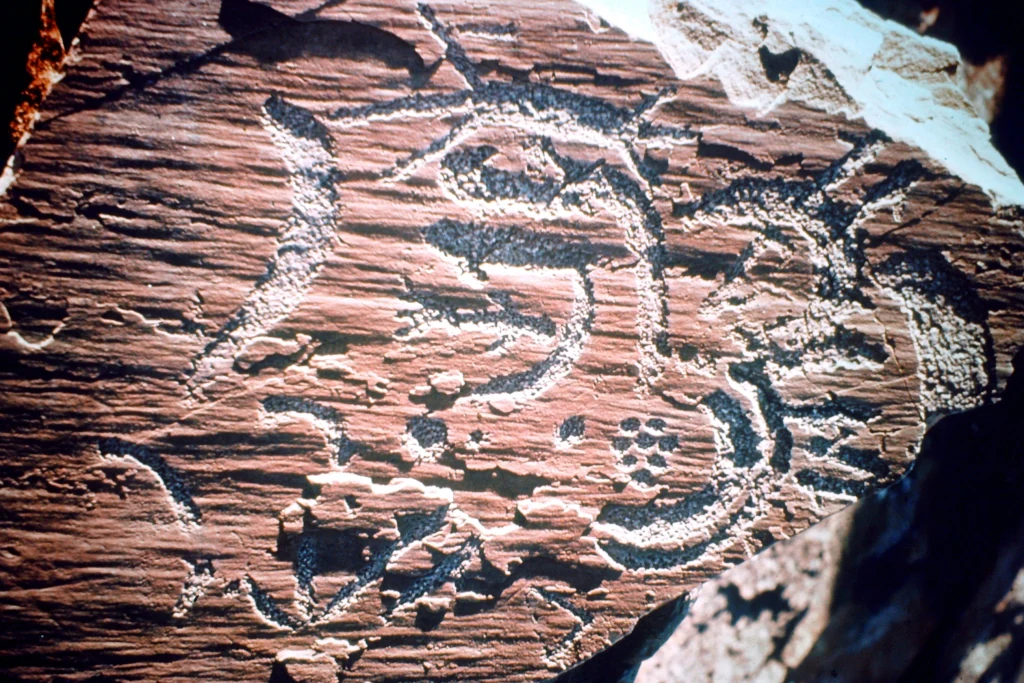
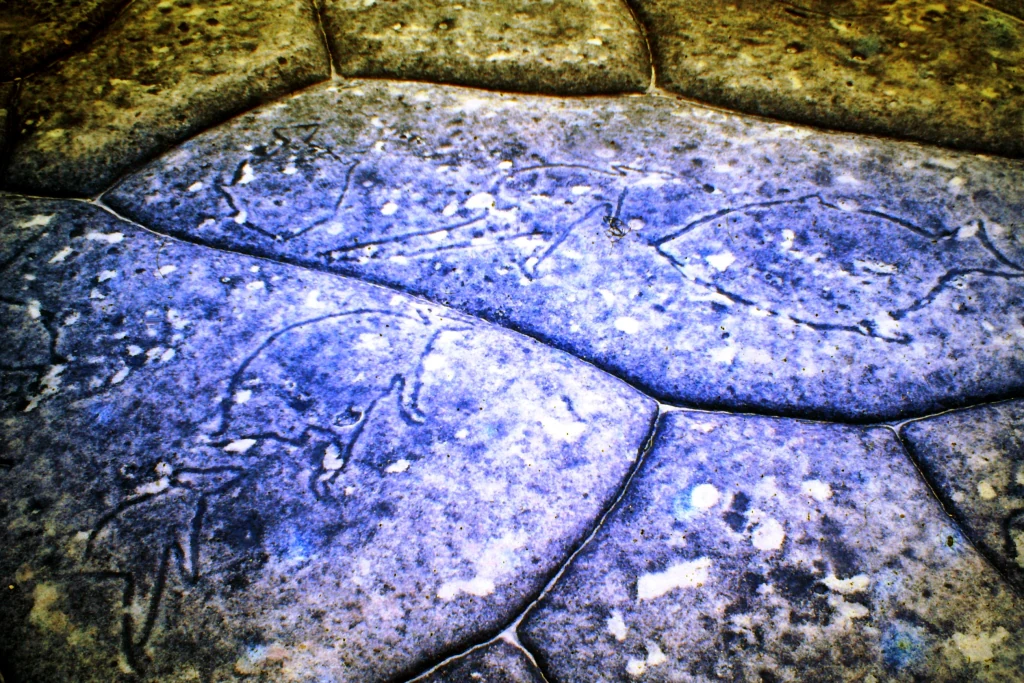
Mutawintji National Park is best known for its extraordinary Aboriginal rock art heritage, with galleries containing both painted and engraved works found throughout the caves and sandstone overhangs of the Byngnano Range. The park protects one of the most significant collections of Indigenous rock art in Australia, depicting animals, figures, and ancestral beings in a landscape that has been central to Aboriginal culture for thousands of years. The park is also notable for its successful conservation of the yellow-footed rock wallaby, which was saved from near-extinction in New South Wales through dedicated fencing and fox control programs in the Coturaundee Ranges.
Mutawintji National Park history and protected-area timeline
Mutawintji National Park was formally established on 4 September 1998, marking the culmination of years of negotiation between the NSW Government and Aboriginal stakeholders. Prior to establishment, the area existed under different designations including Mootwingee National Park. The 1998 establishment was accompanied by a groundbreaking agreement that transferred Mutawintji National Park, Mutawintji Historic Site, and Mutawintji Nature Reserve to the Mutawintji Local Aboriginal Land Council, holding the land on behalf of the Malyangapa, Wilyakali, Wanyuparlku, and Pantjikali peoples. The three sites were then leased back to NSW National Parks and Wildlife Service, creating a collaborative management framework through the Mutawintji Board of Management. This agreement was the first of its kind in New South Wales and represented a significant shift in protected area management toward acknowledging Aboriginal people's ongoing connection to Country. The park's history as a protected area follows decades of recognition of its exceptional cultural and natural values, with the rock art galleries having attracted scholarly and public attention since the mid-twentieth century.
Mutawintji National Park landscape and geographic character
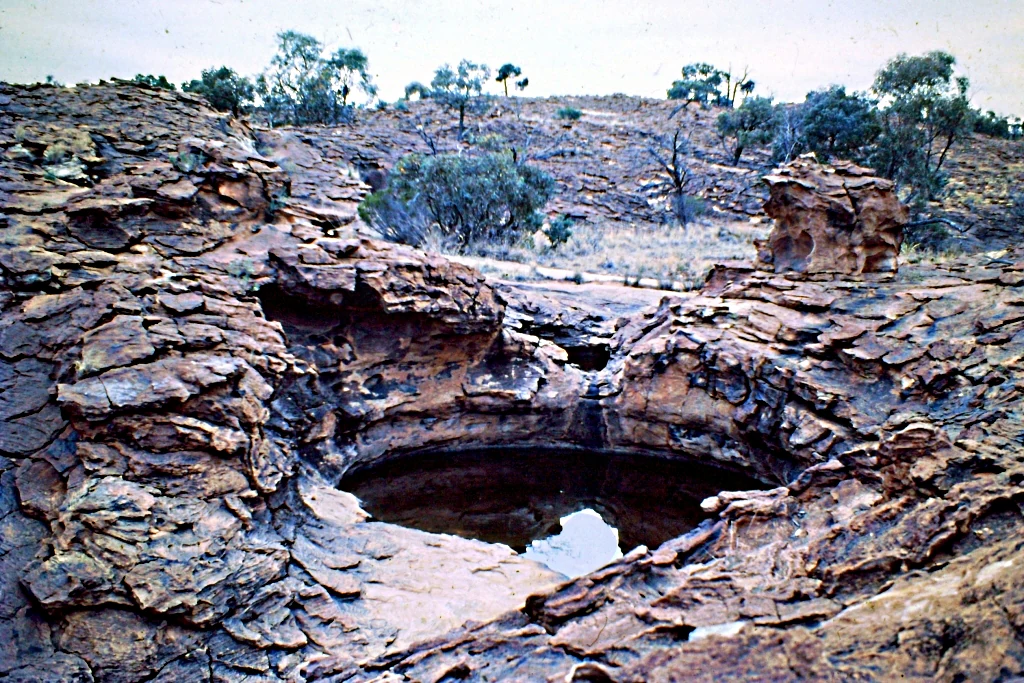
The landscape of Mutawintji National Park is defined by the Byngnano Range, a series of rugged sandstone ridges and peaks that rise abruptly from the surrounding semi-arid plains. The range is cloaked in mulga woodland, a characteristic vegetation of Australia's arid interior, while the creek beds and drainage lines support river red gum forests that provide verdant contrast to the otherwise dun-coloured terrain. Colourful gorges dissect the range, their walls displaying layered sedimentary formations in shades of red, orange, and cream. Rockpools and permanent waterholes occur in the creek systems, providing critical water sources for wildlife during the hot summer months. The Coturaundee Ranges form a western section of the park, offering additional ridgeline and gorge terrain. The overall visual character combines the classic Australian outback aesthetic with more intimate, lush riparian corridors along the creek systems.
Mutawintji National Park ecosystems, habitats, and plant life
The nature of Mutawintji reflects the semi-arid conditions of far west New South Wales, where rainfall is infrequent and temperatures range from extreme heat in summer to cool nights in winter. The mulga woodlands across the ridges support a range of adapted species, while the riparian zones along creeks provide more lush habitats. The park's most notable conservation achievement is the protection of the yellow-footed rock wallaby, which was on the brink of extinction in New South Wales prior to conservation interventions. In 1979, the Foundation for National Parks & Wildlife purchased and fenced 100 square kilometres in what is now the Coturaundee Ranges, enabling a successful fox eradication program that allowed the population to recover. The park supports a diversity of birdlife adapted to the arid environment, including wedge-tailed eagles soaring on thermal currents, peregrine falcons hunting from cliff perches, and flocks of budgerigars and zebra finches that move through the mulga in search of seeds.
Mutawintji National Park wildlife and species highlights
Mutawintji National Park supports a range of wildlife adapted to the semi-arid outback environment, with the yellow-footed rock wallaby standing as the park's most significant faunal resident. These distinctive marsupials inhabit the rocky outcrops and gorges throughout the park, their agility allowing them to navigate the steep terrain with ease. The 1979 conservation program that fenced 100 square kilometres in the Coturaundee Ranges proved decisive in saving the last remaining population of yellow-footed rock wallabies in New South Wales. Birdlife is diverse and conspicuous, with wedge-tailed eagles regularly spotted riding thermals above the ridges, peregrinefalcons nesting on cliff faces, and flocks of budgerigars and zebra finches moving through the woodland. Other species include little corellas, apostle birds, and magpies, with the creek systems providing habitat for various waterbirds during periods when water is available.
Mutawintji National Park conservation status and protection priorities
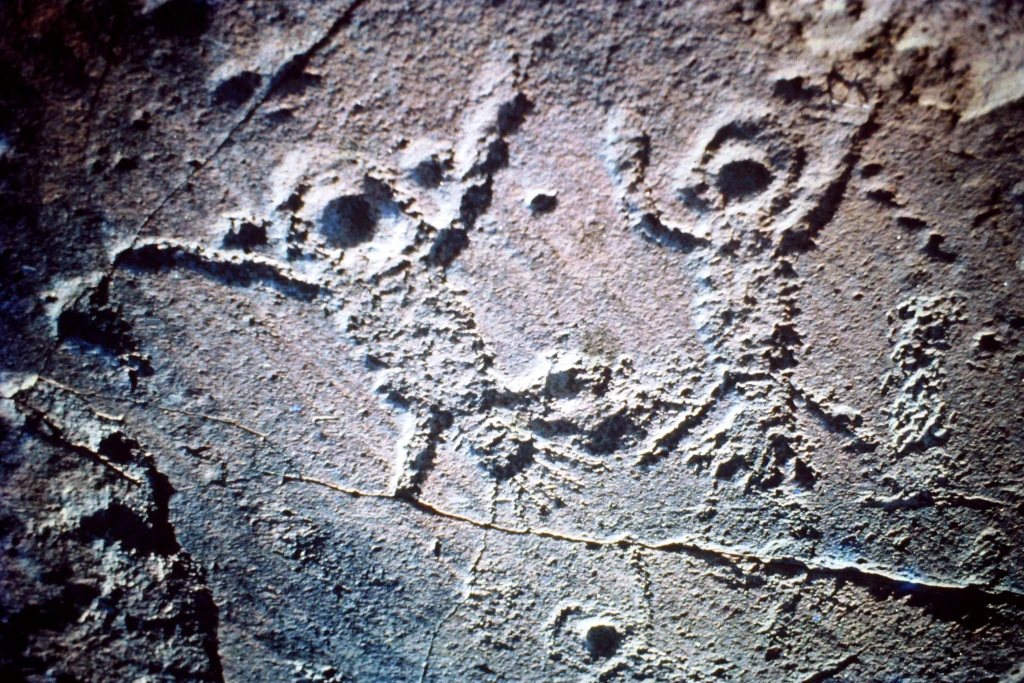
Mutawintji National Park represents significant conservation value in Australia's semi-arid interior, combining cultural heritage protection with natural ecosystem preservation. The park's conservation significance is magnified by its role as habitat for the yellow-footed rock wallaby, a species that was facing extinction in New South Wales before the dedicated conservation program in the Coturaundee Ranges. The 100-square-kilometre fenced area established in 1979, combined with ongoing fox control, has enabled this population to persist and recover. The protection of the mulga woodland ecosystems, creek systems, and gorge habitats maintains ecological processes in a landscape that faces pressures from introduced species, climate variability, and development pressures. The collaborative management model, with the Mutawintji Local Aboriginal Land Council holding the land on behalf of Traditional Owners, represents an important conservation approach that integrates Indigenous knowledge and ongoing connection to Country.
Mutawintji National Park cultural meaning and human context
Mutawintji holds profound cultural significance for the Malyangapa, Wilyakali, Wanyuparlku, and Pantjikali peoples, whose connection to this Country extends back tens of thousands of years. The park protects exceptional Aboriginal cultural heritage, most notably through the extensive rock art galleries of Mutawintji Historic Site, where both paintings and engravings depicting ancestral beings, animals, and ceremonial content are found throughout caves and overhangs. This rock art represents a living cultural tradition, with the landscape holding deep spiritual meaning for Aboriginal people. The 1998 management agreement was groundbreaking in acknowledging these ongoing connections, transferring the protected areas to the Mutawintji Local Aboriginal Land Council before lease arrangements saw NSW National Parks resume management under collaborative arrangements. This model was the first of its kind in New South Wales and has informed subsequent Indigenous land management agreements across the state and territory.
Top sights and standout views in Mutawintji National Park
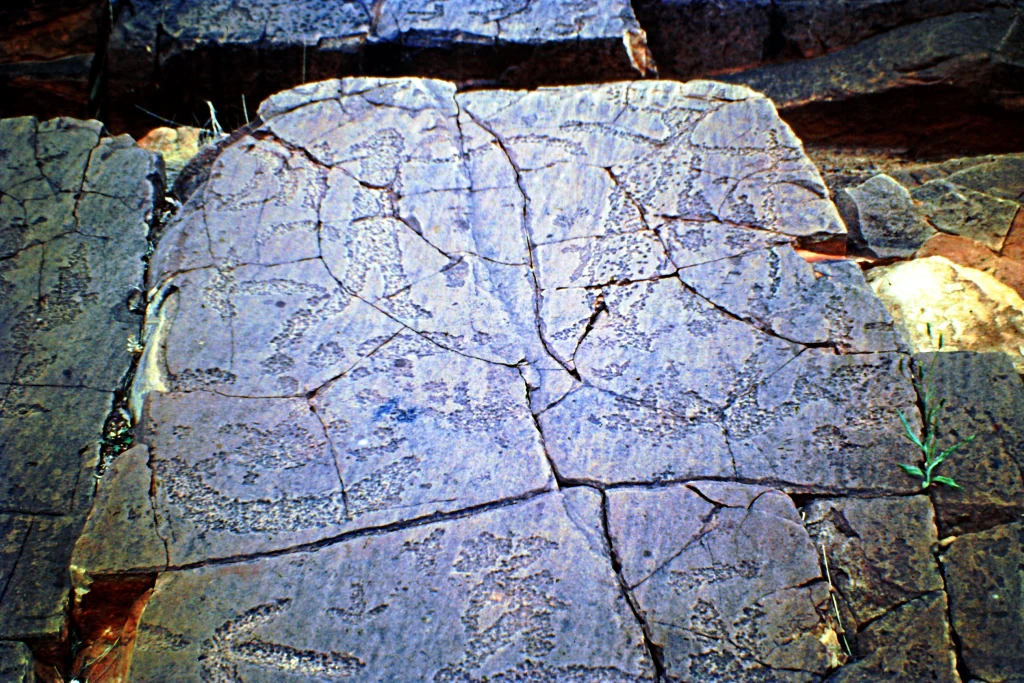
The spectacular Byngnano Range with its colourful gorges and sandstone cliffs offers outstanding landscape appeal, particularly along creek systems lined with river red gums. The rock art galleries found throughout the caves and overhangs represent one of Australia's most important collections of Indigenous art, with both painted and engraved works demonstrating extraordinary artistic and cultural heritage. The successful recovery of the yellow-footed rock wallaby through the Coturaundee conservation program stands as a notable achievement in Australian wildlife conservation. The collaborative management arrangement with the Mutawintji Local Aboriginal Land Council and the Mutawintji Board of Management represents an innovative approach to protected area governance that integrates Aboriginal values and knowledge.
Best time to visit Mutawintji National Park
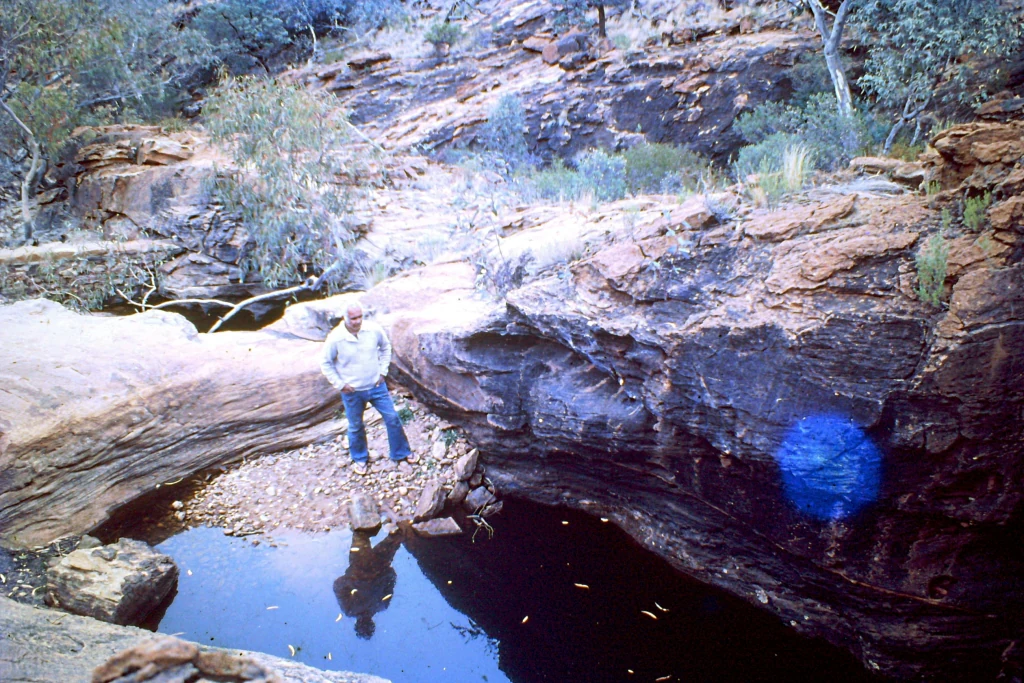
Mutawintji National Park can be visited throughout the year, though the cooler months from autumn through to spring offer the most comfortable conditions for exploring the landscape. Winter months (June to August) bring mild daytime temperatures ideal for bushwalking and sightseeing, though nights can be cold. Spring (September to November) brings pleasant weather and the possibility of seeing wildflowers in bloom across the mulga woodland. Summer (December to February) brings extreme heat in the outback, with temperatures regularly exceeding 40 degrees Celsius, making midday outdoor activity uncomfortable and potentially dangerous. The park's semi-arid climate means rainfall can occur at any time of year, though it is typically infrequent.