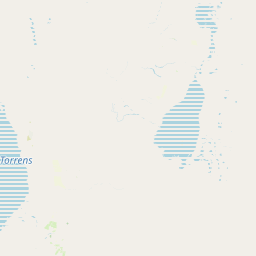
Why Lake Torrens National Park stands out
Lake Torrens National Park is best known for its extraordinary salt lake, one of the largest inland salt pans in Australia. The stark, minimalist landscape of the dry lake bed, stretching intermittently over 250 kilometres, creates a visually striking environment unlike typical desert scenery. The park's ecological significance is most pronounced when rare rainfall fills all or part of the lake, creating ephemeral wetland conditions that attract diverse birdlife. This combination of extreme aridity punctuated by dramatic water events defines the park's distinctive character and makes it a compelling destination for those seeking to experience Australia's remote outback wilderness.
Lake Torrens National Park history and protected-area timeline
Lake Torrens National Park was formally established on 19 December 1991, entering the system of protected areas in South Australia as a Category VI IUCN protected area. This classification acknowledges areas that protect ecosystems while allowing for sustainable use of natural resources. The creation of the park reflected growing environmental awareness in Australia during the late twentieth century regarding the importance of protecting unique inland ecosystems. The area had previously been part of broader pastoral lease holdings, and its transition to national park status marked a shift toward conservation-focused management. The park's inclusion in the Directory of Important Wetlands in Australia under the name Inland Saline Lakes further cemented its recognition as an ecologically significant site requiring protection.
Lake Torrens National Park landscape and geographic character
The landscape of Lake Torrens National Park is dominated by the massive salt lake basin that gives the park its name. The dry lake bed presents as a flat, white to pale grey expanse of crystallized salt, stretching approximately 250 kilometres in length when conditions permit. The surrounding terrain consists of arid gibber plains, characterised by stony desert surfaces with sparse vegetation. Rocky ridges and low hills occasionally punctuate the flat terrain, providing visual anchors and varied topography. The overall impression is one of extreme openness and stark minimalism, with the distant horizon visible in all directions across the nearly treeless landscape. When water does fill portions of the lake, the surface transforms into a shallow, reflective sheet that dramatically changes the character of the park and creates entirely different visual and ecological conditions.
Lake Torrens National Park ecosystems, habitats, and plant life
The ecological character of Lake Torrens National Park is defined by its extreme aridity punctuated by brief periods of wetland conditions. The lake represents a saline inland lake system, with the Directory of Important Wetlands in Australia listing it under the Inland Saline Lakes classification. Under typical dry conditions, the lakebed supports minimal vegetation, with salt-tolerant species confined to the margins where moisture persists slightly longer. The true ecological significance emerges when rainfall events fill the lake, creating temporary wetland conditions that support diverse birdlife. These events are rare, occurring perhaps once in 150 years according to some accounts, but when they do happen, the sudden presence of water in this otherwise arid landscape triggers significant biological activity and attracts bird species from considerable distances.
Lake Torrens National Park wildlife and species highlights
When water accumulates in Lake Torrens following rare storm events, the area becomes a significant temporary habitat for waterbirds and other wildlife. The sudden availability of wetland habitat in the otherwise dry interior attracts a variety of bird species that exploit the productive conditions while they persist. The brief wetland period supports feeding, breeding, and resting opportunities for migratory and resident bird species. Even during dry periods, the park's margins and surrounding gibber plains support adapted arid-zone fauna, though the biodiversity is necessarily limited by the harsh conditions. The contrast between the empty, salt-crusted lake and the activity when water is present exemplifies the dynamic nature of this ecosystem.
Lake Torrens National Park conservation status and protection priorities
Lake Torrens National Park is recognized as an important conservation area within South Australia's outback, with its listing in the Directory of Important Wetlands in Australia highlighting its ecological significance as a saline lake system. The IUCN Category VI classification reflects a management approach that balances conservation with sustainable use, appropriate for this large, sparsely vegetated landscape. The park protects an entire lake ecosystem that would otherwise face pressures from pastoral activities and mineral extraction. The temporary nature of the wetland conditions makes the site particularly significant, as it represents a rare habitat type in the arid interior that provides critical ecological function during brief periods of water availability.
Lake Torrens National Park cultural meaning and human context
Lake Torrens holds significance in the cultural landscape of the Flinders Ranges region, though detailed indigenous cultural information is not prominently featured in the available source material. The broader region of outback South Australia contains Aboriginal heritage sites and cultural connections to the landscape, and Lake Torrens as a prominent geographical feature would have held importance for local peoples. The park's proximity to Woomera, a town established in connection with the Woomera Rocket Range, reflects the modern human geography of this sparsely populated region.
Top sights and standout views in Lake Torrens National Park
Lake Torrens National Park offers a rare opportunity to experience one of Australia's most distinctive inland landscapes, where a vast salt lake dominates a flat, open wilderness that stretches to the horizon. The park is particularly remarkable for its extreme changes in character between dry and wet conditions, transforming from an empty saltpan to a wetland teeming with birdlife. Photography opportunities are exceptional, with the stark geometry of the lake bed, the play of light across salt surfaces, and the distant lines of gibber plains creating compelling compositions. The geological interest of the site, including the lake's formation and the ongoing processes that shape its surface, adds scientific depth to the visitor experience.
Best time to visit Lake Torrens National Park
The optimal time to visit Lake Torrens National Park depends on what experience visitors seek. The park can be visited year-round, though the summer months bring extreme heat that limits outdoor activity during daylight hours. Winter months offer more moderate temperatures but the landscape remains stark, with the dry salt lake presenting its typical appearance. Those hoping to witness the rare phenomenon of water filling the lake cannot plan with certainty, as these events occur unpredictably following significant rainfall in the catchment. Visitors interested in birdlife should be prepared for the possibility that water may not be present during their visit, making the experience a gamble on seasonal conditions.