

Mori Atlas logo
National parkMunga-Thirri National Park

Discover the vast parallel sand ridges and arid ecosystem of Queensland's largest national park.

Munga-Thirri National Park: Iconic Dune Landscape and Protected Desert in Queensland

Munga-Thirri National Park represents a significant protected landscape within Queensland, Australia, defined by its expansive and iconic sand dune system. This vast national park preserves one of the continent's most striking arid environments, characterized by towering red sand ridges stretching for hundreds of kilometres across the Simpson Desert. As the largest national park in Queensland, Munga-Thirri offers a unique opportunity to explore a fragile desert ecosystem, understand its mapped geography, and appreciate its profound natural and cultural heritage.

Desert landscapeSand dunesArid ecosystemsQueensland national parks Simpson DesertRed dunes

Munga-Thirri National Park

National park

Park overview

Structured park overview, official facts, and landscape profile for Munga-Thirri National Park

Munga-Thirri National Park park facts, protected area profile, and essential visitor context
Review the core facts for Munga-Thirri National Park, including designation, size, terrain, visitor scale, habitats, and operating context in one park-focused overview.

About Munga-Thirri National Park

Munga-Thirri National Park occupies a vast tract of the Simpson Desert in far-western Queensland, representing one of Australia's most significant desert protected areas. The park's defining feature is its extensive system of parallel sand dunes, which run predominantly north-south across the landscape. These dunes, formed over approximately 30,000 years, create a striking visual pattern of alternating red sand ridges and intervening valleys. The dunes can reach heights of 50 metres with spacings of around one kilometre between ridges, though most fall within the 10 to 35 metre range. Beyond the dunes, the park contains salt lakes and claypans that add ecological variety to the otherwise arid terrain. The park is situated in a region of extreme climatic conditions, where summer temperatures can reach 50 degrees Celsius and winter mornings may freeze. Rainfall is sparse and unpredictable, yet when significant rains occur, the dormant wildflowers across the desert floor transform into a remarkable display of colour. The park's isolation and harsh conditions have preserved both its natural values and cultural heritage, with the Wangkangurru people maintaining strong connections to Country through the ongoing stewardship of traditional owners.

Quick facts and research context for Munga-Thirri National Park

Munga-Thirri National Park spans 10,120 km² in far-western Queensland, making it the state's largest national park. The park protects the Simpson Desert's characteristic parallel sand dunes, with most dunes ranging between 10 and 35 metres in height though some reach 50 metres. The longest continuous sand ridge extends 200 kilometres through the park. The iconic 'Big Red' dune, located 35 kilometres west of Birdsville, is the largest in the park. The dunes began forming approximately 30,000 years ago. The park is part of the Simpson Desert Important Bird Area identified by BirdLife International, supporting habitat for the Eyrean grasswren and up to 180 bird species total.

Park context

Deeper park guide and search-rich context for Munga-Thirri National Park

Munga-Thirri National Park history, landscape, wildlife, and travel context
Explore Munga-Thirri National Park through its history, landscape character, ecosystems, wildlife, conservation priorities, cultural context, and seasonal travel timing in a structured park guide built for atlas discovery and search intent.

Why Munga-Thirri National Park stands out

Munga-Thirri is best known for its spectacular parallel sand dune system, one of the most iconic desert landscapes in Australia. The massive red dunes, particularly the famous 'Big Red' dune, define the park's visual identity and represent one of the country's most accessible and recognizable desert environments. The park also protects a remarkable arid ecosystem that supports surprising biodiversity, including the Eyrean grasswren and significant birdlife within the Simpson Desert Important Bird Area. The combination of extreme desert conditions, ancient dune formations, and the cultural connection to the Wangkangurru people makes this park a unique conservation area in the Australian protected area network.

Munga-Thirri National Park history and protected-area timeline

Aboriginal peoples, particularly the Wangkangurru people, have lived in the Simpson Desert region for generations, surviving in the arid conditions by digging deep soaks in the depressions between dunes. Some of these water sources were reportedly seven metres deep, demonstrating sophisticated understanding of desert hydrology. The first non-Aboriginal person to cross the central and southern Simpson Desert was David Lindsay in 1886, followed by Ted Colson who traversed the full length of the desert in 1936. The concept of establishing a national park in the Simpson Desert was first proposed in 1965 by the National Parks Association of Queensland, leading to the creation of Simpson Desert National Park in 1967. The park was significantly expanded northward in 1991, incorporating additional arid lands with more diverse vegetation, and was renamed Munga-Thirri to reflect the Indigenous heritage of the area. As of 2019, the park has been managed by Wangkangurru elder and traditional owner Don Rowlands OAM as Head Ranger, representing an important example of Indigenous leadership in Australian park management.

Munga-Thirri National Park landscape and geographic character

The landscape of Munga-Thirri National Park is dominated by the Simpson Desert's spectacular sand dune system, one of the most extensive and visually striking dune fields in Australia. The parallel dunes, predominantly oriented north-south, create a rhythmic landscape of red sand ridges separated by valley floors. The dunes vary considerably in height, with the tallest reaching approximately 50 metres while the majority fall between 10 and 35 metres. The spacing between dunes is typically around one kilometre, and the longest continuous sand ridge extends an remarkable 200 kilometres through the park. The sand itself derives its distinctive red-orange colour from iron oxide coatings on the quartz grains, a characteristic that defines the visual character of the Australian desert interior. Between the dunes lie claypans and occasional salt lakes, which retain moisture and provide important habitat pockets in an otherwise arid environment. The age of these dune formations, estimated at 30,000 years, represents a remarkably stable landscape that has evolved over millennia of climatic change.

Munga-Thirri National Park ecosystems, habitats, and plant life

Munga-Thirri National Park protects a diverse arid ecosystem that challenges assumptions about desert biological poverty. The park supports up to 180 bird species, making it surprisingly rich for an arid environment. The park falls within the Simpson Desert Important Bird Area, recognized by BirdLife International as significant habitat for the Eyrean grasswren, a species specifically adapted to the spinifex grass and dune environments of this region. The desert ecosystem is characterized by extreme adaptations among its flora and fauna, with plants and animals evolved to survive prolonged drought and extreme temperatures. When seasonal rains arrive, the dormant wildflower seeds across the dune valleys germinate rapidly, creating brief but spectacular displays of desert blooming. The vegetation across the park varies from sparse dune crests to more dense valley floors, with the 1991 northern expansion bringing additional arid land with more diverse vegetation types into the protected area.

Munga-Thirri National Park wildlife and species highlights

The wildlife of Munga-Thirri reflects the remarkable adaptations required to survive in one of Australia's harshest environments. Mammals resident in the park include the iconic red kangaroo, Australia's largest marsupial, which has evolved to tolerate extreme heat and limited water sources. The dingo, Australia's wild dog, hunts across the desert landscape as a top predator. The park also contains populations of feral camels, descendants of animals released or escaped during the camel-trading era of the 19th and early 20th centuries. Reptile diversity includes various gecko species, well-adapted to the nocturnal temperatures when surface activity is possible. The avifauna is particularly notable, with up to 180 species recorded, making the Simpson Desert an important bird area despite its arid character. The Eyrean grasswren depends on the spinifex grasslands growing along dune slopes, while other species utilise the scattered water sources in claypans and the margins of salt lakes.

Munga-Thirri National Park conservation status and protection priorities

Munga-Thirri National Park represents the largest protected area in Queensland and serves as a crucial conservation reservoir for the Simpson Desert ecosystem. The park's inclusion in the Simpson Desert Important Bird Area designation by BirdLife International recognises its international significance for bird conservation, particularly for species like the Eyrean grasswren that depend on specialized desert habitats. The 1991 northward expansion of the park added important arid lands featuring more diverse vegetation, enhancing the protected area's ecological representativeness. The park's management by Wangkangurru traditional owner Don Rowlands OAM exemplifies contemporary approaches to Indigenous involvement in conservation. However, the park faces challenges from increasing visitor numbers, which have begun depleting wood supplies that native fauna depend upon, leading to management encouragement of gas stoves over wood fires. The extreme isolation and harsh conditions that make this region difficult to access also serve as natural protection for its desert values.

Munga-Thirri National Park cultural meaning and human context

The Wangkangurru people have maintained continuous connection to the Simpson Desert region for generations, surviving in the arid environment through sophisticated water-capture techniques including digging deep soaks in dune depressions. These traditional knowledge systems demonstrate remarkable adaptation to desert living. The park's renaming from Simpson Desert National Park to Munga-Thirri in 1991 reflects formal recognition of this Indigenous heritage, with the name derived from the Wangkangurru language. The current Head Ranger, Don Rowlands OAM, is an elder of the Wangkangurru people and traditional owner, representing ongoing Indigenous leadership in park management that is particularly significant in the Australian conservation context. The desert region was crossed by non-Aboriginal explorers David Lindsay in 1886 and Ted Colson in 1936, but these explorations came millennia after Indigenous peoples had established deep cultural connections to this landscape.

Top sights and standout views in Munga-Thirri National Park

The massive red sand dunes of Munga-Thirri, particularly the iconic 'Big Red' dune 35 kilometres west of Birdsville, represent one of Australia's most recognizable desert landscapes. The park protects the longest sand ridge in the country at 200 kilometres, with dunes reaching 50 metres in height. The Simpson Desert Important Bird Area designation highlights the surprising biodiversity of this arid environment, supporting up to 180 bird species including the specialized Eyrean grasswren. The park's status as Queensland's largest national park at 10,120 square kilometres makes it a significant conservation area. The combination of extreme desert conditions, ancient dune formations dating back 30,000 years, and management by Wangkangurru traditional owners creates a uniquely Australian protected area that embodies both natural and cultural values.

Best time to visit Munga-Thirri National Park

The optimal time to visit Munga-Thirri National Park is during the cooler months from April to October, when daytime temperatures are more manageable and the risk of extreme heat is reduced. Summer temperatures in the Simpson Desert can soar to 50 degrees Celsius, making travel dangerous and uncomfortable. Winter mornings can be freezing, though daytime temperatures are generally pleasant. The winter dry season also provides more reliable access, as summer rains can cause flooding that leads to park closures. Visitors should note that the park has no formed roads and requires four-wheel-drive vehicles, with the QAA Line serving as the main access corridor. Travelling in a two-vehicle party with long-distance communication equipment is strongly encouraged given the park's remote location and limited services.
Park location guide

Geography guide, regional context, and park location map for Munga-Thirri National Park

Munga-Thirri National Park park geography, regions, and map view in Australia
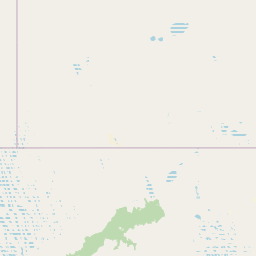
Understand where Munga-Thirri National Park sits in Australia through a broader geographic reading of the surrounding landscape, nearby location context, and its mapped position within the national park landscape.

How Munga-Thirri National Park fits into Australia

Australia is a constitutional monarchy and federal parliamentary democracy comprising six states and ten territories. With a population of nearly 28 million, it is one of the world's most urbanised countries, with most people concentrated on the eastern seaboard. The country has a high Human Development Index and is known for its cultural diversity, ancient Aboriginal heritage, and unique wildlife.

Wider geography shaping Munga-Thirri National Park in Australia

Australia occupies the entire Australian continent, the island of Tasmania, and numerous smaller islands. It is the world's flattest and driest inhabited continent, featuring vast deserts in the interior (the Outback), tropical rainforests along the eastern coast, and a coastline bordering the Indian and Pacific Oceans.

Map view of Munga-Thirri National Park

Use this park location map to pinpoint Munga-Thirri National Park in Australia, understand its exact geographic position, and read its mapped placement within the surrounding landscape more clearly.

Pigeon | © OpenStreetMap contributors

Location context for Munga-Thirri National Park

Queensland
Park atlas

Trace the unique desert geography and protected landscapes near Munga-Thirri National Park, exploring Queensland's vast arid interior.

Explore Other National Parks and Protected Areas Around Munga-Thirri National Park
After exploring Munga-Thirri National Park, continue your atlas discovery by browsing other national parks and protected areas across Queensland's expansive Simpson Desert region. This context allows for direct comparison of diverse arid ecosystems, vast dune formations, and unique conservation efforts within similar remote desert landscapes.
National parkQueensland

Lochern National Park: Queensland's Outback River Channel Protected Landscape

Mapped boundaries and unique riparian ecosystems in Central West Queensland.

Lochern National Park protects a crucial segment of the Thomson River system, presenting an unexpected wetland environment within the arid interior of Queensland. This national park is celebrated for its network of channels and lagoons, which offer vital refuges for wildlife, particularly waterbirds, in a region where surface water is otherwise scarce. The landscape is characterized by the interplay between these riverine features and the dominant mulga and gidgee woodlands, creating a visually distinctive and ecologically important protected area.

Area
239.93 km²
Established
1994
IUCN
II
National parkNorthern Territory

Tjoritja / West MacDonnell National Park: National Park Atlas and Protected Landscape

Explore the dramatic MacDonnell Ranges terrain and geography.

Delve into the protected geography of Tjoritja / West MacDonnell National Park, a significant national park in Australia's Northern Territory. This landscape features striking mountain formations, deep gorges like Standley Chasm and Glen Helen, and is intrinsically linked to the famous Larapinta Trail and the Arrernte people's cultural heritage. Understanding its mapped boundaries and regional context provides essential insight into this iconic Central Australian protected area.

Area
2,568.61 km²
Established
1992
IUCN
II
Relief
Mountain
National parkSouth Australia

Lake Torrens National Park: Explore South Australia's Remarkable Inland Salt Lake Geography

A unique protected landscape of arid plains and expansive salt flats.

Lake Torrens National Park offers an unparalleled exploration of Australia's remote outback, centered around a vast, ancient salt lake basin. This national park in South Australia provides a canvas of stark, minimalist terrain, featuring shimmering saltpans, arid gibber plains, and rocky outcrops. Understand the park's unique geographic identity, its ecological significance as a temporary wetland habitat, and its dramatic visual appeal for landscape photography and geological interest. It is a key protected area showcasing the extreme environment of Australia's interior.

Area
5,676.68 km²
Established
1991
IUCN
VI
National parkQueensland

Lake Bindegolly National Park: A Mapped Protected Wetland Sanctuary in Queensland

Discover its rare flora and vital bird habitat in the Mulga Lands.

Lake Bindegolly National Park is a significant protected natural area situated in the Mulga Lands of Queensland, Australia. This national park preserves a unique three-lake system, essential for rare plant conservation and recognized internationally as an Important Bird Area. The transient wetlands within the park attract a remarkable diversity of bird species, especially waterfowl, making it a key destination for understanding inland Australian geography and the importance of protected landscapes.

Area
140 km²
Established
1991
IUCN
II
Relief
Lowland
National parkNorthern Territory

Watarrka National Park: Central Australian National Park with Iconic Canyon Landscapes

Explore its mapped terrain and protected area geography.

Watarrka National Park, located in the Northern Territory, is distinguished by the dramatic sandstone formations of Kings Canyon. This protected area showcases a unique arid zone biodiversity, including rare plant species and ancient cycad forests. Its geological significance and Aboriginal heritage make it a compelling point of study for understanding Central Australia's natural and cultural landscapes through structured atlas exploration.

Area
1,051.85 km²
Established
1989
IUCN
II
National parkQueensland

Mariala National Park: Queensland's Premier Mulga Lands Protected Landscape

Explore mapped terrain and regional geography.

Mariala National Park stands as a landmark designation, preserving the extensive mulga woodlands and semi-arid plains characteristic of Queensland's Mulga Lands bioregion. As the first protected area of its kind, it offers a profound insight into the ecological distinctiveness of inland Australia. This park provides a unique opportunity to explore a largely unmodified landscape, understand its role in conserving rare bird habitats, and appreciate its geographic significance within the broader Queensland atlas.

Area
269.2 km²
Established
1992
IUCN
II
National parkQueensland

Currawinya National Park: Queensland's Ramsar Wetland and Mulga Lands National Park

Discover its arid landscape and protected area identity.

Currawinya National Park is a major protected area in Queensland, Australia, recognized for its significant Ramsar-listed wetland system, including Lakes Numalla and Wyara. These ephemeral lakes are vital drought refuges for waterbirds across inland Australia and represent a unique ecological feature within the park's expansive mulga lands landscape. The park also champions conservation initiatives, notably a large predator-exclusion enclosure for the greater bilby, showcasing its commitment to arid-zone biodiversity and landscape preservation.

Area
1,513 km²
Established
1991
IUCN
II
National parkNew South Wales

Mutawintji National Park: New South Wales Protected Area for Atlas Exploration

Mapping rugged outback terrain, gorges, and ancient rock art.

Mutawintji National Park in New South Wales offers a profound exploration of Australia's outback geography, significant Indigenous heritage, and protected landscapes. Discover the park's unique terrain, defined by the Byngnano Range, vibrant gorges, and river red gum-lined creeks, all rich with ancient Aboriginal rock art. This national park is a prime example of mapped protected area discovery, highlighting both natural beauty and critical conservation achievements.

Area
689.12 km²
Established
1998
IUCN
II

Common questions about visiting, size, designation, and location context for Munga-Thirri National Park

Munga-Thirri National Park FAQs for park facts, access, geography, and protected area context
Find quick answers about Munga-Thirri National Park, including protected-area facts, park geography, trail and visitor context, and how the park fits into its surrounding country and regional landscape.
MoriAtlas Explorer

Continue Your Protected Areas Search Across the Global Atlas

Deepen your exploration by continuing the structured search for national parks and protected areas worldwide. Utilize the comprehensive filtering capabilities to compare different conservation landscapes and refine your understanding of global park geography. Discover more about the distribution and characteristics of protected natural areas.

Global natural geography