Why Murray-Sunset National Park stands out
Murray-Sunset National Park is best known for its remarkable Pink Lakes, a series of salt lakes that develop a distinctive pink coloration in late summer due to carotenoid pigments produced by the alga Dunaliella salina. The park is also renowned for its extensive mallee woodlands, which represent one of Victoria's most intact semi-arid ecosystems. The park's Important Bird Area status highlights its significance for threatened mallee bird species including the malleefowl, black-eared miner, and mallee emu-wren. The combination of pink salt lakes, ancient desert landscapes, and remarkable bird diversity makes this park a unique conservation asset in southeastern Australia.
Murray-Sunset National Park history and protected-area timeline
The Murray-Sunset National Park was proclaimed in 1991, representing the culmination of efforts to protect Victoria's northwestern mallee lands. The park was significantly expanded in 1999 to incorporate the former Pink Lakes State Park, unifying the salt lake system within the protected area. Prior to protection, the Pink Lakes area supported a substantial salt industry from 1916 to 1975, with up to ten thousand tons of salt harvested annually from Lake Crosbie, Lake Becking, and Lake Kenyon and railed to the nearby town of Linga. This industrial period left lasting scars on the landscape, though the wetlands have largely recovered in the decades since operations ceased. The Nowingi railway line, now defunct, once terminated at a gypsum mine hopper on the Raak Plain, leaving behind historical relics including Shearer's Quarters and Mopoke Hut, constructed as grazier accommodation in the 1960s. For management purposes, the park is administered as part of the Victorian Mallee Parks network, alongside Hattah-Kulkyne National Park, Wyperfeld National Park, Lake Albacutya Park, and Murray-Kulkyne Park.
Murray-Sunset National Park landscape and geographic character
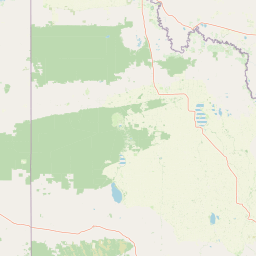
The landscape of Murray-Sunset National Park presents a striking tableau of Australia's semi-arid interior. The park encompasses an intricate mosaic of environments including sand dunes, gypsum plains, salt lakes, and dense mallee woodlands. The Raak Plain in the western portion of the park is characterized by its gypsum-rich soils and relatively flat terrain, while prominent orange sand dunes rise dramatically from the surrounding plains in the central regions. The Pink Lakes form a chain of medium-sized salt lakes that represent terminal basins in the regional drainage system. These lakes fluctuate dramatically with rainfall, expanding during wet periods and contracting to crystalline salt pans during dry phases. The distinctive pink coloration appears in late summer when the halophilic alga Dunaliella salina produces beta-carotene as a stress response to increasing salinity, creating vivid pink to red waters that have become one of the park's signature landscapes.
Murray-Sunset National Park ecosystems, habitats, and plant life
The park protects one of Victoria's most significant mallee ecosystems, characterized by dense stands of multi-stemmed eucalypts including blue-leaved mallee and other mallee species adapted to the region's low rainfall and periodic fire. Over 600 plant species have been recorded within the park's boundaries, representing a remarkable diversity for such an arid environment. The vegetation pattern shifts across the park from tall mallee woodland on the deeper sands to open shrubland on the heavier soils and specialized halophytic communities surrounding the salt lakes. Spring brings spectacular wildflower displays with spider orchids, azure sun orchids, desert heath-myrtles, and poached-egg daisies carpeting the woodland floors. The understory features characteristic mallee shrubs including silvery emu-bush, saltbush, and porcupine grass, while the buloke, a distinctive she-oak, provides vertical structure in some areas.
Murray-Sunset National Park wildlife and species highlights
Murray-Sunset National Park supports remarkable wildlife diversity with over 300 bird species recorded, many dependent on the park's intact mallee woodlands. The park lies within the Murray-Sunset, Hattah and Annuello Important Bird Area, recognized internationally for its population of threatened mallee bird species. The malleefowl, a large ground-dwelling bird that builds remarkable mound nests for incubation, persists in the park's mallee woodlands despite declining elsewhere across its range. The black-eared miner and mallee emu-wren represent two additional species of conservation concern that rely on the park's protected mallee habitat. Mammals are represented by healthy populations of emus, western grey kangaroos, and red kangaroos that move through the park's woodlands and open areas. Wedge-tailed eagles soar overhead, utilizing the park's open spaces for hunting. The salt lakes provide seasonal habitat for waterbirds when water is present, though the ephemeral nature of these wetlands means bird populations fluctuate with rainfall patterns.
Murray-Sunset National Park conservation status and protection priorities
Murray-Sunset National Park plays a critical role in protecting Victoria's mallee ecosystems, representing one of the largest and most intact remaining tracts of this once-extensive habitat type. The park's designation as an Important Bird Area by BirdLife International acknowledges its global significance for threatened bird species dependent on mallee woodlands. The protection of the Pink Lakes system ensures the preservation of specialized salt lake ecosystems and the unique halophytic communities they support. The park forms part of a network of protected areas in the Victorian Mallee that collectively provide connectivity for wildlife across a landscape that has been extensively cleared for agriculture elsewhere. Fire management is a critical consideration in the park, as mallee ecosystems have evolved with fire and require appropriate burning regimes to maintain habitat diversity while protecting life and property.
Murray-Sunset National Park cultural meaning and human context
The Murray-Sunset National Park landscape has been shaped by thousands of years of Indigenous interaction, though detailed historical records of Aboriginal use of the area are limited. The more recent European history of the region is marked by pastoral occupation and the industrial extraction of salt from the Pink Lakes system. The now-defunct salt industry operated from 1916 to 1975, representing a significant chapter in the region's economic development and leaving physical remnants that now form part of the park's heritage fabric. The railways built to serve the salt and gypsum mining operations have long since closed, but their trace remains visible in the landscape. The park's remote character has limited development pressure, preserving both ecological values and a sense of wilderness that contrasts sharply with the agricultural landscapes surrounding the protected area.
Top sights and standout views in Murray-Sunset National Park
The Pink Lakes remain the park's most iconic feature, their pink coloration in late summer creating a photographer's paradise against the backdrop of mallee woodlands. The three-day Sunset walking track offers visitors an immersive experience of the park's varied terrain, while shorter circuits around Lake Crosbie and Lake Kenyon provide accessible encounters with the salt lake environment. The park's birdlife, particularly the possibility of observing malleefowl, black-eared miners, and mallee emu-wrens, draws birdwatchers from across Australia. The sense of remoteness and vast scale, so close to Melbourne, distinguishes this park as a wilderness experience unlike any other in Victoria.
Best time to visit Murray-Sunset National Park
The optimal time to visit Murray-Sunset National Park is during the cooler months from April to October, when daytime temperatures are more comfortable for bushwalking and wildlife activity is higher. Spring, from September to November, brings wildflower displays and pleasant weather, though conditions can become quite warm by late October. Late summer, from February to March, offers the best chance to see the Pink Lakes at their most colorful as the beta-carotene pigmentation intensifies in the alga, though temperatures can be extreme. Summer storms can dramatically transform the landscape, filling the salt lakes and creating temporary wetlands that attract abundant waterbirds. Visitors should be aware that groundwater is scarce within the park, and hikers generally rely on water tanks maintained by rangers for drinking water.