Why Lower Goulburn National Park stands out
The park is most renowned for its spectacular stands of Eucalyptus camaldulensis, commonly known as river red gums, which form a distinctive canopy along much of the river's course through the park. These iconic Australian trees create a characteristic landscape of towering, gnarled specimens that frame the waterway, their roots extending into the riverbanks and their canopies forming a continuous corridor overhead. The river red gum woodlands represent one of the most recognizable Australian riparian forest types and are central to the park's identity and ecological significance. Beyond the arboreal character, the park is noted for protecting a functioning river ecosystem in a largely cleared agricultural landscape, providing refuge for wildlife and maintaining natural processes along a significant portion of the lower Goulburn River.
Lower Goulburn National Park history and protected-area timeline
Lower Goulburn National Park was officially declared in June 2010, representing the culmination of extended advocacy and planning efforts to protect the lower Goulburn River corridor. The park's creation responded to concerns about the cumulative impacts of agricultural development, water extraction, and infrastructure along the river system. Prior to national park designation, sections of the river corridor existed in various other tenure arrangements, with the formal protected area status providing stronger recognition and management focus. The establishment of the park aligned with broader Victorian protected area planning that sought to fill gaps in the conservation estate, particularly in productive regions where little native vegetation remained. The decision to create the park reflected input from conservation organizations, local communities, and government agencies responsible for land and water management. The park joined Victoria's network of national parks managed by Parks Victoria, bringing professional resources and consistent management approaches to the protection of this river corridor.
Lower Goulburn National Park landscape and geographic character
The landscape of Lower Goulburn National Park is defined by its linear river corridor, with the Goulburn River serving as the central landscape feature around which the protected area is organized. The river follows a generally meandering course through the park, flanked by banks that support dense stands of river red gum. The riparian zone features trees of varying ages, with mature specimens displaying the characteristic twisted forms and shedding bark typical of old-growth eucalyptus. Between the river and the surrounding farmland, the park preserves a transition zone of woodland and grassy groundcover. The flat to gently undulating terrain reflects the river's low gradient as it approaches its confluence with the Murray. Water pools, shallower riffles, and overhanging vegetation create visual variety along the watercourse, while the canopy of the red gums provides a sense of enclosure and enclosure that distinguishes the river corridor from the more open agricultural lands beyond the park boundaries.
Lower Goulburn National Park ecosystems, habitats, and plant life
The riparian environment of Lower Goulburn National Park supports a characteristic assemblage of plant species adapted to the cyclical patterns of flooding, drought, and seasonal change that define Australian river systems. The dominant river red gum woodland forms a nearly continuous canopy along the protected section, with understory vegetation varying according to proximity to water, soil moisture, and disturbance history. The park's position along a major river corridor means it functions as a wildlife corridor through agricultural land, connecting habitats and allowing animal movement between larger blocks of native vegetation. The river itself supports aquatic ecosystems including fish, invertebrates, and waterfowl. The protected corridor preserves ecological processes such as nutrient cycling, seed dispersal by water and wildlife, and the natural flow patterns that sustain riparian health. Seasonal variations in water levels, leaf litter fall, and flowering periods create temporal diversity in the park's natural character throughout the year.
Lower Goulburn National Park wildlife and species highlights
Lower Goulburn National Park provides habitat for wildlife adapted to riverine environments and woodland habitats in southeastern Australia. Birdlife includes species typical of riparian and woodland habitats, with waterfowl utilizing the river and its pools while smaller birds move through the canopy and understory. The river red gum woodlands shelter arboreal marsupials, and the structural complexity of the forest provides nesting and foraging resources for various species. Fish species inhabiting the Goulburn River include native species adapted to variable flow conditions. The corridor configuration of the park supports wildlife movement through an otherwise cleared agricultural landscape, with the protected river zone serving as a refugium for species that require continuous habitat connectivity. Reptiles and amphibians occupy niches within the riparian zone, utilizing the water, groundcover, and tree hollows that the environment provides.
Lower Goulburn National Park conservation status and protection priorities
The establishment of Lower Goulburn National Park addressed a conservation gap in Victoria's protected area network, preserving riparian values in a region where extensive agricultural development had transformed much of the original landscape. The park protects significant remnants of river red gum woodland, a vegetation type that has been extensively cleared or modified across its former range in southeastern Australia. By preserving a functioning river corridor, the park maintains ecological processes that depend on connectivity between aquatic and terrestrial habitats, including nutrient transfer, wildlife movement, and natural flow regimes. The protected area contributes to broader catchment health by maintaining vegetated banks that filter runoff, stabilize sediments, and provide shade that regulates water temperature. Management focuses on maintaining and enhancing the park's natural values while providing sustainable recreational opportunities compatible with conservation objectives.
Lower Goulburn National Park cultural meaning and human context
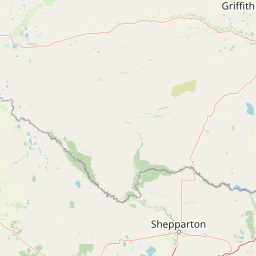
The Goulburn River holds significance in the cultural landscape of northern Victoria, with the river corridor having been utilized by Aboriginal peoples for thousands of years prior to European settlement. The lower Goulburn region contains evidence of indigenous occupation and use, with the river providing resources and serving as a travel corridor through the landscape. European settlement of the Goulburn Valley brought agricultural development that progressively altered the river corridor, with clearing for cropping and grazing, water extraction for irrigation, and construction of infrastructure such as weirs and levees. The townships of Shepparton and Echuca, located at either end of the park, reflect the long history of human settlement and use of the Goulburn River system, with Echuca historically serving as a major river port. The establishment of the national park represents a contemporary recognition of the river's natural values alongside its cultural and economic significance.
Top sights and standout views in Lower Goulburn National Park
The river red gum canopy that arches over the Goulburn River forms the most distinctive visual feature of the park, creating a cathedral-like environment along the waterway. The park provides a relatively accessible natural environment in a region where wild places are otherwise scarce, with proximity to Shepparton and Echuca making it a convenient escape for residents and visitors. The linear design of the park, following the river corridor, offers a distinctive exploration experience along the water rather than through interior terrain. The contrast between the natural river corridor and the surrounding productive farmland underscores the conservation value of preserving such habitats within modified landscapes. The park's position near where the Goulburn joins the Murray connects it to one of Australia's most significant river systems, extending the ecological influence of the protected area beyond its boundaries.
Best time to visit Lower Goulburn National Park
The park can be visited throughout the year, though seasonal conditions influence the experience and accessibility. Summer months bring warmer temperatures and lower river levels, offering different conditions for river-based activities and wildlife observation. Winter typically sees higher water flows and cooler conditions, with the landscape displaying different character as seasonal patterns shift. The river red gum canopy provides year-round visual appeal, though autumn may bring color variation as some trees respond to seasonal cues. Visitors interested in birdlife and wildlife observation may find different opportunities across seasons as species activity patterns change. Checking current conditions and park guidelines before visiting helps ensure a safe and enjoyable experience.