

Mori Atlas logo
National parkTaunton National Park

Discover the unique brigalow landscapes and mapped geography of this vital protected area.

Taunton National Park: A Critical National Park for Endangered Species in Queensland

Taunton National Park, situated in Central Queensland, Australia, is a globally significant scientific nature reserve. Established to protect the critically endangered bridled nail-tail wallaby, it preserves unique brigalow vegetation communities and semi-arid woodlands on cracking clay soils. This page offers detailed insights into its mapped boundaries, regional geographic context within Queensland, and the specific landscape features that define this essential conservation area.

Scientific Nature ReserveBrigalow BeltEndangered Species RefugeCentral QueenslandBridled Nail-tail WallabySemi-arid Woodland

Taunton National Park

National park

Park overview

Structured park overview, official facts, and landscape profile for Taunton National Park

Taunton National Park park facts, protected area profile, and essential visitor context
Review the core facts for Taunton National Park, including designation, size, terrain, visitor scale, habitats, and operating context in one park-focused overview.

About Taunton National Park

Taunton National Park represents one of Queensland's most significant conservation reserves due to its unique role as the last sanctuary for the bridled nail-tail wallaby. Located in the Northern Brigalow Belt bioregion of Central Queensland, the park encompasses representative examples of ecosystem types that have been extensively cleared for agriculture throughout the twentieth century. The Brigalow Development Scheme of the 1950s and 1960s accelerated widespread vegetation clearance for pastoral development, converting much of the native brigalow scrub to buffel grass pastures for grazing sheep and cattle. This agricultural expansion dramatically reduced remnant vegetation and fragmented native habitats throughout the region. Prior to the reserve's establishment, approximately 17 percent of the park's vegetation had been cleared, leaving the majority of the area intact and supporting the rediscovered wallaby population. The park now preserves twelve different regional ecosystem types, several of which are classified as endangered including brigalow shrubland communities with belah or dawson gum, and poplar box woodlands. Management by Queensland Parks and Wildlife Service focuses on predator control, invasive species management, and habitat preservation to ensure the continued survival of the wallaby and the broader biodiversity the reserve supports.

Quick facts and research context for Taunton National Park

Taunton National Park occupies 116 square kilometres of semi-arid Central Queensland terrain within the Northern Brigalow Belt bioregion. The park's landscape comprises cracking clay soils in the north with brigalow vegetation, while the western region features texture-contrast soils supporting eucalypt communities. Approximately 30 percent of the reserve consists of dense brigalow acacia forest, while 39 percent is covered by grassy eucalypt woodlands dominated by poplar box. The park contains 15 dams and several creeks providing water resources for wildlife. Managed by the Queensland Parks and Wildlife Service in partnership with the Kangoulu and Ghungalu Indigenous peoples, the reserve serves as a critical conservation area representing 12 regional ecosystem types, many of which are endangered due to widespread agricultural clearance throughout the broader Brigalow Belt.

Park context

Deeper park guide and search-rich context for Taunton National Park

Taunton National Park history, landscape, wildlife, and travel context
Explore Taunton National Park through its history, landscape character, ecosystems, wildlife, conservation priorities, cultural context, and seasonal travel timing in a structured park guide built for atlas discovery and search intent.

Why Taunton National Park stands out

Taunton National Park is uniquely renowned as the sole remaining habitat for the wild population of the bridled nail-tail wallaby, Australia's most endangered macropod species. This small wallaby, now restricted to less than one percent of its original range that once extended from the Murray River in New South Wales to Charters Towers in northern Queensland, exists only within this protected reserve. The park's establishment in 1979 and subsequent expansion in 1984 was driven entirely by the need to ensure the survival of this critically endangered species. Beyond its singular importance for the bridled nail-tail wallaby, the reserve protects significant biodiversity including 190 plant species, over 70 bird species, various macropods such as black-striped wallabies and eastern grey kangaroos, and notable reptiles including the vulnerable brigalow scaly-foot lizard.

Taunton National Park history and protected-area timeline

The establishment of Taunton National Park stems from a remarkable rediscovery in 1973 when a fencing contractor sighted a bridled nail-tail wallaby on a cattle property named Taunton. The species had been presumed extinct since the 1930s following significant population declines throughout the early 1900s, likely caused by a combination of predation, drought, habitat fragmentation from vegetation clearance, and competition with domestic sheep. After the sighting, the Queensland Government purchased the Taunton property in 1979 and declared it a scientific reserve dedicated solely to protecting the endangered wallaby. In 1984, an adjacent cattle property called Red Hill was added to the reserve, expanding its area significantly. The combined property was officially designated as Taunton National Park in 1986. The surrounding region had undergone extensive agricultural development during the mid-twentieth century, with the Brigalow Development Scheme providing incentives for widespread vegetation clearance to establish pastoral grasslands. Buffel grass was widely sown across cleared areas and became irreversibly established, fundamentally altering the ecological character of the broader landscape. This context makes the reserve's preservation of relatively intact vegetation communities even more significant for biodiversity conservation.

Taunton National Park landscape and geographic character

The terrain of Taunton National Park features a relatively even topography with a gradual slope from the north and western areas toward the eastern and southern boundaries. The landscape is dominated by two distinct soil types: cracking clay soils supporting brigalow vegetation in the northern regions, and texture-contrast soils hosting eucalypt communities in the western areas. The park lies within the Northern Brigalow Belt, a tropical savannah region named for the predominant brigalow tree species. Open grassy eucalypt woodlands dominate the park's vegetation structure, interspersed with transitional zones and areas of regenerating acacia shrublands and forests. Dense brigalow acacia forests cover approximately 30 percent of the reserve, while grassy eucalypt woodlands dominated by poplar box extend across 39 percent of the area. The remaining landscape includes transitional zones between the two primary vegetation types and areas recovering from historical clearing. Water features within the park consist of 15 constructed dams and several small creeks that provide essential water sources for wildlife, particularly during dry periods.

Taunton National Park ecosystems, habitats, and plant life

The ecological character of Taunton National Park reflects the broader Brigalow Belt bioregion's tropical savanna environment, which has suffered extensive biodiversity loss due to agricultural development. The park preserves twelve different regional ecosystem types, representing some of the last remaining examples of vegetation communities that once covered much of central Queensland. Endangered ecosystems protected within the reserve include brigalow woodland associations with belah or dawson gum, brigalow shrubland with yellow-wood and false sandalwood, and poplar box grassy woodlands. The park supports over 190 plant species, including the endangered Solanum adenophorum and Solanum elachophyllum, and two near-threatened species, Cerbera dumicola and Dichanthium setosum. The vegetation structure ranges from dense brigalow forests through transitional zones to open eucalypt woodlands, creating diverse habitat conditions. The semi-arid subtropical climate, with mean annual rainfall of 711 millimetres concentrated in summer, shapes the park's ecological dynamics and influences vegetation patterns and wildlife distributions.

Taunton National Park wildlife and species highlights

Taunton National Park provides critical habitat for Australia's most endangered macropod, the bridled nail-tail wallaby, which exists in its only wild population within the reserve. The park supports over 70 bird species, including the vulnerable southern squatter pigeon and the migratory rainbow bee-eater. Notable reptile species include the vulnerable brigalow scaly-foot lizard and the near-threatened golden-tailed gecko. Several macropod species inhabit the reserve alongside the bridled nail-tail wallaby: the black-striped wallaby, eastern grey kangaroo, common wallaroo, and swamp wallaby all maintain populations within the park. Other mammals include the vulnerable large-eared pied bat and the iconic koala. The bridled nail-tail wallaby population, once estimated at 1,000 to 1,400 individuals between 1979 and the late 1980s, has declined to approximately 500 individuals, largely due to drought impacts in the early 1990s and ongoing predation pressure from dingoes, feral cats and dogs, wedge-tailed eagles, and pythons. Conservation efforts include predator control programs and hunting expeditions targeting feral predators.

Taunton National Park conservation status and protection priorities

Taunton National Park serves as a strict scientific nature reserve and represents one of Australia's most important conservation sites for endangered species. The reserve's primary purpose is ensuring the survival of the bridled nail-tail wallaby, which has been reduced to less than one percent of its original range. The park preserves 12 different regional ecosystem types, many classified as endangered due to widespread clearing throughout the Brigalow Belt, making it a critical refuge for biodiversity in a heavily modified agricultural landscape. Management focuses on predator control through dingo and wild dog baiting, invasive plant management targeting species like buffel grass, parthenium, and rubber vine, and ongoing population monitoring through quarterly surveys. The reserve also supports translocated wallaby populations at Idalia National Park and a private property, with captive breeding programs in Townsville, Rockhampton, and the Gold Coast. The wild population at Taunton maintains the highest genetic diversity, making it essential for supplementing gene pools of translocated populations and ensuring the species' long-term survival.

Taunton National Park cultural meaning and human context

The management of Taunton National Park involves an ongoing partnership between the Queensland Parks and Wildlife Service and the traditional Indigenous owners, the Kangoulu and Ghungalu peoples. This collaboration ensures that cultural heritage values are considered in park management decisions and that Indigenous knowledge contributes to conservation planning. The broader Brigalow Belt region has a history of human interaction through agricultural development, with the mid-twentieth century Brigalow Development Scheme transforming extensive areas from native vegetation to pastoral use. The reserve's establishment in 1979 marked a shift from this agricultural land use to conservation, though the surrounding landscape continues to be used for grazing livestock. The partnership with traditional owners represents an important model for integrating Indigenous perspectives into protected area management in Queensland.

Top sights and standout views in Taunton National Park

Taunton National Park stands as Australia's last refuge for the bridled nail-tail wallaby, making it a globally significant conservation site. The reserve protects the only naturally occurring population of this endangered marsupial, which represents the species' highest genetic diversity and serves as the foundation for all recovery efforts including captive breeding and translocated populations. The park preserves representative examples of twelve different ecosystem types from the Northern Brigalow Belt, many now endangered due to agricultural clearance across central Queensland. The brigalow vegetation communities and poplar box woodlands support diverse wildlife including over 70 bird species, various macropods, vulnerable reptiles, and the iconic koala. The reserve's management through the Queensland Parks and Wildlife Service includes ongoing predator control, invasive species management, and population monitoring to ensure the wallaby's survival.

Best time to visit Taunton National Park

Taunton National Park is a scientific nature reserve focused on conservation rather than public recreation, and visitor access is limited. For those able to visit, the cooler months from April to September may offer more comfortable conditions for any permitted access, though the park's primary purpose remains species protection rather than tourism. The semi-arid climate experiences peak rainfall during summer months, which can influence road accessibility and landscape conditions. Drought conditions periodically impact the region, with significant droughts occurring approximately once per decade, most recently between 1991 and 1995, which had detrimental effects on wallaby populations. Any visit planning should coordinate with Queensland Parks and Wildlife Service for current access information and conditions.
Park location guide

Geography guide, regional context, and park location map for Taunton National Park

Taunton National Park park geography, regions, and map view in Australia
Understand where Taunton National Park sits in Australia through a broader geographic reading of the surrounding landscape, nearby location context, and its mapped position within the national park landscape.

How Taunton National Park fits into Australia

Australia is a constitutional monarchy and federal parliamentary democracy comprising six states and ten territories. With a population of nearly 28 million, it is one of the world's most urbanised countries, with most people concentrated on the eastern seaboard. The country has a high Human Development Index and is known for its cultural diversity, ancient Aboriginal heritage, and unique wildlife.

Wider geography shaping Taunton National Park in Australia

Australia occupies the entire Australian continent, the island of Tasmania, and numerous smaller islands. It is the world's flattest and driest inhabited continent, featuring vast deserts in the interior (the Outback), tropical rainforests along the eastern coast, and a coastline bordering the Indian and Pacific Oceans.

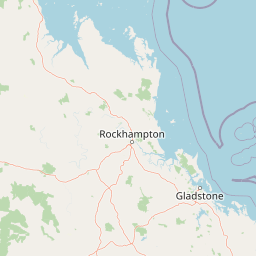
Map view of Taunton National Park

Use this park location map to pinpoint Taunton National Park in Australia, understand its exact geographic position, and read its mapped placement within the surrounding landscape more clearly.

Pigeon | © OpenStreetMap contributors

Location context for Taunton National Park

Queensland
Park atlas

Explore the geographic context of additional protected areas, comparing landscapes and conservation efforts across the wider Central Queensland region.

Compare National Parks and Protected Areas Near Taunton National Park in Central Queensland
Continue your exploration from Taunton National Park by discovering other significant national parks and protected areas located throughout Central Queensland's Brigalow Belt. Compare their diverse geographic features, unique conservation priorities, and regional context to build a comprehensive understanding of Australia's protected landscapes.
National parkQueensland

Baga National Park: Unique Volcanic Geography and Protected Landscape in Queensland

Mapped terrain and protected area identity for a distinctive national park.

Baga National Park stands as a notable protected area in central Queensland, Australia, centered around the striking Mount Baga, a trachyte volcanic plug. This geological marvel offers a unique landscape context, showcasing the remnants of ancient volcanic activity within the regional geography. As a national park, it serves to preserve this distinctive natural feature and its associated habitats, providing a compact yet significant destination for atlas-based discovery of Queensland's diverse protected lands.

Area
1.44 km²
Established
1977
IUCN
II
National parkQueensland

Palmgrove National Park: Queensland's Remote Protected Landscape for Scientific Conservation

Rugged sandstone terrain and unique eucalypt woodlands define this park.

Palmgrove National Park is a significant scientific reserve in south-central Queensland, Australia, characterized by its dissected sandstone terrain and dry eucalypt woodlands. Designated as a strict nature reserve, its primary value lies in protecting vulnerable species and threatened ecosystems, notably serving as a crucial breeding habitat for the black-breasted buttonquail. The park's isolated geography and limited public access underscore its importance as a sanctuary for avian conservation and ecological research within Australia's protected areas network.

Area
256 km²
Established
1991
IUCN
Ia
National parkMaranoa Region

Carnarvon National Park: Mapped Geography and Protected Landscape Identity

Explore the sandstone gorges and ancient sites of Queensland's natural heritage.

Carnarvon National Park represents a significant protected area within the Maranoa Region of Queensland, Australia. This national park encompasses a vast expanse of approximately 2,980 square kilometers, primarily celebrated for its dramatic sandstone gorges, particularly Carnarvon Gorge, and its globally significant Aboriginal rock art sites. Positioned across the Great Dividing Range, the park's landscape features a compelling mix of deep valleys, sandy plains, and basalt-capped tablelands, offering rich cartographic and geographic context. Its designation as a national park underscores its importance for preserving these unique natural and cultural landscapes for atlas-based discovery.

Area
2,980 km²
Established
1932
IUCN
II
National parkQueensland

Byfield National Park: Protected National Park with Coastal Dune Ecosystems in Queensland

Explore its mapped landscape and unique pandanus forests.

Byfield National Park presents a compelling case study in coastal protected-area geography, showcasing a diverse landscape where dune systems meet extensive pandanus forests across 12 kilometers of Queensland coastline. This national park, established in 1988, provides a unique glimpse into the ecological transition zone between tropical savanna and subtropical climates, offering a richly detailed environment for map-based exploration. Its relatively undeveloped terrain and distinct ecosystems make it a valuable entity for understanding regional Australian natural landscapes and conservation efforts.

Area
87 km²
Established
1988
IUCN
II
National parkQueensland

Keppel Bay Islands National Park: Queensland's Coastal National Park and Archipelago Discovery

Explore protected islands, mapped coral reefs, and marine ecosystems.

Delve into the geographic identity of Keppel Bay Islands National Park, a significant protected area comprising thirteen islands off the coast of Queensland. This national park showcases a dynamic coastal landscape, featuring distinct island terrains, diverse marine life, and essential coral reef systems. Through its mapped boundaries and conservation focus, the park offers a unique lens for understanding island geography and the importance of marine protected areas within the broader Australian atlas.

Area
7.2 km²
Established
1994
IUCN
II
National parkQueensland

Expedition National Park: A Dramatic Sandstone Mountain Landscape in Central Queensland

Explore protected areas, mapped ridgelines, and Robinson Gorge geography.

Expedition National Park represents a significant protected landscape in Queensland, distinguished by the striking Expedition Range. This mountainous terrain, characterized by rugged sandstone cliffs, deep gorges like Robinson Gorge, and dry eucalyptus forests, offers a unique geographic contrast to the surrounding plains. As a national park, it plays a crucial role in conserving biodiversity within the Brigalow Belt bioregion, providing an essential reference point for understanding regional protected areas and natural terrain.

Area
1,080 km²
Established
1991
IUCN
II
National parkQueensland

West Hill National Park: Explore Queensland's National Park Geography and Mapped Protected Boundaries

Central Queensland Protected Landscape and Atlas Context

West Hill National Park represents a key protected area within Queensland's natural environment network. As a national park, it offers insights into the region's geography and landscape character, contributing to a structured understanding of protected lands. Explore the mapped boundaries and discover its specific place within the atlas of Australian parks, providing context for its conservation significance in central Queensland.

Area
10.8 km²
Established
1971
IUCN
II
National parkMackay Region

Cape Palmerston National Park: Coastal Protected Area and Geographic Context in Mackay Region

Mapped landscape, dune systems, and mangrove ecosystems.

Delve into the protected landscape of Cape Palmerston National Park, a significant national park in Australia's Mackay Region. This page offers detailed insights into its geographic identity, characterized by 28 kilometers of pristine coastline, dynamic sand dunes, and extensive mangrove forests. Understand its position within the Central Mackay Coast bioregion and explore the mapped boundaries of this diverse protected area, from its beaches to the inland woodland habitats and wetland basins, providing essential atlas context for this unique coastal environment.

Area
71.9 km²
Established
1976
IUCN
II
Relief
Mixed relief

Common questions about visiting, size, designation, and location context for Taunton National Park

Taunton National Park FAQs for park facts, access, geography, and protected area context
Find quick answers about Taunton National Park, including protected-area facts, park geography, trail and visitor context, and how the park fits into its surrounding country and regional landscape.
MoriAtlas Explorer

Continue Your Protected Areas Search Across the Global Atlas

Deepen your exploration by continuing the structured search for national parks and protected areas worldwide. Utilize the comprehensive filtering capabilities to compare different conservation landscapes and refine your understanding of global park geography. Discover more about the distribution and characteristics of protected natural areas.

Global natural geography