Why Byfield National Park stands out
Byfield National Park is best known for its unspoiled coastal scenery and the extensive stands of Pandanus tectorius that fringe its beaches and shoreline areas. The pandanus palms play a critical ecological role, stabilizing coastal dunes against erosion while providing essential habitat for numerous insect and animal species. The park's four beaches, accessible via four-wheel drive tracks, offer a relatively remote and less-visited coastal wilderness experience compared to more developed sections of the Queensland coast. Water Park Creek, which flows through the park, supports a population of the small freshwater fish Rhadinocentrus ornatus, adding to the park's biodiversity significance.
Byfield National Park history and protected-area timeline
Byfield National Park was established in 1988 through the formal declaration of the area as a protected national park under Queensland conservation legislation. The park's creation represented part of broader efforts during the late 1980s to expand Queensland's protected area network, particularly along coastal zones where development pressures were increasing. Prior to national park designation, the area had been managed as state forest, reflecting a historical approach to land use that prioritized timber production over conservation. The transition to national park status acknowledged the growing understanding of the area's ecological significance, particularly the coastal dune systems, pandanus forests, and the habitat values they supported. The Queensland Parks and Wildlife Service assumed management responsibility for the park upon its declaration, implementing conservation-focused management practices that balanced public access with environmental protection objectives.
Byfield National Park landscape and geographic character
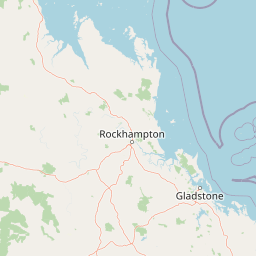
The landscape of Byfield National Park is defined by its coastal setting, featuring a succession of beach environments, dune systems, and subtle inland terrain that rises only modestly above sea level. The park contains approximately 12 kilometers of coastline divided among four distinct beaches, each offering different aspects and character within the overall coastal framework. The average elevation of 48 meters across the park reflects the generally low-lying nature of the terrain, which consists largely of coastal plain and dune formations rather than significant topographic relief. The park's western boundary abuts Byfield State Forest, creating a transition zone between the more exposed coastal environments and the denser woodland vegetation of the forest reserve. To the north, the park approaches Shoalwater Bay, extending the coastal landscape context beyond the protected area itself. The presence of Water Park Creek, which flows through the park, adds a freshwater dimension to the otherwise predominantly coastal landscape, creating riparian habitats that contrast with the surrounding beach and dune environments.
Byfield National Park ecosystems, habitats, and plant life
The ecological character of Byfield National Park reflects its position at the intersection of tropical and subtropical climatic zones, creating conditions that support species assemblages from both domains. The park's vegetation is characterized by the extensive stands of Pandanus tectorius, commonly known as the pandanus or screwpine, which dominate the beachfront and shoreline areas. These palm species play a foundational ecological role within the park, their extensive root systems stabilizing coastal sediments and protecting dune systems from wave action and wind erosion. Beyond their physical stabilizing function, pandanus stands provide critical habitat for numerous invertebrate and vertebrate species, creating vertical complexity and food resources within what might otherwise be relatively exposed coastal environments. The creek systems, particularly Water Park Creek, add freshwater aquatic habitats to the park's ecological repertoire, supporting species such as Rhadinocentrus ornatus, a small freshwater fish that represents an endemic Australian species adapted to these specialized aquatic environments.
Byfield National Park wildlife and species highlights
The wildlife of Byfield National Park is closely tied to the park's dominant habitat types, with the pandanus forests and coastal dune systems providing the primary habitats for most species. The pandanus trees support diverse invertebrate communities, including insects that form the base of the food web supporting larger animal species. Birds utilize the pandanus stands for nesting and foraging, while the diverse insect communities provide food sources for both resident and migratory bird species. The creek systems within the park add aquatic habitat complexity, supporting fish populations and the predators that depend on them. Among the conservation concerns within the park is the pandanus planthopper, a destructive pest that threatens the health of pandanus populations. Management efforts have included biological control using the native wasp Aphanomerus pusillus, which parasitizes the planthopper and helps maintain some level of natural regulation over this invasive threat.
Byfield National Park conservation status and protection priorities
Byfield National Park contributes to the conservation of Queensland's coastal biodiversity by protecting a representative example of the central Queensland coastline ecosystem. The park's protection of pandanus forests is particularly significant, as these communities face pressures from development, altered fire regimes, and the impacts of pest species such as the pandanus planthopper. The park's location at the boundary between tropical savanna and subtropical climates adds conservation value by protecting a transitional ecological zone that supports species from both broader climate domains. The protection of Water Park Creek and its fish populations represents freshwater biodiversity conservation, with Rhadinocentrus ornatus being a species of particular interest due to its limited distribution and specialized habitat requirements. The ongoing management challenge posed by the pandanus planthopper demonstrates the dynamic nature of conservation work within the park, requiring active intervention to protect key habitat-forming species.
Byfield National Park cultural meaning and human context
The cultural context of Byfield National Park reflects the broader history of the central Queensland coast, a region with indigenous heritage spanning thousands of years. While the Wikipedia source does not provide detailed information regarding specific indigenous connections to the park area, the broader region of coastal Queensland contains numerous sites of indigenous significance, and the park's landscapes would have supported traditional uses and cultural practices. European settlement of the area preceded the park's establishment, with the land having previously been managed as state forest before transitioning to protected area status in 1988. The township of Byfield provides a local reference point for the park's identity, with the park and surrounding state forest creating a broader conservation landscape that encompasses the local community context.
Top sights and standout views in Byfield National Park
Byfield National Park offers visitors a relatively undeveloped coastal wilderness experience characterized by its four beaches, extensive pandanus forests, and accessible four-wheel drive touring opportunities. The pandanus-fringed coastline represents one of the park's most visually distinctive features, with these iconic palms creating a recognizable tropical coastal aesthetic along the shoreline. The park's camping areas provide opportunities for extended stays, allowing visitors to explore the various beach environments and interior tracks at a relaxed pace. The proximity to Rockhampton, accessible within a moderate drive, makes the park a feasible destination for both overnight visitors and day-trippers seeking coastal recreation. The park's role as the southern boundary of the tropical savanna climate zone adds atmospheric significance, marking a transition point in the broader regional climate patterns.
Best time to visit Byfield National Park
The best time to visit Byfield National Park is influenced by Queensland's climate patterns, with the cooler winter months from May through September typically offering more comfortable conditions for outdoor activities. During these months, temperatures are moderate and rainfall is generally lower, making beach activities and bushwalking more pleasant than during the hot, humid summer period. The summer months from November through March bring higher temperatures and increased rainfall, which while supporting the park's lush vegetation, can make outdoor exploration less comfortable and may affect access to some tracks. The park's position near the boundary of tropical and subtropical zones means that weather patterns can vary, and visitors should check current conditions before traveling. The dry season generally provides more predictable access and clearer beach conditions, while the wet season can bring lush green landscapes but also higher humidity and potential for track closures.