Why Baga National Park stands out
Baga National Park is best known for its dramatic volcanic plug formation, Mount Baga, which stands as a prominent trachyte monolith rising from the central Queensland landscape. The park is also recognized for its birdlife, with Hedlow Creek lagoons providing critical habitat for numerous species including striated pardalotes, rainbow lorikeets, and Lewin's honeyeaters. The combination of geological significance, with the volcanic plug representing an extinct volcano's remnant, and the area's cultural importance to the Darumbal people makes this small park distinctive among Queensland's protected areas.
Baga National Park history and protected-area timeline
Baga National Park was formally established in 1977, creating protected status for the Mount Baga area and its surrounding landscapes. Prior to this designation, the area was known as Mount Jim Crow National Park, though the reasons for this earlier naming and its subsequent change to Baga are not extensively documented in available sources. The establishment of the park reflected growing recognition of the site's geological significance and the need to protect the distinctive volcanic formation from potential development pressures. The Queensland Parks and Wildlife Service assumed management responsibility for the protected area, maintaining it as a conservation-focused site without significant infrastructure development. The park's history also intersects with the longer cultural timeline of the Darumbal people, who have traditionally regarded Baga as a place of significance within their Dreamtime stories, indicating human connection to this landscape that predates formal protected area designation by thousands of years.
Baga National Park landscape and geographic character
The landscape of Baga National Park is dominated by the prominent volcanic plug of Mount Baga, a trachyte formation that rises sharply from the surrounding terrain. Trachyte, a volcanic rock of intermediate composition, forms the core of this ancient volcanic remnant, creating a distinctive light-coloured monolith that contrasts with the typically flatter surroundings of central Queensland. The volcanic plug represents the hardened magma column of a long-extinct volcano, with the softer outer material having eroded away over geological time to leave this resistant core exposed. The park's terrain includes areas of rocky exposure around the base of the plug, while lower sections support vegetation communities adapted to the local conditions. Hedlow Creek passes through the park area, creating lagoons and wetlands that provide important habitat features within the broader landscape. The overall visual character combines the dramatic vertical element of the volcanic formation with the more subtle wetland environments along the creek system.
Baga National Park ecosystems, habitats, and plant life
The nature of Baga National Park encompasses a mix of terrestrial and wetland habitats that support ecological communities adapted to central Queensland conditions. The vegetation around Mount Baga and the surrounding areas includes communities dominated by paperbark trees (Melaleuca leucadendra), which fringe the billabongs and creek channels within the park. These melaleuca forests provide important habitat structure and contribute to the biodiversity values of the area. The wetland environments associated with Hedlow Creek lagoons represent particularly significant ecological components, offering water sources that attract diverse wildlife, especially during drier periods when surface water becomes scarce across the broader landscape. The combination of rocky volcanic habitats, forested areas, and wetland zones creates a mosaic of environments within the small park boundary, supporting ecological diversity despite the limited total area.
Baga National Park wildlife and species highlights
Baga National Park supports notable birdlife, with the Hedlow Creek lagoons serving as a particular focus for avian activity. The water sources provided by these wetlands attract numerous bird species seeking drinking water and foraging opportunities, particularly during periods of limited water availability in the wider landscape. Notable species recorded within the park include striated pardalotes, which are small, active birds often associated with eucalyptus woodlands and known for their distinctive spotted plumage. Rainbow lorikeets, with their vibrant multicoloured feathers and characteristic squawking calls, are commonly observed in the park, feeding on nectar from flowering trees and shrubs. Lewin's honeyeaters also inhabit the area, adding to the diversity of honeyeater species present. The park's location within central Queensland places it within bird migration pathways and provides connectivity to broader ecological systems extending from the coast to inland areas.
Baga National Park conservation status and protection priorities
Baga National Park contributes to Queensland's protected area network by preserving a distinctive geological formation and the associated ecological communities within a relatively small boundary. The protection of Mount Baga ensures that this volcanic plug remnant remains conserved against potential development or resource extraction pressures. The wetland areas around Hedlow Creek represent ecologically significant habitats that benefit from protected status, providing refuges for waterbird species and contributing to broader landscape connectivity. The cultural significance of the area to the Darumbal people adds another dimension to the conservation value, as protected status helps maintain landscape integrity in areas of indigenous cultural importance. While the park's small size limits its capacity for extensive ecological functions, it nonetheless contributes to the representativeness of Queensland's protected areas by preserving a volcanic landscape type and associated communities.
Baga National Park cultural meaning and human context
Baga holds deep cultural significance for the Darumbal people, the traditional custodians of the land on which the park is situated. Within Darumbal Dreamtime stories, Baga is regarded as a place of considerable importance, representing one of the significant locations in the cultural landscape of this Aboriginal group. The Dreamtime, or Dreaming, refers to the mythological period when ancestral beings created the landscape, features, and cultural traditions that continue to hold meaning for Aboriginal peoples. The recognition of Baga within these stories indicates a long-standing relationship between the Darumbal people and this volcanic landscape, with the site having been a place of significance long before European settlement and the subsequent establishment of formal protected area管理制度. This cultural context adds depth to the park's identity beyond its geological and ecological values, connecting the physical landscape to ongoing Aboriginal heritage and traditional knowledge.
Top sights and standout views in Baga National Park
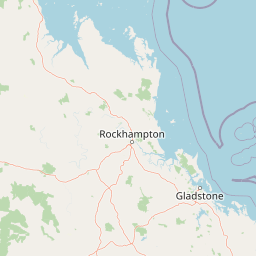
Baga National Park's primary highlight remains the dramatic Mount Baga volcanic plug, a trachyte monolith rising from the Queensland landscape as a visible reminder of ancient volcanic activity. The birdlife attracted to Hedlow Creek lagoons, particularly the presence of striated pardalotes, rainbow lorikeets, and Lewin's honeyeaters, provides a wildlife observation opportunity disproportionate to the park's small size. The accessibility of the park, situated beside the main road between Rockhampton and Yeppoon, makes it a convenient stop for travellers exploring the central Queensland coast. The lack of developed facilities contributes to a more primitive and quiet park experience, appealing to those seeking a natural environment without the infrastructure found in larger, more heavily visited protected areas.
Best time to visit Baga National Park
The best time to visit Baga National Park aligns with cooler, milder conditions that make outdoor exploration more comfortable, typically during the autumn and winter months from April to September in the southern hemisphere. During these seasons, central Queensland experiences lower temperatures and reduced rainfall, making the landscape more accessible and wildlife more active around water sources as the dry season progresses. The period from late winter through early spring can particularly suit birdwatching, as wetland areas become increasingly important as water sources and bird activity concentrates around available water. Visitors should note that no facilities exist within the park, requiring self-sufficiency for any visit, and that the summer months can bring intense heat that limits the appeal of outdoor activity in this region.