

Mori Atlas logo
National parkMazeppa National Park

Discover mapped boundaries and the unique semi-arid terrain of this Central Queensland national park.

Mazeppa National Park: Queensland's Protected Gidgee Scrub Landscape and Outback Geography

Mazeppa National Park stands as a vital protected area within Central Queensland, Australia, representing a significant bastion of the diminishing gidgee scrub ecosystems. This national park offers a unique opportunity to explore an undeveloped semi-arid landscape, characterized by gently undulating plains and dense stands of gidgee trees. Its geographic context in inland Queensland provides a window into the region's natural heritage, distinguishing it through its preservation of a landscape that has largely vanished due to agricultural development. Understand the park's specific terrain and its protected-area identity through detailed mapping and geographic insights.

Central QueenslandGidgee ScrubBrigalowProtected WoodlandAustralian OutbackSemi-arid Landscape

Mazeppa National Park

National park

Park overview

Structured park overview, official facts, and landscape profile for Mazeppa National Park

Mazeppa National Park park facts, protected area profile, and essential visitor context
Review the core facts for Mazeppa National Park, including designation, size, terrain, visitor scale, habitats, and operating context in one park-focused overview.

About Mazeppa National Park

Mazeppa National Park occupies a meaningful position within Queensland's protected area estate, preserving representative examples of the Brigalow Belt's characteristic vegetation communities. The Brigalow Belt, spanning inland areas of central and southern Queensland, was historically dominated by acacia-dominated scrublands including gidgee and brigalow, much of which has been cleared for grazing and cropping since European settlement. This protected area therefore serves as a refugium for vegetation types that have suffered substantial range reduction across the broader landscape.

Quick facts and research context for Mazeppa National Park

Mazeppa National Park is located in Central Queensland, Australia, within the Brigalow Belt bioregion. The park spans 41.30 square kilometres of semi-arid terrain and was formally protected in 1972 under Queensland Parks and Wildlife Service management. The area is characterised by gidgee scrub as the predominant vegetation type, with brigalow scrub and open eucalypt woodland providing additional habitat diversity. The park is named after Ivan Mazepa, the Ukrainian Cossack hetman featured in Lord Byron's 1819 poem, giving the protected area a distinctive literary namesake uncommon among Australian national parks. Visitors can access bush camping opportunities within the park boundaries with a valid permit.

Park context

Deeper park guide and search-rich context for Mazeppa National Park

Mazeppa National Park history, landscape, wildlife, and travel context
Explore Mazeppa National Park through its history, landscape character, ecosystems, wildlife, conservation priorities, cultural context, and seasonal travel timing in a structured park guide built for atlas discovery and search intent.

Why Mazeppa National Park stands out

Mazeppa National Park is best known for its preservation of gidgee scrub communities, a distinctive semi-arid woodland ecosystem that once covered extensive areas of inland Queensland but has been significantly reduced by agricultural development. The park also stands out for its literary naming connection to Ivan Mazepa through Lord Byron's poem, a rare example of Ukrainian historical figures being commemorated in Australian place names. Its undeveloped character, lacking walking tracks and major visitor infrastructure, makes it distinctive among Queensland's protected areas for those seeking solitude and genuine outback wilderness experience.

Mazeppa National Park history and protected-area timeline

Mazeppa National Park was formally established in 1972 as part of Queensland's expanding network of national parks and protected areas during a period of increased environmental awareness and conservation priority setting in Australia. The establishment of the park reflected growing recognition of the need to preserve representative examples of Queensland's diverse vegetation communities, including the distinctive gidgee and brigalow scrublands that were being progressively cleared for pastoral and agricultural purposes across inland areas.

Mazeppa National Park landscape and geographic character

The landscape of Mazeppa National Park exemplifies the semi-arid woodland environments of Central Queensland's interior. The terrain generally presents as gently undulating plains and low ridges, typical of the ancient landscapes that have been worn smooth by geological time. The gidgee scrub creates a distinctive visual character, with the gidgee tree (Acacia cambagei) forming dense stands that create a relatively dark canopy compared to the more open eucalypt woodlands. The trees typically reach heights of 8 to 15 metres, with the canopy remaining quite dense, casting dappled shade across the forest floor.

Mazeppa National Park ecosystems, habitats, and plant life

Mazeppa National Park protects representative examples of the Brigalow Belt's characteristic vegetation communities, making it ecologically significant despite its relatively modest size. The gidgee scrub community, dominated by Acacia cambagei, represents a vegetation type that has been extensively cleared across its former range for agricultural development, making protected remnants like this park important for maintaining biodiversity and ecosystem function. The brigalow scrub component, featuring Acacia harpophylla, adds ecological diversity and provides habitat for species associated with this now-fragmented vegetation type.

Mazeppa National Park conservation status and protection priorities

Mazeppa National Park contributes to the conservation of Queensland's inland vegetation communities by protecting representative examples of gidgee and brigalow scrublands that have been extensively cleared across their historical range. The Brigalow Belt bioregion, once covered in extensive acacia-dominated scrubs, has lost significant proportions of its original vegetation to pastoral development, cropping, and infrastructure development. Protected areas like Mazeppa serve as refugia for the remaining biodiversity associated with these communities, maintaining genetic diversity and supporting ecological processes that depend on intact vegetation.

Mazeppa National Park cultural meaning and human context

The naming of Mazeppa National Park after Ivan Mazepa represents a distinctive cultural connection between Australian place naming and European literary tradition. Ivan Mazepa was a historical figure who rose from Cossack origins to become Hetman of the Ukrainian Hetmanate in the late 17th century, serving as a military leader who eventually allied with Peter the Great against the Ottoman Empire before the catastrophic defeat at Poltava in 1709. His flight into exile and subsequent death in Ottoman territory transformed him into a figure of romantic tragedy in European cultural memory.

Top sights and standout views in Mazeppa National Park

Mazeppa National Park offers several distinctive qualities that set it apart within Queensland's protected area network. The park preserves significant remnants of gidgee scrub, a vegetation community that has been extensively cleared across inland Queensland, making these protected stands ecologically valuable. The literary naming from Ivan Mazepa and Lord Byron provides a unique cultural backstory uncommon among Australian national parks. The undeveloped nature of the park, with no walking tracks and limited facilities, offers a genuine wilderness experience for visitors willing to undertake self-sufficient outback travel. Bush camping opportunities allow overnight stays within the landscape, providing time to appreciate the subtle beauty of the scrubland environment and the distinctive character of gidgee woodland at different times of day. The park represents a quieter, less-visited alternative to more famous Queensland parks, appealing to those who seek solitude and authentic outback immersion away from crowds and developed tourist infrastructure.
Park location guide

Geography guide, regional context, and park location map for Mazeppa National Park

Mazeppa National Park park geography, regions, and map view in Australia
Understand where Mazeppa National Park sits in Australia through a broader geographic reading of the surrounding landscape, nearby location context, and its mapped position within the national park landscape.

How Mazeppa National Park fits into Australia

Australia is a constitutional monarchy and federal parliamentary democracy comprising six states and ten territories. With a population of nearly 28 million, it is one of the world's most urbanised countries, with most people concentrated on the eastern seaboard. The country has a high Human Development Index and is known for its cultural diversity, ancient Aboriginal heritage, and unique wildlife.

Wider geography shaping Mazeppa National Park in Australia

Australia occupies the entire Australian continent, the island of Tasmania, and numerous smaller islands. It is the world's flattest and driest inhabited continent, featuring vast deserts in the interior (the Outback), tropical rainforests along the eastern coast, and a coastline bordering the Indian and Pacific Oceans.

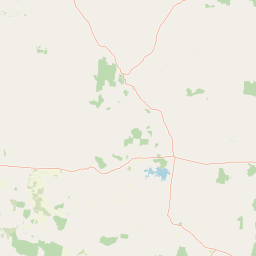
Map view of Mazeppa National Park

Use this park location map to pinpoint Mazeppa National Park in Australia, understand its exact geographic position, and read its mapped placement within the surrounding landscape more clearly.

Pigeon | © OpenStreetMap contributors

Location context for Mazeppa National Park

Queensland
Park atlas

Map the regional spread of protected areas and compare surrounding outback conservation landscapes.

Explore National Parks and Protected Areas Geographically Related to Mazeppa National Park
Discover other national parks and protected areas in Central Queensland, exploring similar gidgee scrub ecosystems and diverse outback landscapes. Comparing these protected areas provides valuable geographic context for understanding regional conservation efforts and mapping unique Australian wilderness.
National parkIsaac Region

Homevale National Park: Central Queensland's Protected Sandstone and Fossil Landscape

Explore dramatic cliffs, peaks, and ancient Permian fossil sites.

Homevale National Park in Australia's Isaac Region is a testament to geological time and conservation. Its landscape is defined by striking sandstone formations, including dramatic cliffs, rugged peaks, and distinctive spires. Beyond its visual appeal, the park is scientifically vital for its Permian-period fossil discoveries, dating back 280 to 225 million years. This protected area offers a unique glimpse into ancient marine environments and the geological evolution of Central Queensland, making it a key destination for atlas-driven landscape discovery.

Area
218 km²
Established
1995
IUCN
II
National parkQueensland

Eungella National Park: National Park Protected Landscape and Queensland Geography

Explore mapped boundaries and regional landscape context.

Gain a detailed understanding of Eungella National Park as a protected landscape within Queensland. This page focuses on its mapped boundaries and geographic positioning, offering an atlas-oriented view for those interested in regional park discovery. Delve into the specific natural terrain and protected area context that characterizes Eungella National Park, enhancing your geographic comprehension.

Area
517 km²
Established
1941
IUCN
II
National parkQueensland

Reliance Creek National Park: Preserving Queensland's Coastal Palm Forest Ecosystem

Mapped protected landscape on Queensland's central coast.

Reliance Creek National Park is a critical conservation site in Queensland, safeguarding the most significant remaining area of coastal palm forest. This compact national park protects a unique subtropical ecosystem that has largely vanished from the surrounding regional landscape. Users can explore its precise location and geographic context, understanding its importance as a preserved natural heritage and a testament to the original coastal plain environment.

Area
0.14 km²
Established
1980
IUCN
II
National parkQueensland

Cape Hillsborough National Park: Queensland's Volcanic Peninsula National Park

Mapped geography and protected landscape context in Central Queensland.

Cape Hillsborough National Park is a notable protected area defined by its unique volcanic peninsula landform in Queensland. Its rugged terrain features dense rainforest interiors that contrast with the surrounding coastal environments and tidal zones. As a national park, it offers an excellent opportunity to study landscape context, mapped geological features, and the distribution of protected natural areas within the Central Queensland region.

Area
10.22 km²
Established
1985
IUCN
II
National parkQueensland

West Hill National Park: Explore Queensland's National Park Geography and Mapped Protected Boundaries

Central Queensland Protected Landscape and Atlas Context

West Hill National Park represents a key protected area within Queensland's natural environment network. As a national park, it offers insights into the region's geography and landscape character, contributing to a structured understanding of protected lands. Explore the mapped boundaries and discover its specific place within the atlas of Australian parks, providing context for its conservation significance in central Queensland.

Area
10.8 km²
Established
1971
IUCN
II
National parkMackay Region

Cape Palmerston National Park: Coastal Protected Area and Geographic Context in Mackay Region

Mapped landscape, dune systems, and mangrove ecosystems.

Delve into the protected landscape of Cape Palmerston National Park, a significant national park in Australia's Mackay Region. This page offers detailed insights into its geographic identity, characterized by 28 kilometers of pristine coastline, dynamic sand dunes, and extensive mangrove forests. Understand its position within the Central Mackay Coast bioregion and explore the mapped boundaries of this diverse protected area, from its beaches to the inland woodland habitats and wetland basins, providing essential atlas context for this unique coastal environment.

Area
71.9 km²
Established
1976
IUCN
II
Relief
Mixed relief
National parkQueensland

Mount Aberdeen National Park: A Queensland National Park with Unique Cloud Forest and Granite Peaks

Explore mapped terrain and protected landscape context in North Queensland.

Mount Aberdeen National Park represents a significant protected landscape in Queensland, defined by its striking granite peaks and an ecologically vital tropical cloud forest. This national park covers 29.10 square kilometers, showcasing unique flora such as hoop pine forests and rare red gum-snow grass communities. Its geographical position and unusual highland environment create a distinctive natural asset within the broader regional geography, offering valuable insights into Australia's protected area network and diverse ecosystems.

Area
29.1 km²
Established
1967
IUCN
II
National parkQueensland

Round Top Island National Park: Protected Island Landscape in Queensland

Explore mapped boundaries and regional conservation context.

Round Top Island National Park preserves the natural character of a small coastal island in Queensland's Coral Sea region. This national park offers a clear example of an entire island protected area, contributing to the broader atlas of Australian conservation landscapes. Understanding its mapped boundaries and its place within North Queensland's geography provides insight into the diversity of protected island ecosystems preserved for their ecological significance.

Area
0.19 km²
IUCN
II
Relief
Mixed relief
Scope
Mixed

Common questions about visiting, size, designation, and location context for Mazeppa National Park

Mazeppa National Park FAQs for park facts, access, geography, and protected area context
Find quick answers about Mazeppa National Park, including protected-area facts, park geography, trail and visitor context, and how the park fits into its surrounding country and regional landscape.
MoriAtlas Explorer

Continue Your Protected Areas Search Across the Global Atlas

Deepen your exploration by continuing the structured search for national parks and protected areas worldwide. Utilize the comprehensive filtering capabilities to compare different conservation landscapes and refine your understanding of global park geography. Discover more about the distribution and characteristics of protected natural areas.

Global natural geography