Why Mazeppa National Park stands out
Mazeppa National Park is best known for its preservation of gidgee scrub communities, a distinctive semi-arid woodland ecosystem that once covered extensive areas of inland Queensland but has been significantly reduced by agricultural development. The park also stands out for its literary naming connection to Ivan Mazepa through Lord Byron's poem, a rare example of Ukrainian historical figures being commemorated in Australian place names. Its undeveloped character, lacking walking tracks and major visitor infrastructure, makes it distinctive among Queensland's protected areas for those seeking solitude and genuine outback wilderness experience.
Mazeppa National Park history and protected-area timeline
Mazeppa National Park was formally established in 1972 as part of Queensland's expanding network of national parks and protected areas during a period of increased environmental awareness and conservation priority setting in Australia. The establishment of the park reflected growing recognition of the need to preserve representative examples of Queensland's diverse vegetation communities, including the distinctive gidgee and brigalow scrublands that were being progressively cleared for pastoral and agricultural purposes across inland areas.
Mazeppa National Park landscape and geographic character
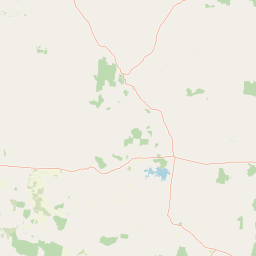
The landscape of Mazeppa National Park exemplifies the semi-arid woodland environments of Central Queensland's interior. The terrain generally presents as gently undulating plains and low ridges, typical of the ancient landscapes that have been worn smooth by geological time. The gidgee scrub creates a distinctive visual character, with the gidgee tree (Acacia cambagei) forming dense stands that create a relatively dark canopy compared to the more open eucalypt woodlands. The trees typically reach heights of 8 to 15 metres, with the canopy remaining quite dense, casting dappled shade across the forest floor.
Mazeppa National Park ecosystems, habitats, and plant life
Mazeppa National Park protects representative examples of the Brigalow Belt's characteristic vegetation communities, making it ecologically significant despite its relatively modest size. The gidgee scrub community, dominated by Acacia cambagei, represents a vegetation type that has been extensively cleared across its former range for agricultural development, making protected remnants like this park important for maintaining biodiversity and ecosystem function. The brigalow scrub component, featuring Acacia harpophylla, adds ecological diversity and provides habitat for species associated with this now-fragmented vegetation type.
Mazeppa National Park conservation status and protection priorities
Mazeppa National Park contributes to the conservation of Queensland's inland vegetation communities by protecting representative examples of gidgee and brigalow scrublands that have been extensively cleared across their historical range. The Brigalow Belt bioregion, once covered in extensive acacia-dominated scrubs, has lost significant proportions of its original vegetation to pastoral development, cropping, and infrastructure development. Protected areas like Mazeppa serve as refugia for the remaining biodiversity associated with these communities, maintaining genetic diversity and supporting ecological processes that depend on intact vegetation.
Mazeppa National Park cultural meaning and human context
The naming of Mazeppa National Park after Ivan Mazepa represents a distinctive cultural connection between Australian place naming and European literary tradition. Ivan Mazepa was a historical figure who rose from Cossack origins to become Hetman of the Ukrainian Hetmanate in the late 17th century, serving as a military leader who eventually allied with Peter the Great against the Ottoman Empire before the catastrophic defeat at Poltava in 1709. His flight into exile and subsequent death in Ottoman territory transformed him into a figure of romantic tragedy in European cultural memory.
Top sights and standout views in Mazeppa National Park
Mazeppa National Park offers several distinctive qualities that set it apart within Queensland's protected area network. The park preserves significant remnants of gidgee scrub, a vegetation community that has been extensively cleared across inland Queensland, making these protected stands ecologically valuable. The literary naming from Ivan Mazepa and Lord Byron provides a unique cultural backstory uncommon among Australian national parks. The undeveloped nature of the park, with no walking tracks and limited facilities, offers a genuine wilderness experience for visitors willing to undertake self-sufficient outback travel. Bush camping opportunities allow overnight stays within the landscape, providing time to appreciate the subtle beauty of the scrubland environment and the distinctive character of gidgee woodland at different times of day. The park represents a quieter, less-visited alternative to more famous Queensland parks, appealing to those who seek solitude and authentic outback immersion away from crowds and developed tourist infrastructure.