Why Fowl Cays National Park stands out
Fowl Cays National Park is best known for its thriving coral reef ecosystems and the marine biodiversity they support. The park protects some of the more intact reef systems in the Abaco region, with coral formations providing habitat for surgeonfish, grunts, and parrotfish. The presence of healthy seagrass meadows complements the reef ecosystems, creating a interconnected marine environment that supports both resident and migratory species. The establishment of a staghorn coral nursery in 2017 further solidified the park's role in coral conservation efforts in the Bahamas.
Fowl Cays National Park history and protected-area timeline
Fowl Cays National Park was established in 2009 as part of the Bahamas' expanding network of marine protected areas. The creation of the park reflected growing recognition among Bahamian conservation authorities of the ecological value present in the waters surrounding the Abaco Islands. The Bahamas National Trust, which manages the park, has historically focused on designating areas of significant biodiversity or ecological importance as national parks. The park's establishment followed scientific surveys documenting the extent and health of coral reef systems in the area. In 2017, the park became the site of a staghorn coral nursery, representing an active restoration initiative to combat declining coral populations across the Caribbean. The park has also faced environmental challenges, most notably in March 2024 when a barge and tugboat operated by subcontractors for the Bakers Bay Golf & Ocean Club ran aground on the reef crest within the protected marine zone. The incident resulted in significant damage to coral and seagrass habitat, and as of early 2025 the wreckage remained in place, prompting criticism from environmental organizations.
Fowl Cays National Park landscape and geographic character
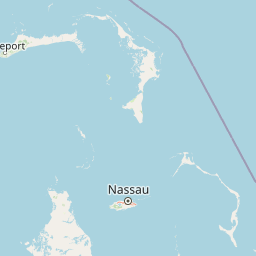
Fowl Cays National Park is defined by its marine landscape rather than terrestrial terrain. The protected area encompasses shallow coastal waters, reef formations, and seagrass meadows situated between the islands of the Abaco chain. The reef systems include both reef crest and deeper reef slope environments, with coral formations growing in the clear, warm waters typical of the tropical Atlantic. The seafloor around the cay features patches of sand interspersed with seagrass beds, creating a varied underwater topography. The above-water landscape includes the small islet known as Fowl Cay itself, a low-lying landform characteristic of the Bahamian cays. The surrounding waters are typical of the Bahamas, with turquoise to deep blue coloring depending on depth and bottom composition. The park's setting between Scotland Cay and Man-O-War Cay places it within a cluster of inhabited and uninhabited islands that collectively form the Abaco archipelago.
Fowl Cays National Park ecosystems, habitats, and plant life
The nature of Fowl Cays National Park centers on its marine ecosystems, which represent some of the more ecologically significant habitats in the Bahamas. Coral reef systems form the structural foundation of the park's marine environment, providing the three-dimensional complexity that supports high biodiversity. The reef communities are complemented by extensive seagrass meadows, primarily composed of species like Thalassia testudinum, which form dense underwater meadows across the park's seafloor. These seagrass beds serve multiple ecological functions, including providing shelter for juvenile fish, stabilizing sediments, and contributing to water quality through nutrient cycling. The combination of reef and seagrass habitats creates what marine ecologists term a seascape of interconnected ecosystems, where species move between habitats at different life stages. The park's waters maintain the warm temperatures and high salinity typical of Bahamian marine environments, supporting tropical species assemblages.
Fowl Cays National Park wildlife and species highlights
The wildlife of Fowl Cays National Park is dominated by reef-associated fish species that inhabit the coral formations and seagrass meadows. Surgeonfish, known for their characteristic dorsal spines, are commonly observed grazing on algae growing on reef surfaces. Grunts, a diverse family of reef fish, form schools around coral formations and in open water areas. Parrotfish are particularly notable for their role in coral ecosystem health, as they consume algae that would otherwise compete with coral for space on the reef. Beyond fish, the reef systems support invertebrates including sponges, sea urchins, and various crustaceans. The seagrass meadows provide habitat for sea turtles, which graze on the seagrass blades. The overall wildlife community reflects the park's position within the broader Caribbean marine biogeographic region, where species distributions have been shaped by ocean currents and the geological history of the Bahamas archipelago.
Fowl Cays National Park conservation status and protection priorities
Fowl Cays National Park represents an important component of the Bahamas' marine conservation framework, providing protected status to coral reef and seagrass ecosystems that face multiple threats across the Caribbean. The park's designation in 2009 reflected a broader movement in the Bahamas to establish marine protected areas that safeguard coastal and reef environments. The presence of a staghorn coral nursery within the park demonstrates active conservation work aimed at coral restoration, as staghorn coral has experienced significant population declines throughout the Caribbean due to disease, bleaching, and physical damage. The park's marine zone protects critical fish habitat, supporting both resident reef fish populations and migratory species. However, the 2024 grounding incident within the park's boundaries illustrates the ongoing challenges facing marine protected areas in the Bahamas, where development pressure and maritime traffic can compromise conservation objectives. The incident has drawn attention to the need for stronger enforcement and accountability mechanisms for activities within marine protected areas.
Fowl Cays National Park cultural meaning and human context
Fowl Cays National Park exists within the broader context of the Abaco Islands, a region with a long history of maritime activity and island community development. The park sits between Scotland Cay and Man-O-War Cay, two islands with distinct histories and characters within the Abaco chain. Man-O-War Cay has historically been known for its boat-building and maritime traditions, while the broader Abaco region has relied on fishing, marine trade, and more recently tourism as economic mainstays. The local communities have direct connections to the marine environment that surrounds the park, whether through commercial fishing, recreational boating, or dive tourism. The establishment of the national park reflects a balance between protecting ecological resources and acknowledging the human uses of these waters over generations. The 2024 environmental incident involving the grounding of a construction barge drew particular concern from local dive operators and conservationists who had previously warned about the risks of development-related marine traffic in sensitive areas.
Top sights and standout views in Fowl Cays National Park
Fowl Cays National Park stands out as a protected marine environment in the Abaco Islands with healthy coral reef systems and seagrass meadows that support diverse fish communities. The park's 2009 establishment marked a commitment to preserving Caribbean marine ecosystems within the Bahamas' protected area network. The staghorn coral nursery established in 2017 represents active coral restoration work in a region where coral populations have declined significantly. The park offers diving and snorkeling opportunities that showcase reef biodiversity, with encounters common for surgeonfish, grunts, and parrotfish. The marine protected area is managed by the Bahamas National Trust, which maintains conservation programs across the nation's park system.
Best time to visit Fowl Cays National Park
Fowl Cays National Park can be visited year-round given its marine rather than terrestrial focus. The park's waters remain accessible throughout the year, though conditions vary with seasonal weather patterns. The summer months from May through October bring warmer water temperatures but also carry the risk of tropical storms and hurricanes that can affect the Abaco region. Winter months from November through April typically offer more stable weather conditions and comfortable air temperatures, making this period popular for visitors. Water visibility tends to be best during the calmer winter and spring months when seas are typically quieter. Sea surface temperatures range from the mid-70s Fahrenheit in winter to the mid-80s in late summer. Visitors interested in coral reef viewing should be aware that water temperature extremes, particularly during late summer, can stress coral colonies and affect reef health.