

Mori Atlas logo
Nature reserveTilloo Cay National Reserve

Explore the mapped boundaries and coastal landscape of this crucial Abaco Islands protected area.

Tilloo Cay National Reserve Nature Reserve: Protecting Key Seabird Nesting Grounds in the Bahamas

Tilloo Cay National Reserve is a focused nature reserve located near Hope Town in the Bahamas, dedicated to preserving vital coastal and terrestrial habitat. This small island ecosystem serves as an essential protected nesting site for the distinctive white-tailed tropicbird, highlighting targeted conservation efforts within the Abaco Islands archipelago. Understanding Tilloo Cay National Reserve's role offers insight into the region's unique protected landscapes and marine environments, providing a specific point of discovery for those interested in Bahamian geography and avian sanctuaries.

Bahamas protected areaSeabird nesting siteSmall island reserveAbaco IslandsWhite-tailed tropicbirdCoastal ecosystem

Tilloo Cay National Reserve

Nature reserve

Park overview

Structured park overview, official facts, and landscape profile for Tilloo Cay National Reserve

Tilloo Cay National Reserve park facts, protected area profile, and essential visitor context
Review the core facts for Tilloo Cay National Reserve, including designation, size, terrain, visitor scale, habitats, and operating context in one park-focused overview.

About Tilloo Cay National Reserve

Tilloo Cay National Reserve represents a focused approach to conservation in the Bahamas, where protected areas range from extensive marine parks to small terrestrial reserves like this one. The reserve is located on a small island or cay off the coast of Hope Town, a settlement on Elbow Cay in the Abaco Islands. Established in 1990, the reserve was created specifically to protect the nesting habitat of the white-tailed tropicbird, reflecting a species-specific conservation priority rather than a broad ecosystem protection model. The Bahamas National Trust, established as the nation's primary conservation organization, administers the reserve and maintains its protected status. The small size of 11 acres makes Tilloo Cay one of the more compact national reserves in the Bahamas, but its ecological function as a bird nesting site gives it outsized importance relative to its geographic footprint. Visitors to the Abaco Islands who are interested in birdlife and natural reserves will find Tilloo Cay represents a specialized habitat protection within the broader network of Bahamian protected areas.

Quick facts and research context for Tilloo Cay National Reserve

Tilloo Cay National Reserve occupies 11 acres (4 hectares) on a small cay off the coast of Hope Town in the Abaco Islands, Bahamas. The reserve was established in 1990 and is managed by the Bahamas National Trust, the primary nonprofit organization overseeing protected areas throughout the Bahamas. The park is specifically recognized for its role as a nesting habitat for white-tailed tropicbirds, a species that breeds primarily in tropical Atlantic island environments. The reserve is situated at coordinates 26.4539°N, 76.9873°W, placing it in the northern Bahamas region.

Park context

Deeper park guide and search-rich context for Tilloo Cay National Reserve

Tilloo Cay National Reserve history, landscape, wildlife, and travel context
Explore Tilloo Cay National Reserve through its history, landscape character, ecosystems, wildlife, conservation priorities, cultural context, and seasonal travel timing in a structured park guide built for atlas discovery and search intent.

Why Tilloo Cay National Reserve stands out

Tilloo Cay National Reserve is best known as a critical nesting site for the white-tailed tropicbird. This seabird species, characterized by its white tail streamers and graceful flight, relies on isolated island habitats for breeding success. The reserve's protected status helps ensure that these nesting grounds remain secure from disturbance and development pressure. Beyond its ornithological significance, the cay represents a characteristic small island ecosystem within the Bahamas, combining coastal maritime environments with limited terrestrial habitat. The reserve stands as a focused conservation effort protecting a specific species and its breeding habitat rather than encompassing diverse ecological zones.

Tilloo Cay National Reserve history and protected-area timeline

Tilloo Cay National Reserve was established in 1990 through the efforts of the Bahamas National Trust, which serves as the governing body for numerous protected areas throughout the Bahamian archipelago. The creation of the reserve reflected growing awareness in the late 1980s and early 1990s of the need to protect isolated island habitats that serve as breeding grounds for seabird populations. The white-tailed tropicbird, known scientifically as Phaethon lepturus, had been identified as requiring specific protection measures due to its preference for undisturbed island nesting sites. The decision to designate Tilloo Cay as a national reserve formalized protection for this habitat and provided a framework for ongoing conservation management. The Bahamas National Trust has maintained oversight of the reserve since its establishment, working within the broader Bahamian system of national parks and protected areas that began developing in the latter decades of the twentieth century.

Tilloo Cay National Reserve landscape and geographic character

Tilloo Cay National Reserve encompasses a small island environment characteristic of the Bahamian cays. The landscape consists primarily of coastal terrain with limited terrestrial area, reflecting the cay's modest dimensions of 11 acres. The vegetation typical of small Bahamian islands includes coastal dune species, scrub vegetation, and salt-tolerant plants adapted to the island's exposed maritime setting. The surrounding waters are part of the shallow marine environment that surrounds the Abaco Islands, with coral reefs and seagrass beds contributing to the broader marine ecosystem. The island's low elevation and coastal position make it subject to ocean influences, with sea birds naturally associated with such environments. The landscape is defined by its island isolation, with open ocean views and the characteristic turquoise Bahamian waters surrounding the cay.

Tilloo Cay National Reserve ecosystems, habitats, and plant life

The nature of Tilloo Cay National Reserve centers on its role as a specialized bird nesting habitat within the Bahamas' island ecosystem. The reserve's primary ecological function is protecting the breeding site of the white-tailed tropicbird, a species that nests in burrows or crevices on isolated islands away from human disturbance. The small island environment provides the isolation and security that this species requires for successful reproduction. The surrounding marine environment contributes to the reserve's ecological context, with the waters around the cay supporting fish populations and other marine life typical of the Abaco region. While the reserve is not large enough to encompass diverse habitat types, its specific focus on tropicbird protection represents a targeted conservation approach that addresses the needs of a particular species within the broader Bahamian island network.

Tilloo Cay National Reserve wildlife and species highlights

The wildlife of Tilloo Cay National Reserve is defined primarily by its significance as a nesting site for the white-tailed tropicbird. This medium-sized seabird is recognized by its predominantly white plumage, black markings on the head and back, and distinctive long tail streamers. White-tailed tropicbirds are found throughout tropical Atlantic waters and breed on islands throughout the Caribbean and western Atlantic region. The species typically nests on the ground in sheltered locations, laying a single egg in a burrow, crevice, or rocky overhang. Beyond the tropicbirds, the island and surrounding waters likely support other bird species common to the Bahamas, including various seabirds and shorebirds. The marine environment around the cay supports fish species and other ocean life typical of Bahamian waters, though the reserve's primary focus remains the protection of the terrestrial nesting habitat.

Tilloo Cay National Reserve conservation status and protection priorities

Tilloo Cay National Reserve represents an important conservation asset within the Bahamas' protected area system despite its small size. The reserve's protected status ensures that the white-tailed tropicbird nesting site remains secure from development, human disturbance, and other pressures that could disrupt breeding success. The Bahamas National Trust's management of the reserve provides ongoing oversight and ensures that protection measures remain in effect. This type of species-specific habitat protection complements the larger marine parks and terrestrial reserves that together form the Bahamian conservation network. The reserve demonstrates how even small areas can serve critical ecological functions when they protect specific habitats essential for vulnerable or characteristic species. The white-tailed tropicbird, while not currently listed as globally threatened, benefits from the security that protected island nesting sites provide.

Tilloo Cay National Reserve cultural meaning and human context

Tilloo Cay National Reserve exists within the cultural and administrative context of Hope Town on Elbow Cay in the Abaco Islands. Hope Town is one of the notable settlements in the Abacos, known for its historic character and role within the local community. The Abaco Islands have a rich history of maritime activity, fishing, and more recently, tourism and yachting. The creation of the reserve in 1990 reflected the growing environmental awareness in the Bahamas during that period and the establishment of the national park system overseen by the Bahamas National Trust. The reserve's location off the coast of Hope Town places it within a community that values both the natural environment and the traditional island lifestyle that characterizes the Abacos.

Top sights and standout views in Tilloo Cay National Reserve

Tilloo Cay National Reserve's primary highlight is its role as a protected nesting site for the white-tailed tropicbird, making it a destination of particular interest for birdwatchers and nature enthusiasts visiting the Abaco Islands. The small island setting offers a distinctive maritime environment with views of the surrounding turquoise waters typical of the Bahamas. The reserve's compact size makes it a focused conservation area, contrasting with larger national parks that encompass diverse ecosystems. The Bahamas National Trust's involvement ensures credible conservation management. For visitors exploring the Abacos, Tilloo Cay represents an example of targeted habitat protection addressing the needs of a specific seabird species within the island chain.

Best time to visit Tilloo Cay National Reserve

The white-tailed tropicbird breeds in the Bahamas during certain times of the year, with nesting activity typically concentrated in the warmer months. The best time to observe tropicbird activity at Tilloo Cay would likely correspond with the breeding season, though specific timing should be confirmed with current local sources. The Bahamas enjoys a subtropical climate with warm temperatures year-round, though the summer months from May through October bring higher temperatures and increased humidity along with the possibility of tropical weather systems. The winter months from November through April generally offer more comfortable conditions for outdoor activities, with lower humidity and reduced storm risk. Visitors to the Abaco Islands should be aware that small island reserves may have limited access or facilities, and that respect for the protected status of the nesting habitat is essential.
Park location guide

Geography guide, regional context, and park location map for Tilloo Cay National Reserve

Tilloo Cay National Reserve park geography, regions, and map view in Bahamas
Understand where Tilloo Cay National Reserve sits in Bahamas through a broader geographic reading of the surrounding landscape, nearby location context, and its mapped position within the national park landscape.

How Tilloo Cay National Reserve fits into Bahamas

The Bahamas is an island nation in the Atlantic Ocean, forming part of the Lucayan Archipelago. It consists of more than 3,000 islands, cays and islets located north of Cuba, northwest of Hispaniola, and southeast of Florida. The country gained independence from Britain in 1973 and operates as a constitutional monarchy under King Charles III, with Nassau as its capital and largest city.

Wider geography shaping Tilloo Cay National Reserve in Bahamas

The Bahamas occupies the Lucayan Archipelago in the Atlantic Ocean. The island chain is positioned north of Cuba, northwest of Hispaniola (shared by the Dominican Republic and Haiti), southeast of the US state of Florida, and east of the Florida Keys. The territory spans over 3,000 islands, cays and islets, with the total land area being 13,943 km². The Royal Bahamas Defence Force claims approximately 470,000 km² of surrounding ocean space.

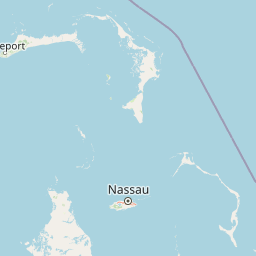
Map view of Tilloo Cay National Reserve

Use this park location map to pinpoint Tilloo Cay National Reserve in Bahamas, understand its exact geographic position, and read its mapped placement within the surrounding landscape more clearly.

Pigeon | © OpenStreetMap contributors

Location context for Tilloo Cay National Reserve

Abaco Islands
Park atlas

Discover more Bahamian protected landscapes, marine parks, and island reserves across the diverse Abaco archipelago.

Explore Other Protected Areas Near Tilloo Cay National Reserve and the Abaco Islands
Continue your park exploration by comparing other significant protected areas situated geographically close to Tilloo Cay National Reserve, revealing diverse island ecosystems and conservation efforts. Trace the regional spread of nature reserves and national parks across the Abaco Islands, understanding broader protected-area networks and unique habitats.
National parkBahamas

Pelican Cays Land and Sea Park: Protected Marine Landscape in the Bahamas

Explore coral reefs, undersea caves, and vital sea turtle habitats.

Pelican Cays Land and Sea Park, a protected national park in the Bahamas, offers a rich marine atlas experience. Its landscape is defined by extensive coral reef formations and unique undersea cave systems, supporting remarkable biodiversity. This park highlights the importance of protected waters for species like sea turtles and provides exceptional opportunities for exploring submerged geography and vibrant coral ecosystems.

Area
8 km²
Established
1972
IUCN
II
National parkBahamas

Fowl Cays National Park: Bahamas Marine Protected Area and Coral Reef Atlas

Discover the mapped geography and marine ecosystems of this Bahamian national park.

Fowl Cays National Park in the Bahamas is a protected marine environment known for its significant coral reef formations and supporting seagrass meadows. This atlas-focused entry details the park's geographic setting within the Abaco Islands, highlighting its importance as a marine conservation landscape. Users can explore the protected boundaries and the ecological richness of this vital Caribbean ecosystem.

Area
9 km²
Established
2009
IUCN
II
National parkBahamas

Walker's Cay National Park: Bahamas National Park Featuring a Premier Barrier Reef Ecosystem

Explore mapped underwater geography and marine protected boundaries.

Walker's Cay National Park is a vital marine protected area located in the Bahamas, safeguarding approximately 3,840 acres of coastal and ocean waters. Its most distinguishing feature is the expansive barrier reef, a complex underwater geography teeming with diverse marine species that draws attention for diving and snorkeling. This park serves as a crucial element within the atlas of Bahamian protected lands, offering structured insights into marine conservation and the mapped distribution of critical reef habitats.

Area
16 km²
Established
2002
IUCN
II
National parkBahamas

Bonefish Pond National Park: Essential Bahamas Coastal Wetland & Marine Nursery

Mapped protected area, mangrove ecosystem, and habitat for key marine species.

Bonefish Pond National Park, a protected national park on New Providence island in The Bahamas, is essential for its role as a thriving marine nursery. The park's landscape features extensive red mangrove forests, tidal channels, and shallow lagoons crucial for juvenile bonefish, crawfish, and conch. This area highlights effective wetland restoration and conservation, offering valuable insights into Caribbean coastal protected landscapes and their geographic importance.

Area
5 km²
Established
2002
IUCN
II
National parkBahamas

West Side National Park National Park: Extensive Protected Landscape in the Bahamas

Mapped marine and mangrove ecosystems, plus pine forest terrain

Delve into the geographical identity of West Side National Park, a protected national park in the Bahamas renowned for its vast scale and diverse ecosystems. This landscape features significant Caribbean pine forests transitioning into extensive, intact mangrove systems along its coastlines, integrating directly with vital marine habitats. As one of the largest protected areas in the Caribbean, its ecological representation from land to sea offers a unique atlas perspective on Bahamian natural heritage and conservation.

Area
6,070 km²
Established
2002
IUCN
II
National parkMiami-Dade County

Biscayne National Park: Mapped Protected Area and Coastal Landscape

Explore its protected status and geographic setting in Miami-Dade County.

Biscayne National Park represents a significant protected area managed as a U.S. National Park, safeguarding extensive coastal and marine environments. This page offers detailed insight into the park's geographic placement within Miami-Dade County, Florida, focusing on its mapped boundaries and the unique landscape it encompasses. Understand its ecological importance and its distinct contribution to the atlas of protected lands.

Area
699.99 km²
Established
1980
IUCN
V
National parkFlorida

Everglades National Park: Protected Landscape Identity and Regional Geographic Context

Explore its unique natural terrain and mapped boundaries.

Understand Everglades National Park as a distinct protected landscape with significant geographic features within Florida. This page offers an atlas-driven view of its protected area, detailing its mapped boundaries and the surrounding regional natural terrain. Discover the core identity of this national park through its landscape and geographic setting, providing context for broader atlas exploration.

Area
6,106.61 km²
Established
1947
IUCN
II
National parkMonroe County

Dry Tortugas National Park: Mapped Boundaries and Geographic Context in Monroe County

Explore the protected landscape and regional geography.

Uncover the protected landscape of Dry Tortugas National Park, a significant U.S. National Park located in Monroe County. This atlas entry details its mapped boundaries and unique geographic features, providing essential context for understanding its place in regional geography. Discover the distinct natural terrain and protected area identity that define Dry Tortugas National Park, supporting deeper geographic exploration.

Area
261.84 km²
Established
1935
IUCN
II

Common questions about visiting, size, designation, and location context for Tilloo Cay National Reserve

Tilloo Cay National Reserve FAQs for park facts, access, geography, and protected area context
Find quick answers about Tilloo Cay National Reserve, including protected-area facts, park geography, trail and visitor context, and how the park fits into its surrounding country and regional landscape.
MoriAtlas Explorer

Continue Your Protected Areas Search Across the Global Atlas

Deepen your exploration by continuing the structured search for national parks and protected areas worldwide. Utilize the comprehensive filtering capabilities to compare different conservation landscapes and refine your understanding of global park geography. Discover more about the distribution and characteristics of protected natural areas.

Global natural geography