

Mori Atlas logo
National parkPelican Cays Land and Sea Park

Discover the mapped boundaries and diverse marine protected landscape of this key Bahamian natural area.

Pelican Cays Land and Sea Park: A Bahamas National Park with Coral Reefs and Undersea Caves

Pelican Cays Land and Sea Park represents a significant protected landscape within the Bahamas, established in 1972 to safeguard its exceptional marine environments. This national park, spanning approximately 2,100 acres across both land and sea, is renowned for its extensive coral reef formations and unique undersea cave habitats. Its protected status highlights the commitment to preserving the archipelago's vital coastal and marine ecosystems, offering unparalleled atlas-style insights into underwater geography and biodiversity.

Marine protected areaCoral reefsSea turtlesSnorkeling and divingCaribbean islandsAbaco Islands

Pelican Cays Land and Sea Park

National park

Park overview

Structured park overview, official facts, and landscape profile for Pelican Cays Land and Sea Park

Pelican Cays Land and Sea Park park facts, protected area profile, and essential visitor context
Review the core facts for Pelican Cays Land and Sea Park, including designation, size, terrain, visitor scale, habitats, and operating context in one park-focused overview.

About Pelican Cays Land and Sea Park

Pelican Cays Land and Sea Park represents a significant protected area within the Bahamas' system of national parks, established in 1972 to preserve the unique ecological character of the Abaco Islands region. The park occupies a strategic position in Central Abaco, encompassing both terrestrial habitats and substantial marine environments that together create a comprehensive protected ecosystem. The marine component of the park is particularly notable, featuring extensive coral reef systems that form the backbone of the local marine biodiversity. These reef environments provide critical habitat for numerous marine species and contribute to the overall health of the surrounding waters. Beyond the coral reefs, the park contains undersea cave systems that add geological and ecological complexity to the underwater environment. These caves offer specialized habitats and add to the diversity of experiences available to visitors exploring the park's waters. The management of Pelican Cays falls under the Bahamas National Trust, which oversees conservation efforts and works to maintain the ecological integrity of this protected area.

Quick facts and research context for Pelican Cays Land and Sea Park

Pelican Cays Land and Sea Park is situated in Central Abaco, part of the Abaco Islands chain in the Bahamas. The park was established in 1972 and covers roughly 2,100 acres of combined land and sea territory. Its marine environment contains extensive coral reef systems and undersea cave networks that create a rich underwater landscape. The Bahamas National Trust serves as the governing body responsible for managing the park's conservation and protection efforts. The area supports over 170 documented species of plants and animals across its terrestrial and marine zones.

Park context

Deeper park guide and search-rich context for Pelican Cays Land and Sea Park

Pelican Cays Land and Sea Park history, landscape, wildlife, and travel context
Explore Pelican Cays Land and Sea Park through its history, landscape character, ecosystems, wildlife, conservation priorities, cultural context, and seasonal travel timing in a structured park guide built for atlas discovery and search intent.

Why Pelican Cays Land and Sea Park stands out

Pelican Cays Land and Sea Park is best known for its outstanding marine environment characterized by extensive coral reef formations and remarkable undersea cave habitats. The park offers outstanding snorkeling and diving opportunities amid healthy coral ecosystems. The protected waters support significant populations of loggerhead and green sea turtles, as well as bottlenose dolphins. The park also serves as a nesting site for bridled terns, adding avian significance to its marine-focused conservation value.

Pelican Cays Land and Sea Park history and protected-area timeline

Pelican Cays Land and Sea Park was established in 1972, making it one of the earlier protected areas in the Bahamas national park system. The creation of the park reflected a growing recognition during that period of the need to conserve the Bahamas' unique marine and coastal ecosystems, which face various pressures from development and resource use. The establishment of the park also coincided with the broader regional movement to establish marine protected areas that could serve as refuges for marine life and preserve underwater environments for future generations. The Bahamas National Trust was designated as the governing body responsible for managing the park, providing institutional framework for conservation activities and visitor management. The park's designation as a land and sea park highlighted the integrated approach to protection, recognizing that both terrestrial and marine environments require conservation attention.

Pelican Cays Land and Sea Park landscape and geographic character

The Pelican Cays landscape encompasses a distinctive combination of island terrain and marine environments characteristic of the Bahamas archipelago. The terrestrial areas within the park contribute to the overall protected landscape, while the marine components form the core of the park's ecological significance. The underwater landscape features extensive coral reef formations that create complex, three-dimensional habitats beneath the surface. These reef systems vary in structure and composition, supporting diverse marine communities. The undersea cave habitats represent another significant geological feature, providing sheltered environments that differ from the open reef areas. The waters surrounding the cays offer clear visibility conditions typical of Caribbean marine environments, allowing for effective underwater exploration and observation of the marine life that inhabits the reef and cave systems.

Pelican Cays Land and Sea Park ecosystems, habitats, and plant life

The nature of Pelican Cays Land and Sea Park centers on its diverse marine ecosystems that thrive within the protected waters. The extensive coral reef environments support complex ecological communities, with corals forming the foundation of the marine food web. These reef systems provide spawning, nursery, and feeding grounds for numerous fish species and invertebrates. The undersea cave habitats add ecological diversity by offering different environmental conditions and specialized species adapted to cave environments. The overall marine environment benefits from protection status, which helps maintain water quality and reduces pressures that could otherwise degrade coral health. The park's biodiversity extends beyond the marine realm, with documented plant and animal species present in the terrestrial portions as well, creating a holistic protected ecosystem.

Pelican Cays Land and Sea Park wildlife and species highlights

The wildlife of Pelican Cays Land and Sea Park encompasses both marine and avian species that inhabit the protected environments. The marine environment hosts significant populations of sea turtles, including both loggerhead and green sea turtles that utilize the park's waters for feeding and potentially nesting activities. Bottlenose dolphins are another notable marine mammal species present in the area, often observed in the protected waters. The avian wildlife includes nesting bridled terns, which use the terrestrial components of the park for breeding activities. Beyond these signature species, the park documents over 170 species of plants and animals across its land and sea areas, indicating substantial overall biodiversity. The coral reef environments support countless fish species and invertebrates that contribute to the overall ecological richness of the protected area.

Pelican Cays Land and Sea Park conservation status and protection priorities

Pelican Cays Land and Sea Park serves an important conservation function within the Bahamas' protected area network. Established in 1972, the park represents an early commitment to marine conservation in the archipelago. The protection of coral reef habitats is particularly significant given the global pressures facing coral ecosystems from climate change, ocean acidification, and direct human impacts. The park's undersea cave habitats add to its conservation value by preserving unique geological and ecological features. The designation as a land and sea park reflects an integrated approach to conservation that recognizes the connections between terrestrial and marine environments. The Bahamas National Trust maintains management oversight, working to preserve the park's ecological integrity while allowing for sustainable visitor use through activities like snorkeling and diving that can coexist with conservation objectives when properly managed.

Pelican Cays Land and Sea Park cultural meaning and human context

Pelican Cays Land and Sea Park is located within the Abaco Islands, a region with historical connections to maritime activities and island communities. The Bahamas has a rich cultural heritage tied to the sea, with fishing, shipbuilding, and maritime trade forming important traditional occupations. While the park itself focuses primarily on natural conservation, the surrounding region has been shaped by human interactions with the marine environment over generations. The Abaco Islands are home to communities that have maintained connections to the surrounding waters and coastal areas. The protected status of Pelican Cays helps preserve the natural environment that has historically supported local communities and their traditional relationships with the sea.

Top sights and standout views in Pelican Cays Land and Sea Park

Pelican Cays Land and Sea Park stands out for its exceptional coral reef ecosystems that remain healthy within the protected boundaries. The undersea cave systems offer unique underwater exploration opportunities not commonly found in all marine protected areas. The presence of endangered sea turtles, including loggerhead and green sea turtles, adds significant conservation value to the park. The nesting population of bridled terns provides avian interest and demonstrates the park's importance for multiple species groups. The park's dual land and sea designation creates a comprehensive protected area that addresses both terrestrial and marine conservation needs. Visitor activities center on snorkeling and diving experiences that allow direct appreciation of the underwater environments.

Best time to visit Pelican Cays Land and Sea Park

Pelican Cays Land and Sea Park can be visited throughout the year given the Bahamas' subtropical climate. The summer months typically offer warmer water temperatures and longer daylight hours for underwater activities, though this period may coincide with higher humidity and potential for tropical weather. The winter months generally bring cooler air temperatures but maintain comfortable water conditions for snorkeling and diving. Visibility underwater tends to be good year-round, though conditions can vary based on weather patterns and water movement. The dry season from November through April often provides more consistent weather conditions, while the hurricane season from June through November requires awareness of weather systems that could affect travel plans.
Park location guide

Geography guide, regional context, and park location map for Pelican Cays Land and Sea Park

Pelican Cays Land and Sea Park park geography, regions, and map view in Bahamas
Understand where Pelican Cays Land and Sea Park sits in Bahamas through a broader geographic reading of the surrounding landscape, nearby location context, and its mapped position within the national park landscape.

How Pelican Cays Land and Sea Park fits into Bahamas

The Bahamas is an island nation in the Atlantic Ocean, forming part of the Lucayan Archipelago. It consists of more than 3,000 islands, cays and islets located north of Cuba, northwest of Hispaniola, and southeast of Florida. The country gained independence from Britain in 1973 and operates as a constitutional monarchy under King Charles III, with Nassau as its capital and largest city.

Wider geography shaping Pelican Cays Land and Sea Park in Bahamas

The Bahamas occupies the Lucayan Archipelago in the Atlantic Ocean. The island chain is positioned north of Cuba, northwest of Hispaniola (shared by the Dominican Republic and Haiti), southeast of the US state of Florida, and east of the Florida Keys. The territory spans over 3,000 islands, cays and islets, with the total land area being 13,943 km². The Royal Bahamas Defence Force claims approximately 470,000 km² of surrounding ocean space.

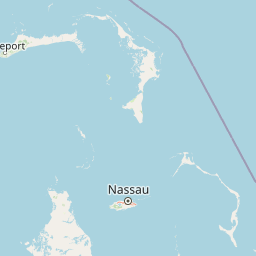
Map view of Pelican Cays Land and Sea Park

Use this park location map to pinpoint Pelican Cays Land and Sea Park in Bahamas, understand its exact geographic position, and read its mapped placement within the surrounding landscape more clearly.

Pigeon | © OpenStreetMap contributors

Location context for Pelican Cays Land and Sea Park

Central Abaco
Park atlas

Compare marine and island protected landscapes across the Abaco Islands and the broader Bahamas region.

Discover Nearby National Parks and Protected Areas Around Pelican Cays Land and Sea Park
After exploring Pelican Cays Land and Sea Park, browse other national parks and marine protected areas within the Abaco Islands and the wider Bahamas archipelago. Compare varied conservation landscapes, from coral reef ecosystems to coastal territories, to understand the regional spread of protected environments and their unique ecological features.
Nature reserveHope Town

Tilloo Cay National Reserve Nature Reserve: Coastal Habitat for White-Tailed Tropicbirds

Mapped protected area within the Hope Town region of the Abacos.

Tilloo Cay National Reserve, a protected nature reserve situated near Hope Town, represents a significant habitat for the white-tailed tropicbird, a species reliant on such island nesting sites. This 11-acre reserve showcases a characteristic Bahamian small island ecosystem, featuring coastal terrain and scrub vegetation. Its protected status under the Bahamas National Trust ensures the security of critical breeding grounds, making it a key focus for conservation within the Abaco Islands. The reserve offers a distinct example of targeted habitat preservation, contributing to the broader atlas of protected natural landscapes in the Caribbean.

Area
0.04 km²
Established
1990
IUCN
II
Relief
Lowland
National parkBahamas

Fowl Cays National Park: Bahamas Marine Protected Area and Coral Reef Atlas

Discover the mapped geography and marine ecosystems of this Bahamian national park.

Fowl Cays National Park in the Bahamas is a protected marine environment known for its significant coral reef formations and supporting seagrass meadows. This atlas-focused entry details the park's geographic setting within the Abaco Islands, highlighting its importance as a marine conservation landscape. Users can explore the protected boundaries and the ecological richness of this vital Caribbean ecosystem.

Area
9 km²
Established
2009
IUCN
II
National parkBahamas

Bonefish Pond National Park: Essential Bahamas Coastal Wetland & Marine Nursery

Mapped protected area, mangrove ecosystem, and habitat for key marine species.

Bonefish Pond National Park, a protected national park on New Providence island in The Bahamas, is essential for its role as a thriving marine nursery. The park's landscape features extensive red mangrove forests, tidal channels, and shallow lagoons crucial for juvenile bonefish, crawfish, and conch. This area highlights effective wetland restoration and conservation, offering valuable insights into Caribbean coastal protected landscapes and their geographic importance.

Area
5 km²
Established
2002
IUCN
II
National parkBahamas

Walker's Cay National Park: Bahamas National Park Featuring a Premier Barrier Reef Ecosystem

Explore mapped underwater geography and marine protected boundaries.

Walker's Cay National Park is a vital marine protected area located in the Bahamas, safeguarding approximately 3,840 acres of coastal and ocean waters. Its most distinguishing feature is the expansive barrier reef, a complex underwater geography teeming with diverse marine species that draws attention for diving and snorkeling. This park serves as a crucial element within the atlas of Bahamian protected lands, offering structured insights into marine conservation and the mapped distribution of critical reef habitats.

Area
16 km²
Established
2002
IUCN
II
National parkBahamas

West Side National Park National Park: Extensive Protected Landscape in the Bahamas

Mapped marine and mangrove ecosystems, plus pine forest terrain

Delve into the geographical identity of West Side National Park, a protected national park in the Bahamas renowned for its vast scale and diverse ecosystems. This landscape features significant Caribbean pine forests transitioning into extensive, intact mangrove systems along its coastlines, integrating directly with vital marine habitats. As one of the largest protected areas in the Caribbean, its ecological representation from land to sea offers a unique atlas perspective on Bahamian natural heritage and conservation.

Area
6,070 km²
Established
2002
IUCN
II
National parkMiami-Dade County

Biscayne National Park: Mapped Protected Area and Coastal Landscape

Explore its protected status and geographic setting in Miami-Dade County.

Biscayne National Park represents a significant protected area managed as a U.S. National Park, safeguarding extensive coastal and marine environments. This page offers detailed insight into the park's geographic placement within Miami-Dade County, Florida, focusing on its mapped boundaries and the unique landscape it encompasses. Understand its ecological importance and its distinct contribution to the atlas of protected lands.

Area
699.99 km²
Established
1980
IUCN
V
National parkFlorida

Everglades National Park: Protected Landscape Identity and Regional Geographic Context

Explore its unique natural terrain and mapped boundaries.

Understand Everglades National Park as a distinct protected landscape with significant geographic features within Florida. This page offers an atlas-driven view of its protected area, detailing its mapped boundaries and the surrounding regional natural terrain. Discover the core identity of this national park through its landscape and geographic setting, providing context for broader atlas exploration.

Area
6,106.61 km²
Established
1947
IUCN
II
National parkMonroe County

Dry Tortugas National Park: Mapped Boundaries and Geographic Context in Monroe County

Explore the protected landscape and regional geography.

Uncover the protected landscape of Dry Tortugas National Park, a significant U.S. National Park located in Monroe County. This atlas entry details its mapped boundaries and unique geographic features, providing essential context for understanding its place in regional geography. Discover the distinct natural terrain and protected area identity that define Dry Tortugas National Park, supporting deeper geographic exploration.

Area
261.84 km²
Established
1935
IUCN
II

Common questions about visiting, size, designation, and location context for Pelican Cays Land and Sea Park

Pelican Cays Land and Sea Park FAQs for park facts, access, geography, and protected area context
Find quick answers about Pelican Cays Land and Sea Park, including protected-area facts, park geography, trail and visitor context, and how the park fits into its surrounding country and regional landscape.
MoriAtlas Explorer

Continue Your Protected Areas Search Across the Global Atlas

Deepen your exploration by continuing the structured search for national parks and protected areas worldwide. Utilize the comprehensive filtering capabilities to compare different conservation landscapes and refine your understanding of global park geography. Discover more about the distribution and characteristics of protected natural areas.

Global natural geography