
Why Lago Puelo National Park stands out
Lago Puelo National Park is best known for its exceptional ecological blending of two distinct biomes: the Patagonian forest and the Andean steppe, with significant ingress of the Valdivian temperate rain forest that typically occurs at much higher latitudes in Chile. The park is celebrated for its glacial-origin lakes, particularly the namesake Puelo Lake with its turquoise waters colored by glacier-borne silt. The protected area serves as a refuge for species like the endangered huemul and pudú, and features caves with archaeological rock art left by the region's earliest inhabitants. The combination of accessible low-elevation forests, dramatic mountain backdrops, and the Andean trans-frontalier connection makes this park distinctive among Argentine protected areas.
Lago Puelo National Park history and protected-area timeline
The protected status of the Lago Puelo area traces back to 1937 when President Agustín Pedro Justo declared national reserves in four Patagonian territories through Decree 105,433. This decree established the Los Alerces National Reserve with an annex at Puelo Lake, located approximately 115 kilometers to the north. In 1945, Decree Law 9504 transformed the Los Alerces reserve into Los Alerces National Park, incorporating the Puelo annex as part of this new designation. However, it was not until 1971 that the Puelo area gained independent status as its own national park through Law 19292, which officially separated the Puelo annex and created both the Lago Puelo National Park and associated national reserves. Additional legislation in 1980, Law 22351, incorporated the park and its reserves into the national parks system. The park's boundaries were formally defined through this legislation, specifying the limits of the national park area and two national reserve zones known as Zona Turbio and Zona Norte. In 2007, the park became part of the Andean Norpatagonian Biosphere Reserve, reflecting its international ecological significance.
Lago Puelo National Park landscape and geographic character
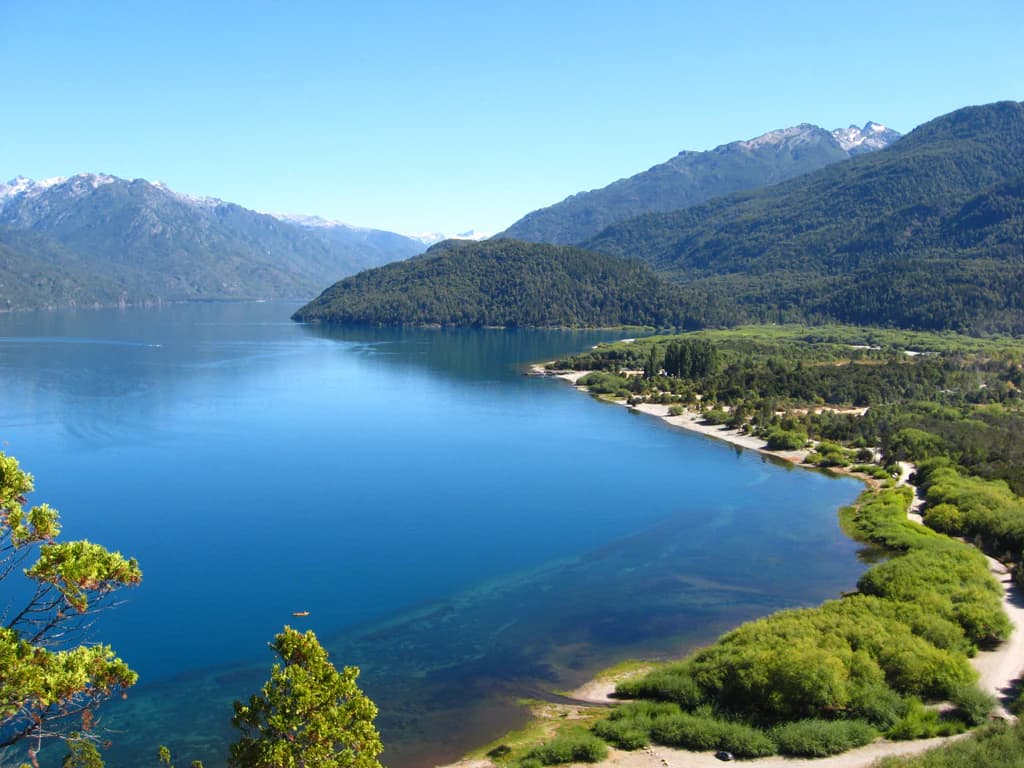
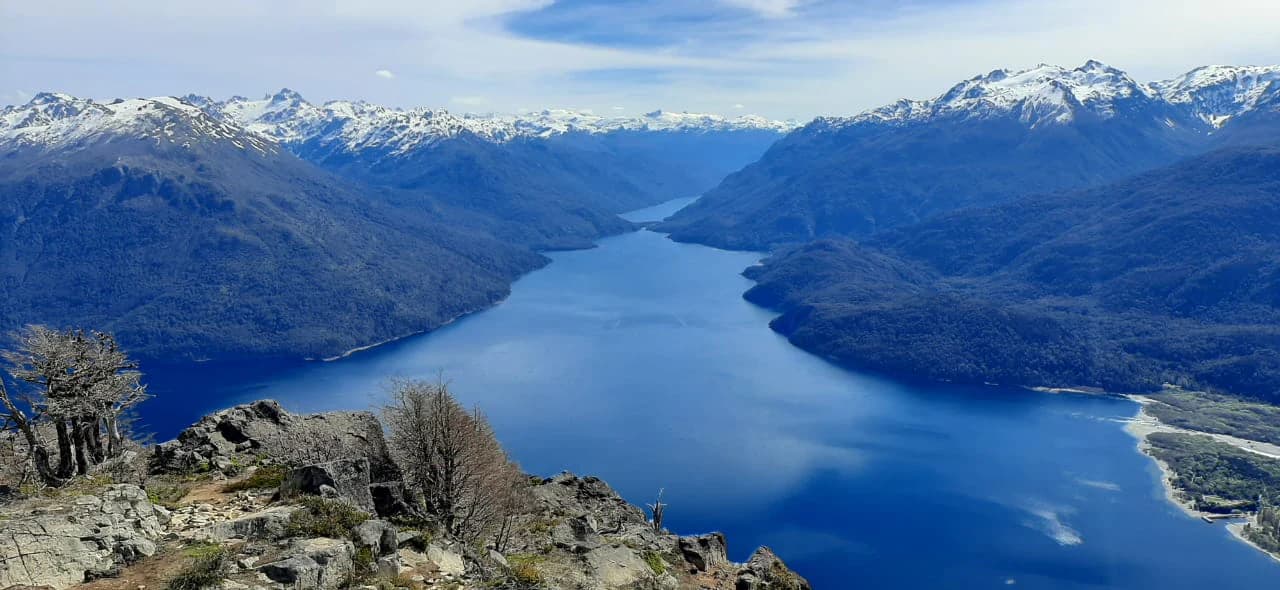
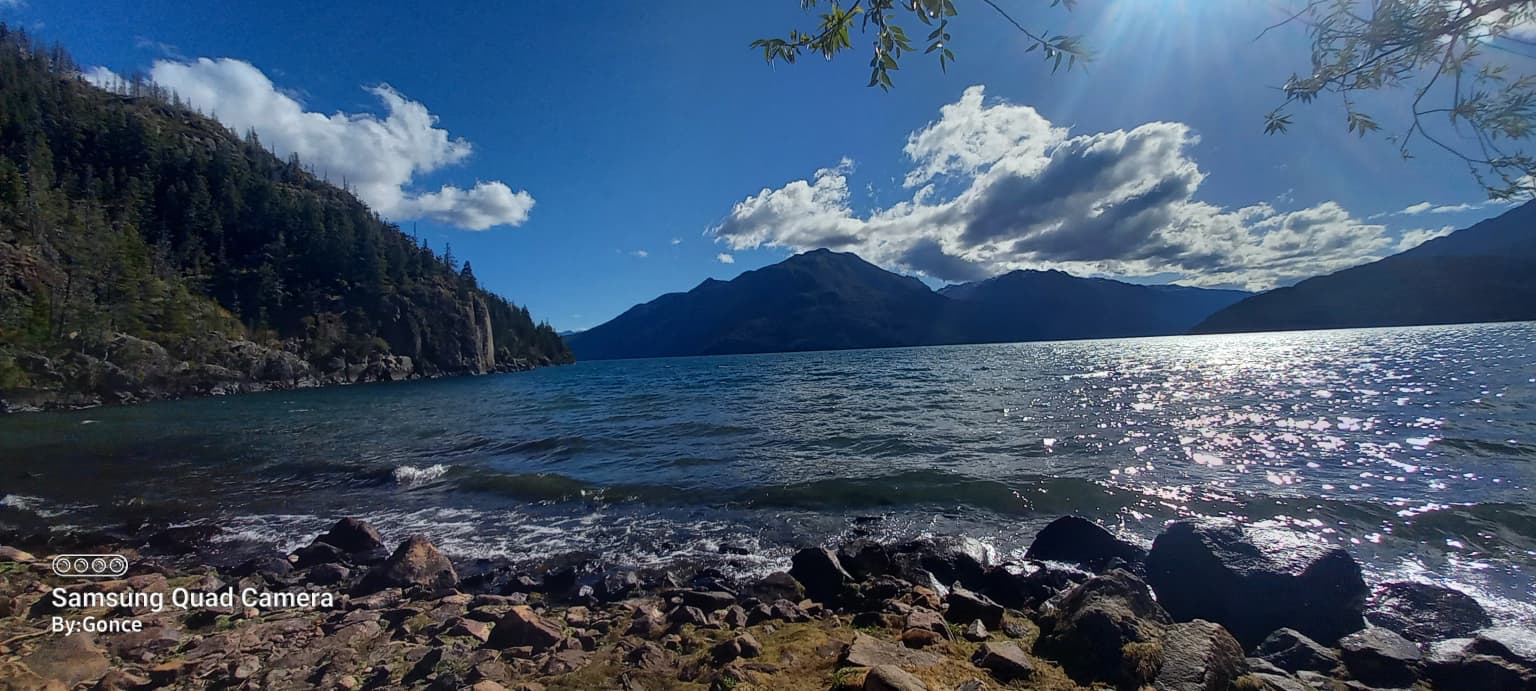
The landscape of Lago Puelo National Park is defined by mountainous terrain sculpted by glacial processes during the Pleistocene epoch. The dominant feature is Puelo Lake, a glacial lake whose name derives from the area and which serves as the park's geographic and symbolic center. The lake's waters display a distinctive turquoise to opaque blue-green coloration, a characteristic imparted by the high concentration of glacial silt and sediments carried into the lake by the region's rivers. The park's terrain features multiple glacial valleys, steep mountain slopes, and a network of rivers and smaller lakes that drain the surrounding catchments. Elevation within the park varies significantly, creating diverse microclimates and ecological niches. The mountainous backdrop creates dramatic scenery, with imposing peaks rising from the lake shores and forest-clad slopes descending to the water's edge. This combination of water, forest, and mountain creates one of Patagonia's most visually striking landscapes.
Lago Puelo National Park ecosystems, habitats, and plant life
The ecological character of Lago Puelo National Park sets it apart from other protected areas in Argentina's Andean-Patagonian region. The park sits at the intersection of multiple ecoregions, including the Patagonian forest and steppe, and the High Andes. However, its most remarkable feature is the presence of the Valdivian temperate rain forest, an ecosystem whose main distribution is in Chile but which enters this area through the valley's trans-Andean connection. The low elevation of Puelo Lake's shores, at approximately 200 meters above sea level, creates a microclimate that supports species typically found much farther north. The park's flora includes characteristic species of both the Andean-Patagonian forest and the Valdivia forest: the tique, avellano, ulmo, lingue, coihue, lenga, ciprés de la cordillera, radal, and arrayán. This botanical diversity makes the park a unique location within Argentina's protected area network.
Lago Puelo National Park wildlife and species highlights
The fauna of Lago Puelo National Park includes several species emblematic of Patagonia's wilderness. The park provides habitat for the huemul, a species of deer listed as endangered and considered a symbol of Patagonia, as well as the smaller pudú. Predators present in the park include the puma (cougar) and the red fox. The coipo, a large rodent also known as the nutria, inhabits the wetland areas. The avian fauna is diverse, with species such as the huala (a diving duck), the flying steamer duck, the bandurria (a ibis-like bird), and the Patagonian thrush. The lakes support native fish species including the perca, peladilla, and puyén grande, though introduced trout have spread throughout the waters. Some introduced species, particularly the rosa mosqueta plant, have become invasive and spread widely throughout the zone.
Lago Puelo National Park conservation status and protection priorities
Lago Puelo National Park was created specifically to protect the scenic landscape and the unique biological character of the Puelo Lake basin, augmenting conservation efforts in the nearby Los Alerces National Park. The park forms part of a network of protected areas that preserve Patagonia's diverse ecosystems. In 2007, the park was incorporated into the Andean Norpatagonian Biosphere Reserve, recognizing its international significance for biodiversity conservation. Within the park, two sectors have been designated as strict natural reserves, providing the highest level of protection to the most sensitive areas. The park's management falls under Argentina's Administración de Parques Nacionales, which classifies it as a complexity level II protected area requiring direct administrative oversight. Conservation challenges include managing introduced species like trout and rosa mosqueta that compete with native species.
Lago Puelo National Park cultural meaning and human context
The area now within Lago Puelo National Park has a long human history extending back thousands of years. The first inhabitants were hunter-gatherer peoples who lived in the steppe and used stone tools to hunt guanacos, the wild ancestor of llamas. Evidence of these early inhabitants remains within the park in the form of cave paintings depicting representations of paths leading into the forest. Today, Mapuche communities continue to inhabit the eastern portions of the park region, maintaining cultural connections to the land. Within the park boundaries, there are permanent residents who hold special permits to reside in the area. The park also contains archaeological sites with rock art featuring geometric motifs in reddish colors painted on stone surfaces, providing tangible evidence of the long human presence in this landscape.
Top sights and standout views in Lago Puelo National Park
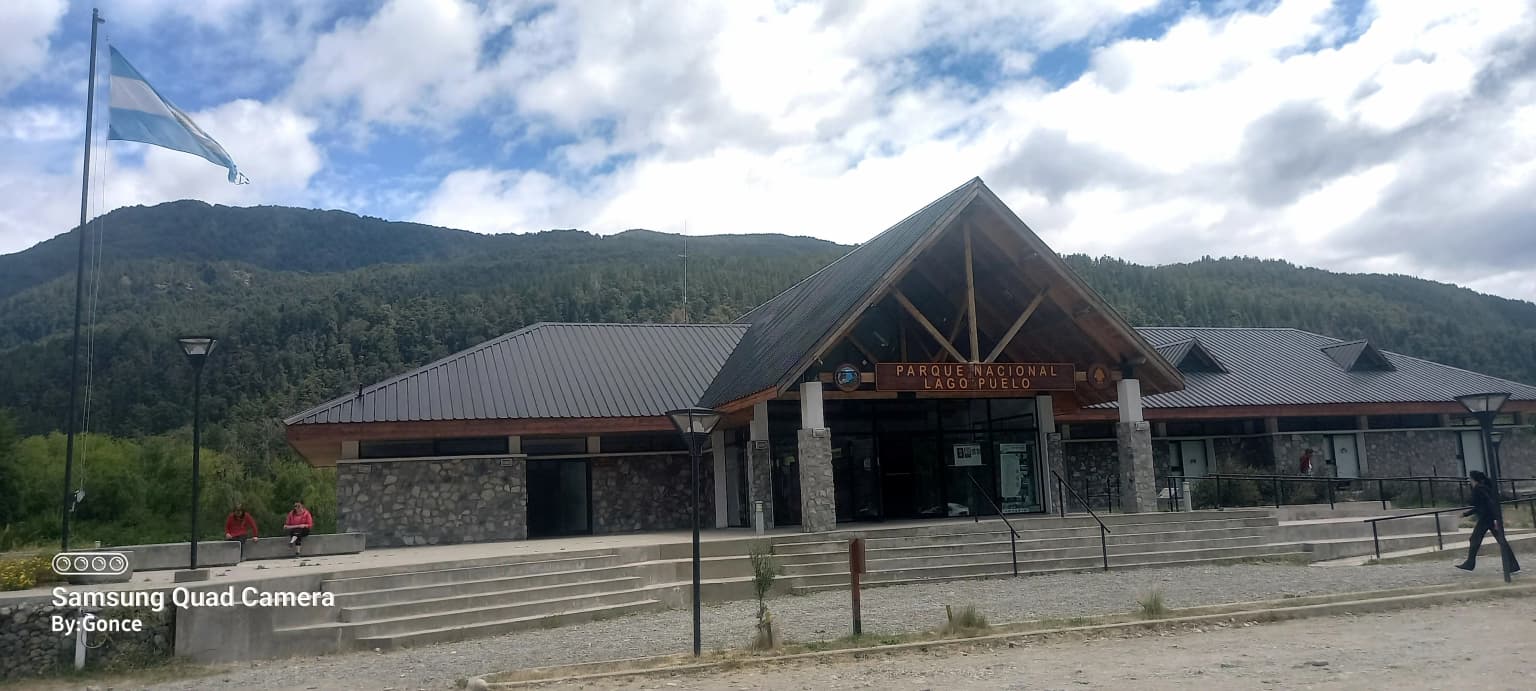
Lago Puelo National Park offers visitors the opportunity to experience one of Patagonia's most scenic and ecologically distinctive protected areas. The centerpiece Puelo Lake, with its glacier-colored waters and mountain backdrop, provides the park's most iconic view. Visitors can explore marked trails of varying difficulty, camp at designated areas, take boat excursions on the lake, and fish in the waters. The park's visitor center provides interpretive information about the area's natural and cultural values. The combination of accessible low-elevation forests, exceptional biodiversity, and the blend of Andean and Patagonian influences creates a visitor experience distinct from other Argentine national parks.
Best time to visit Lago Puelo National Park
The park can be visited year-round, though the optimal period runs from late spring through early autumn in the Southern Hemisphere (approximately November to March). During this time, temperatures are mildest and most suitable for outdoor activities, with average highs reaching around 17°C in summer. The winter months bring colder conditions and precipitation, though the park remains accessible. The climate is characterized by wet conditions throughout the year, with the majority of rainfall concentrated between May and August. Visitors should be prepared for changeable weather and the possibility of snow even in summer at higher elevations.