Why Las Orquídeas National Natural Park stands out
Las Orquídeas National Natural Park is best known for its extraordinary elevational gradient, which creates an unusual concentration of ecosystem types within a single protected area. The park protects critical habitat within the Chocó biogeographic region, one of the world's most species-rich and threatened biodiversity hotspots. Its significance extends to the preservation of Northwestern Andean montane forests and Northern Andean páramo ecosystems, both of which harbor numerous endemic species found nowhere else on Earth. The transition from lowland rainforest through premontane and montane forest to páramo grassland within such a compact area makes the park a living laboratory for understanding tropical mountain ecology.
Las Orquídeas National Natural Park history and protected-area timeline
Las Orquídeas National Natural Park was established in 1974 as part of Colombia's expanding national park system during a period when the country was actively working to protect its most significant natural areas. The creation of the park reflected growing recognition of the ecological importance of the Colombian Andes, which harbor extraordinary biodiversity across their elevational gradients. Colombia's national park system was developed through the National System of Protected Areas (SINAP), which continues to administer Las Orquídeas and coordinate conservation efforts across the country's protected territories. The establishment of the park provided formal legal protection to an area that had previously faced increasing pressure from human activities including logging, agriculture, and cattle ranching. Over the decades since its creation, the park has remained an important protected area in Colombia's conservation portfolio, though like many protected areas in the country, it faces ongoing challenges related to habitat fragmentation and encroachment in surrounding areas.
Las Orquídeas National Natural Park landscape and geographic character
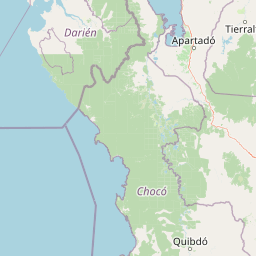
The landscape of Las Orquídeas National Natural Park is defined by its dramatic topographic variation, with steep mountain slopes descending from the high peaks of the Cordillera Occidental toward lower-lying terrain to the west. The terrain rises from approximately 300 meters above sea level at the park's lowest points to 3,450 meters at its highest elevations, creating a landscape of extraordinary vertical relief. Throughout this elevational range, the topography varies from relatively gentle valleys where streams have cut through the mountains to steep, cliff-faced ridges and rocky outcrops typical of high-elevation Andean terrain. The park lies within a region of high rainfall, and this moisture has shaped the landscape through extensive erosion, the formation of numerous streams and small rivers, and the development of deep soils in lower elevations. At the highest elevations, the landscape transitions to the exposed, wind-swept terrain characteristic of páramo ecosystems, where vegetation is low and sparse compared to the dense forests found at lower elevations.
Las Orquídeas National Natural Park ecosystems, habitats, and plant life
The nature of Las Orquídeas National Natural Park is characterized by a series of distinct ecological zones that follow the elevational gradient from lowland rainforest to alpine páramo grassland. Below approximately 1,000 meters, the park supports lowland rainforest within the Chocó–Darién moist forests ecoregion, one of the most species-rich forest types in the world. As elevation increases, the vegetation transitions to premontane forest between 1,000 and 2,000 meters, and then to montane forest from 2,000 to 3,200 meters. At the highest elevations, above approximately 3,200 meters, the forest gives way to páramo grassland characterized by bunch grasses, shrubs, and other plants adapted to cool, wet conditions and seasonal frost. This elevational sequence creates remarkable ecological diversity within the park's boundaries, with each zone supporting distinct communities of plants and animals adapted to local conditions. The high rainfall throughout the park, ranging from 2,500 to 4,000 millimeters annually depending on elevation, sustains these diverse ecosystems and supports the high productivity of the forests.
Las Orquídeas National Natural Park wildlife and species highlights
Las Orquídeas National Natural Park supports rich wildlife communities across its multiple ecosystem types, with species compositions that vary significantly across the elevational gradient. The lowland rainforests at the park's lower elevations harbor diverse communities of tropical birds, mammals, reptiles, and amphibians, many of which are endemic to the Chocó region. As elevation increases, different species assemblages occupy the premontane and montane forests, with species adapted to cooler, more humid conditions becoming increasingly common. The páramo zone at the highest elevations supports distinctive high-altitude species that are specialized for life in the cool, windy conditions above the tree line. While specific species details are limited in the available source material, the park's location within one of the world's biodiversity hotspots and its protection of multiple ecosystem types suggests it supports significant wildlife diversity across its elevational range.
Las Orquídeas National Natural Park conservation status and protection priorities
Las Orquídeas National Natural Park plays an important role in Colombia's conservation strategy, protecting representative examples of ecosystems that have been significantly altered in surrounding areas. The park's location within the Chocó biogeographic region makes it particularly significant, as this region is recognized globally as a biodiversity hotspot with extremely high species endemism. The protection of the park's elevational gradient is especially valuable, as it preserves the ecological connections between lowland and high-elevation ecosystems that are essential for species migration, gene flow, and the maintenance of ecological processes. The park also contributes to watershed protection, with its forests capturing and regulating water that flows downslope to support communities in lower elevations. Colombia's national park system provides the legal framework for the park's protection, though effective conservation requires ongoing management and resources to address threats from surrounding land uses.
Las Orquídeas National Natural Park cultural meaning and human context
The territory encompassed by Las Orquídeas National Natural Park is situated within the traditional lands of indigenous communities in the Colombian Andes. The western slopes of the Cordillera Occidental have been inhabited for centuries, with communities maintaining connections to the land and its resources. While the park is managed as a strictly protected area, the broader region has a cultural history tied to the use and stewardship of mountain ecosystems. The establishment of the protected area represents a particular approach to conservation that emphasizes the preservation of natural ecosystems, though it operates within the context of ongoing discussions about the rights of indigenous communities and the integration of traditional ecological knowledge into protected area management.
Top sights and standout views in Las Orquídeas National Natural Park
The defining highlight of Las Orquídeas National Natural Park is its extraordinary elevational gradient, which compresses an remarkable diversity of ecosystems into a single protected area spanning roughly 3,150 meters from lowest to highest point. Visitors traveling through the park can experience the transition from tropical lowland rainforest through progressively cooler and more humid forest types to the windswept páramo grasslands of the high Andes. This ecological compression makes the park an exceptional destination for understanding tropical mountain ecosystems and the processes that shape species distributions across altitudinal zones. The park's protection of Chocó biogeographic region forests adds further significance, as these ecosystems are among the most biodiverse and also among the most threatened in the world.
Best time to visit Las Orquídeas National Natural Park
Las Orquídeas National Natural Park can be visited throughout the year, as the climate remains generally humid with rainfall occurring in all seasons. The wettest conditions typically occur at middle elevations, where annual rainfall can exceed 3,500 millimeters, while the highest elevations receive slightly less precipitation at around 2,500 millimeters annually. The period from December to March tends to be somewhat drier in many parts of the Colombian Andes, though visitors should expect frequent rain and high humidity throughout the year. The park's high-elevation areas can be particularly cool, especially at night, and conditions can change rapidly as clouds and mist move through the mountains.