Why Soberanía National Park stands out
Soberanía National Park is best known as one of the premier birdwatching destinations in the Americas. The renowned Pipeline Road, originally constructed for an oil pipeline, now serves as a premier wildlife viewing corridor where bird enthusiasts can encounter more than 400 species. The park's tropical rainforest harbors an extraordinary concentration of trogons, toucans, antbirds, and manakins. Beyond avifauna, the park protects significant populations of Neotropical mammals including jaguars, pumas, and tapirs, as well as diverse amphibian communities featuring poison dart frogs.
Soberanía National Park history and protected-area timeline
Soberanía National Park was established in 1980 as part of Panama's expanding network of protected areas during a period of increased environmental awareness in the country. The park was created to preserve the significant tropical forest ecosystem located along the Panama Canal corridor, recognizing both the ecological importance and the strategic value of maintaining green buffers around the waterway. Initially, the land that now comprises Parque Municipal Summit was included within the park's boundaries but was transferred to Panama City administration in 1985, reducing the park's total area. The establishment of the park also coincided with growing international recognition of the Panama Canal region's significance for migratory birds and endemic species. The creation of the park provided formal protection for forests that had long been impacted by human activity while still preserving areas of old-growth forest that had survived logging and agricultural conversion.
Soberanía National Park landscape and geographic character
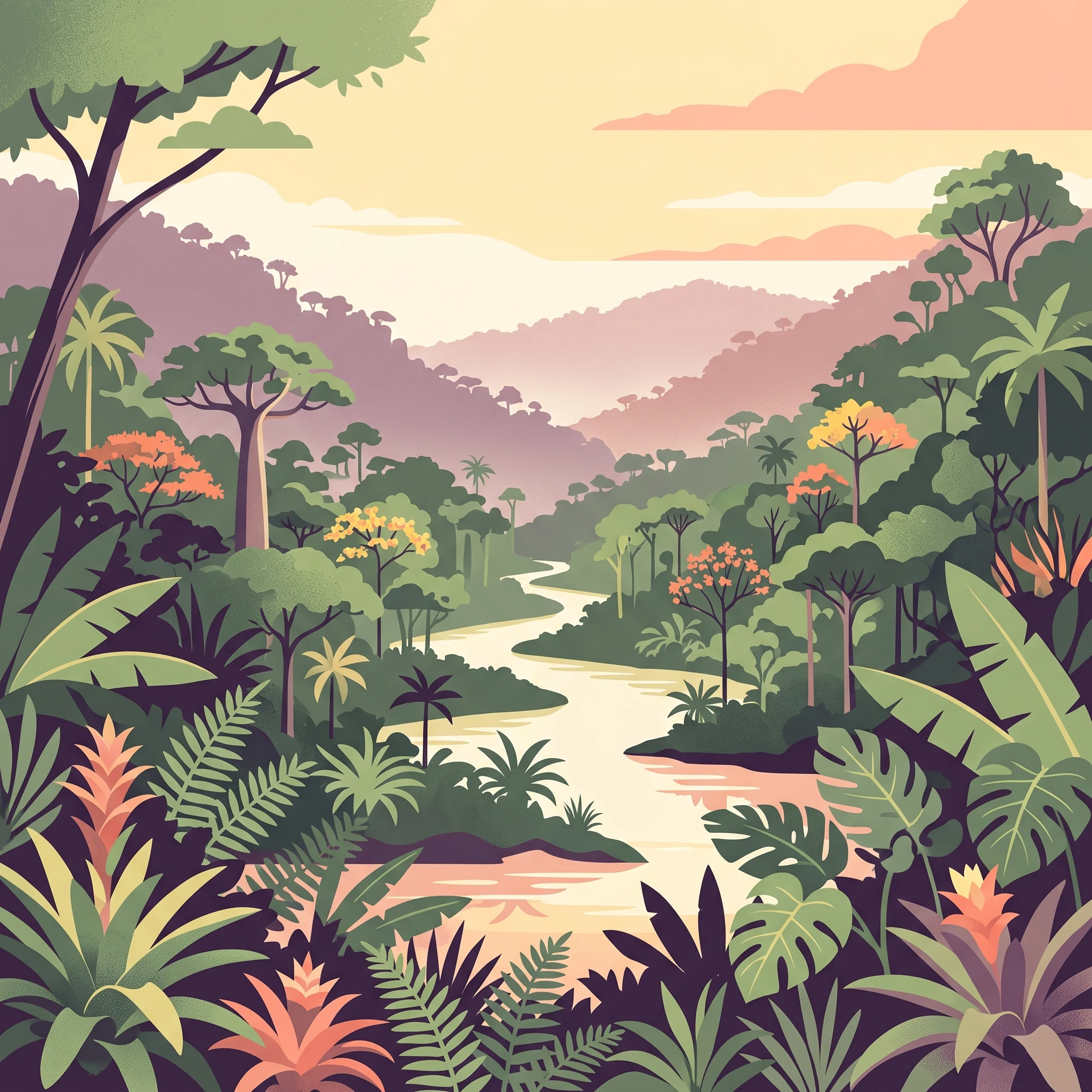
The terrain within Soberanía National Park consists of rolling hills and valleys carved by the Chagres River and its tributaries. The landscape transitions from riparian zones along the river to slopes covered in dense tropical forest, with elevation changes providing visual and ecological variety throughout the park. The Chagres River, a major tributary feeding the Panama Canal, runs through the park and supports riparian habitats distinct from the surrounding upland forest. Areas of secondary forest exist alongside remnants of old-growth forest, reflecting the landscape's history of human use and subsequent recovery. The combination of waterways, forest canopy, and the historic Pipeline Road corridor creates a landscape where visitors can experience tropical forest environments relatively close to Panama City's urban center.
Soberanía National Park ecosystems, habitats, and plant life
The ecological character of Soberanía National Park is defined by tropical moist forest ecosystems supporting exceptional biodiversity. The park lies within the Isthmian-Pacific moist forest ecoregion, characterized by high species density and significant endemism. Canopy heights in mature forest areas reach 30 to 40 meters, with multiple forest strata supporting diverse plant communities. The Chagres River and associated waterways create riparian corridors that provide habitat for aquatic species and serve as wildlife movement routes through the forest. The forest composition includes various hardwood species, palms, and epiphytes that create the layered structure typical of Neotropical rainforests. The park's designation as an Important Bird Area reflects the global significance of its avian communities within the broader context of Central American forest bird populations.
Soberanía National Park wildlife and species highlights
Soberanía National Park shelters remarkable faunal diversity, with over 525 bird species recorded within its boundaries. The bird community is particularly notable for its diversity of trogons, with six species present including the white-tailed trogon, gartered trogon, and slaty-tailed trogon. Toucans and Aracaris represent another prominent bird group, with both black-mandibled and keel-billed toucans regularly encountered. The antbird family is exceptionally well-represented, with numerous species of antbirds, antwrens, and antthrushes following army ant swarms through the forest understory. The mammalian fauna includes over 100 species, featuring Neotropical predators such as jaguars, pumas, ocelots, and margays. Primates including mantled howler monkeys, Geoffroy's spider monkeys, and Panamanian white-faced capuchins are commonly observed. The park also supports the Central American tapir, the largest terrestrial mammal in the region, as well as diverse smaller mammals including agoutis, pacas, and numerous bat species. Amphibian populations include several poison dart frog species, while reptiles include green iguanas, boa constrictors, and various snake species.
Soberanía National Park conservation status and protection priorities
Soberanía National Park plays a crucial role in regional conservation by protecting a significant tract of tropical forest within the Panama Canal watershed. The park's importance as an ecological corridor has been recognized in the context of broader efforts to maintain connectivity between forest fragments across central Panama. Its designation as an Important Bird Area by BirdLife International highlights the global significance of the bird communities it protects, particularly for migratory species that use the Mesoamerican flyway. The park contributes to watershed protection for the Panama Canal, with the Chagres River being a critical water source for the canal's operation. Conservation challenges include managing visitor impact, addressing edge effects from surrounding landscapes, and maintaining habitat quality for species that require large territories or specialized habitats.
Soberanía National Park cultural meaning and human context
The Las Cruces Trail within Soberanía National Park represents a significant historical feature, dating to the 16th century when Spanish colonizers used this route to transport gold from the Pacific coast toward the Atlantic. Portions of the original trail remain visible, with old stones still marking the path that once connected colonial-era infrastructure across the isthmus. This historical route provides a tangible connection to Panama's colonial period and the role the region played in Spanish colonial commerce. The trail's preservation within the national park framework allows visitors to experience both natural and cultural history within a single visit, combining ecological appreciation with historical understanding of how human activity shaped the landscape over centuries.
Top sights and standout views in Soberanía National Park
Soberanía National Park stands out for its extraordinary accessibility combined with authentic rainforest wilderness. The Pipeline Road corridor offers one of the most reliable birdwatching experiences in tropical Central America, with chances to observe rare and localized species in a relatively compact area. The presence of large Neotropical predators including jaguars and pumas, though elusive, adds to the park's significance for wildlife enthusiasts and researchers. The historic Las Cruces Trail provides a unique cultural dimension rarely found in purely ecological protected areas. The park's location within the Panama Canal region places it at a crossroads of global trade and nature, creating a distinctive juxtaposition of natural and human-made landscapes.
Best time to visit Soberanía National Park
The dry season from mid-December through April generally offers more comfortable conditions for forest exploration, with reduced rainfall making trails more accessible and wildlife easier to observe as animals concentrate around water sources. The wet season from May through November brings heavier rainfall but also creates lush forest conditions and excellent photography opportunities. Birdwatching remains productive throughout the year, though the dry season often produces higher bird activity along the Pipeline Road. The park can be visited year-round, though visitors should be prepared for tropical conditions regardless of season.