
Mori Atlas logo
National parkCahuita National Park

Discover the protected landscape identity and regional geography of Cahuita National Park.

Cahuita National Park: National Park with Mapped Boundaries in Limón Province

Cahuita National Park represents a significant protected landscape within Limón Province, Costa Rica. This detail page offers an atlas-driven view of its geographic scope, helping users understand its protected boundaries and place within the regional natural context. Explore Cahuita National Park's unique geographic footprint and landscape character.

Marine protected areaCoral reefCaribbean coastCosta Rica national parksBeach protectionSnorkeling destinations

Cahuita National Park

National park

Park overview

Structured park overview, official facts, and landscape profile for Cahuita National Park

Cahuita National Park park facts, protected area profile, and essential visitor context
Review the core facts for Cahuita National Park, including designation, size, terrain, visitor scale, habitats, and operating context in one park-focused overview.

About Cahuita National Park

Cahuita National Park occupies a distinctive position in Costa Rica's protected area network as one of the few parks that comprehensively protects both terrestrial and marine ecosystems along the Caribbean coast. The park's location in the Caribbean La Amistad Conservation Area places it within one of Central America's most biodiverse regions, where tropical rainforest meets coral reef in a relatively undeveloped coastal setting. The proximity to the town of Cahuita has shaped the park's development, resulting in well-maintained roads and visitor facilities while still preserving the natural character of the coastline. Visitors can walk from the town directly into the park via Kelly Creek, with access roads entering from both the northern and southern approaches. The marine portion of the park contains a reef system that supports extraordinary invertebrate and fish diversity, while the terrestrial portion encompasses beach, swampy lowlands, and forested areas that provide habitat for Costa Rica's characteristic neotropical wildlife.

Quick facts and research context for Cahuita National Park

Cahuita National Park occupies approximately 1,106 hectares of terrestrial land and 22,300 hectares of marine area along the Caribbean coast in Limón Province. The park protects a 600-hectare reef system known to host at least 35 coral species, 140 mollusc species, 44 crustacean species, and 123 fish species. The outer reef stretches approximately 4 kilometers along the coast. The park was originally designated as a national monument in 1970 before being elevated to national park status in 1978. Uniquely among Costa Rica's national parks, Cahuita does not charge an admission fee at its Cahuita entrance, operating instead on a donation-based system.

Park context

Deeper park guide and search-rich context for Cahuita National Park

Cahuita National Park history, landscape, wildlife, and travel context
Explore Cahuita National Park through its history, landscape character, ecosystems, wildlife, conservation priorities, cultural context, and seasonal travel timing in a structured park guide built for atlas discovery and search intent.

Why Cahuita National Park stands out

Cahuita National Park is best known for its accessible and well-preserved coralline reef system, which ranks among the most visitor-friendly snorkeling destinations on Costa Rica's Caribbean coast. The park's beaches are frequently described as some of the finest and least developed in the country. The protected marine area serves as critical nesting ground for sea turtles, while the adjacent coastal forest provides habitat for diverse wildlife including sloths, white-headed capuchins, mantled howler monkeys, and numerous bird species. The combination of accessible beach, reef snorkeling, and wildlife viewing in a compact area makes the park particularly popular with visitors seeking a nature-focused Caribbean experience.

Cahuita National Park history and protected-area timeline

The territory now protected as Cahuita National Park was first designated as the Cahuita National Monument in 1970, establishing initial protection for the area's natural resources. The designation was upgraded to national park status in 1978, reflecting growing recognition of the area's ecological significance and tourism potential. This change was formally ratified in 1982, solidifying the park's status within Costa Rica's national park system. The park operates under the governance of the National System of Conservation Areas (SINAC). In a notable development in 2025, researchers identified the remains of two Danish slave ships, the Fridericus Quartus and Christianus Quintus, which sank in 1710 within the park's marine boundaries. These shipwrecks had been known to local divers for years before their historical significance was confirmed. Cahuita holds the distinction of being the only national park in Costa Rica that does not charge an admission fee at its Cahuita entrance, relying instead on voluntary donations to support park operations and conservation.

Cahuita National Park landscape and geographic character

The park encompasses a coastal landscape defined by the transition from Caribbean beach to tropical forest to coral reef. The shoreline features relatively undeveloped beaches backed by dense vegetation, creating a classic tropical coastline that remains characteristic of this portion of the Costa Rican Caribbean. Inland from the beach, the terrain consists of lowland forest and swampy areas that form part of the broader Caribbean lowland ecosystem. The marine component extends offshore to encompass the reef system, which begins close to shore and extends along the coast for approximately 4 kilometers. The reef sits in relatively shallow Caribbean waters that warm throughout the year, supporting coral growth and the associated reef community. The landscape is relatively flat at sea level, with the vegetation transitioning from beach strand vegetation through coastal forest to the more extensive lowland rainforest that characterizes this region of Costa Rica.

Cahuita National Park ecosystems, habitats, and plant life

The ecosystems within Cahuita National Park represent the Caribbean coastal and marine environments that make this region of Costa Rica distinct from the Pacific-facing portions of the country. The marine ecosystem centers on a reef system that thrives in the warm Caribbean waters, supporting at least 35 coral species and the complex community of invertebrates and fish that depend on healthy coral habitat. The 140 species of molluscs and 44 species of crustaceans recorded from the reef system reflect the extraordinary invertebrate diversity present in these waters. The terrestrial ecosystems include coastal forest and wetland areas that support the animal species typical of Costa Rica's Caribbean lowlands. The combination of protected marine and terrestrial areas creates a conservation unit that protects the ecological connections between beach, forest, and reef that characterize this coastline.

Cahuita National Park wildlife and species highlights

The wildlife present in Cahuita National Park reflects the diverse neotropical fauna of Costa Rica's Caribbean region. Among the mammals encountered in the park are northern tamanduas, pacas, white-nosed coatis, raccoons, multiple sloth species, agoutis, mantled howler monkeys, and white-headed capuchins. The primate species, particularly the white-headed capuchin, are frequently observed in the forest canopy and represent some of the park's most popular wildlife viewing opportunities. The avian fauna includes notable species such as the green ibis, green-and-rufous kingfisher, and keel-billed toucan, all characteristic of tropical forest environments in this region. Marine mammals are present in the waters surrounding the park, including orcas that have been recorded in the marine protected area. The reef system supports an extensive fish community with at least 123 species documented, while sea turtles use the protected beaches and waters for nesting.

Cahuita National Park conservation status and protection priorities

Cahuita National Park represents an important conservation node within Costa Rica's Caribbean coastal zone, protecting both marine and terrestrial ecosystems that face development pressure along this relatively undeveloped coastline. The marine protected area shields a reef system that, while still healthy, faces the regional challenges of warming waters and coral stress that affect Caribbean reefs broadly. The park's designation as a protected area ensures that the coastal zone retains its natural character and that the reef system remains accessible for both conservation and sustainable tourism. The protection of the beach and coastal forest provides habitat for wildlife species that depend on these environments, while the marine buffer zone creates protection for the reef ecosystem and the species that depend on it. The park's donation-based funding model, while unique among Costa Rica's national parks, reflects a community-oriented approach to conservation that relies on visitor support for ongoing protection.

Cahuita National Park cultural meaning and human context

The park is intimately connected to the town of Cahuita, which shares its name and provides the primary access point for visitors entering from the landward side. This settlement pattern has shaped both the park's development and its management, with roads and facilities that serve both the local community and park visitors. The identification of 18th-century Danish slave shipwrecks within the park's marine boundaries in 2025 adds a historical dimension to the area, revealing a connection to the broader colonial history of the Caribbean region. The relationship between the park and the adjacent community represents a model of integration between protected area management and local livelihoods that distinguishes this park from more isolated conservation areas.

Top sights and standout views in Cahuita National Park

The park's primary attractions include accessible beach recreation along one of Costa Rica's least developed Caribbean beaches, snorkeling opportunities over a reef system that supports extraordinary marine biodiversity, and wildlife viewing in the coastal forest that shelters monkeys, sloths, and tropical birds. The reef's proximity to shore makes it one of the most easily accessible snorkeling destinations in the region, with the best underwater visibility typically occurring from February through April. The combination of beach, forest, and reef within a single protected area creates a compact but diverse nature experience that distinguishes Cahuita from parks that protect only terrestrial or only marine environments.

Best time to visit Cahuita National Park

The optimal time for underwater activities at Cahuita National Park is typically February through April, when Caribbean waters tend to offer the clearest visibility for snorkeling and diving over the reef. This dry season period brings reduced rainfall and calmer sea conditions that improve the underwater experience. The park can be visited throughout the year, though the green season from May through November brings more frequent rainfall that may affect beach activities and trail use. The marine environment remains accessible year-round, but visitors seeking the best snorkeling conditions should plan for the early dry season months. The proximity to the town of Cahuita means that accommodation and services are available regardless of season.

Park location guide

Geography guide, regional context, and park location map for Cahuita National Park

Cahuita National Park park geography, regions, and map view in Costa Rica
Understand where Cahuita National Park sits in Costa Rica through a broader geographic reading of the surrounding landscape, nearby location context, and its mapped position within the national park landscape.

How Cahuita National Park fits into Costa Rica

Costa Rica is a Central American country with coastlines on both the Caribbean Sea and Pacific Ocean. It gained independence from Spain in 1821 and operates as a unitary presidential republic with no standing military. The economy has diversified from agriculture into finance, pharmaceuticals, and ecotourism.

Wider geography shaping Cahuita National Park in Costa Rica

Costa Rica is located in Central America, bordered by Nicaragua to the north, the Caribbean Sea to the northeast, Panama to the southeast, and the Pacific Ocean to the southwest. It shares a maritime boundary with Ecuador. The terrain includes coastal plains, mountain ranges, and volcanic landscapes.

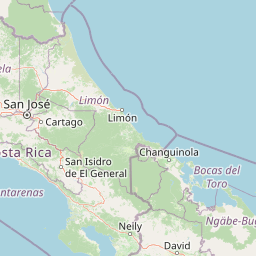
Map view of Cahuita National Park

Use this park location map to pinpoint Cahuita National Park in Costa Rica, understand its exact geographic position, and read its mapped placement within the surrounding landscape more clearly.

Pigeon | © OpenStreetMap contributors

Location context for Cahuita National Park

Caribbean La Amistad Conservation AreaLimón Province
Park atlas

Compare the Diverse Protected Landscapes and Marine Environments Across Costa Rica's Caribbean Region

Explore Other Protected Areas Near Cahuita National Park on Costa Rica's Caribbean Coast
Browse other national parks and protected areas geographically connected to Cahuita National Park, tracing the unique coastal ecosystems and tropical forest reserves of Costa Rica's Limón Province. Discover adjacent marine protected areas and lowland forest habitats, offering valuable regional context and a deeper understanding of Caribbean conservation landscapes.
National parkCosta Rica

La Amistad International Park National Park: Mapped Protected Area in Costa Rica

Explore its geographic boundaries and landscape context.

La Amistad International Park represents a vital component of Costa Rica's protected land network. This detail provides an atlas-centric view, highlighting the park's mapped boundaries and its contribution to the regional geography. Understand the park's identity as a national park and explore its natural terrain context, crucial for any structured geographic discovery of protected areas within Central America.

Area
1,992 km²
Established
1988
IUCN
II
Relief
Mountain
National parkLimón Province

Barbilla National Park: National Park Atlas Exploration and Geographic Context

Mapped protected landscape in Limón Province, Costa Rica

Barbilla National Park offers a focused view into Costa Rica's protected natural areas, specifically within the Limón Province. This entry provides an atlas-centric understanding of its geographic footprint and the character of its protected landscape. Explore the mapped boundaries and regional setting of this national park to enhance your structured geographic discovery.

Area
119 km²
Established
1982
IUCN
II
Relief
Mountain
National parkCartago Province

Chirripó National Park: A Protected Landscape within Cartago Province's Geography

Explore its mapped boundaries and natural terrain.

This page provides detailed geographic context for Chirripó National Park, a designated national park located in the Cartago Province of Costa Rica. It focuses on the park's protected landscape identity, its position within the regional geography, and its distinct mapped boundaries. Understanding Chirripó National Park through its geographic and atlas-centric attributes offers a foundational insight into its natural significance.

Area
508.49 km²
Established
1975
IUCN
II
Climate
Alpine
Marine protected areaBocas del Toro Province

Isla Bastimentos National Marine Park: Marine Protected Area Geography and Atlas Context

Explore the protected landscape within Bocas del Toro Province.

Isla Bastimentos National Marine Park represents a critical marine protected area offering essential geographic data for atlas-based research. Situated in Panama's Bocas del Toro Province, this entity provides a focal point for understanding protected marine territories and their mapped extent. Discover the park's specific location within the province, contributing to a detailed regional geography and a broader understanding of conservation landscapes.

Area
132.26 km²
Established
1988
IUCN
II
Relief
Lowland
National parkCosta Rica

Tapantí National Park: Costa Rica National Park Atlas and Mapped Landscape Exploration

Explore protected boundaries and natural terrain within its geographic setting.

Tapantí National Park is a designated national park in Costa Rica, offering specific insights into the country's protected natural landscapes. This page provides an atlas-style view of its geographic placement, the extent of its protected area, and the character of its natural terrain. Users can investigate the park's mapped context and understand its significance within the broader geography of Costa Rica, facilitating focused exploration of protected lands and regional landscape features.

Area
583.2 km²
Established
1982
IUCN
II
Relief
Mountain
National parkCosta Rica

Turrialba Volcano National Park: Mapped Geography and Protected Landscape Context in Costa Rica

Explore the protected area's natural terrain and regional atlas placement

Turrialba Volcano National Park is a key protected landscape in Costa Rica, offering distinct geographic features and environmental context for atlas exploration. This page details the park's mapped boundaries and its significance as a national park, providing a foundation for understanding its place within the country's diverse natural terrain. Discover the unique geographic identity of this protected area and its role in the regional landscape.

Area
16 km²
Established
1955
IUCN
II
Relief
Mountain
National parkCartago Province

Irazú Volcano National Park: National Park Protected Area Atlas

Mapped Boundaries and Volcanic Terrain

Irazú Volcano National Park stands as a distinct protected area within the landscape of Cartago Province, Costa Rica. This page provides an atlas-centric view, detailing the park's mapped boundaries and its identity as a national park. Explore the volcanic geography and regional context, understanding its contribution to the protected lands of Central America.

Area
20 km²
Established
1955
IUCN
II
Relief
Mountain
National parkLimón Province

Tortuguero National Park: Protected Landscape and Regional Geographic Context

National Park mapped in Limón Province, Costa Rica.

Delve into Tortuguero National Park, a significant national park situated in Limón Province, Costa Rica. This entry offers detailed insights into its protected area status, mapped geographic extent, and its role within the regional natural landscape context. Ideal for users seeking a structured atlas view of protected lands and their geographical distribution, providing foundational data for understanding this specific conservation landscape.

Area
312 km²
Established
1975
IUCN
II
Visitors
10K annual

Common questions about visiting, size, designation, and location context for Cahuita National Park

Cahuita National Park FAQs for park facts, access, geography, and protected area context
Find quick answers about Cahuita National Park, including protected-area facts, park geography, trail and visitor context, and how the park fits into its surrounding country and regional landscape.
MoriAtlas Explorer

Continue Your Protected Areas Search Across the Global Atlas

Deepen your exploration by continuing the structured search for national parks and protected areas worldwide. Utilize the comprehensive filtering capabilities to compare different conservation landscapes and refine your understanding of global park geography. Discover more about the distribution and characteristics of protected natural areas.

Global natural geography