Why Little Inagua National Park stands out
Little Inagua National Park is best known as a nesting site for sea turtles and for the importance of its surrounding waters as queen conch larval habitat. The queen conch, a large marine mollusk once abundant throughout the Caribbean, has faced significant population declines across its range, making the protected waters of Little Inagua particularly valuable for larval recruitment and species recovery. The park also represents one of the more ecologically intact outer islands in the Bahamas, with relatively low human disturbance compared to more developed islands in the archipelago.
Little Inagua National Park history and protected-area timeline
Little Inagua National Park was established in 2002 as part of the Bahamas' expanding system of national parks and protected areas. The creation of the park reflected the Bahamas National Trust's ongoing efforts to identify and protect ecologically significant sites across the archipelago. Prior to designation, Little Inagua had already been recognized for its natural values, particularly the turtle nesting activity on its beaches and the marine ecological significance of the surrounding waters. The formal establishment of national park status provided stronger legal protection and management framework for these values. The Bahamas has developed its protected area network progressively since independence, with the Bahamas National Trust playing a central role in identifying, designating, and managing sites of ecological importance.
Little Inagua National Park landscape and geographic character
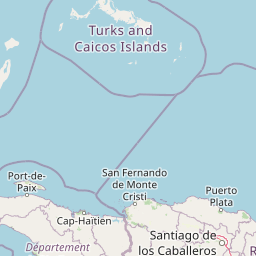
Little Inagua National Park encompasses the landscape of Little Inagua island itself along with the surrounding marine environment extending into the Caribbean Sea. The island features the typical low-lying terrain characteristic of the Bahamas, with limited elevation and terrain dominated by coastal features including beaches, dunes, and shallow marine waters. The surrounding marine environment includes shallow reef systems and seagrass beds that provide critical habitat for queen conch and other marine species. The overall landscape character is one of remote tropical island wilderness, with limited infrastructure and development on the island itself. The clarity of Bahamian marine waters contributes to the visual appeal of the underwater landscape within the park's boundaries.
Little Inagua National Park ecosystems, habitats, and plant life
The nature of Little Inagua National Park reflects the dual terrestrial and marine character of the protected area. On land, the island supports vegetation communities typical of Bahamian outer islands, with coastal vegetation transitioning to more interior plant associations. The marine environment represents perhaps the greater ecological significance, with the shallow waters around Little Inagua providing essential habitat functions. The surrounding waters are particularly important as larval habitat for queen conch, a species that has experienced substantial population declines throughout the Caribbean. The protection of these waters helps support broader regional conservation goals for this economically and ecologically important species. The park's designation as a national park recognizes that both the island's terrestrial ecosystems and the surrounding marine environment function as an integrated ecological unit.
Little Inagua National Park wildlife and species highlights
The wildlife of Little Inagua National Park centers on its significance as a sea turtle nesting site. Multiple species of sea turtles utilize the island's beaches for nesting, making this a critical location for reproduction of these endangered marine reptiles. The surrounding waters provide foraging habitat for sea turtles as well as other marine species. The park is also significant for queen conch, with the waters around Little Inagua serving as important habitat for larval development of this large gastropod mollusk. The queen conch has faced significant pressure from overfishing throughout its Caribbean range, and the protection of larval habitat areas like those around Little Inagua contributes to broader species conservation efforts. The combination of terrestrial turtle nesting and marine invertebrate habitat gives the park ecological significance beyond what its relatively small size might suggest.
Little Inagua National Park conservation status and protection priorities
Little Inagua National Park represents an important component of the Bahamas' conservation network, protecting both critical sea turtle nesting habitat and significant queen conch larval habitat. The protection of queen conch populations is particularly meaningful given the species' economic importance to Caribbean fisheries and its documented population declines throughout the region. The park's establishment in 2002 reflected growing recognition that effective marine conservation requires protection of not just individual species but the habitats that support their life cycles. The Bahamas National Trust manages the park as part of a national system that includes multiple other protected areas spanning diverse ecosystems from marine environments to terrestrial forests. The park contributes to regional conservation efforts by providing protected habitat for species that move through Caribbean waters beyond the park's boundaries.
Little Inagua National Park cultural meaning and human context
Little Inagua has a human presence that predates the establishment of the national park, with historical use of the island for various purposes including salt production. The island's name reflects its position relative to Great Inagua, the larger island to the southwest. Human communities in the Bahamas have historically maintained close connections with marine environments, and the waters around Little Inagua have supported fishing and other maritime activities. The establishment of the national park added a conservation dimension to the island's management while recognizing that sustainable use and protection can coexist. The Bahamas' approach to protected areas often balances ecological preservation with the rights and livelihoods of local communities, and Little Inagua represents this integrated approach.
Top sights and standout views in Little Inagua National Park
Little Inagua National Park stands out as a remote Caribbean protected area combining terrestrial and marine conservation in a relatively undeveloped island setting. The park's primary significance lies in its dual role as a sea turtle nesting site and as crucial queen conch larval habitat, making it important for two species groups facing different conservation challenges. The park offers insight into Bahamian outer island ecosystems that remain less impacted by development than more accessible islands in the archipelago. The protected waters around Little Inagua represent some of the more important queen conch habitats in the Bahamas, contributing to regional efforts to maintain viable populations of this iconic Caribbean species.
Best time to visit Little Inagua National Park
Little Inagua National Park is best understood in the context of Bahamian seasonal patterns, with the cool and dry winter months generally offering the most comfortable conditions for visits to outer islands. Sea turtle nesting activity occurs seasonally, with different species nesting at different times of year, and visitors interested in wildlife observation may find certain periods more rewarding than others. The remote nature of Little Inagua means that access is less straightforward than to more developed islands in the Bahamas, and planning requires consideration of transportation options to the outer islands. The park's marine environment can be explored throughout the year, though conditions in the water vary with seasonal changes in temperature and visibility.