Why La Visite National Park stands out
La Visite National Park is best known for its extensive Hispaniolan pine forests, which represent one of the most significant remaining stands of this endemic Caribbean pine species. The park's high-altitude grasslands and montane broadleaf forest zones create a diverse mosaic of habitats unusual for Haiti. The park is also recognized as an important birdwatching destination, hosting over 80 species including several endemic to Hispaniola. Its position as one of Haiti's two largest national parks and its dramatic mountain scenery at relatively accessible distances from Port-au-Prince give it particular regional significance.
La Visite National Park history and protected-area timeline
La Visite National Park was established by the Haitian government in 1983 as part of the country's developing national park system. The creation of the park reflected Haiti's commitment to preserving its remaining natural habitats, particularly in the face of significant deforestation pressures that have affected much of the country. As one of the two largest national parks in Haiti, La Visite was designed to protect the highland ecosystems of the Massif de la Selle, a mountain range that forms part of the backbone of the island of Hispaniola. The establishment of protected status for this area recognized both the ecological importance of the pine forests and the need to conserve watersheds that supply downstream communities. The park's designation as an IUCN category II protected area places it within the national park classification, recognizing its significance for both conservation and, potentially, public enjoyment of natural environments.
La Visite National Park landscape and geographic character
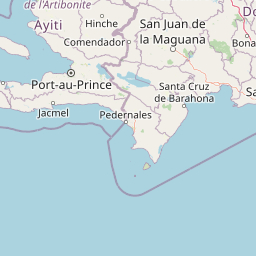
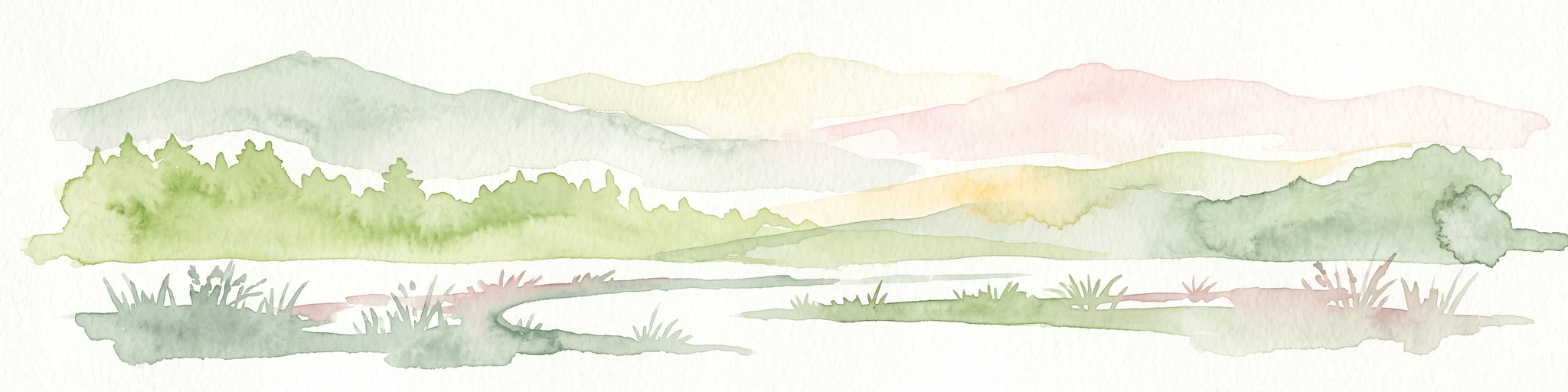
The landscape of La Visite National Park is defined by its position within the Massif de la Selle, one of Haiti's principal mountain ranges. The terrain is characterized by steep ridgelines, plateaus, and dramatic escarpments, with the northern boundary of the park marked by the prominent east-west running escarpment that separates the higher elevations from the lower foothills. The park encompasses terrain above 2,000 meters in elevation across approximately 1,897 hectares, representing some of the highest terrain in Haiti. Notable landscape features include the plateau of Morne d'Enfer, which supports forest cover within the park's boundaries. The topography creates a mountainous setting that stands in contrast to the more typical lowland and coastal landscapes found throughout most of Haiti, making this highland environment particularly distinctive.
La Visite National Park ecosystems, habitats, and plant life
The ecological character of La Visite National Park is defined by a complex of three primary vegetation types that reflect the park's elevation range. Hispaniolan pine forests dominate the mid-elevation zones, with Pinus occidentalis being the most widespread tree species throughout the park. These pine forests represent a significant component of the island's forest resources and provide important habitat functions. At higher elevations above 1,700 meters, the vegetation transitions to montane broadleaf forest, including both karst broadleaf and wet broadleaf forest types. The grassland communities occupy areas where soil conditions, exposure, or historical disturbance have prevented forest establishment, creating a mosaic of open and forested habitats. This diversity of vegetation types within a relatively compact area supports ecological processes and biodiversity that would be difficult to maintain in a more homogeneous landscape.
La Visite National Park wildlife and species highlights
La Visite National Park supports remarkable bird diversity, with over 80 species recorded within its boundaries. The park is particularly significant for birdwatching, offering opportunities to observe both resident species and migratory visitors. Several threatened bird species occur in the park, including species that are endemic to Hispaniola, meaning they are found nowhere else on Earth. The diverse habitat mosaic created by the combination of pine forests, broadleaf forests, and grasslands supports different bird communities across the park's elevation gradient. The preservation of these forest habitats is particularly important for species that depend on mature forest conditions, while the grasslands provide foraging habitat for different ecological guilds. The park's status as a protected area helps ensure that these bird populations can persist in the face of habitat loss that has affected much of Haiti.
La Visite National Park conservation status and protection priorities
La Visite National Park represents one of Haiti's most important conservation investments, protecting a highland ecosystem that has become increasingly rare on the island of Hispaniola. The park's designation as an IUCN category II protected area reflects its national significance and the international recognition of its ecological value. The Hispaniolan pine forests within the park are of particular conservation concern, as similar forests throughout Hispaniola have experienced significant reduction due to logging, agriculture, and charcoal production. By protecting the core of these forest ecosystems, La Visite helps maintain genetic populations of Pinus occidentalis and the associated biodiversity. The park also provides watershed protection functions for downstream communities and contributes to soil conservation on the steep mountain slopes. The presence of endemic species, including both flora and fauna, adds to the park's conservation significance at a regional and global scale.
La Visite National Park cultural meaning and human context
The landscape of La Visite National Park exists within the broader context of Haitian highland communities whose traditional land use practices have shaped, and continue to shape, the surrounding environments. The Massif de la Selle region has historically supported agricultural activities, including coffee cultivation and subsistence farming, in the lower elevation zones. While the core protected area restricts certain activities, the surrounding landscape reflects the interplay between human settlement patterns and natural resources. The park's relative proximity to Port-au-Prince connects it to Haiti's urban center, creating both opportunities for environmental education and challenges related to recreational pressure. The French name Parc National La Visite reflects Haiti's colonial linguistic heritage and remains the official designation alongside the English name.
Top sights and standout views in La Visite National Park
The defining highlights of La Visite National Park include its extensive Hispaniolan pine forests at elevations above 1,700 meters, the dramatic mountain scenery of the Massif de la Selle with peaks reaching 2,275 meters, and the diversity of habitats spanning pine forest, montane broadleaf forest, and grassland. The park offers significant birdwatching opportunities with over 80 species, including threatened endemics. Its status as one of Haiti's two largest national parks and its position only 22 kilometers from Port-au-Prince give it particular accessibility and prominence. The plateau of Morne d'Enfer provides a notable scenic feature within the park's boundaries, showcasing the forest-covered highland terrain that distinguishes this protected area from Haiti's more typical lowland landscapes.
Best time to visit La Visite National Park
The best time to visit La Visite National Park aligns with Haiti's dry season, typically from November through March, when precipitation is reduced and trail conditions are more favorable for exploration. The high-elevation location means that temperatures are cooler than in the lowlands, making the park more comfortable during the warmer months elsewhere in Haiti. The dry season also offers clearer visibility for enjoying the mountain scenery and improved opportunities for wildlife observation. Visitors should be aware that the park's mountain environment can experience fog and cloud cover, particularly in the higher elevations, regardless of season. The timing of visits should consider that the park's remote highland setting requires appropriate preparation and awareness of current conditions.