Why La Gran Sabana National Park stands out
La Gran Sabana National Park is best known for its protection of the Hoya de Enriquillo lowland ecosystem, a landscape type that is underrepresented in the Dominican Republic's protected areas network. The park preserves dry forest and wetland habitats that are characteristic of the Caribbean lowland zone, providing sanctuary for species adapted to the region's semi-arid conditions. Its location adjacent to Lake Enriquillo places it within one of the most geologically significant lowland basins in the Caribbean, a region that stands in sharp topographic contrast to the mountainous terrain that dominates much of the Dominican Republic's interior.
La Gran Sabana National Park history and protected-area timeline
La Gran Sabana National Park was officially designated as a national park in 2009, making it one of the newer protected areas in the Dominican Republic's conservation system. The establishment of the park represented a deliberate expansion of the country's national park network to include representation of the lowland ecosystems found in the Hoya de Enriquillo region. Prior to its designation, the area had been recognized for its ecological significance, and the formal protection granted by national park status reflected both scientific assessments of its biodiversity value and policy decisions aimed at achieving more comprehensive coverage of the Dominican Republic's various habitat types. The 2009 designation placed the park within the framework of the national park system, providing it with the institutional status and regulatory protections appropriate for a Category II protected area under the IUCN classification system.
La Gran Sabana National Park landscape and geographic character
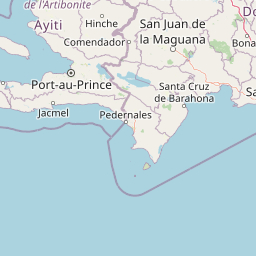
The landscape of La Gran Sabana National Park is defined by its position within the Hoya de Enriquillo lowland basin, a vast area of relatively flat to gently rolling terrain that contrasts sharply with the mountainous interior of the Dominican Republic. The park lies east of Lake Enriquillo, the largest lake in the Caribbean islands and the region's lowest point, which sits at approximately 40 meters below sea level. The broader Hoya de Enriquillo region experiences a semi-arid climate that distinguishes it from the more tropical conditions found in other parts of the Dominican Republic. The terrain within the park consists primarily of lowland terrain with vegetation adapted to seasonal dryness, creating a landscape of dry forests, scrubland, and transitional wetland areas that reflect the basin's distinctive environmental conditions.
La Gran Sabana National Park ecosystems, habitats, and plant life
The ecological character of La Gran Sabana National Park centers on dry tropical forest ecosystems that have adapted to the semi-arid conditions of the Hoya de Enriquillo lowland. These forests differ significantly from the humid and cloud forest communities found in the Dominican Republic's higher elevations, hosting a distinct assemblage of plant and animal species adapted to seasonal drought and higher temperatures. The lowland setting creates environmental conditions that support specialized dry-adapted vegetation communities, including drought-resistant trees and shrubs that can survive the extended dry periods characteristic of this region. The proximity to Lake Enriquillo influences the park's ecological character through the presence of wetland habitats and riparian zones that provide additional habitat diversity within the broader dry forest matrix.
La Gran Sabana National Park wildlife and species highlights
The wildlife of La Gran Sabana National Park reflects the distinctive dry forest ecosystem of the Hoya de Enriquillo lowland. Species adapted to semi-arid conditions dominate the park's fauna, including numerous bird species that have evolved to exploit dry forest habitats, reptiles tolerant of higher temperatures and more variable moisture conditions, and invertebrates specifically adapted to the leaf-litter and soil environments of tropical dry forests. The broader Hoya de Enriquillo region supports populations of regionally significant species, and the protected status of the park provides important habitat for maintaining these populations within a landscape that faces ongoing pressures from agricultural expansion and development.
La Gran Sabana National Park conservation status and protection priorities
La Gran Sabana National Park contributes to the Dominican Republic's conservation goals by protecting a habitat type that was previously underrepresented in the national park system. The park's designation in 2009 as a Category II protected area reflects an explicit conservation purpose focused on maintaining the integrity of the Hoya de Enriquillo's lowland ecosystems. This protection addresses a gap in the country's protected areas network, which historically has emphasized higher-elevation forests and mountain environments. The park's substantial area provides sufficient habitat to support viable ecological communities and maintain the ecological processes essential for the long-term persistence of the dry forest ecosystem. Conservation of this lowland zone also contributes to the broader protection of watersheds and the maintenance of ecological connectivity across the southwestern Dominican Republic.
La Gran Sabana National Park cultural meaning and human context
La Gran Sabana National Park is situated within the Hoya de Enriquillo region, an area that has been inhabited by human communities for centuries. The broader region contains evidence of pre-Columbian occupation and has been shaped by agricultural and pastoral activities over the colonial and post-colonial periods. While the park itself is primarily focused on natural ecosystem protection, the cultural landscape surrounding the protected area reflects the long history of human interaction with the lowland environment. Local communities in the Independencia Province maintain connections to the land and resources of the region, and the park's management must consider the social context of the surrounding landscape while fulfilling its primary conservation mandate.
Top sights and standout views in La Gran Sabana National Park
La Gran Sabana National Park offers distinctive lowland protection within the Dominican Republic's protected areas system, preserving the semi-arid Caribbean ecosystems of the Hoya de Enriquillo basin. The park provides access to dry forest habitats that differ markedly from the humid and cloud forest environments more commonly associated with Dominican Republic conservation areas. Its location adjacent to the Lake Enriquillo basin places it within one of the Caribbean's most significant lowland wetland complexes, creating opportunities for appreciating the ecological connections between forest and aquatic environments. The park represents a deliberate conservation investment in protecting the island's lowland biodiversity and the ecosystem services these habitats provide.
Best time to visit La Gran Sabana National Park
The optimal time to visit La Gran Sabana National Park aligns with the cooler, drier months typically occurring from November through April, when temperatures are more comfortable for outdoor exploration and wildlife activity patterns may be more predictable. The dry season generally provides easier access to trail systems and more favorable conditions for observing dry forest wildlife, though visitors should be prepared for the characteristic semi-arid conditions of the Hoya de Enriquillo region throughout the year. The wet season, from May through October, brings higher temperatures and periodic rainfall that can affect trail conditions and accessibility, though this period also supports increased vegetation density and different wildlife viewing opportunities.