Why Monte Cristi National Park stands out
Monte Cristi National Park is best known for its striking limestone mesa that rises abruptly from the coastal plain, providing panoramic views of offshore keys and the forested northern slopes. The park protects the habitat of the endemic plant species sabia montecristini, a plant species found only in this specific location. The combination of extremely dry conditions, coastal wetland ecosystems, and the isolated mesa creates a distinctive landscape of ecological significance within the Caribbean.
Monte Cristi National Park history and protected-area timeline
Monte Cristi National Park was established in 1983 as part of the Dominican Republic's expanding national park system designed to protect ecologically significant landscapes across the country. The creation of the park reflected growing recognition of the need to conserve unique Caribbean ecosystems, particularly in regions where development pressures and environmental threats were increasing. The selection of this coastal and mesa landscape for protection acknowledged its distinctive geological features and the specialized habitats created by the combination of extremely low rainfall and the elevation provided by the limestone mesa.
Monte Cristi National Park landscape and geographic character
The landscape of Monte Cristi National Park is defined by the dramatic contrast between the flat coastal plain and the imposing limestone mesa that rises abruptly from the shoreline. The mesa, rising to 237 meters above sea level, creates a distinctive table-topped mountain that stands in stark isolation from the surrounding terrain. From the mesa's elevated rim, visitors can see offshore keys scattered across the Caribbean Sea, while the northern slopes support forested vegetation that contrasts sharply with the arid lower elevations. The coastal zone features lagoons, mangrove swamps, and beaches that transition from the marine environment to the dryland interior. This combination of coastal, wetland, and mesa landscapes within a single protected area creates a visually diverse and ecologically complex environment.
Monte Cristi National Park ecosystems, habitats, and plant life
The nature of Monte Cristi National Park reflects the extreme aridity of the region, with annual rainfall of just over two inches creating conditions more typical of desert ecosystems than typical Caribbean environments. The limestone mesa provides a unique habitat that supports specialized plant species adapted to the dry conditions and the thin soils that develop on the limestone substrate. The endemic sabia montecristini represents one of the most significant botanical discoveries associated with the park, being a species found nowhere else in the world. The coastal lagoons and mangrove swamps provide contrasting wetland habitats that support different ecological communities, creating a mosaic of habitats within the protected area.
Monte Cristi National Park wildlife and species highlights
The wildlife of Monte Cristi National Park is characterized by reptile species adapted to the dry mesa environment and the coastal wetland habitats. The limestone mesa provides critical habitat for several reptile species that have adapted to the harsh conditions and limited water availability. While the Wikipedia source specifically mentions reptile species in association with the mesa habitat, the mangrove swamps and coastal lagoons also support diverse birdlife and marine species typical of Caribbean wetland ecosystems.
Monte Cristi National Park conservation status and protection priorities
Monte Cristi National Park represents an important conservation priority within the Dominican Republic's protected area network due to its unique combination of geological features and endemic species. The protection of the sabia montecristini plant ensures conservation of a species with extremely restricted global distribution, as it is known only from this specific location within the Monte Cristi mesa habitat. The park's coastal ecosystems, including the lagoons and mangrove swamps, provide protection for wetland habitats that serve as wildlife corridors and feeding areas for migratory and resident bird species. The extremely dry conditions that make this region challenging for human activity also contribute to its conservation value by limiting development pressures that have affected other Caribbean coastal areas.
Monte Cristi National Park cultural meaning and human context
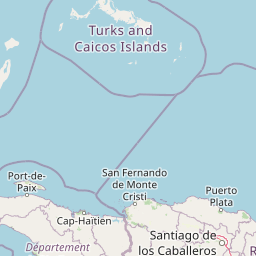
Monte Cristi National Park is situated in a region with deep historical connections to colonial and pre-colonial periods of Hispaniola. The park's location along the border with Haiti places it at a significant geopolitical interface between the two nations that share the island of Hispaniola. The town of San Fernando de Monte Cristi, the nearest city to the park, has historically served as a regional center for this northwestern portion of the Dominican Republic.
Top sights and standout views in Monte Cristi National Park
The defining highlight of Monte Cristi National Park is the dramatic limestone mesa that rises from the coastal plain, offering panoramic views of the Caribbean Sea and offshore keys. The park protects one of the most drought-prone environments in the Dominican Republic, yet supports remarkable ecological adaptations including endemic species found nowhere else on Earth. The combination of coastal lagoons, mangrove swamps, and the isolated mesa creates a landscape of unusual diversity within a relatively compact protected area.
Best time to visit Monte Cristi National Park
The extremely dry climate of Monte Cristi National Park means that rainfall patterns have limited impact on visitability compared to parks in wetter regions. The best time to visit would typically be during the cooler months from November through April, when temperatures are more moderate and visitor comfort is improved. The dry conditions prevail throughout the year, so seasonal variations in landscape appearance are minimal, though the vegetation may appear more verdant briefly after any rainfall events.