Why Souss-Massa National Park stands out
Souss-Massa National Park is internationally significant for its role as the primary refuge for the northern bald ibis, hosting approximately 95% of the world's truly wild breeding population across three colonies within the park plus a fourth at nearby Tamri. The park supports unique breeding populations of birds found nowhere else in Morocco, including the marbled duck and glossy ibis. It also maintains captive breeding programs for four threatened North African ungulates: the scimitar oryx, addax, dama gazelle, and dorcas gazelle. Additionally, the park is undertaking reintroduction efforts for the North African ostrich, a species now extinct north of the Sahara Desert.
Souss-Massa National Park history and protected-area timeline
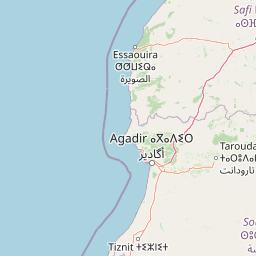
Souss-Massa National Park was established in 1991 as part of Morocco's expanding network of protected areas during the late twentieth century. The park's designation reflected increasing scientific understanding of the region's importance for endangered species, particularly the northern bald ibis whose global population had declined dramatically by the late twentieth century. The identification of the Souss-Massa coastline as a critical stronghold for this species influenced the park's boundaries and conservation priorities. In 2005, the park's wetland components received formal recognition under the Ramsar Convention, designating the Zones humides de Souss-Massa as a site of international importance for waterbird conservation. The park has also engaged in international cooperation, receiving technical support from Teide National Park in Tenerife, Spain, reflecting collaborative conservation efforts within the Canary Islands ecoregion. Captive breeding and reintroduction programs for North African ungulates and the North African ostrich represent ongoing conservation initiatives within the park's history.
Souss-Massa National Park landscape and geographic character
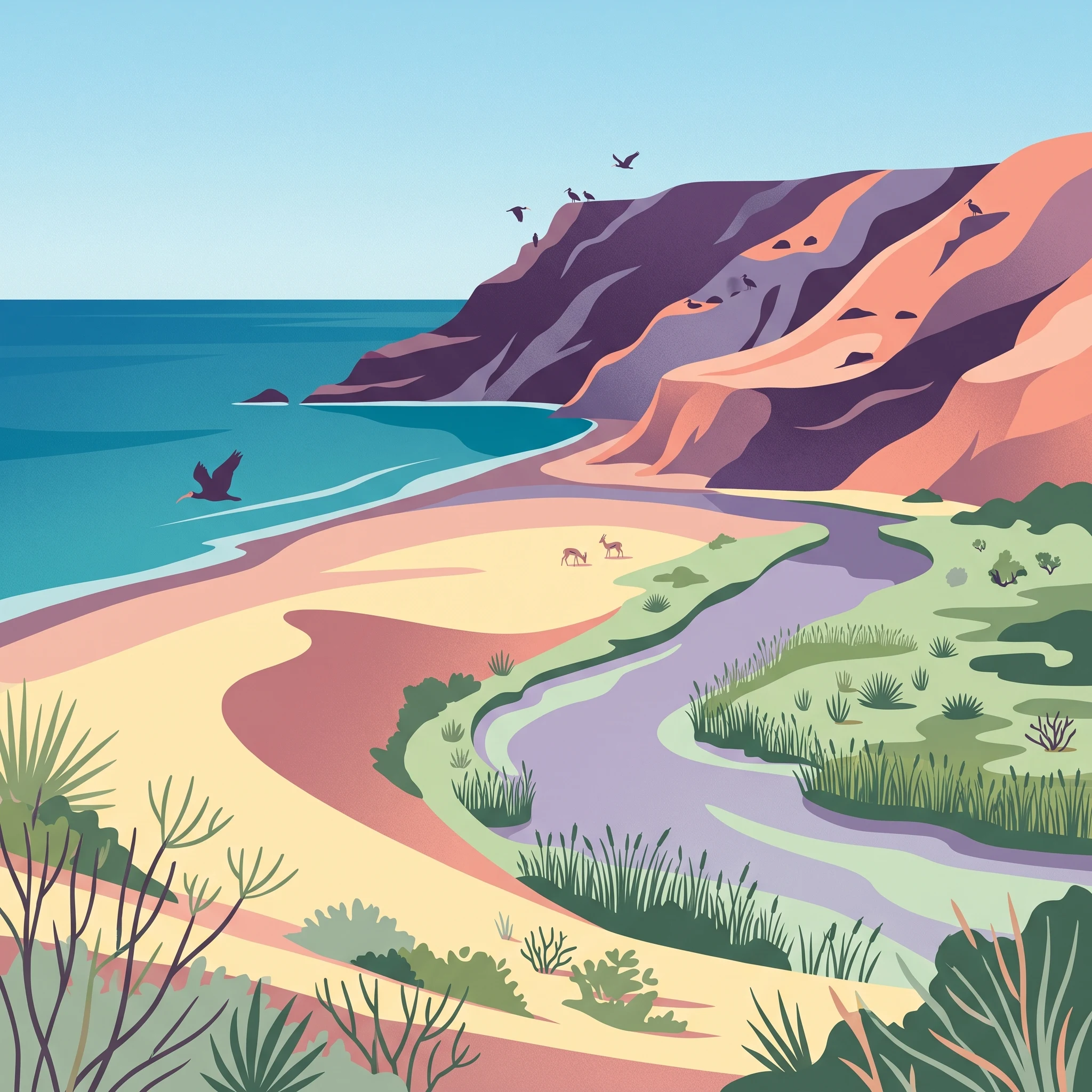
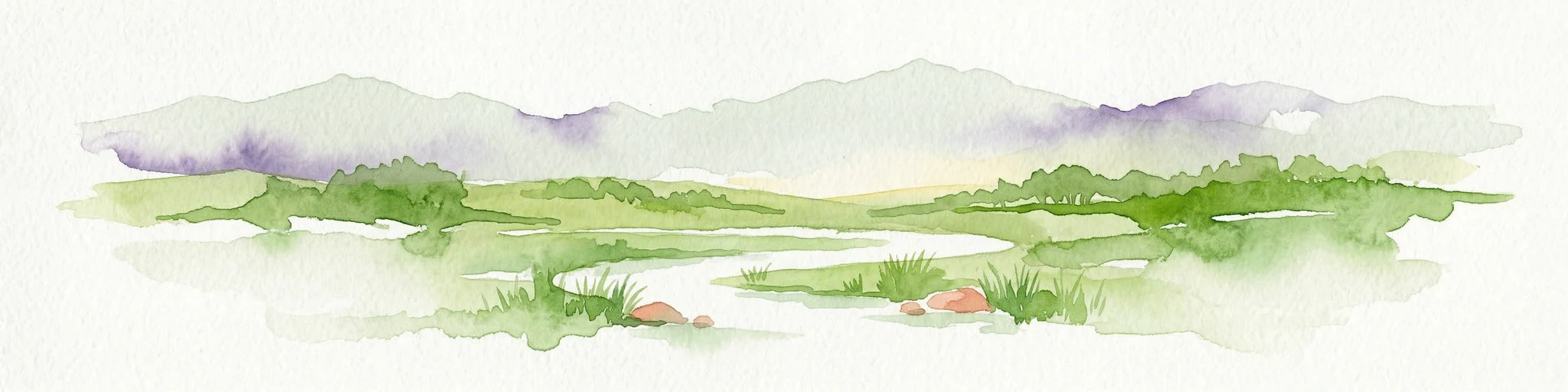
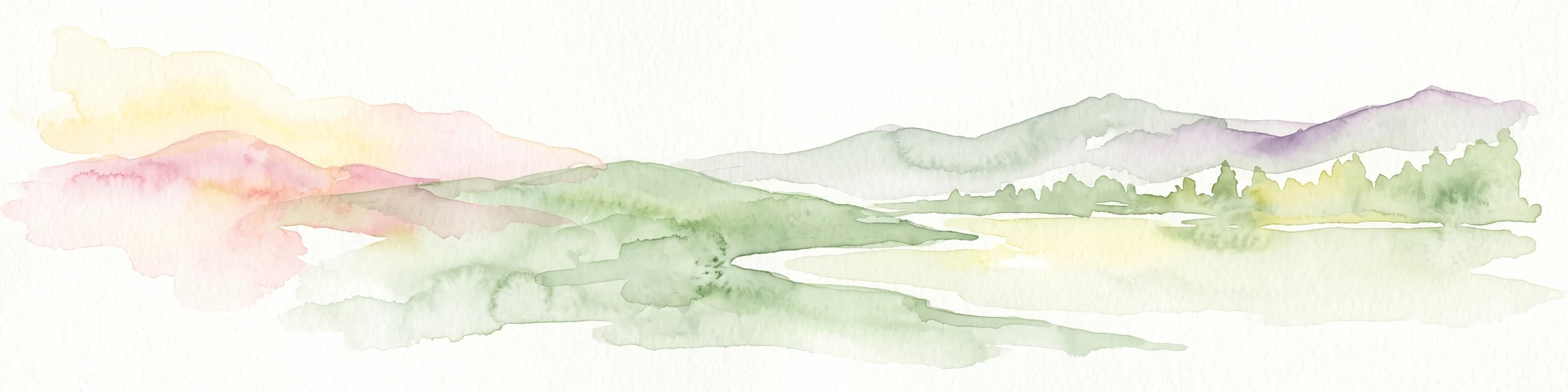
The physical landscape of Souss-Massa National Park comprises a coastal plain and shoreline environment along the Atlantic Ocean in southern Morocco. The terrain is predominantly flat to gently undulating, characterized by a matrix of grazed steppe vegetation interspersed with sand dunes along the beach zones. The park's three major watercourses the Oued Souss, Oued Massa, and their associated estuaries create linear wetland corridors that dissect the coastal plain. The Oued Massa maintains surface water throughout the year, providing a permanent aquatic habitat within the otherwise semi-arid landscape. Soils throughout the park are primarily sandy, with localized rockier exposures in certain areas. The coastline features beach segments and coastal cliffs that serve as nesting habitat for colonial bird species. The landscape extends southward beyond the formal park boundary to include approximately 30,000 hectares near Aglou that function as feeding territory for the northern bald ibis.
Souss-Massa National Park ecosystems, habitats, and plant life
The ecological character of Souss-Massa centers on its coastal steppe and wetland habitats that support exceptional bird diversity. The estuarine environments of the Oued Souss and Oued Massa provide year-round water and feeding resources for waterbirds, creating a critical refuge in the semi-arid coastal zone. The coastal steppe habitat, while modified by grazing, maintains sufficient vegetation structure to support ground-nesting birds and feeding ibis populations. The park's designation as part of a larger Important Bird Area reflects its significance for maintaining populations of multiple bird species, including breeding, wintering, and migratory populations. The wetland habitats support globally threatened species including the marbled duck, which breeds exclusively at Oued Massa within Morocco, and the glossy ibis, representing the species' only known breeding site in the country.
Souss-Massa National Park wildlife and species highlights
The wildlife of Souss-Massa National Park is defined by its exceptional bird populations, particularly the northern bald ibis which represents the park's primary conservation significance. Three colonial populations of this critically endangered species nest on coastal cliffs within the park, and together with the nearby Tamri population, these colonies support approximately 95% of the world's truly wild northern bald ibis breeding population. The coastal steppes and agricultural fields surrounding the cliff colonies provide essential foraging habitat. Beyond the ibis, the park supports breeding populations of marbled ducks at the Oued Massa, the only known breeding site for this globally threatened species in Morocco. The glossy ibis also breeds at Oued Massa, representing a unique national breeding record. Wintering species include European spoonbill and Audouin's gull, while the estuaries serve as important migration staging areas for waders and gulls. The park also maintains captive breeding facilities for four threatened North African ungulates: scimitar oryx, addax, dana gazelle, and dorcas gazelle, kept in separate enclosures within the park boundaries. Reintroduction efforts for the North African ostrich, extinct in the wild north of the Sahara, are also underway.
Souss-Massa National Park conservation status and protection priorities
Souss-Massa National Park holds exceptional conservation significance as the primary habitat for the northern bald ibis, one of the world's most endangered bird species. The park's three breeding colonies, combined with the adjacent Tamri population, support approximately 95% of the global wild breeding population, making this coastal area globally critical for species survival. The Ramsar designation of the park's wetland components in 2005 acknowledges the international importance of these habitats for waterbird conservation. The Important Bird Area designation by BirdLife International further reinforces the site's significance for maintaining significant populations of multiple bird species. Conservation challenges include population pressure from expanding human settlement around Aglou and development proposals in sensitive coastal areas, though a major hotel development at Tifnit has been suspended. The park's captive breeding programs for North African ungulates and ostrich reintroduction efforts represent active conservation interventions targeting species affected by hunting and habitat loss across the region.
Souss-Massa National Park cultural meaning and human context
The Souss-Massa region has a long human presence along Morocco's Atlantic coast, with traditional land use patterns including pastoral grazing and small-scale agriculture that have shaped the contemporary landscape. The park encompasses estuarine environments that have historically supported local fishing communities, and the coastal zone around Aglou and Tifnit represents areas of ongoing human settlement and activity. The presence of the northern bald ibis in this landscape reflects a long co-existence between local communities and wildlife, though the species has faced pressures from hunting and habitat modification. The park's infrastructure, including the visitor centre and eco-museum at Sidi Birzarn, provides educational context for visitors about the region's natural heritage and conservation values.
Top sights and standout views in Souss-Massa National Park
The northern bald ibis colonies represent the park's most globally significant wildlife feature, with coastal cliff nesting sites visible from designated viewing areas. The visitor centre at Oued Massa provides orientation and educational resources about the park's ecology and conservation programs. The nature trail along Oued Souss offers access to wetland environments and bird observation opportunities. Year-round water in the Oued Massa supports breeding waterbirds including marbled ducks and glossy ibis. The captive breeding enclosures for scimitar oryx, addax, and gazelle species provide opportunities to observe North African ungulates in a protected setting. The coastal dunes and beaches at the southern end of the park provide contrasting landscape scenery.
Best time to visit Souss-Massa National Park
The park supports year-round wildlife viewing, though different seasons offer distinct experiences. The wet winter months from November through March bring wintering species including European spoonbill and Audouin's gull, while migratory waders and gulls use the estuaries during passage periods. The breeding season for the northern bald ibis occurs in spring and early summer, when colonies are active and chicks are raised. The resident bird species, including various larks and warblers, are observable throughout the year. The Oued Massa holds water throughout all seasons, providing consistent habitat for waterbirds. Summer months coincide with peak visitor activity in the broader Agadir region, though the park's wetland habitats remain viable destinations year-round due to the perennial river flow.