Why Southwest Alentejo and Vicentine Coast Natural Park stands out
The park is best known for its dramatic and unspoiled coastal landscapes, representing one of the last wild coastlines in Europe. The Rota Vicentina trail network, particularly the Fishermen's Trail along the dramatic cliff-backed shoreline, has become internationally recognized for hiking, earning quality certifications from the European Ramblers' Association. The park's exceptional biodiversity, including numerous endemic plant species and significant bird nesting colonies, combined with its pristine marine environments, make it a conservation priority for Portugal and the broader Iberian Peninsula.
Southwest Alentejo and Vicentine Coast Natural Park history and protected-area timeline
The park was officially established on July 7, 1988, through Portuguese legislation aimed at protecting the outstanding natural values of the southwestern coast while promoting sustainable development in the region. The creation of the park represented recognition that this coastal stretch represented one of Portugal's most ecologically significant and visually spectacular landscapes, worthy of formal protection. The park's establishment came during a period of growing environmental awareness in Portugal and reflected the country's commitment to preserving its natural heritage. Since its creation, the park has faced evolving challenges, particularly the rapid expansion of intensive agriculture in the surrounding region, which has created tension between conservation goals and economic development pressures.
Southwest Alentejo and Vicentine Coast Natural Park landscape and geographic character
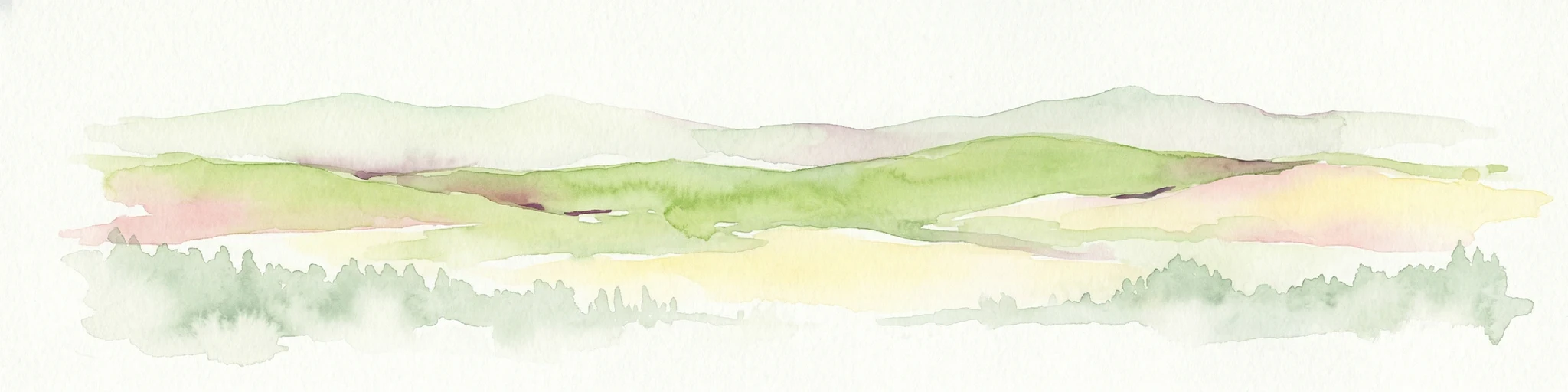
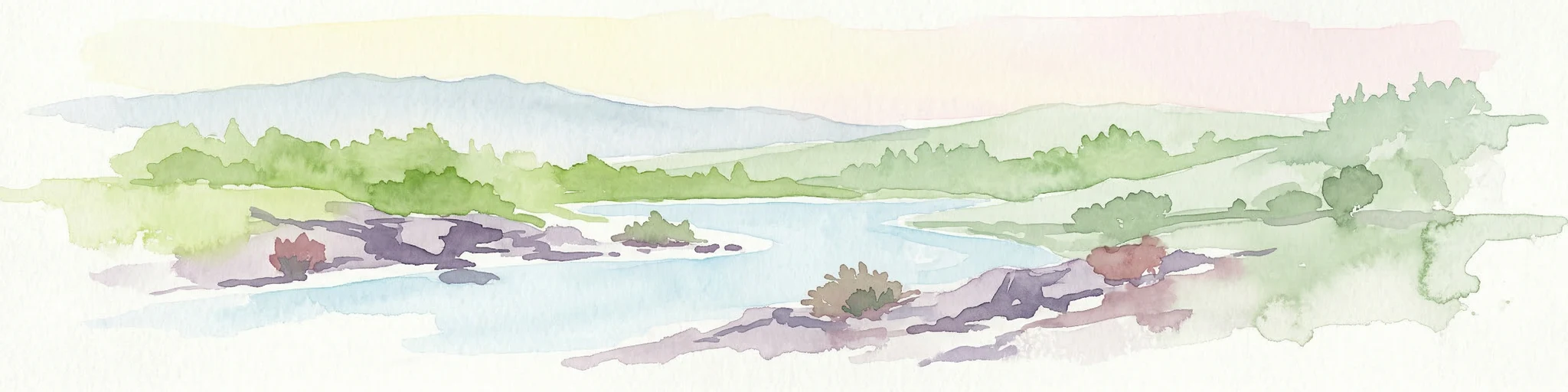
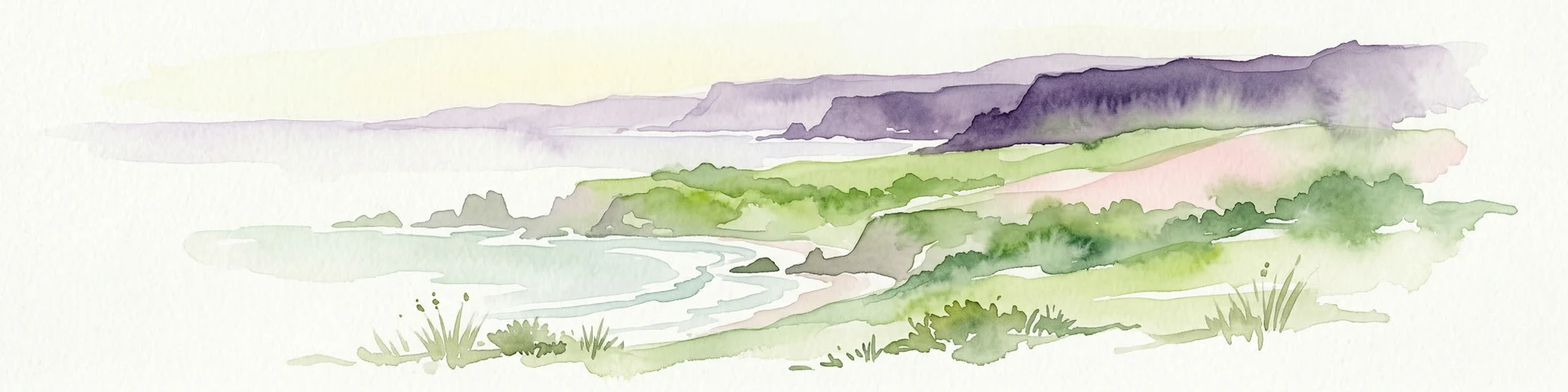
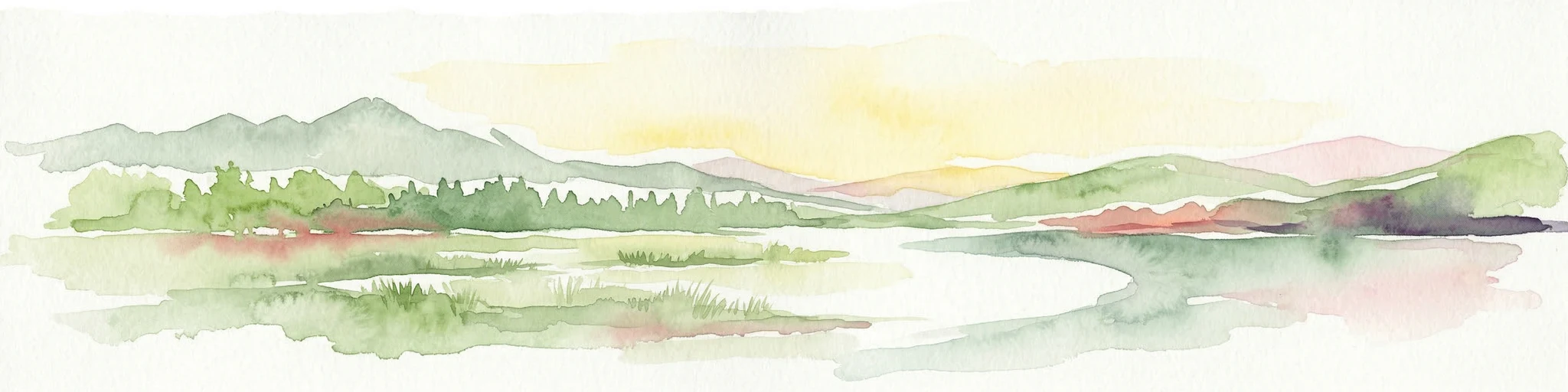
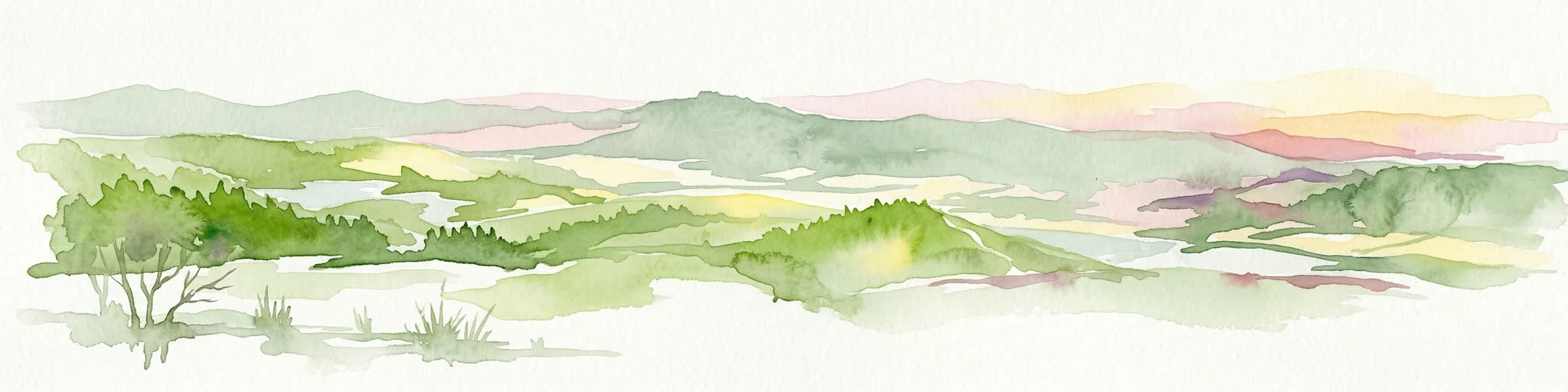
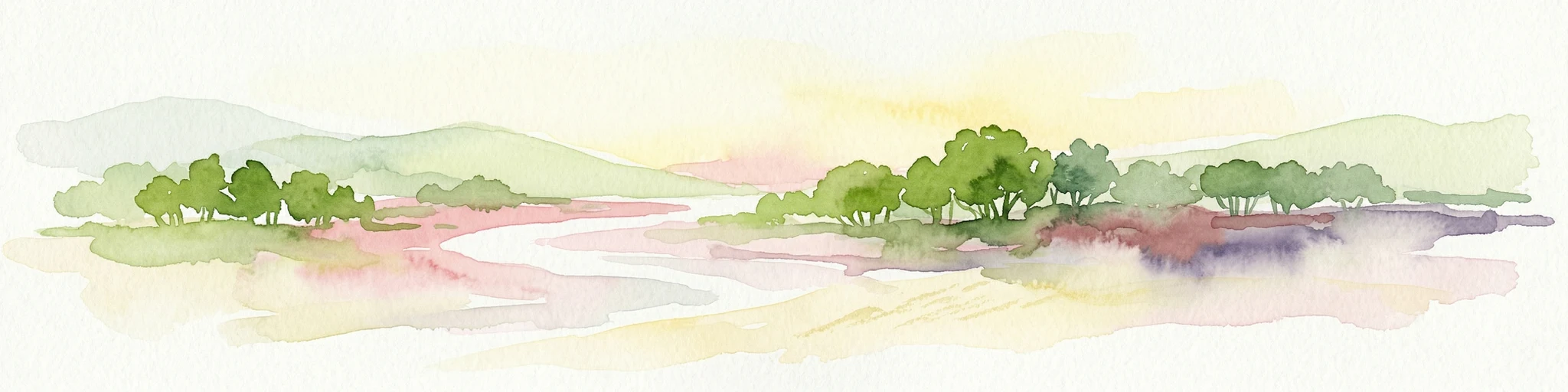
The park showcases a dramatic and varied coastal landscape characterized by steep limestone and shale cliffs that rise abruptly from the Atlantic Ocean, reaching heights that create spectacular vistas along the shoreline. Between the cliffs lie numerous small coves and beaches, some accessible only by foot, that represent some of the most unspoiled coastal stretches in Europe. The inland areas feature a landscape of gentle hills and valleys covered in Mediterranean vegetation, with areas of more intensive agriculture interspersed among natural habitats. The terrain transitions from the more rugged coastal zones to the agricultural lowlands of the Alentejo region, creating a landscape of contrast between the wild shoreline and the cultivated interior.
Southwest Alentejo and Vicentine Coast Natural Park ecosystems, habitats, and plant life
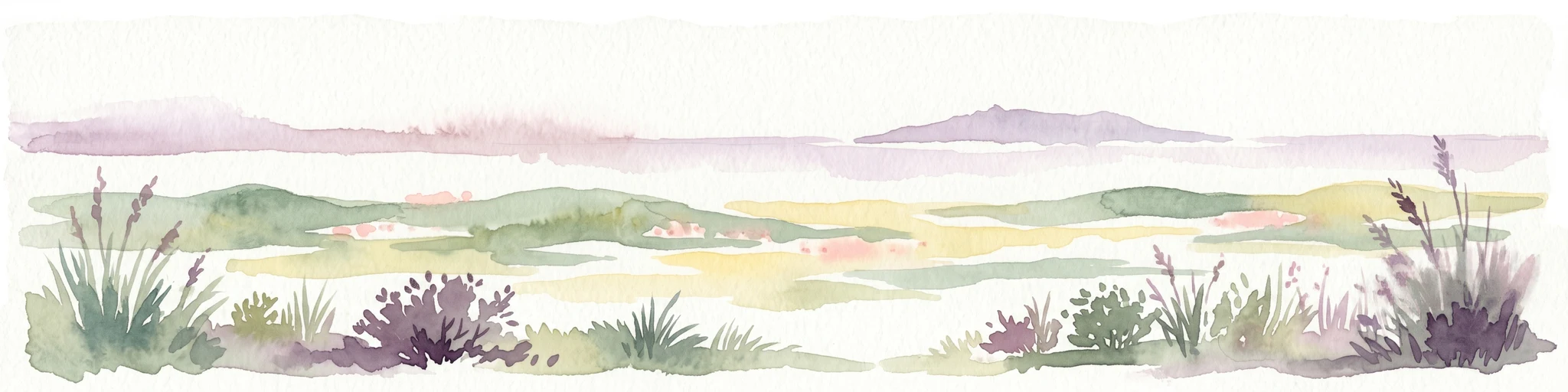
The park supports exceptional biodiversity reflecting its position at the transition between Mediterranean and Atlantic climatic zones. Over 12 endemic plant species are found within the park's boundaries, representing species found nowhere else on Earth. The vegetation includes diverse Mediterranean scrub communities, Cork oak woodlands, and areas of more specialized habitats supporting rare plant species. The marine environment within the park's boundaries protects important coastal ecosystems that contribute to the overall biodiversity of this section of the Atlantic coastline. The combination of terrestrial and marine protection creates a comprehensive conservation approach that recognizes the interconnectedness of coastal and inland ecosystems.
Southwest Alentejo and Vicentine Coast Natural Park wildlife and species highlights
The park provides critical habitat for significant bird populations, with several important nesting sites for seabirds and raptors along the cliff-lined coast. The dramatic cliffs serve as nesting grounds for various species that depend on the remote coastal locations for breeding. The diverse habitats throughout the park support a range of terrestrial bird species, while the surrounding waters provide feeding grounds for marine birds. The marine component of the park supports populations of marine mammals and other sea life that depend on the healthy coastal ecosystems.
Southwest Alentejo and Vicentine Coast Natural Park conservation status and protection priorities
As one of the last strongholds of wild European coast, the park represents a conservation priority of national and European significance. The protected landscape designation acknowledges both the natural values and the cultural landscape that has evolved over centuries. However, the park faces ongoing conservation challenges from the expansion of intensive agriculture in the surrounding region, particularly the rapid growth of greenhouse operations that strain water resources and fragment natural habitats. The park's management must navigate these pressures while maintaining the ecological integrity that makes the area significant. The marine portion of the park provides protection for coastal waters that would otherwise face increasing pressure from development and exploitation.
Southwest Alentejo and Vicentine Coast Natural Park cultural meaning and human context
The park exists within a region shaped by centuries of human activity, where fishing communities have historically depended on the rich marine resources of the coast. Traditional agriculture, including cork oak forestry and small-scale farming, has created the cultural landscape that characterizes the park's interior. The Rota Vicentina trail network, which includes both the coastal Fishermen's Trail and the inland Historical Way, reflects the historical paths and routes that connected communities throughout the region. These trails now provide opportunities for visitors to experience the landscapes that have supported human communities for generations.
Top sights and standout views in Southwest Alentejo and Vicentine Coast Natural Park
The Rota Vicentina trail network stands as the park's signature feature, offering over 400 kilometers of marked trails that traverse the most spectacular coastal and rural landscapes. The Fishermen's Trail follows the cliff-top coastline for 226.5 kilometers, providing hikers with continuous views of the dramatic Atlantic shoreline. The Historical Way extends 263 kilometers through the agricultural interior, passing through traditional villages and historic landscapes. Both trails have received quality certification from the European Ramblers' Association. The park's beaches, many accessible only by trail, represent some of Europe's most secluded and unspoiled coastal destinations. The endemic plant species and bird nesting sites provide exceptional opportunities for nature observation in a relatively unmodified landscape.
Best time to visit Southwest Alentejo and Vicentine Coast Natural Park
The park can be visited year-round, though spring and autumn offer the most comfortable conditions for hiking the Rota Vicentina trails. Summer months bring warm temperatures and peak visitor numbers, with the coastal trails offering refreshing sea breezes. Winter sees fewer visitors and the landscape takes on a different character with occasional rain transforming the vegetation. The shoulder seasons provide ideal conditions for long-distance hiking, with moderate temperatures and smaller crowds on the trails. The park's wildlife viewing opportunities vary seasonally, with bird activity most prominent during the spring breeding season.