
Why Aire and Candeeiros Ranges Natural Park stands out
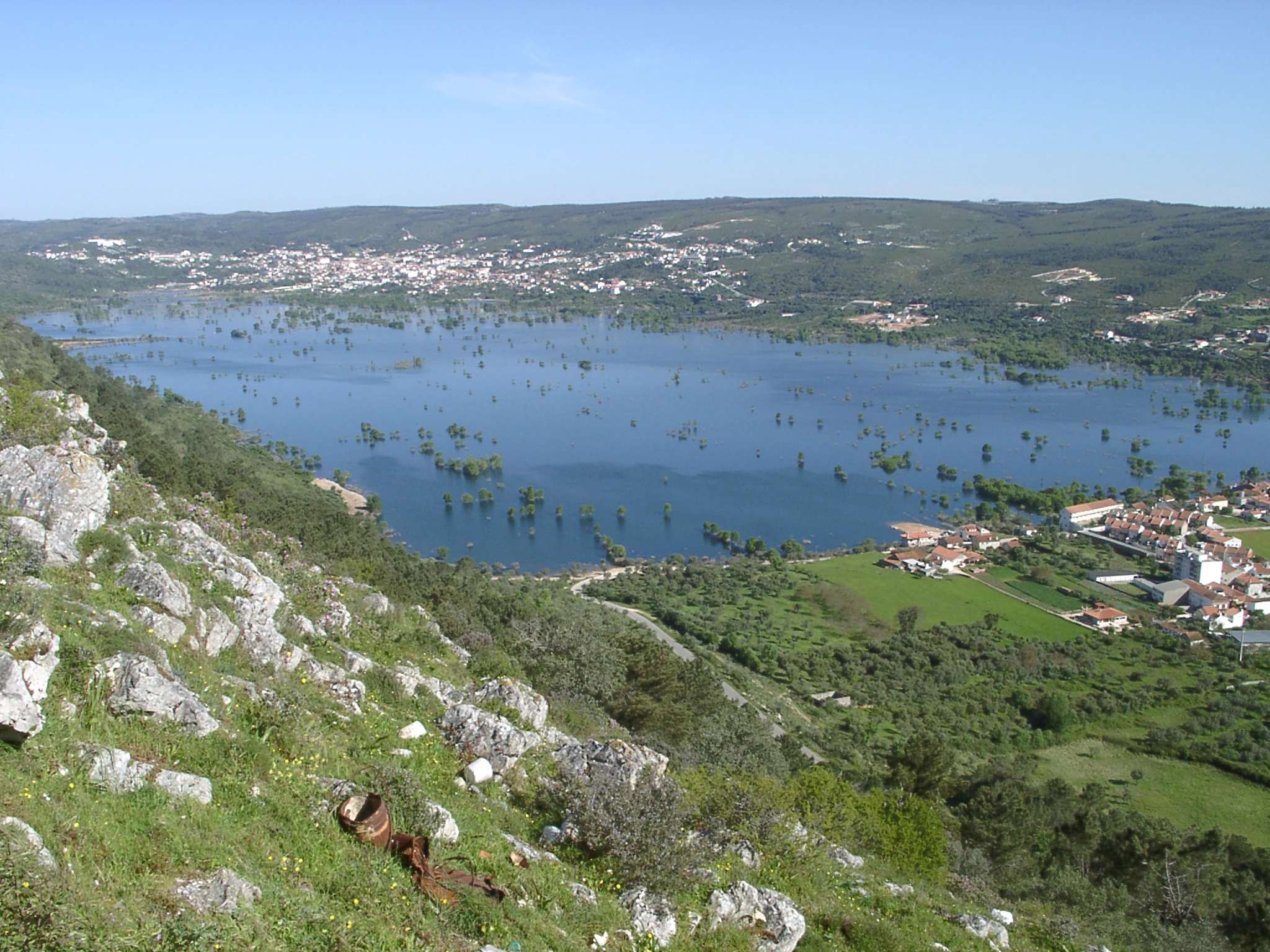
The park is renowned for its exceptional karst landscape and geological features. It contains some of the world's most significant Middle Jurassic sauropod dinosaur trackways, with the Aire Range Dinosaur Tracks Natural Monument preserving unusually well-preserved prints including claw and digit impressions that represent the oldest known dinosaur footprints on the Iberian Peninsula. The park also shelters the Mira de Aire cave system, one of Portugal's most spectacular underground chambers, and the Minde-Mira de Aire Polje, a vast karst depression that functions as a Ramsar-designated wetland. The underground freshwater network fed by rainfall infiltrating through the porous limestone supplies water to Lisbon through the Alviela springs, a relationship dating to 1880.
Aire and Candeeiros Ranges Natural Park history and protected-area timeline
The park was established on May 4, 1979 through Decree-Law 118/79 with the dual purpose of preserving natural aspects and protecting the architectural and cultural heritage of the Aire and Candeeiros mountain regions. A management plan and regulations were approved in January 1988 through Portaria 21/88, and construction regulations were adopted in June 1990 to control development within the park. In July 2000, the Serras de Aire e Candeeiros site was designated as a Community Interest Site for integration into the Natura 2000 network. The Aire Range Dinosaur Tracks Natural Monument was created in 1996, preserving fossil tracks discovered in 1994 at what was then an active quarry. The Minde-Mira de Aire Polje was added to the Ramsar List of Wetlands of International Importance in December 2005. The park continues to be managed by the Institute for Nature Conservation and Forests (ICNF), with visitor numbers averaging approximately 32,000 annually between 2015 and 2020.
Aire and Candeeiros Ranges Natural Park landscape and geographic character
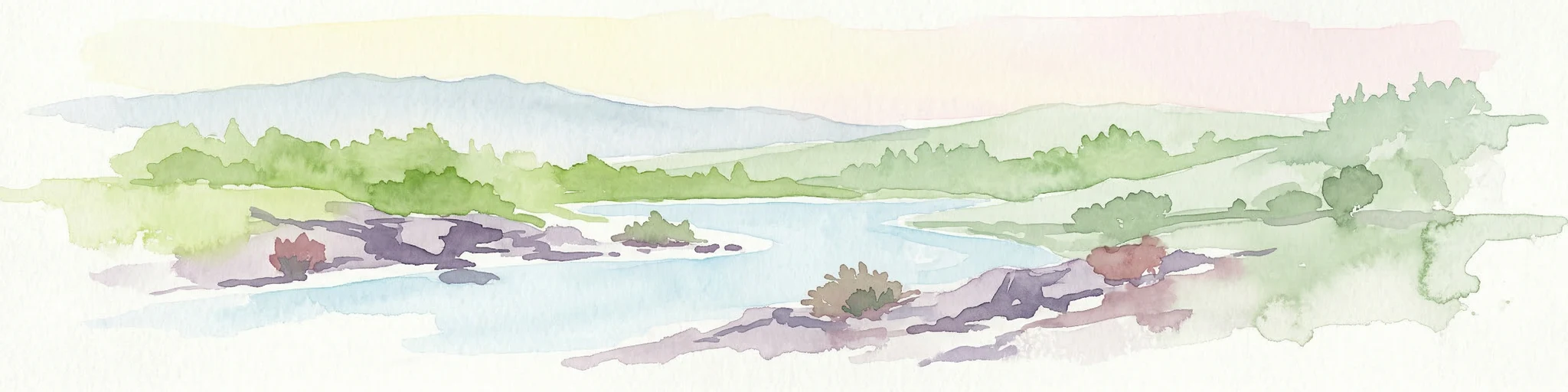
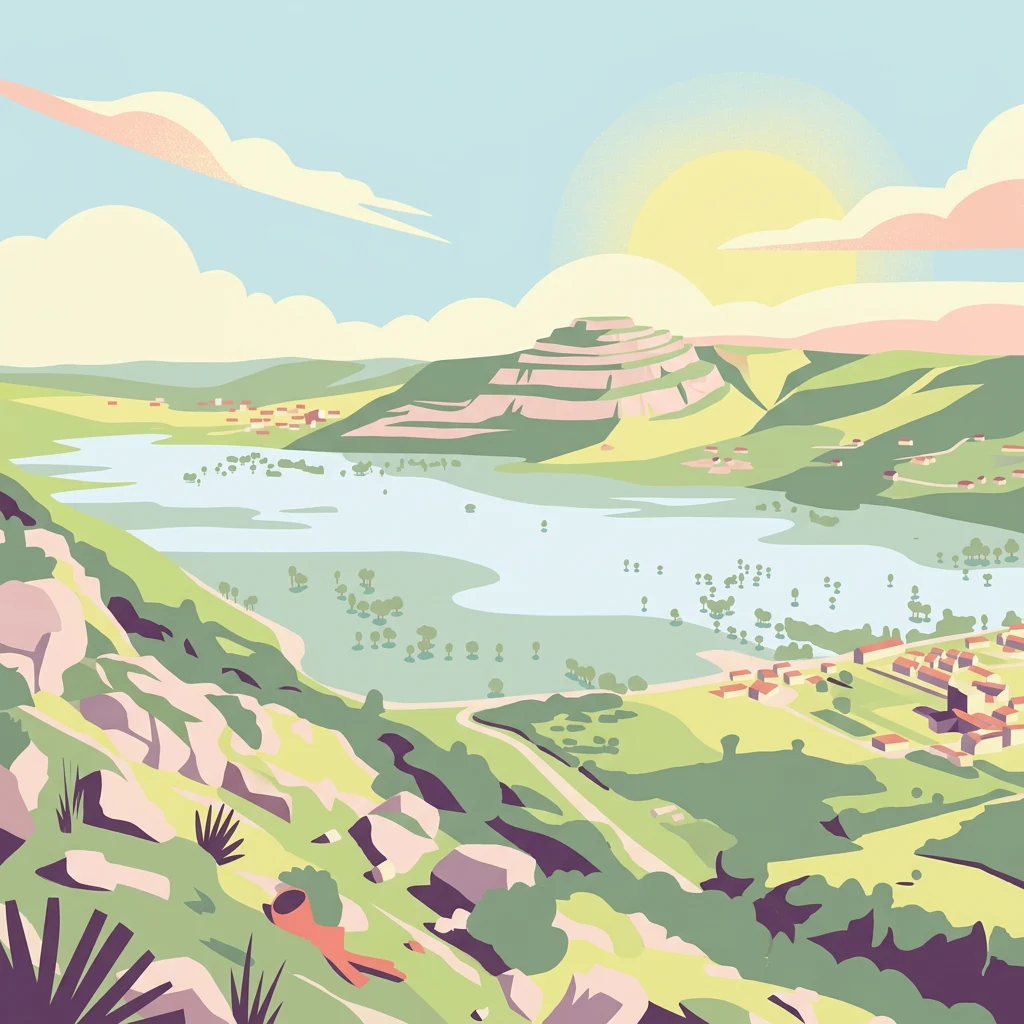
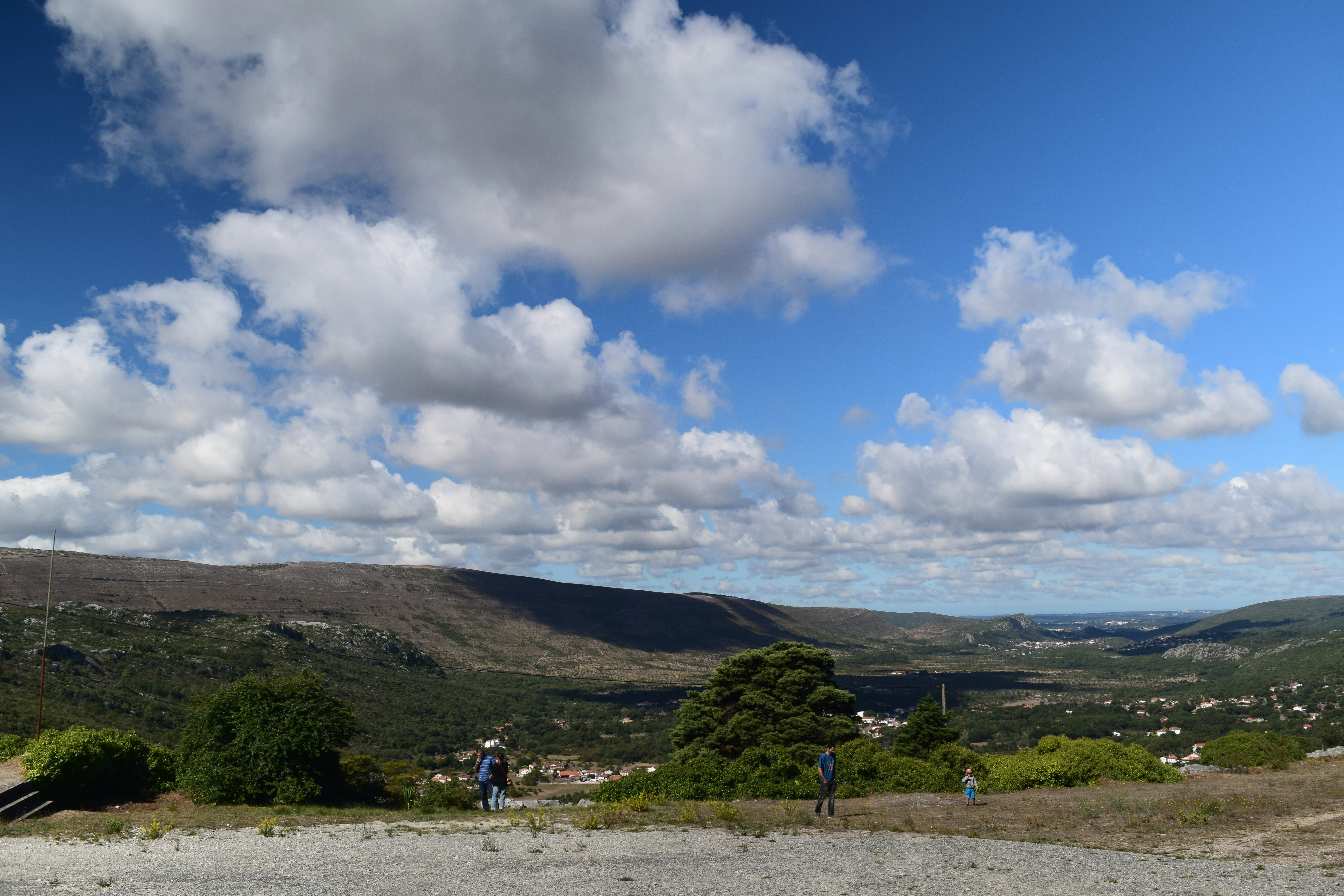
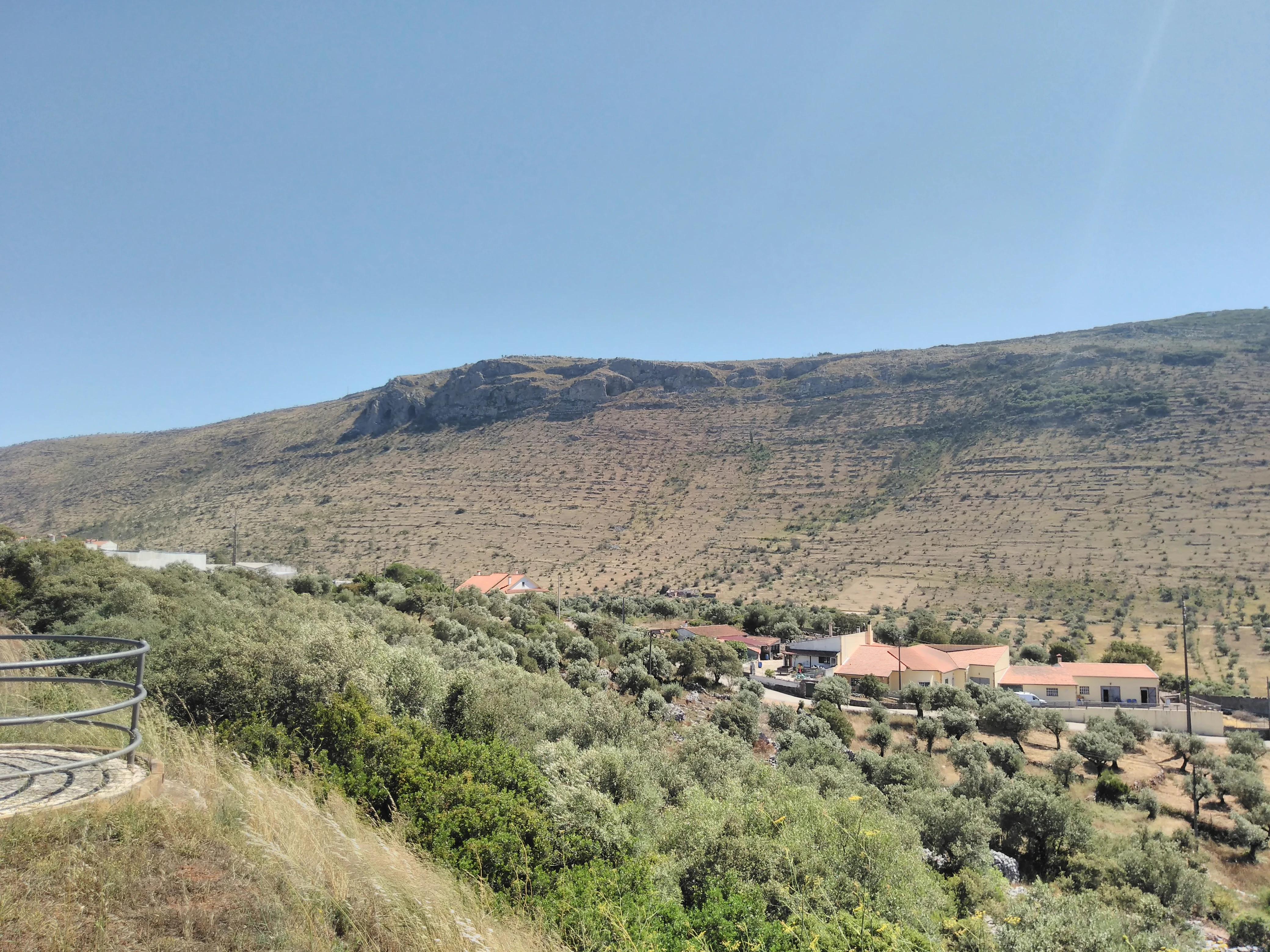
The park's landscape is defined by its karst limestone terrain, with prominent ridges and plateaus rising 200 meters above surrounding areas. The Aire Range reaches 679 meters at its highest point while the Candeeiros Range attains 615 meters. The white, jointed limestone strata are continuously dissolved by rainwater, which preferentially infiltrates through fractures rather than flowing on the surface. This process has created an extensive underground drainage system with galleries, caves, and springs. Surface depressions called poljes, such as the Minde-Mira de Aire Polje, collect water during wet seasons and drain seasonally, leaving behind fertile terra rossa soil. The landscape also includes limestone pavements, uvalas, sinkholes, and natural amphitheaters like Fórnea formed by temporary springs. The Arrimal Lagoons represent sinkholes with naturally waterproofed clay bottoms. The absence of surface watercourses is a defining characteristic, with water instead traveling through vast underground networks before emerging at karst springs.
Aire and Candeeiros Ranges Natural Park ecosystems, habitats, and plant life
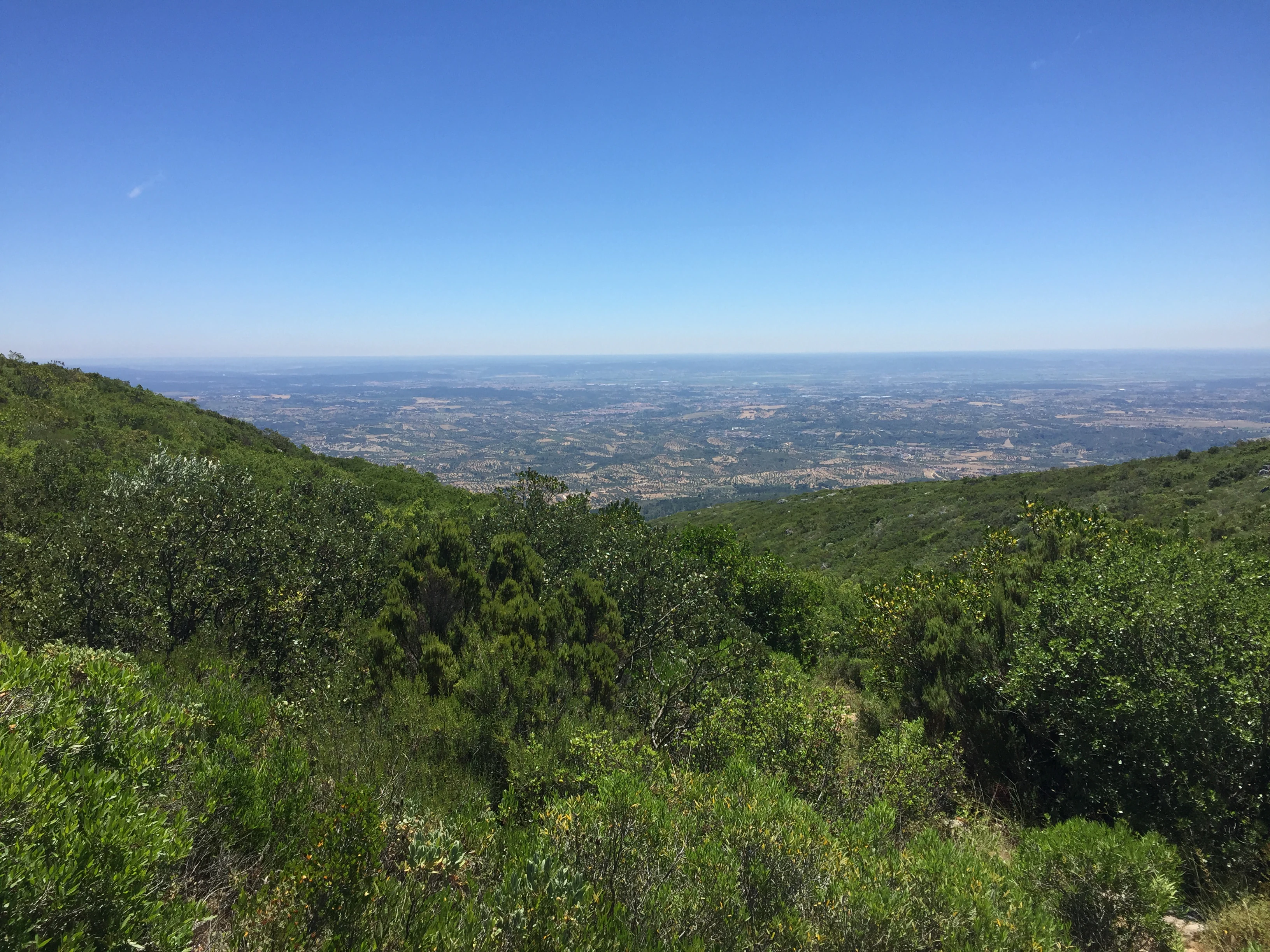
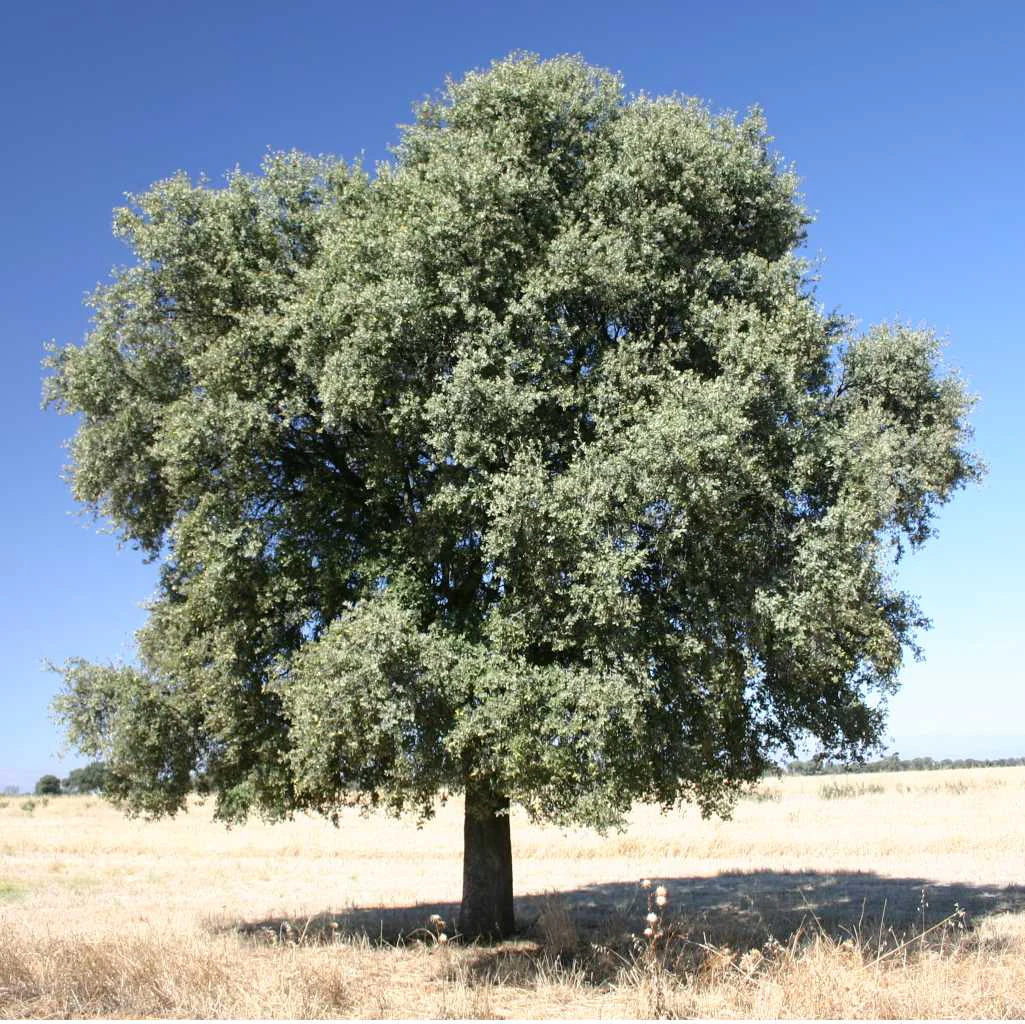
The park hosts more than 600 plant species representing about one-fifth of Portugal's total flora, including numerous endemics not found elsewhere. The vegetation reflects the blend of Atlantic and Mediterranean influences, with five main associated landscapes: Mediterranean shrublands with species like kermes oak, strawberry tree, and various heathers; humid oak and pine forests featuring Portuguese oak, cork oak, and maritime pine; lithophyte communities adapted to rock surfaces; human-introduced eucalyptus forests and olive groves; and riparian forests along underground water emergence zones. The park contains approximately 27 orchid species, representing roughly half of Portugal's native orchid diversity. Calcareous flora uncommonly found in Portugal thrives here, including Iris subbiflora, Paeonia broteri, and several endemic species such as Silene longicilia, Narcissus calcicola, and Saxifraga cintrana. The flora exhibits adaptations to fire, with some species including orchids showing enhanced flowering after burning events.
Aire and Candeeiros Ranges Natural Park wildlife and species highlights
The park supports remarkable biodiversity despite centuries of human occupation that have transformed habitats. Vertebrate surveys have recorded 204 species, including 136 bird species. Mammals include 21 bat species representing nearly half of the park's mammal diversity, with species like Mehely's horseshoe bat and Geoffroy's bat. The micromammal community features European hedgehog, various shrews, and several mouse and vole species. Mesomammals include European rabbit and Granada hare, while large mammals include European badger, beech marten, Eurasian otter, red fox, common genet, Egyptian mongoose, Iberian lynx, and European wildcat. Bird species include short-toed snake eagle, common buzzard, Eurasian hoopoe, great spotted woodpecker, blue rock thrush, and the red-billed chough that nests exclusively in the park's rock cavities. The park supports 13 amphibian species despite lacking surface watercourses, utilizing temporary pools and lagoons like the Alvados Lagoon for reproduction. Underground galleries harbor endemic troglobiotic species including cave beetles of the genus Trechus and the spider Nesticus lusitanicus, known nowhere else on Earth.
Aire and Candeeiros Ranges Natural Park conservation status and protection priorities
The park's conservation significance stems from its exceptional geological, ecological, and cultural values. Its designation as a Natura 2000 site reflects the presence of priority Mediterranean forest and scrub habitats considered unique in global terms. The underground aquifer represents a critical freshwater resource serving Lisbon's water supply since 1880. The dinosaur track sites are of international scientific importance, being among the world's few locations where Middle Jurassic sauropod tracks can be studied. The Ramsar designation of the Minde-Mira de Aire Polje recognizes its function as a wetland of international importance. However, the park faces significant ecological threats from open-pit limestone quarrying, urban sprawl, road mortality of reptiles and amphibians, wind turbine installations affecting birds and bats, and agricultural intensification including pesticide use and invasive species like Australian eucalyptus. Conservation measures focus on nature tourism, scientific research, and organic farming practices to balance protection with sustainable use.
Aire and Candeeiros Ranges Natural Park cultural meaning and human context
Human populations have inhabited the Aire and Candeeiros region for millennia, with the Cave of Aroeira nearby containing the earliest recorded human traces in Portugal along with remains of deer, equids, rhinoceros, bear, and tortoise. The landscape bears marks of Chalcolithic activity including a dolmen Christianized into a chapel near Alcobertas, and Roman remains such as a road at Alqueidão da Serra in Porto de Mós dating from the first century BC to AD. The terrain's porosity has shaped settlement patterns, with communities clustering on fertile terra rossa plains rather than the dry limestone uplands. Traditional agricultural practices created a mosaic of cropland, olive groves, and pasture that supports species dependent on agro-pastoral systems. The red-billed chough, for instance, depends on these traditional practices that are increasingly rare due to agricultural abandonment. Local communities developed water management systems adapted to the karst terrain, including cisterns constructed in rock crevices to capture rainfall since wells were impractical in the limestone. The Rio Maior salt pans represent a unique cultural feature, being Portugal's only inland salt operations dating to 1177 and fed by underground galleries passing through rock salt deposits.
Top sights and standout views in Aire and Candeeiros Ranges Natural Park
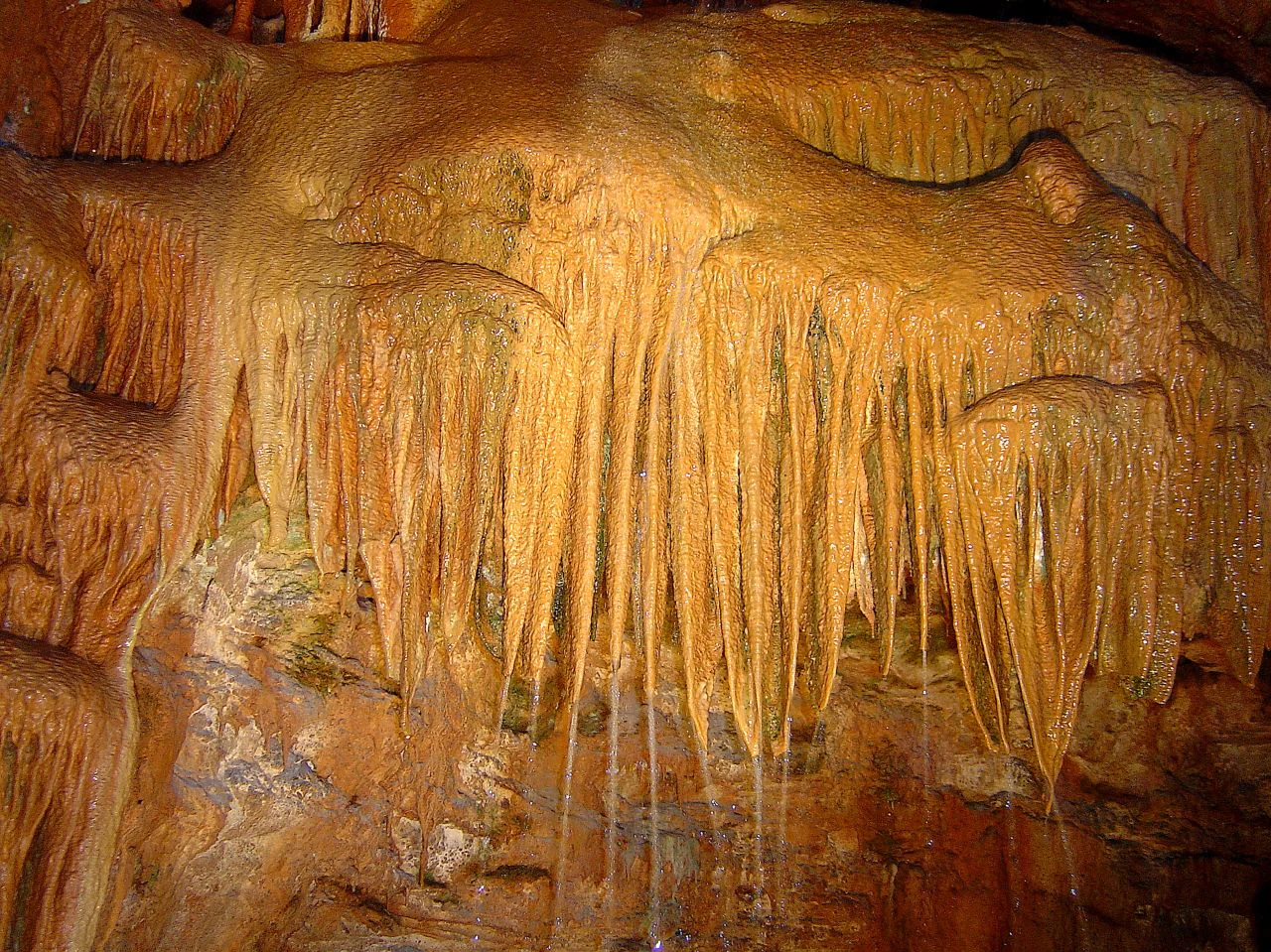
The park offers exceptional underground exploration through cave systems like Mira de Aire, Alvados, and the Almonda spring caves, with interpretation centers including the Centro Ciência Viva do Alviela - Carsoscópio. The Aire Range Dinosaur Tracks Natural Monument preserves one of the world's most significant Middle Jurassic sauropod trackway sites with over 1000 individual footprints at the Vale de Meios location. The Minde-Mira de Aire Polje transforms dramatically between seasons, flooding in winter to create a vast wetland before draining to reveal fertile soil. The park's 27 orchid species and more than 600 plant varieties support outstanding botanical interest, particularly for calcareous flora and Portuguese endemics. The underground water network feeding the Alviela springs has supplied Lisbon since 1880, representing one of the oldest continuous water supply relationships in Europe. The Rio Maior salt pans offer a rare glimpse of traditional inland salt production unique in Portugal.
Best time to visit Aire and Candeeiros Ranges Natural Park
The park can be visited year-round though seasons significantly influence the experience. Winter brings substantial rainfall that fills the poljes and activates springs, though some cave access may be restricted. Spring and autumn offer moderate temperatures and the best conditions for observing orchids and other wildflowers, with the Mediterranean scrub in bloom during late spring. Summer brings hot, dry conditions with temperatures sometimes exceeding 28°C in eastern areas, though the park's caves provide naturally cool refuge. Fog is common in winter and can move inland from the Atlantic, usually clearing by midday. The summer months of July and August see minimal rainfall, making this the driest period. For wildlife observation, spring brings amphibian breeding activity at temporary pools while autumn sees bird migration. The dinosaur track sites are accessible throughout the year, though summer heat may make extended outdoor exploration uncomfortable.