
Why Northern Littoral Natural Park stands out
Northern Littoral Natural Park is best known for its exceptional Atlantic dune system, which represents the most extensive and best-preserved coastal dune formation in northern Portugal. The park's twin estuaries, where the Cávado and Neiva rivers meet the Atlantic, create rich wetland habitats that rank among the most significant in the region. The park serves as a crucial node in the East Atlantic Flyway, with the estuarine zones providing essential refueling grounds for thousands of migratory waders and waterfowl each year. The traditional agricultural practice of masseiras, distinctive trough-like cultivated fields dug into the sand dunes, represents a unique cultural landscape element that intertwines with the natural environment.
Northern Littoral Natural Park history and protected-area timeline
Northern Littoral Natural Park was established on November 17, 1987, becoming one of the earliest natural parks created under Portugal's modern protected areas framework. The park's creation responded to mounting concerns about development pressure along the northern Portuguese coast and the ecological fragility of the dune systems and wetland areas. The designation followed scientific surveys documenting the significance of the area's bird populations and the unique coastal dune formation. Management responsibility rests with ICNF, Portugal's nature conservation and forest authority, which oversees both the ecological protection mandate and the协调 of human activities within the park boundaries. The establishment also reflected growing appreciation for the cultural dimension of the landscape, particularly the traditional masseira agricultural system that represents a distinctive form of coastal land use adapted to the sandy soils and wind exposure of the dune environment.
Northern Littoral Natural Park landscape and geographic character
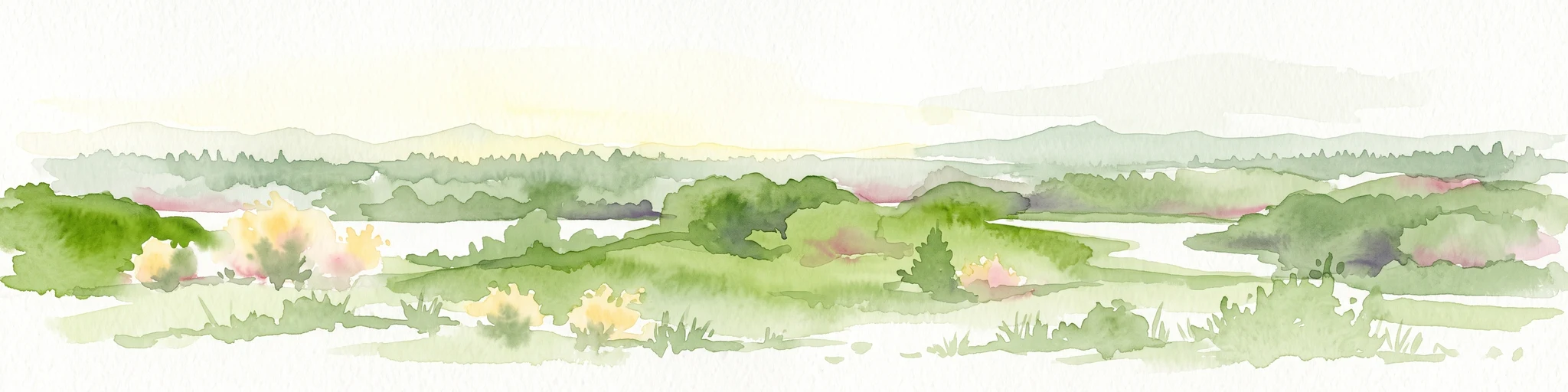
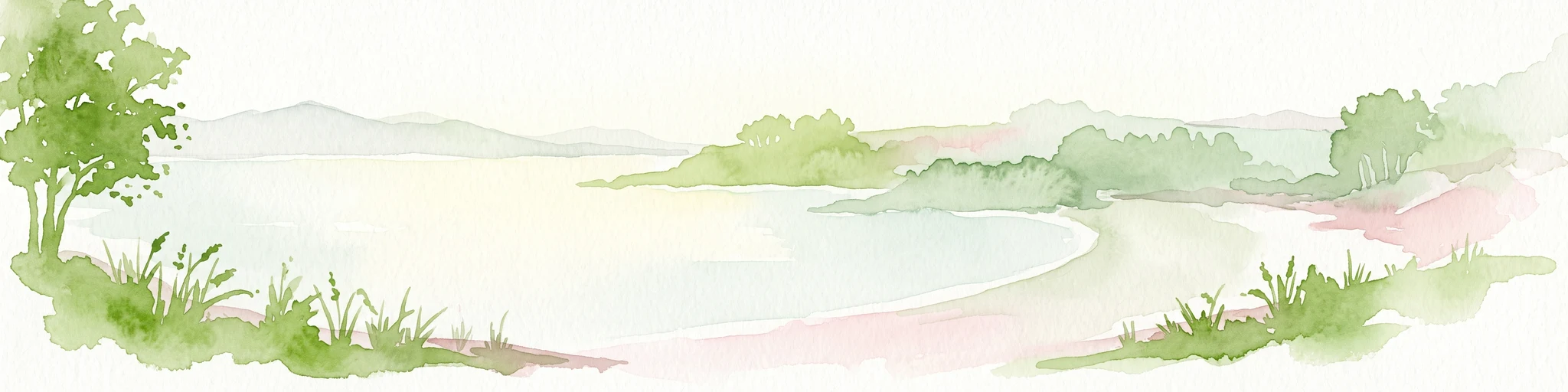
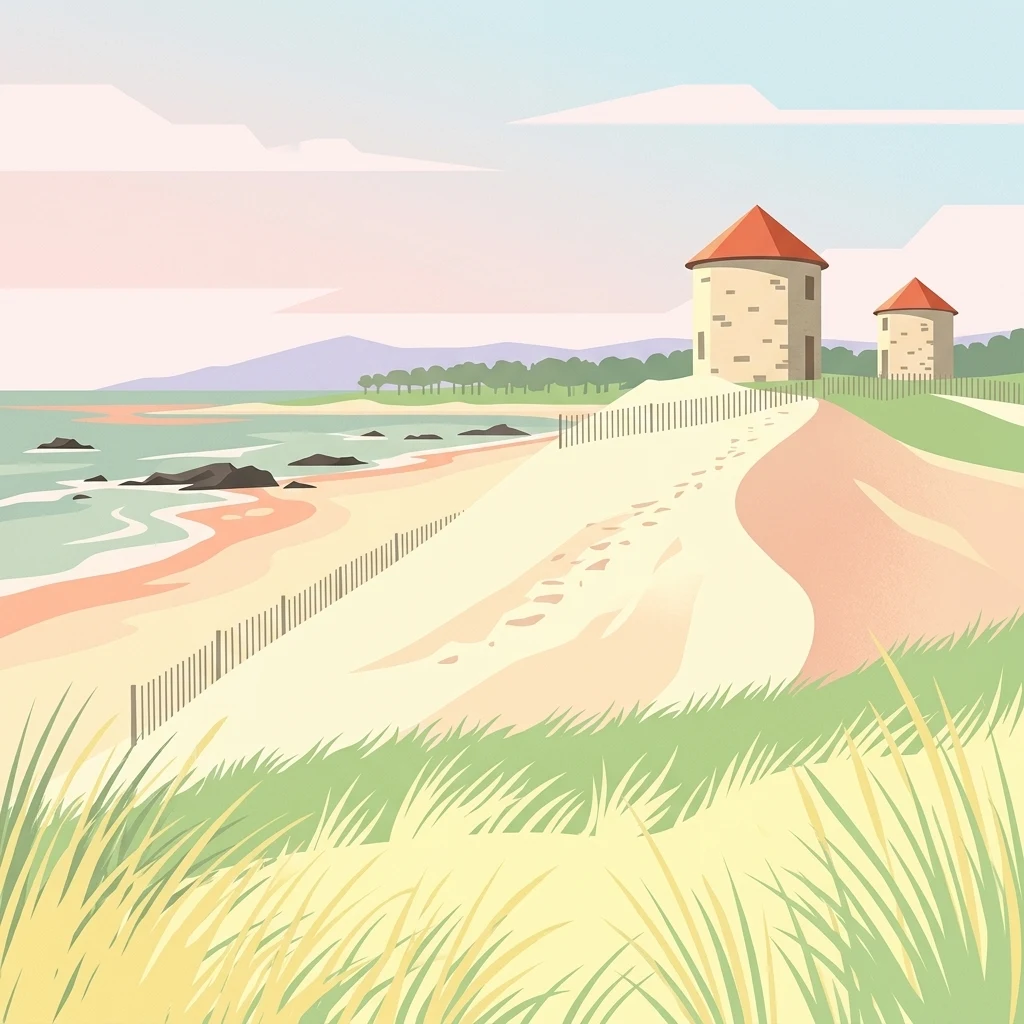
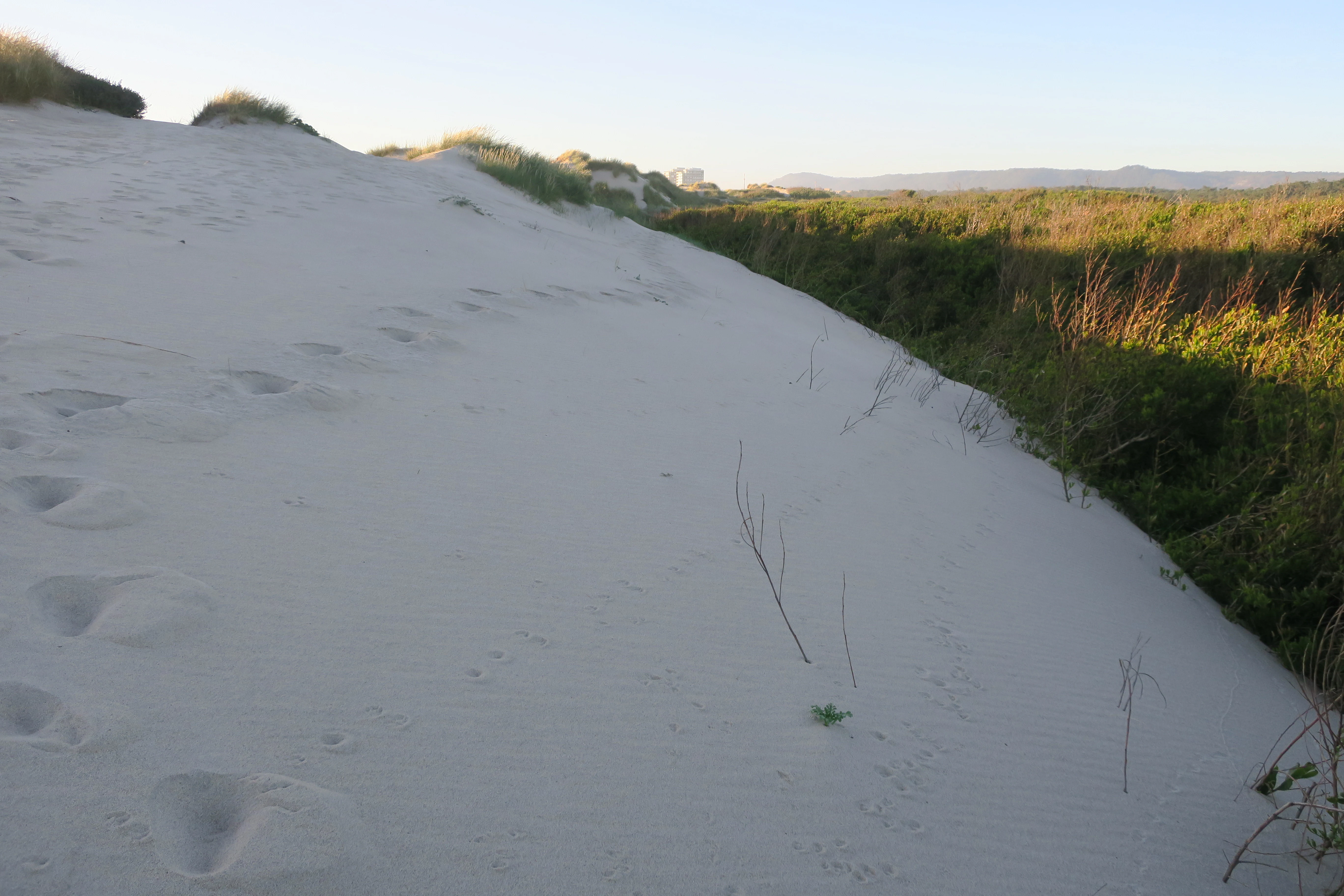
The physical landscape of Northern Littoral Natural Park is defined by the interaction between Atlantic marine processes and the fluvial systems of two major rivers. The most visually prominent feature is the frontal dune chain, a series of sand ridges running parallel to the coast that constitute the longest and most intact dune system in northern Portugal. These dunes, shaped by prevailing westerly winds and tidal forces, create a dynamic landscape that continues to evolve under natural coastal processes. Behind the primary dune ridge, secondary dunes and inter-dune hollows contain seasonal wetlands and lagoon systems that flood during winter months. The estuaries of the Cávado and Neiva rivers cut through this coastal framework, their broad tidal mouths creating extensive mudflat and sandflat areas exposed at low tide. The transition from the estuarine environments inland produces a landscape of marshes, reed beds, and wet grasslands that contrast sharply with the open beaches and dune ridges facing the Atlantic.
Northern Littoral Natural Park ecosystems, habitats, and plant life
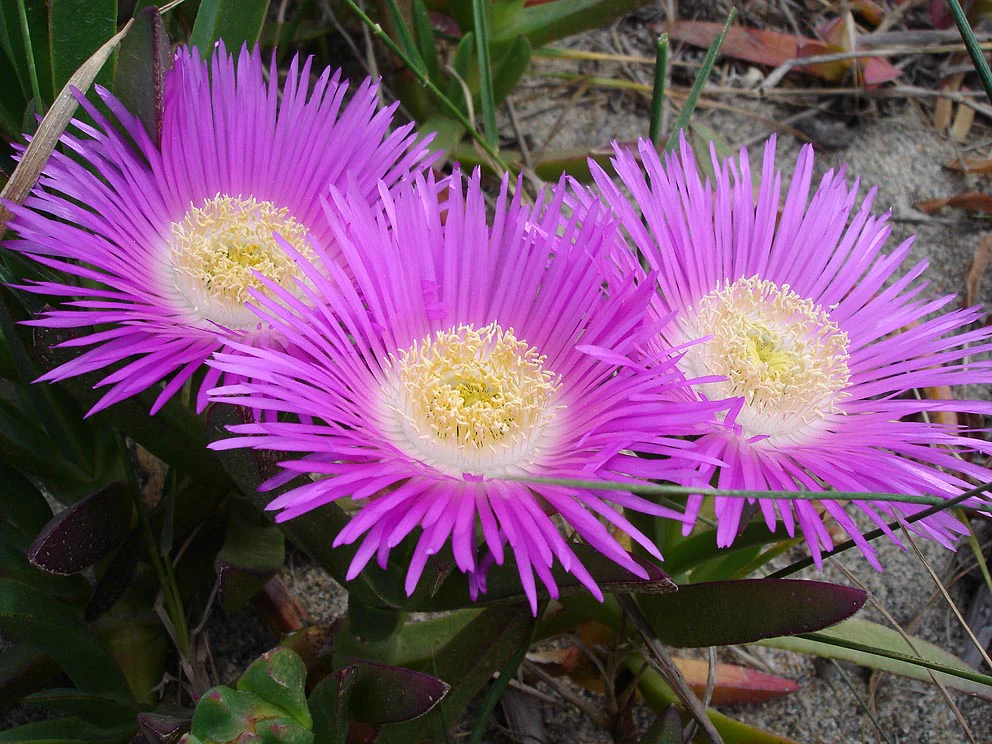
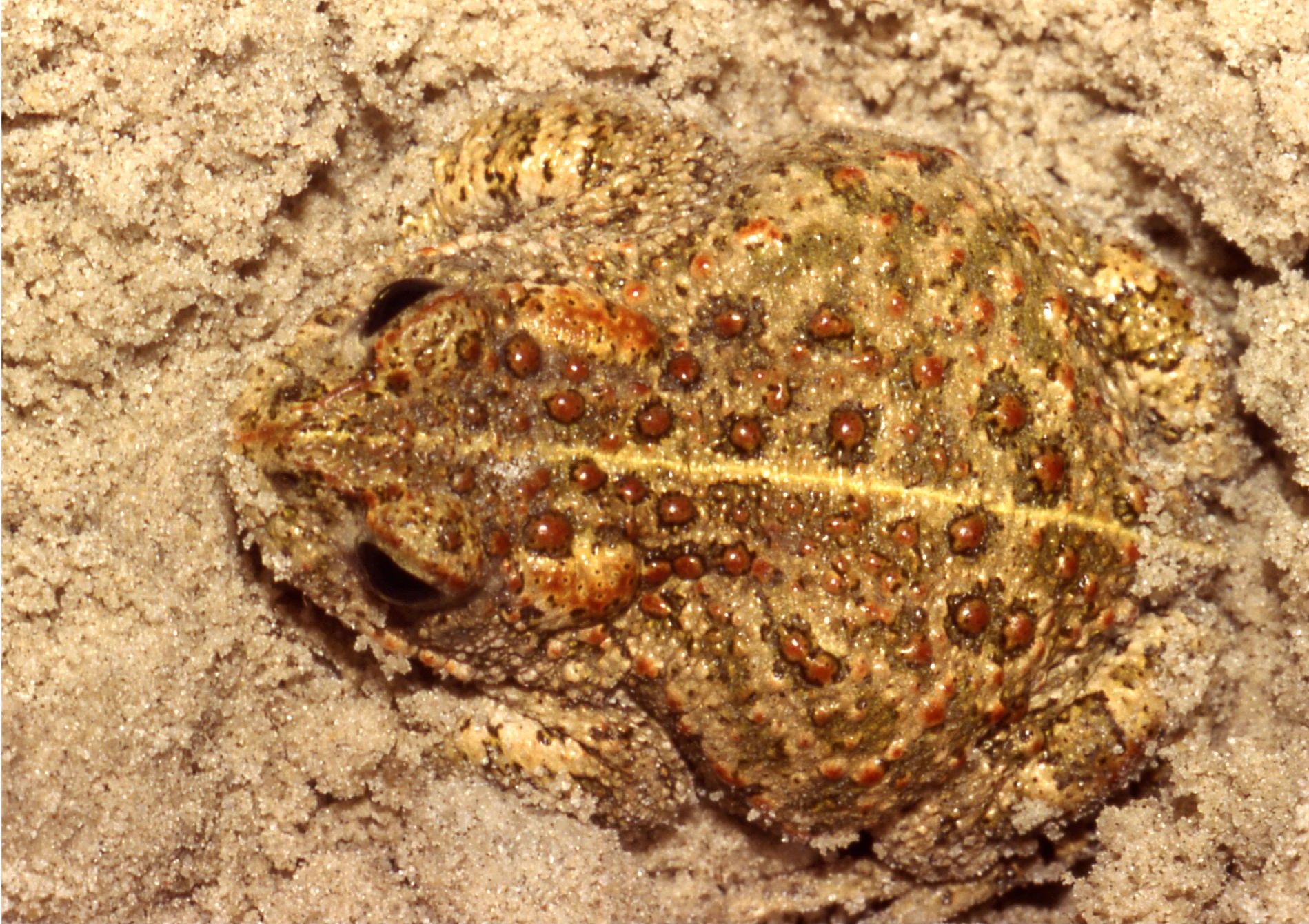
The ecological character of the park centers on the interplay between coastal dune habitats, estuarine wetlands, and the transitional environments between them. The dune system supports specialized plant communities adapted to salt spray, mobile sand substrates, and nutrient-poor conditions, including several species of rare coastal vegetation. The estuaries represent the ecological core of the protected area, their mudflats and shallow waters supporting dense populations of invertebrates that form the base of food chains feeding birds and fish. The wetland areas provide habitat for breeding, wintering, and migratory birds, with the park lying along the East Atlantic Flyway that brings thousands of waders, ducks, and geese through the area annually. The vegetation patterns reflect the gradient from saline conditions near the coast through brackish marshes to freshwater wetlands inland, with distinct plant communities occupying each zone. Around 240 species of plants have been documented within the park, representing a mix of Mediterranean, Atlantic, and boreal elements reflecting Portugal's position as a biogeographical crossroads.
Northern Littoral Natural Park wildlife and species highlights
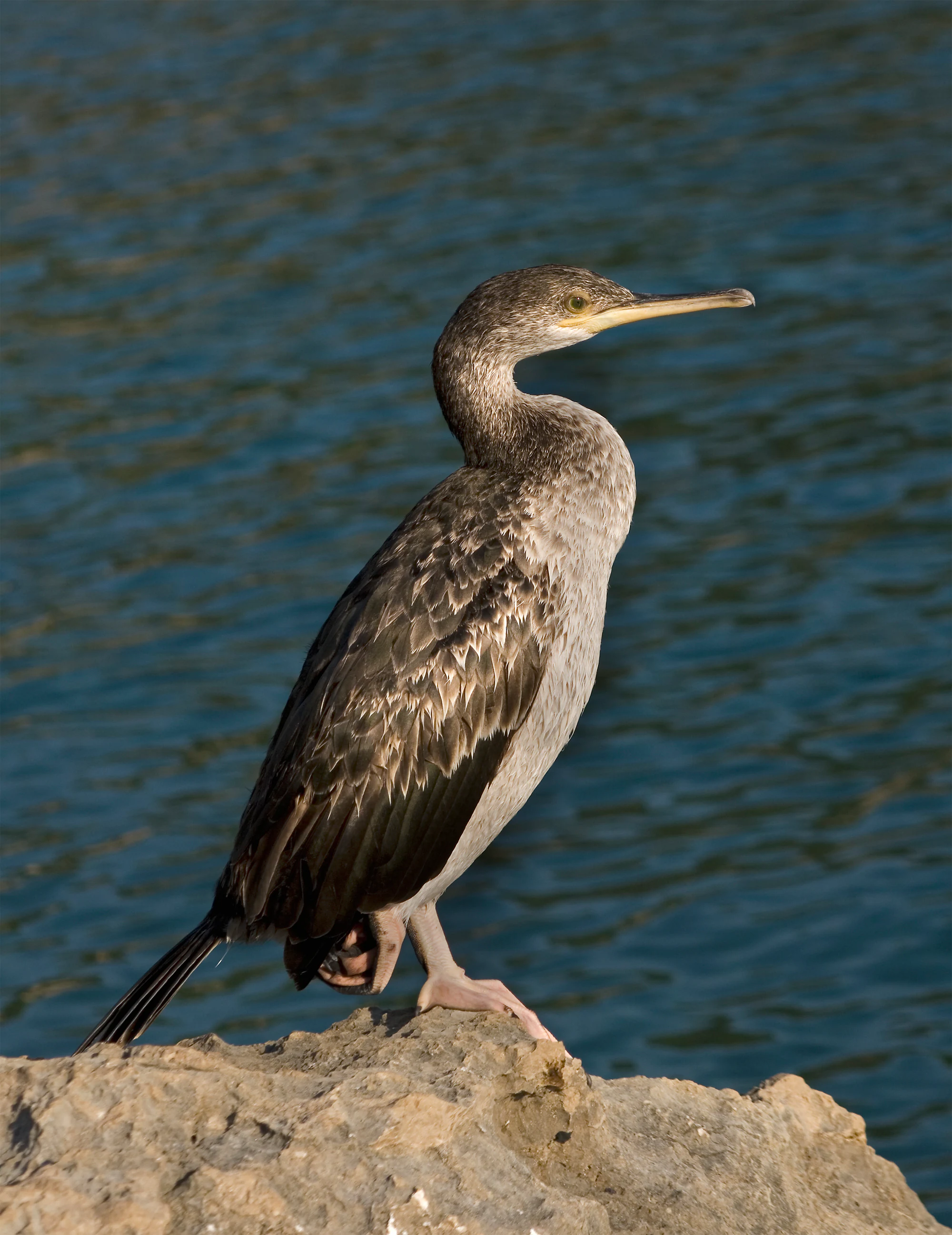
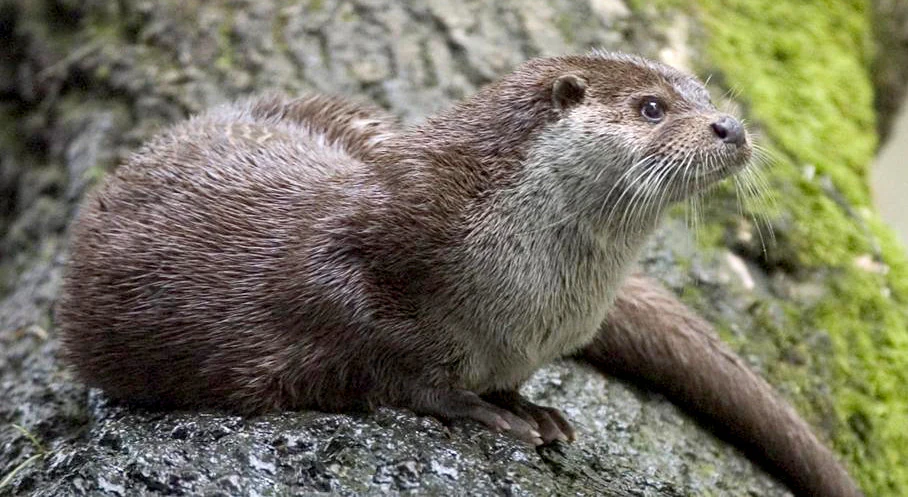
The birdlife of Northern Littoral Natural Park constitutes perhaps its most significant wildlife value, with approximately 140 species recorded in the terrestrial portions of the park alone. The estuarine areas serve as critical feeding and resting sites for migratory waders including species such as dunlin, knot, and godwits that pause here during their journeys between northern breeding grounds and African wintering areas. Winter brings significant populations of ducks, including teal and wigeon, that utilize the sheltered estuarine waters. The dunes and adjacent grasslands provide nesting habitat for several species of ground-nesting birds, while the wetland areas support herons, egrets, and the distinctive purple heron. The mammal fauna includes 19 confirmed species and potentially another eight species that may occur within the park, representing typical European coastal and wetland assemblages. The marine and estuarine waters support fish species important both ecologically and for local fisheries, with the estuary functioning as a nursery area for several commercially significant species.
Northern Littoral Natural Park conservation status and protection priorities
The conservation significance of Northern Littoral Natural Park derives from multiple factors: the rarity and fragility of Atlantic dune ecosystems in northern Portugal, the importance of the estuarine wetlands for migratory birds, and the presence of traditional land-use practices that have maintained open landscapes valuable for wildlife. The park's IUCN Category V classification reflects its character as a living landscape where nature conservation objectives coexist with continued human use rather than requiring exclusion of human activity. The protection framework addresses threats from coastal development, infrastructure expansion, and altered hydrological patterns that could affect the estuarine environments. The designation has helped maintain the dune system in a relatively natural state and provided formal recognition for the wetland habitats that support internationally important bird populations during migration and winter. The preservation of the masseira agricultural system also contributes to conservation by maintaining the open, grazed grassland habitats that many bird species require.
Northern Littoral Natural Park cultural meaning and human context
The cultural landscape of Northern Littoral Natural Park reflects centuries of human adaptation to the challenging coastal environment. The most distinctive traditional practice is the masseira system, agricultural fields dug as deep troughs into the sandy soil immediately behind the dune ridges. These excavations reach nearly to the water table, ensuring crops receive moisture while the surrounding dune ridges provide protection from Atlantic winds. This labor-intensive form of agriculture, unique to this stretch of the Portuguese coast, has shaped the dune-fringe landscape in ways that create heterogeneous habitat structure valuable for wildlife. The harvest of sargassum seaweed from the beach represents another traditional activity, with the algae collected in June and dried in the sun before use as fertilizer for the coastal farmland. The seaweed and pilado (small crustaceans) provided the main fertilizers for the sandy soils of the Minho coast for generations. The festa dos sargaceiros festival in Apulia celebrates this heritage with traditional costumes, embodying the cultural connection between local communities and the coastal environment.
Top sights and standout views in Northern Littoral Natural Park
The park's Atlantic dune system stands as its most distinctive landscape feature, representing the finest example of coastal dunes in northern Portugal. The twin estuaries of Cávado and Neiva create extensive wetland habitats that rank among the most important in the region for migratory birds. The traditional masseira agricultural landscape provides a unique cultural element uncommon elsewhere in Portugal. The location along a major migratory flyway ensures remarkable bird observation opportunities, particularly during spring and autumn passage periods. The combination of marine, dune, estuary, and agricultural environments within a compact area creates exceptional habitat diversity.
Best time to visit Northern Littoral Natural Park
The optimal time to experience Northern Littoral Natural Park depends on interests, with the estuarine bird populations most easily observed during migration periods in spring (March to May) and autumn (September to November), when thousands of waders and waterfowl use the wetlands as staging areas. Winter months bring significant numbers of ducks and geese to the estuaries, making this season rewarding for birdwatchers interested in waterfowl. The summer months see the dune flora in full flower and provide the warmest conditions for beach and walking activities, though this is also when visitor numbers are highest. Each season offers a different perspective on the park's landscapes, from the fresh green of spring to the warm tones of late summer and the atmospheric conditions of winter storms along the coast.