Why Atlantic Islands of Galicia National Park stands out
The Atlantic Islands of Galicia is especially known for its remarkable seabird colonies and marine biodiversity. The park supports the largest European shag colony in Europe, with 78% of the Spanish population and 1-3% of the global population nesting here. The yellow-legged gull population represents 7-15% of the worldwide population and a third of Spain's total. The marine environment hosts twenty-seven cetacean species, with the common bottlenose dolphin being most abundant. Cortegada Island contains one of Europe's largest bay laurel forests, a rare Mediterranean-type ecosystem. The Cíes Islands' Rodas beach was rated by The Guardian as the world's best beach, and the archipelago receives the highest visitor numbers within the park.
Atlantic Islands of Galicia National Park history and protected-area timeline
The Atlantic Islands of Galicia passed through multiple historical phases before achieving national park status. Human presence dates to the Iron Age, with Roman ceramics subsequently found across several islands. During the Medieval period, various monastic orders occupied the islands before they became church property and were subsequently gauged—a form of feudal tenure—to local nobles. The islands also served strategic purposes as bases for raiders conducting coastal attacks. More recently, the Cíes Islands remained inhabited until the eighteenth century when pirate activity forced residents to abandon them. Ons Island retains a small permanent community of about 63 people to this day. The modern protection movement began in 1980 when the Cíes Islands were declared a natural park and designated as a Special Protection Area for birds. Full national park status followed on June 13, 2002, making it the thirteenth Spanish national park. Just six months after establishment, the catastrophic Prestige oil spill in November 2002 impacted all the islands except Cortegada, causing significant environmental damage from which some elements, particularly lichen communities and European shag reproductive success, have not fully recovered two decades later. Future expansion of the park to include the Lobeiras and Sisargas islands has been discussed but not implemented.
Atlantic Islands of Galicia National Park landscape and geographic character
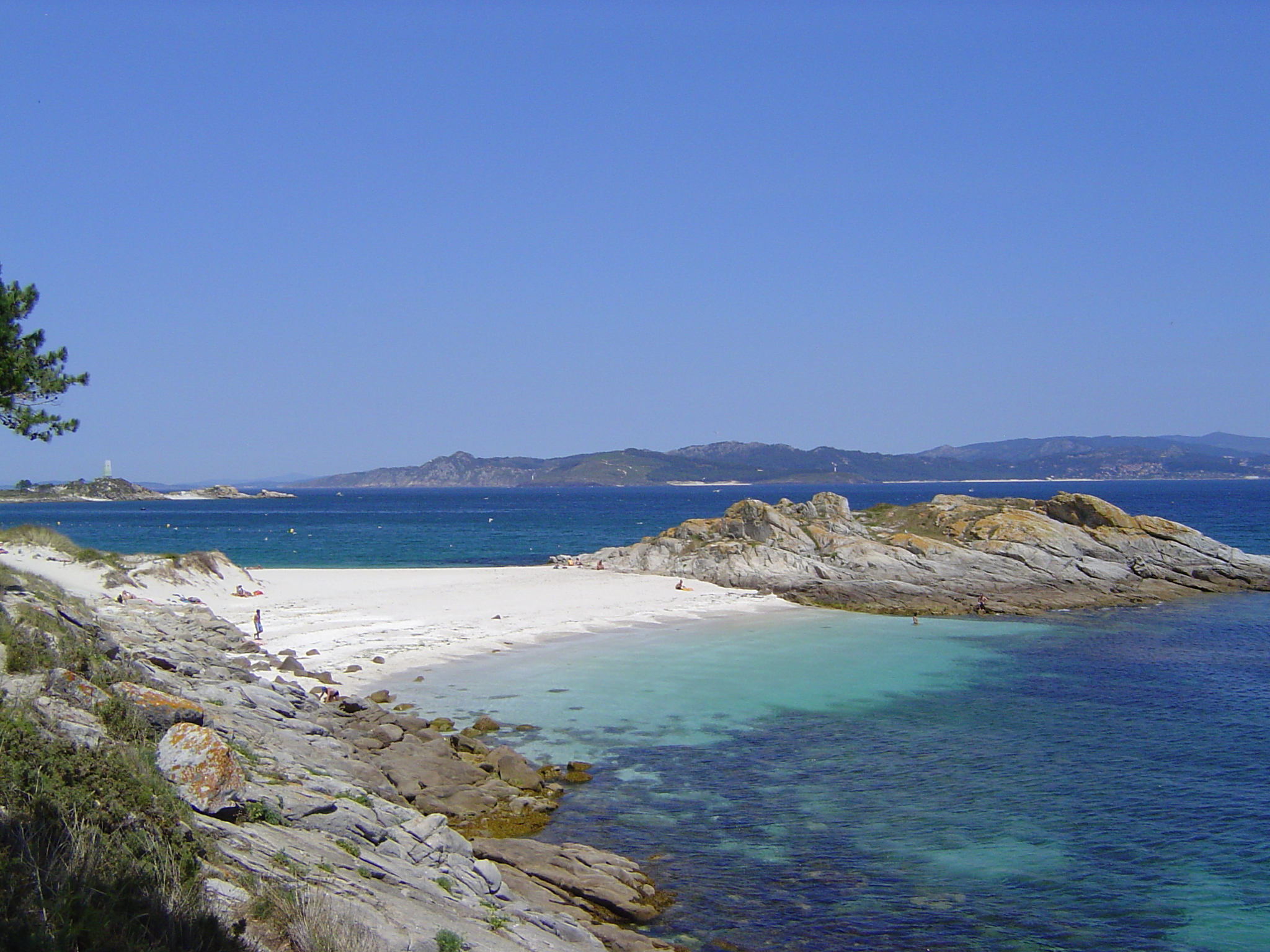
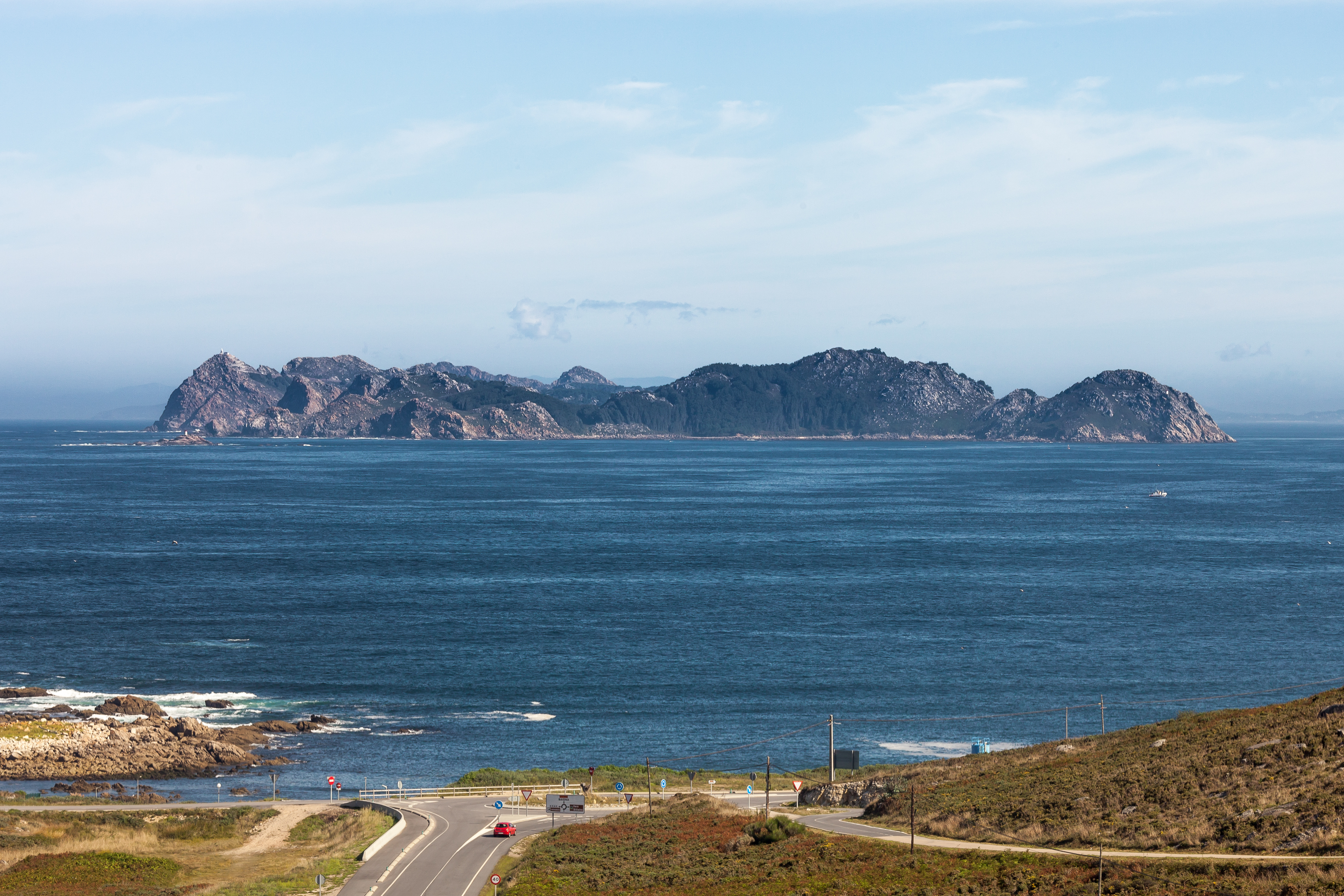
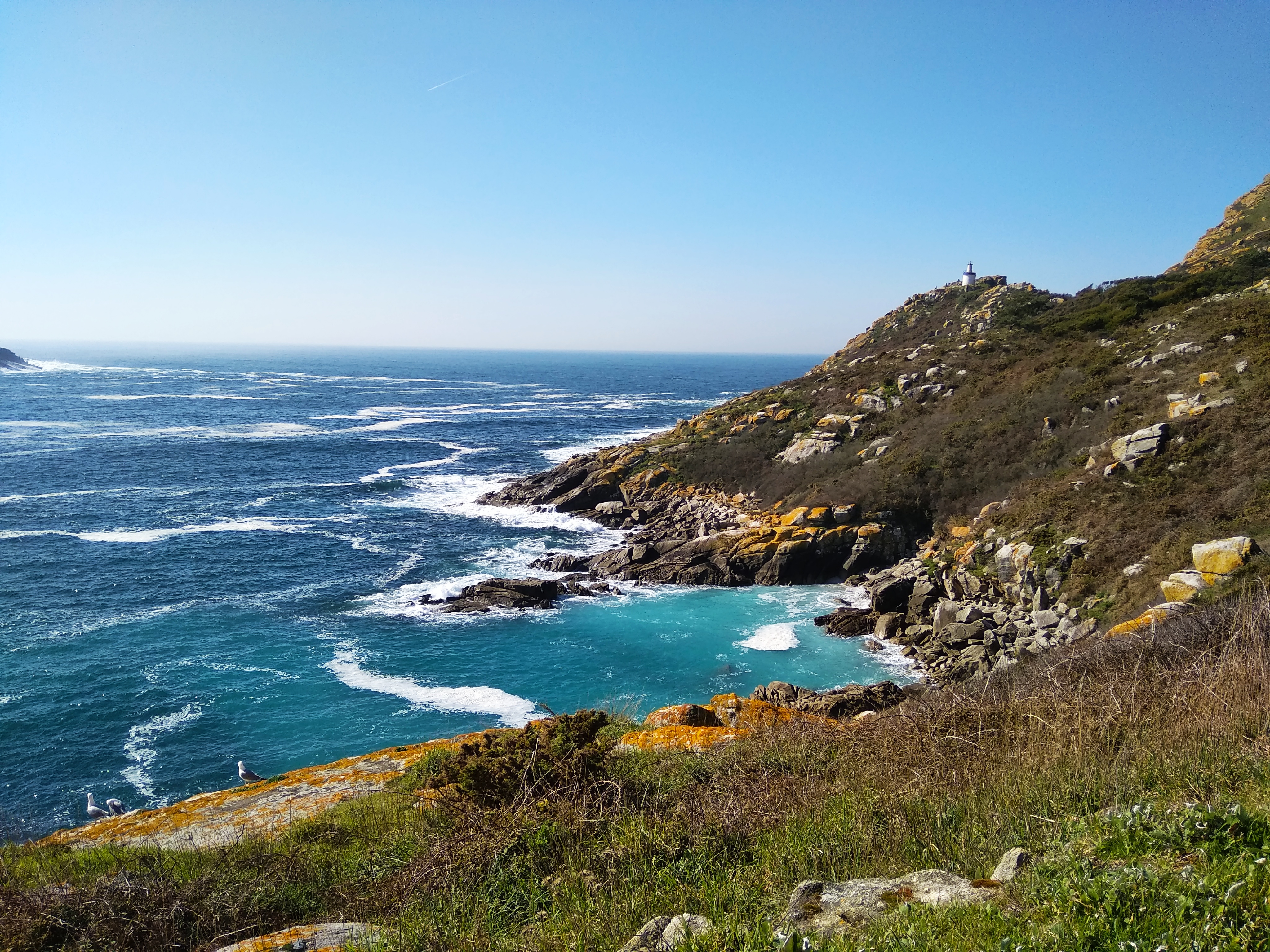
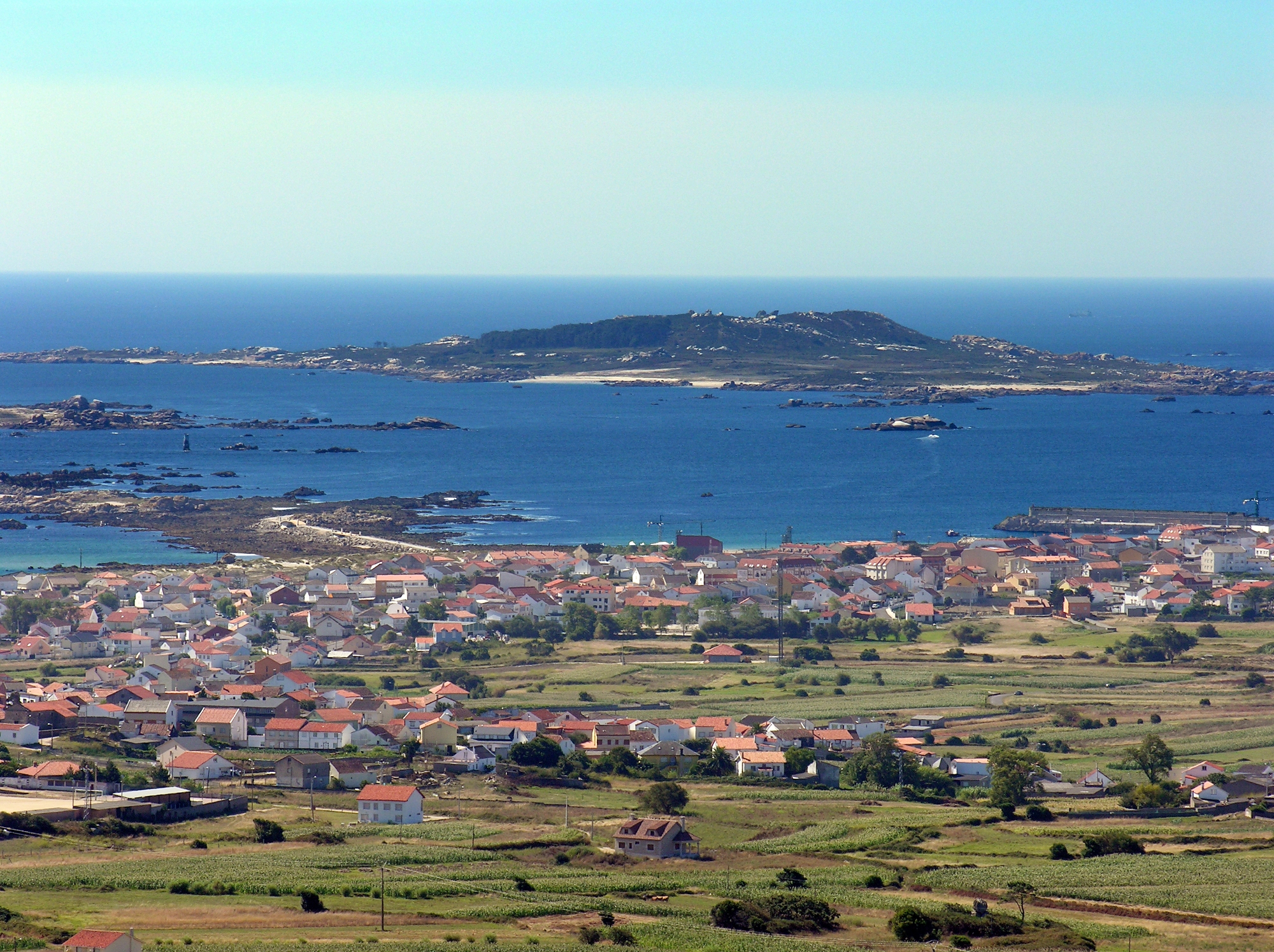
The Atlantic Islands of Galicia present a distinctive Atlantic island landscape characterized by granite headlands, sheltered coves, and steep coastal cliffs. The Cíes Islands, forming the park's largest archipelago, consist of three main islands—Monteagudo, Montefaro, and San Martiño—that surround the entrance of the Ría de Vigo. The highest elevation reaches 197 meters on Cíes, providing panoramic views across the ría and out to the Atlantic. The Ons archipelago, positioned at the entrance of the Ría de Pontevedra, combines the main Ons Island with Onza and several smaller rocky outcrops, reaching 119 meters elevation. Sálvora lies at the mouth of the Ría de Arousa with more modest 73-meter elevations. Cortegada, the smallest archipelago in both land area and elevation at 19 meters, sits within the inner estuary of the Ría de Arousa. The islands display characteristic Atlantic coastal vegetation, with maritime influences shaping plant communities across exposed cliffs and more sheltered interior slopes. Beaches such as the famed Rodas on Cíes combine white sand with clear waters typical of this exposed Atlantic setting.
Atlantic Islands of Galicia National Park ecosystems, habitats, and plant life
The Atlantic Islands of Galicia supports a remarkable convergence of terrestrial and marine ecosystems within a relatively compact protected area. The terrestrial component centers on Cortegada Island, which contains one of Europe's largest and most significant bay laurel forests—a relict Mediterranean-type woodland that survives in the oceanic climate of Galicia's coast. This evergreen forest type, characterized by species such as laurel, represents a ecosystem with limited distribution in Europe. The surrounding marine environment supports over 200 seaweed species and diverse invertebrate communities including shellfish, corals, and anemones. The islands occupy a strategic position along migratory bird routes and support breeding populations of international importance. The climate across the islands varies somewhat, with Cíes receiving approximately 1,000 mm annual precipitation while Ons and Sálvora experience wetter conditions at 1,500 mm. Cortegada, nestled within the estuarine environment, receives the highest rainfall at around 2,000 mm annually. Average temperatures range from 13-15°C with limited seasonal variation, reflecting the moderating influence of the Atlantic Ocean.
Atlantic Islands of Galicia National Park wildlife and species highlights
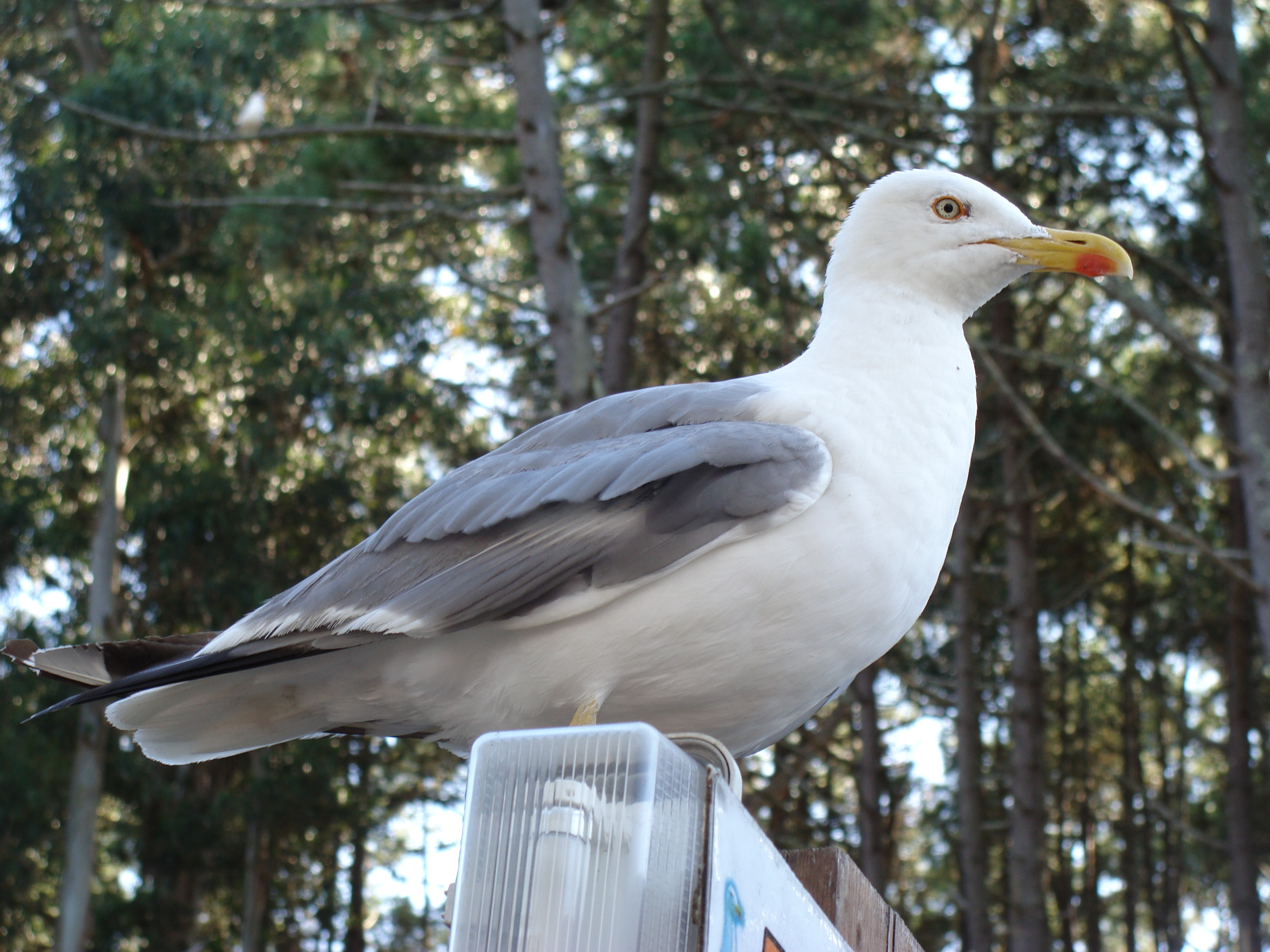
The wildlife of the Atlantic Islands of Galicia spans marine mammals, seabirds, and limited terrestrial fauna, with the park's significance lying particularly in its seabird colonies and cetacean populations. Among breeding birds, the European shag holds particular importance—the park hosts the largest colony in Europe, representing 78% of Spain's population and 1-3% of the global population, leading to its classification as Vulnerable in the Spanish and Galician Catalogues of Endangered Species. The European storm-petrel nests in significant numbers, potentially representing 1% of Spain's Atlantic population. Overwintering populations include the endangered Balearic shearwater and Eurasian curlew. The yellow-legged gull is exceptionally abundant, with the park supporting 7-15% of the global population and about a third of Spain's total. Marine mammals feature prominently: twenty-seven species of cetaceans and pinnipeds have been recorded, with common bottlenose dolphins most frequently encountered, followed by harbour porpoises, long-finned pilot whales, and short-beaked common dolphins. Sea turtles visit regularly, with loggerhead turtles most common and green sea turtles, Kemp's ridley, hawksbill, and leatherback turtles also recorded. Terrestrial wildlife is more limited due to the islands' small size and isolation, with introduced rabbit populations abundant and otters recently recolonizing the islands.
Atlantic Islands of Galicia National Park conservation status and protection priorities
The Atlantic Islands of Galicia holds significant conservation value as Spain's only maritime-terrestrial national park and as a Ramsar-designated wetland site of international importance. The park's conservation significance derives from multiple factors: the presence of Europe's largest European shag colony, substantial proportions of global and national yellow-legged gull populations, and one of Europe's largest bay laurel forests on Cortegada Island. The marine environment, with over 200 seaweed species and twenty-seven cetacean species, represents a biodiversity hotspot in the Atlantic. However, the park has faced significant conservation challenges. The 2002 Prestige oil spill severely impacted all but Cortegada Island, and two decades later, biodiversity has not recovered to pre-spill levels—lichen communities were eliminated and remain only partially restored, while European shag reproductive success has dropped by more than half. Historical deforestation from fires and agricultural practices led to reforestation with non-native eucalypts and acacias in the 1970s-80s, and the park has been engaged in a two-decade program to replace these with native species including arbutus, pine, and birch. The park operates under visitor authorization systems to limit daily impact and maintain ecological integrity.
Atlantic Islands of Galicia National Park cultural meaning and human context
The Atlantic Islands of Galicia contain evidence of long human engagement with the island landscape. Archaeological traces date to the Iron Age, with subsequent Roman-era ceramics documenting continuous human presence. During the Medieval period, monastic orders occupied the islands, establishing spiritual and administrative control before the islands passed to church ownership and feudal tenure under local nobles. The islands served strategic functions in the medieval and early modern periods as bases for raiding activities against the coast. Ons Island maintains the longest continuous habitation, still supporting a small permanent community of approximately 63 residents who represent the living cultural heritage of these islands. The Cíes Islands were inhabited until the eighteenth century when pirate activity forced abandonment. The park encompasses areas within four municipalities—Vigo, Bueu, Ribeira, and Villagarcía de Arousa—each with historical connections to the islands. The ancient village on Sálvora preserves traditional structures reflecting historical settlement patterns.
Top sights and standout views in Atlantic Islands of Galicia National Park
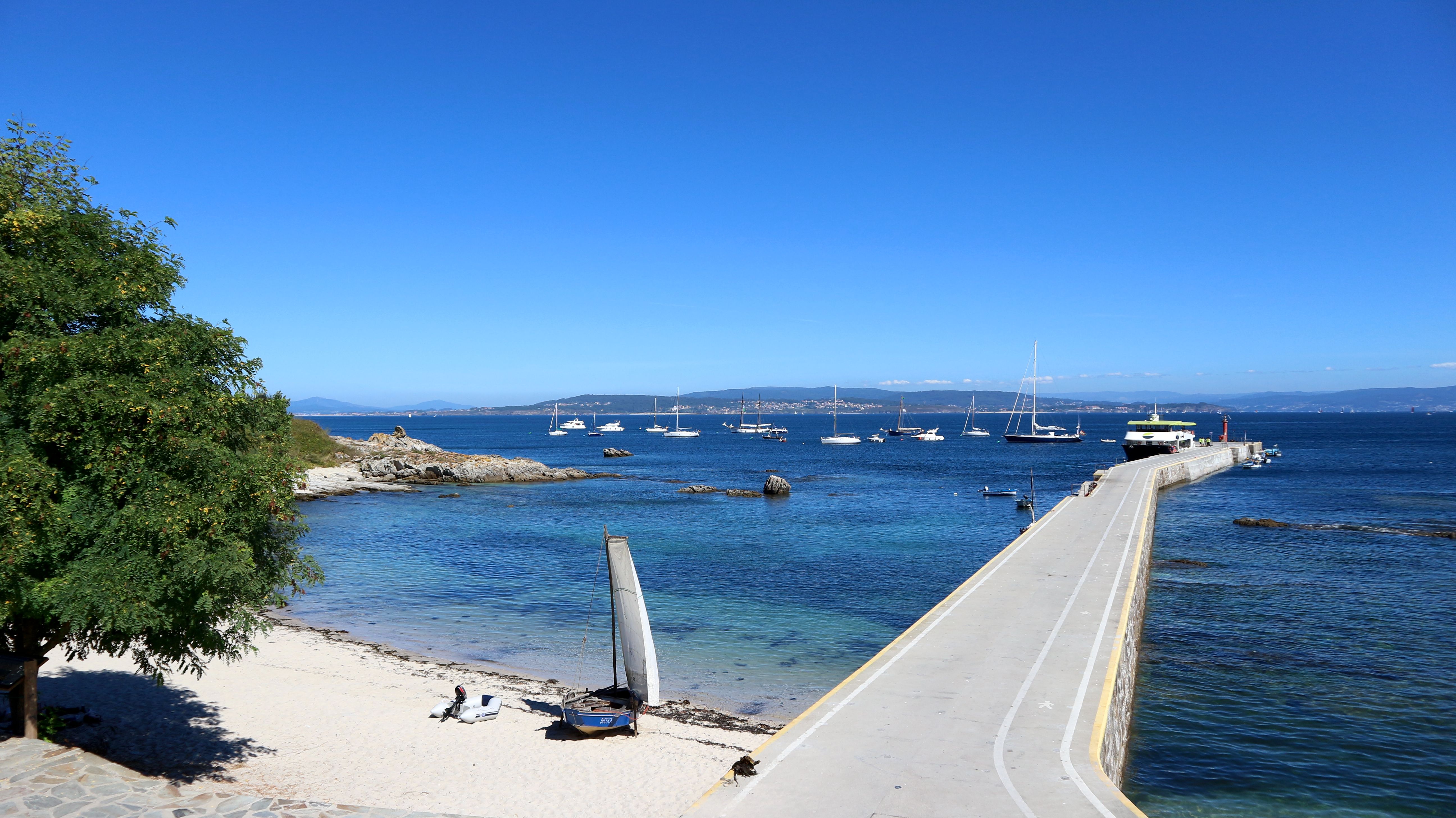
The Atlantic Islands of Galicia combines exceptional natural value with unique island landscapes and cultural heritage. The park offers access to what many consider Europe's finest beach at Rodas on Cíes, recognized internationally for its scenic quality. The largest European shag colony on the continent provides remarkable birdwatching opportunities, while twenty-seven cetacean species in surrounding waters make marine mammal observation a major attraction. One of Europe's largest bay laurel forests on Cortegada represents a rare and significant ecosystem. The integration of marine and terrestrial protection within a single national park creates a distinctive conservation model in the Spanish protected area system. The park's Ramsar designation acknowledges its wetland values, while its position in the Rías Baixas connects visitors to the broader Galician coastal landscape and maritime traditions.
Best time to visit Atlantic Islands of Galicia National Park
The Atlantic Islands of Galicia can be visited throughout the year, though the summer months from June to September see the highest visitor numbers and represent the peak season for beach activities and boat access. During summer, daily boat services operate from multiple ports including Vigo, Baiona, Cangas, Portonovo, Sanxenxo, Bueu, and Marín, though all visitors require prior authorization from the Galician Government. The islands experience a sub-humid Mediterranean climate of Atlantic tendency, with precipitation concentrated in the winter months and relatively dry summers. Summer temperatures range from 13-25°C, making outdoor activities comfortable. For wildlife observation, spring and autumn offer good conditions for seabird activity and migratory species, while winter brings fewer visitors but potentially rougher sea conditions affecting boat access. The marine environment is accessible year-round, though cetacean tours operate more frequently during the warmer months when sea conditions are calmer.