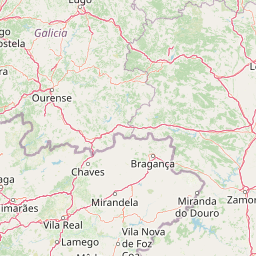

Why Montesinho Natural Park stands out
Montesinho Natural Park is most renowned for its significant population of Iberian wolves, representing one of the most important concentrations of this endangered canid in the Iberian Peninsula. The park also hosts remarkable bird diversity with more than 120 breeding bird species and contains approximately 70 percent of all terrestrial animal species found in Portugal. The presence of the Cantabrian brown bear, confirmed by a sighting in 2019, adds to the park's exceptional megafauna significance. The park's unique botanical feature is being the only location in Portugal where the European spindle tree (Euonymus europaeus) occurs naturally, making it botanically significant at the national level. The dramatic contrasts between granite mountain ridges, shale valleys, and traditional village landscapes create a distinctive cultural-ecological tapestry.
Montesinho Natural Park history and protected-area timeline
Montesinho Natural Park was established on August 30, 1979, representing Portugal's response to growing recognition of the need to protect the country's mountainous frontier regions. The creation of the park reflected broader European trends in nature conservation during the late 1970s, when protected landscape categories (IUCN Category V) gained prominence as tools for balancing ecological protection with rural development. The park's establishment came during a period when Portugal was modernizing its environmental legislation and expanding its network of protected areas following the restoration of democratic governance in 1974. The selection of the Montesinho region for protection acknowledged both its ecological significance, particularly the presence of significant wildlife populations including the Iberian wolf, and its cultural value as a region of traditional rural communities maintaining historic land use patterns. The park was subsequently incorporated into Portugal's system of national parks and natural parks administered by ICNF, which consolidated management authority under the national conservation framework. The subsequent decades saw the development of management plans addressing both conservation objectives and community needs, with particular attention to the challenge of protecting wolf populations while supporting local pastoral activities.
Montesinho Natural Park landscape and geographic character
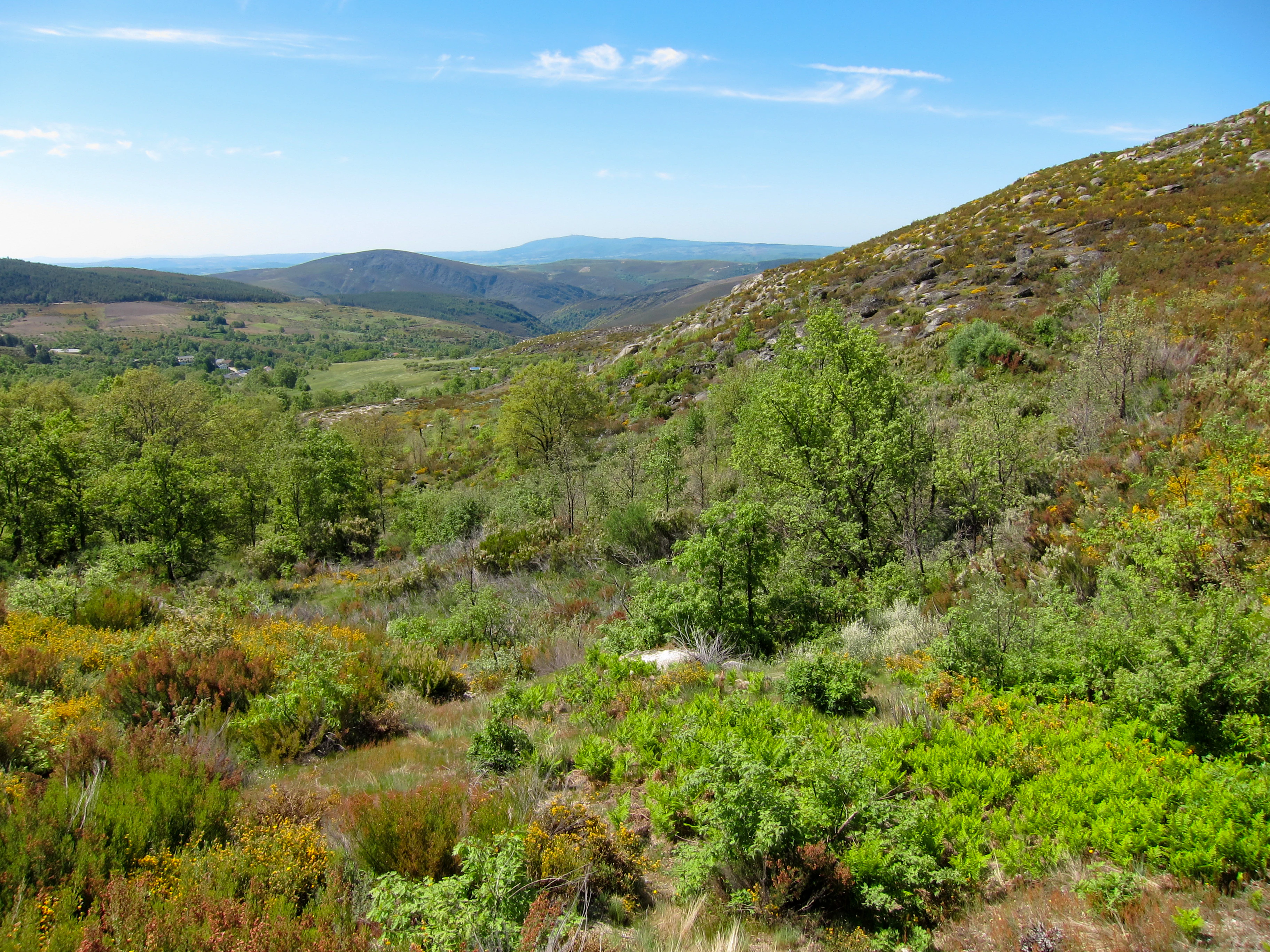
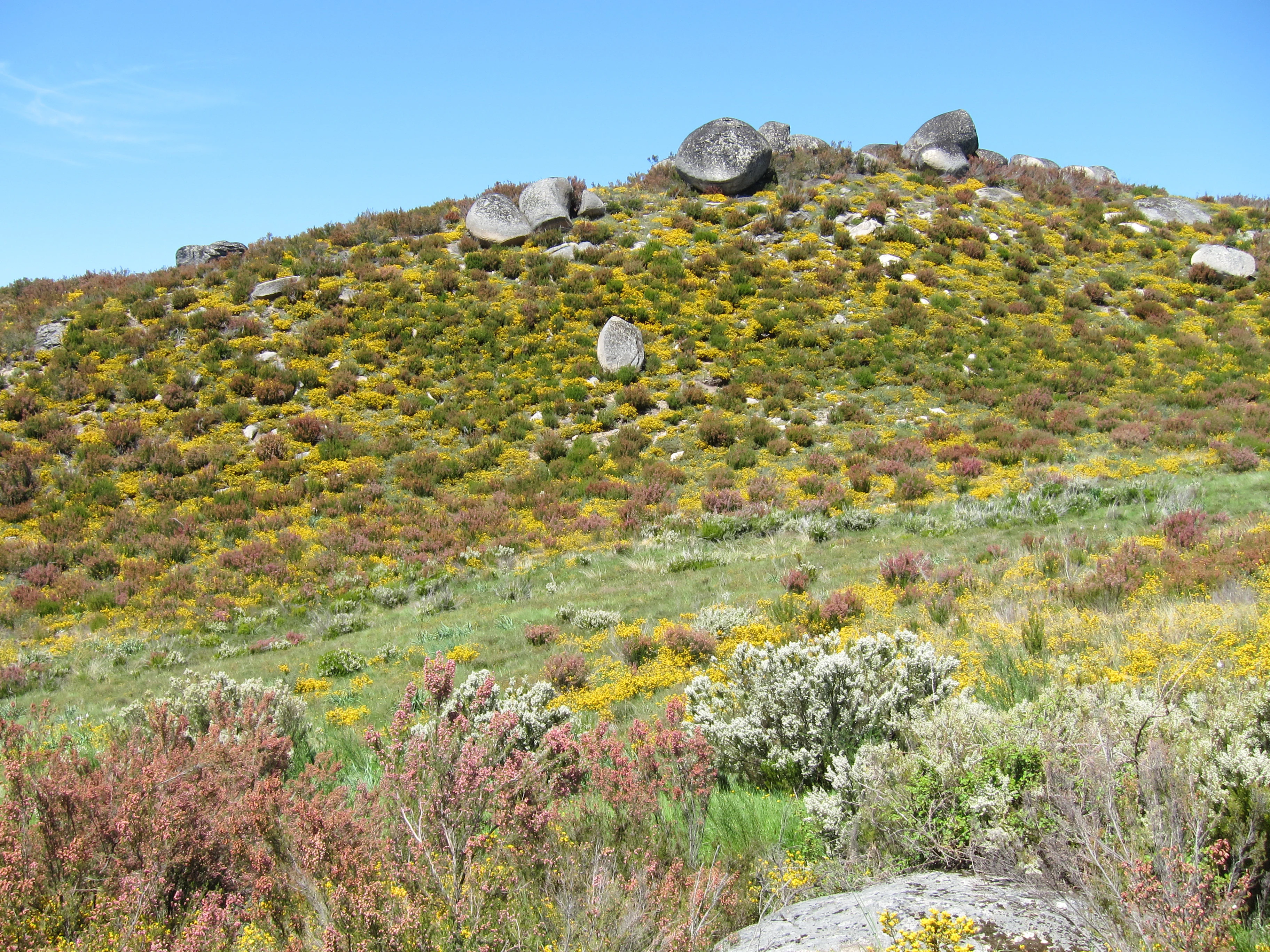
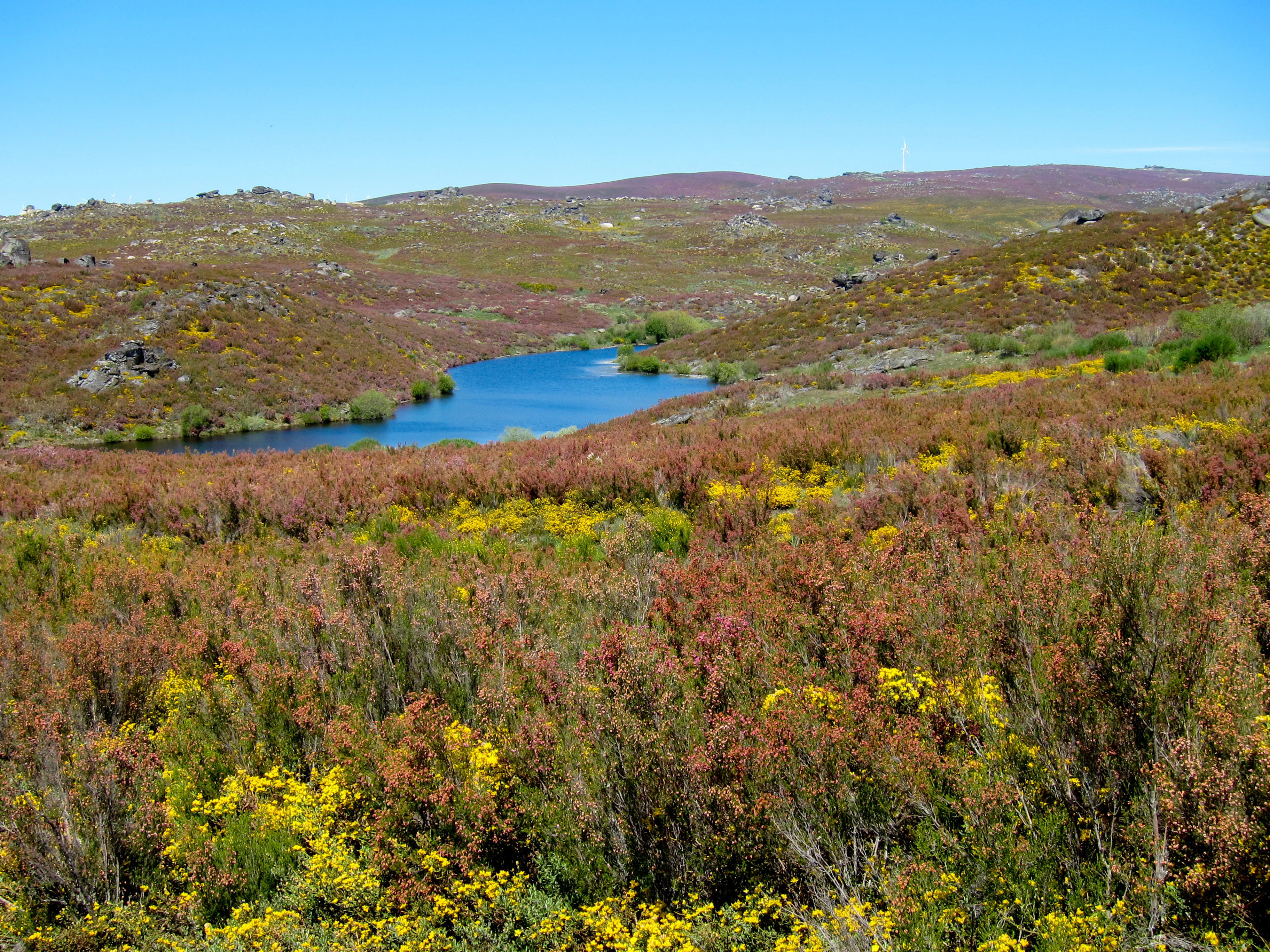
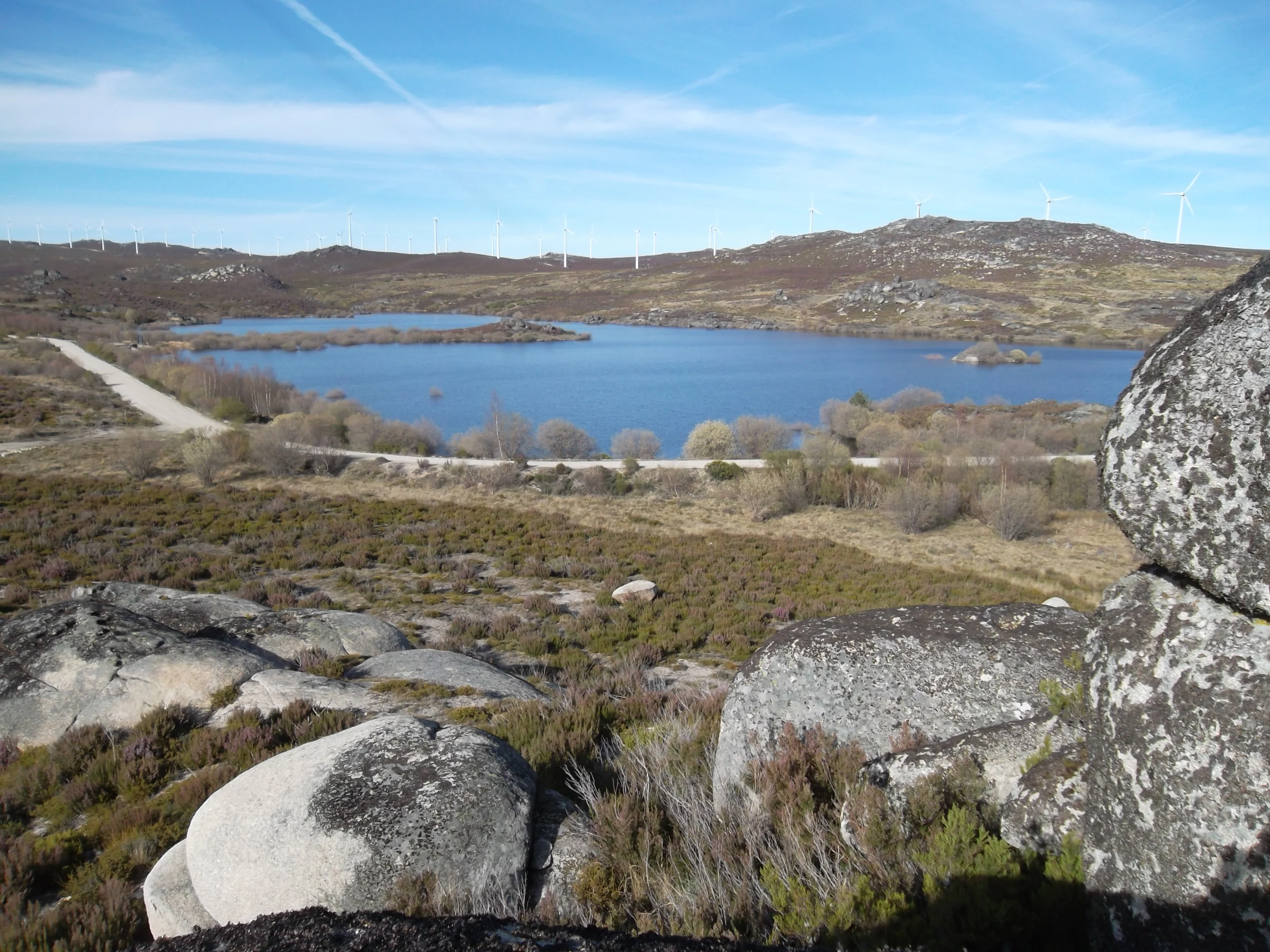
The landscape of Montesinho Natural Park presents a compelling variety of terrain shaped by geological complexity and erosional processes acting on sedimentary and igneous bedrock. Shale dominates the underlying geology across much of the park, creating subdued terrain and clay-rich soils that support extensive heathlands and grasslands. In contrast, the Montesinho mountain range features prominent granite outcrops and tors that provide dramatic focal points in the landscape, with the highest peak reaching 1,486 meters and offering panoramic views across the protected area and into Spain. Limestone occurrences appear as stained exposures and subtle outcrops on the plateau areas, adding geological diversity to the terrain. The park's valleys, carved by streams and seasonal watercourses, create intimate landscape corridors that connect the higher elevations with the lower lying agricultural zones. Traditional villages are positioned throughout this terrain, their stone buildings and terraced fields forming integral elements of the landscape character. The mixture of open heath, closed forest patches, rocky outcrops, and cultivated areas creates a landscape of considerable visual diversity, while the relative lack of modern development infrastructure has preserved a sense of remoteness and wildness within the protected area.
Montesinho Natural Park ecosystems, habitats, and plant life
The ecological character of Montesinho Natural Park reflects its position at the intersection of Atlantic and Mediterranean climatic influences, creating conditions that support unusual species assemblages and diverse habitats. The park's vegetation includes several tree species of particular significance, with Pyrenean oak (Quercus pyrenaica) forming extensive woodlands on slopes and plateaus, while wild cherry (Prunus avium), field elm (Ulmus minor), common hazel (Corylus avellana), and crab apple (Malus sylvestris) occur in more sheltered locations. The presence of European spindle tree (Euonymus europaeus) as the only natural occurrence in Portugal makes the park botanically significant at the national level. The varied altitude range, from 438 to 1,486 meters, creates distinct vegetation zones that transition from oak-dominated woodlands at lower elevations through mixed forests to heath and rocky communities at higher elevations. The park's position in northeastern Portugal places it along important migratory pathways, and its relatively intact habitats support populations of species that have declined elsewhere in Portugal and Europe.
Montesinho Natural Park wildlife and species highlights
Montesinho Natural Park supports exceptional wildlife diversity, housing approximately 70 percent of all terrestrial animal species recorded in Portugal within its boundaries. The Iberian wolf population represents the park's most celebrated ecological asset, as the protected area contains one of the most significant populations of this endangered canid in the Iberian Peninsula, where the species survives in only a few fragmented populations. Wolf conservation in the park is supported by government programs that place Cão de Gado Transmontano livestock guardian dogs with local shepherds to reduce conflicts between wolves and farming communities. The 2019 sighting of a Cantabrian brown bear marked a significant event, as this species has extremely limited presence in Portugal, representing either a rare individual reaching the area from Spanish populations or potential range expansion. The park's avifauna is equally remarkable, with more than 120 breeding bird species recorded, including numerous raptors and species associated with open heath and woodland habitats. The fish communities in the park's streams include the Northern straight-mouth nase (Pseudochondrostoma duriense),Luciobarbus bocagei, and brown trout, representing both native species and ecologically significant populations.
Montesinho Natural Park conservation status and protection priorities
The conservation significance of Montesinho Natural Park derives from its role as a refuge for species that have suffered severe decline across much of their European range. The Iberian wolf population represents a conservation priority of international importance, as this subspecies is classified as endangered and survives in only scattered populations across the Iberian Peninsula. The park's designation as an IUCN Category V protected landscape reflects a management approach that acknowledges the coexistence of human communities with natural values, rather than seeking to exclude human presence. This category is particularly appropriate given the park's 92 villages and 9,000 residents, whose traditional practices contribute to the landscape character while requiring management frameworks that balance conservation with livelihood needs. The presence of the Cantabrian brown bear, confirmed by recent sightings, adds to the conservation importance of the park, as this population represents a potential bridge between Spanish bear populations and potential range recovery in Portugal. The government's wolf protection program, including livestock guardian dog placement, demonstrates practical conservation measures that address human-wildlife conflict while supporting both predator conservation and rural community viability.
Montesinho Natural Park cultural meaning and human context
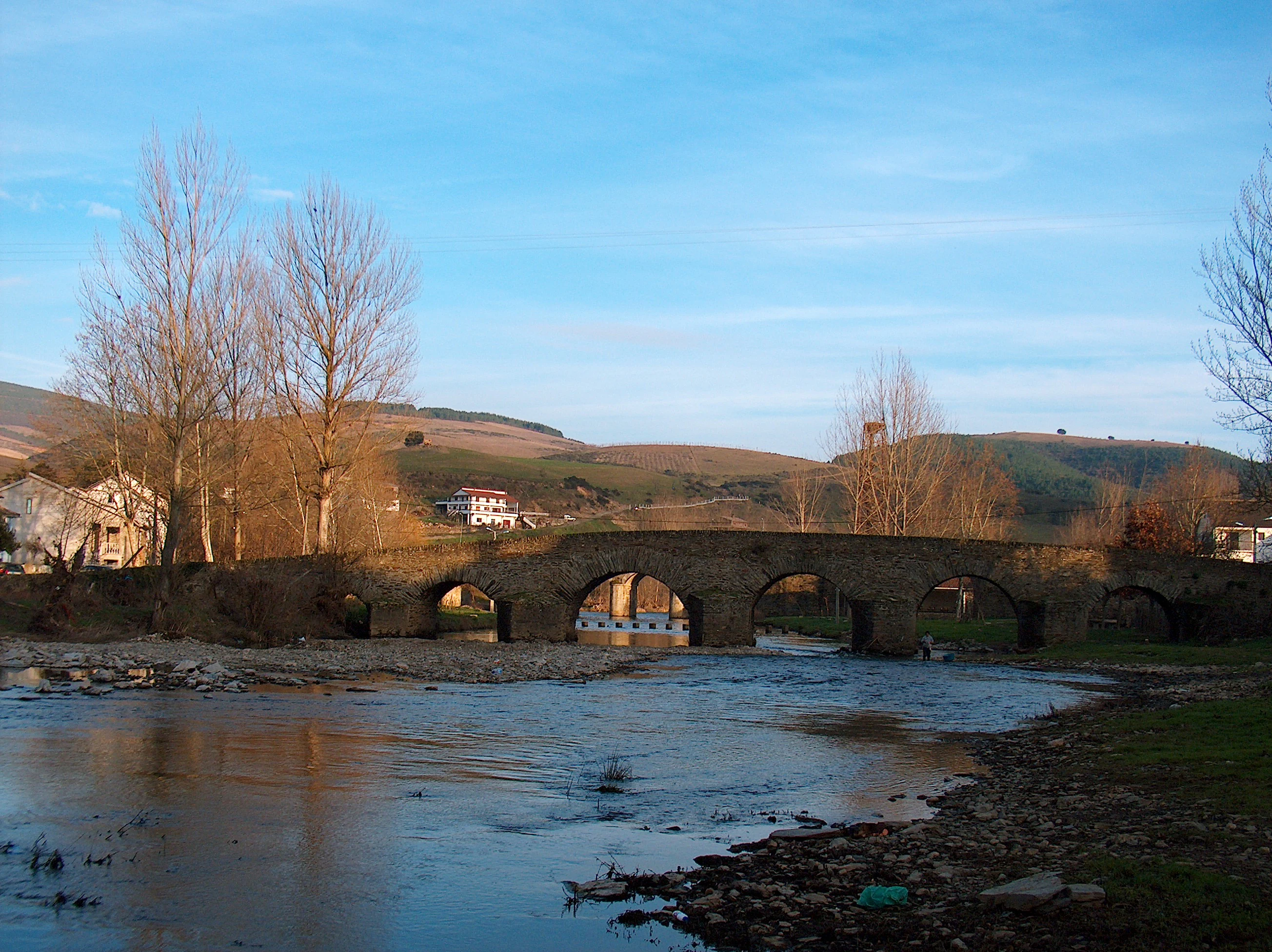
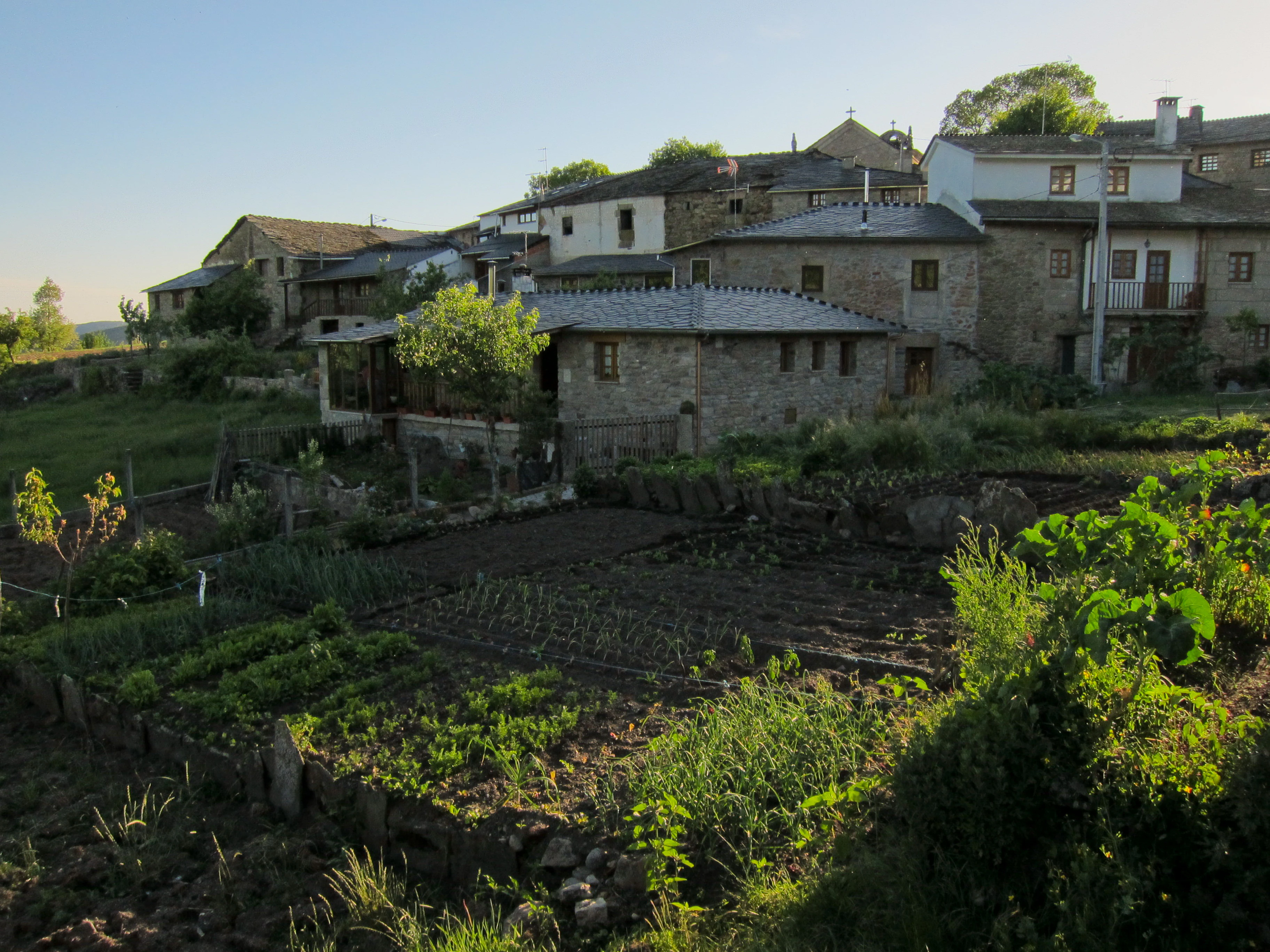
The cultural character of Montesinho Natural Park is inseparable from its ecological values, as traditional rural communities have shaped the landscape over generations. Approximately 9,000 people reside within the park boundaries, distributed across 92 villages that reflect centuries of settlement patterns adapted to the mountainous terrain. These communities maintain agricultural traditions including small-scale livestock husbandry, particularly sheep and goats, which have influenced the park's vegetation structure through historic grazing pressures. The traditional stone-built villages, with their architectural heritage reflecting local building styles, contribute to the cultural landscape quality that distinguishes this protected area. The park's position along the Portugal-Spain border has historically influenced regional identity, and the northeastern Transmontano region maintains cultural traditions that differ from more urbanized parts of Portugal. The Cão de Gado Transmontano, a traditional livestock guardian breed, represents both a cultural heritage and a practical tool in contemporary wolf conservation, demonstrating how traditional practices can support modern environmental objectives.
Top sights and standout views in Montesinho Natural Park
The dramatic granite peak of Montesinho, rising to 1,486 meters, provides the park's most prominent landmark and offers panoramic views across the protected area and into the Spanish landscape beyond. The park's Iberian wolf population, one of the most significant in the Iberian Peninsula, represents a flagship conservation value that draws ecological attention to the protected area. The exceptional bird diversity, with over 120 breeding species, makes the park significant for ornithological interest and supports birdwatching activities. The traditional village landscapes, where stone houses and agricultural terraces blend with surrounding nature, create cultural-ecological scenery unique among Portuguese protected areas. The 2019 Cantabrian brown bear sighting confirmed the park's potential role in potential species recovery for this nearly extinct Portuguese population. The park's position along the Spain-Portugal border creates transboundary ecological connections that enhance the significance of conservation efforts within the protected area.
Best time to visit Montesinho Natural Park
The best time to visit Montesinho Natural Park depends on the specific interests of visitors, with each season offering distinct experiences. Spring and early summer bring optimal conditions for wildlife observation, as breeding bird activity peaks and the landscape displays vibrant wildflower displays across heathlands and meadows. The wolf population, while elusive, is more detectable during these seasons as animals range more widely in search of prey. Autumn offers spectacular color changes in the oak woodlands, with Pyrenean oak foliage turning golden, and represents a excellent time for photography and landscape appreciation. Winter, while colder and with shorter days, provides opportunities for experiencing the park's wild character with fewer visitors and dramatic skies over the granite peaks. The summer months can be busy with Portuguese visitors escaping coastal heat, and the higher elevations provide pleasant retreats from lowland temperatures. Regardless of season, visitors should be prepared for variable mountain weather and should check current conditions before traveling to more remote areas of the park.