
Why Serra da Estrela Natural Park stands out
Serra da Estrela is best known for containing the highest peak in Continental Portugal and the only ski resort in the country, creating a unique alpine character within Portugal's landscape. The park preserves exceptional Quaternary glacial formations including horseshoe-shaped valleys, polished rocks, ravines, and glacial lakes that demonstrate the powerful role of ice and snow in shaping the mountain terrain. The upper plateau and Zêzere River wetlands hold Ramsar designation, recognizing their international importance as a biogenetic reserve. The park is also famous for its traditional shepherd communities and the world-renowned Serra da Estrela cheese, produced from the milk of indigenous sheep breeds that graze the mountain pastures throughout the year.
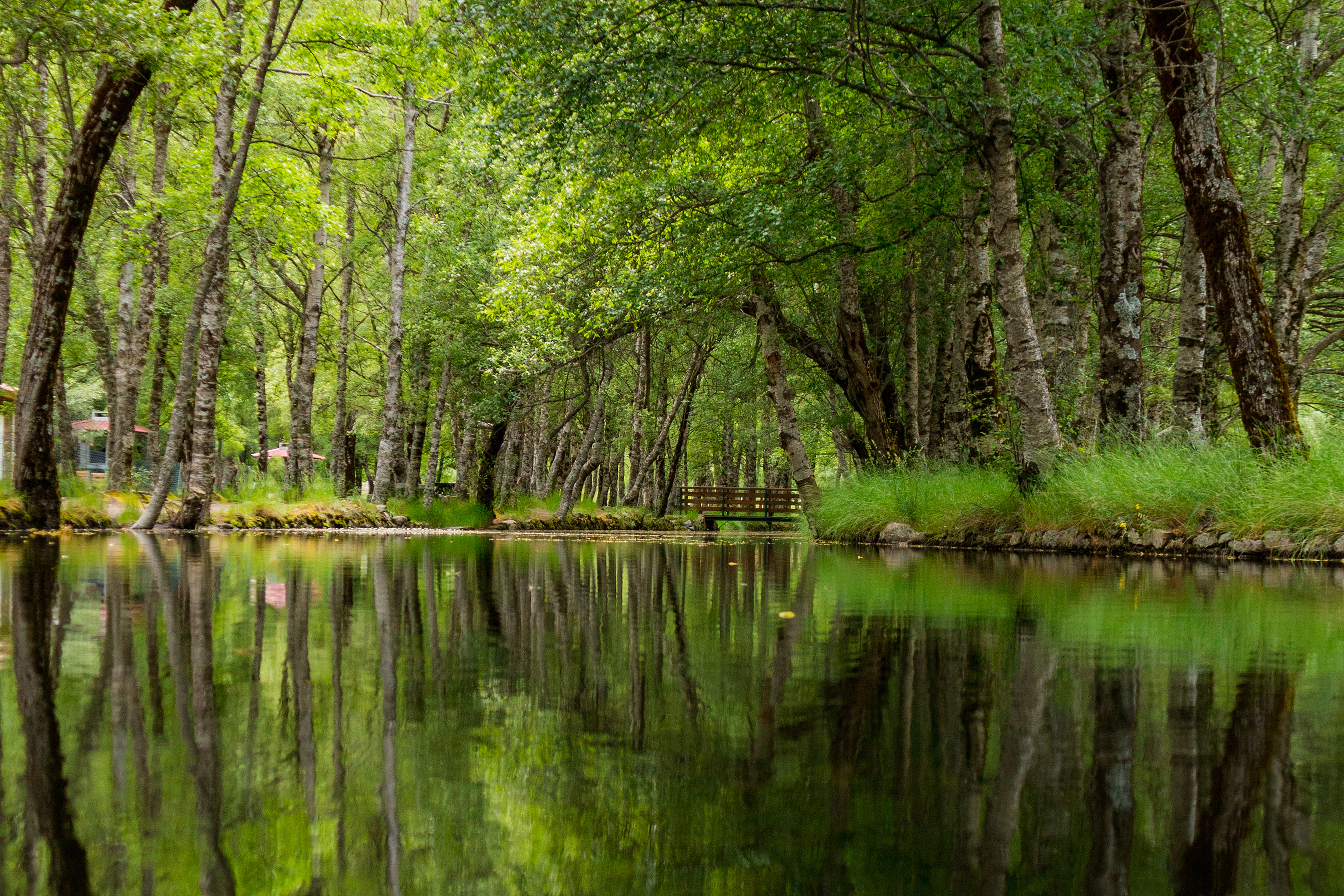
Serra da Estrela Natural Park history and protected-area timeline
Serra da Estrela Natural Park was officially established on July 16, 1976 through Decree-Law 557/76, created to protect Portugal's most significant mountain landscape and its unique ecological and cultural values. The park boundaries were refined on November 20, 1997 through Decree Regulation 50/97, clarifying the protected area's extent. On July 7, 2000, the Serra da Estrela site was designated as a Natura 2000 site through Council of Ministers Resolution 76/00, integrating the park into Europe's comprehensive ecological network. The central plateau area was subsequently incorporated into the Council of Europe's Biogenetic Reserve Network, recognizing its exceptional biodiversity value. Human occupation of the Serra da Estrela region extends far beyond the modern protected area designation. Medieval villages dot the mountain valleys, but earlier cultures left their mark throughout the landscape. Roman road remains at Famalicão and Folgosinho document the route connecting Mérida to Braga across the mountain, while Arab influence is visible in the irrigation systems and fruit orchard traditions that persist in the region. The Visigothic culture organized rural space according to their legal code, establishing land use patterns that evolved into the present-day pastoral economy centered on sheep and goat herding and the production of traditional Serra da Estrela cheese.
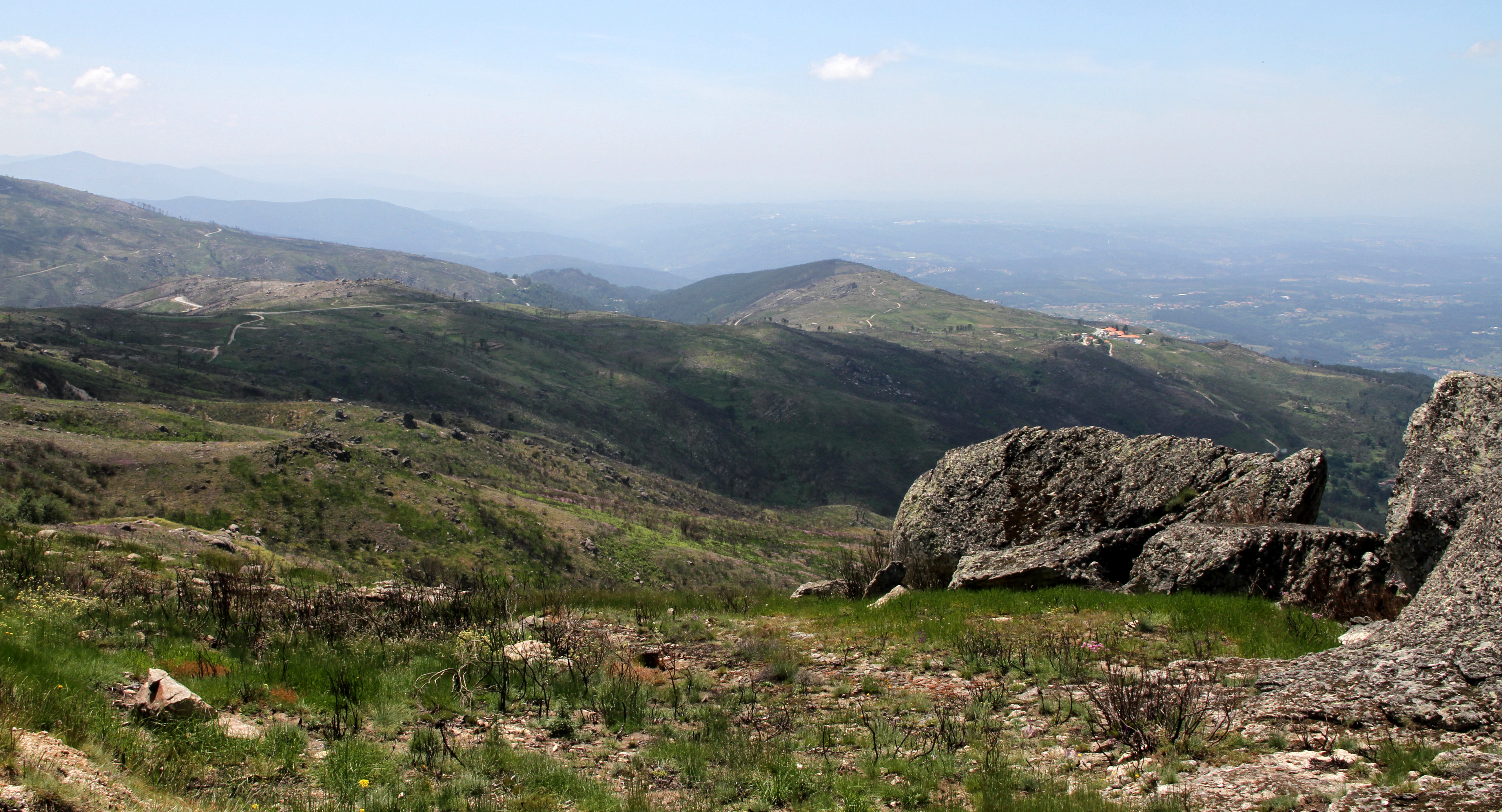
Serra da Estrela Natural Park landscape and geographic character
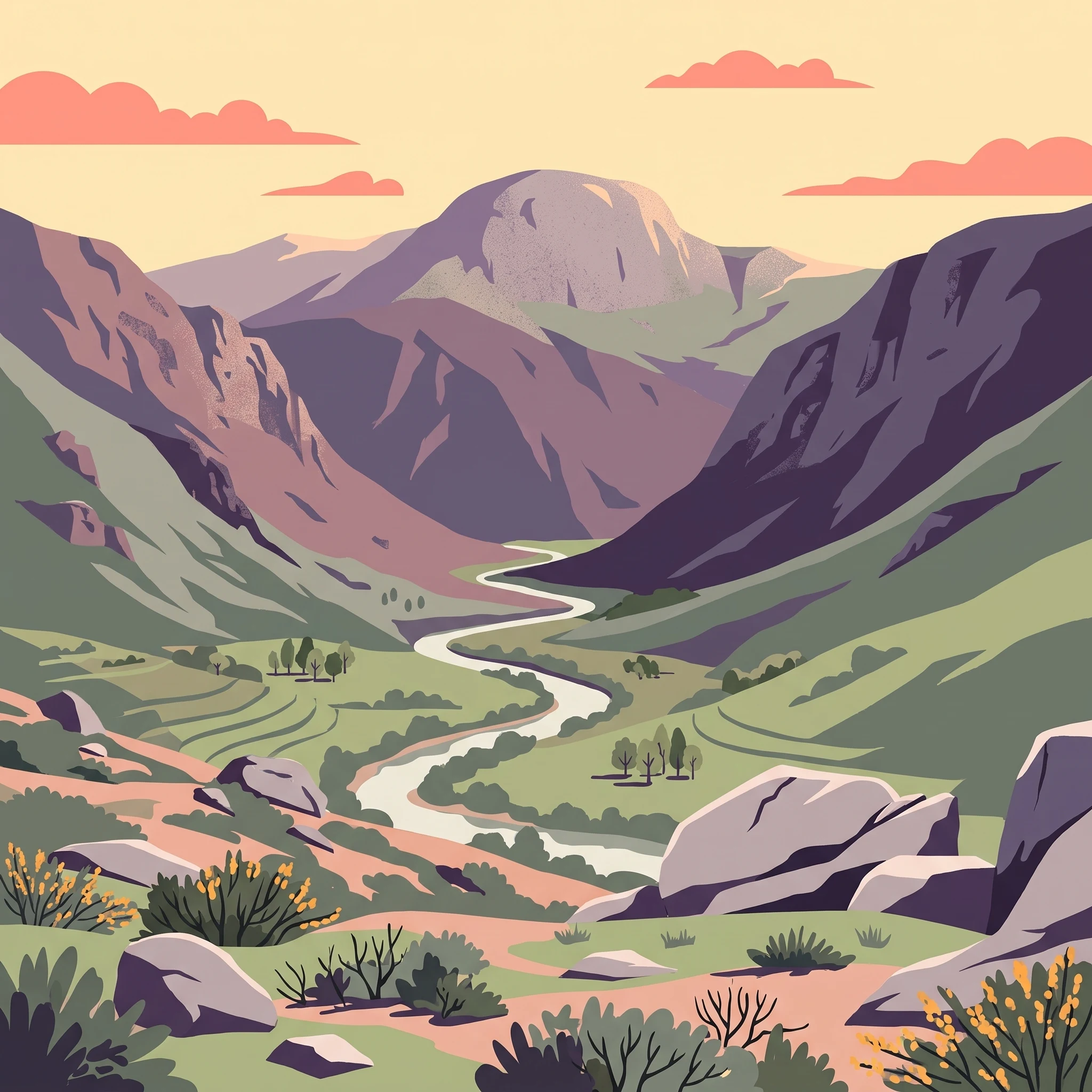
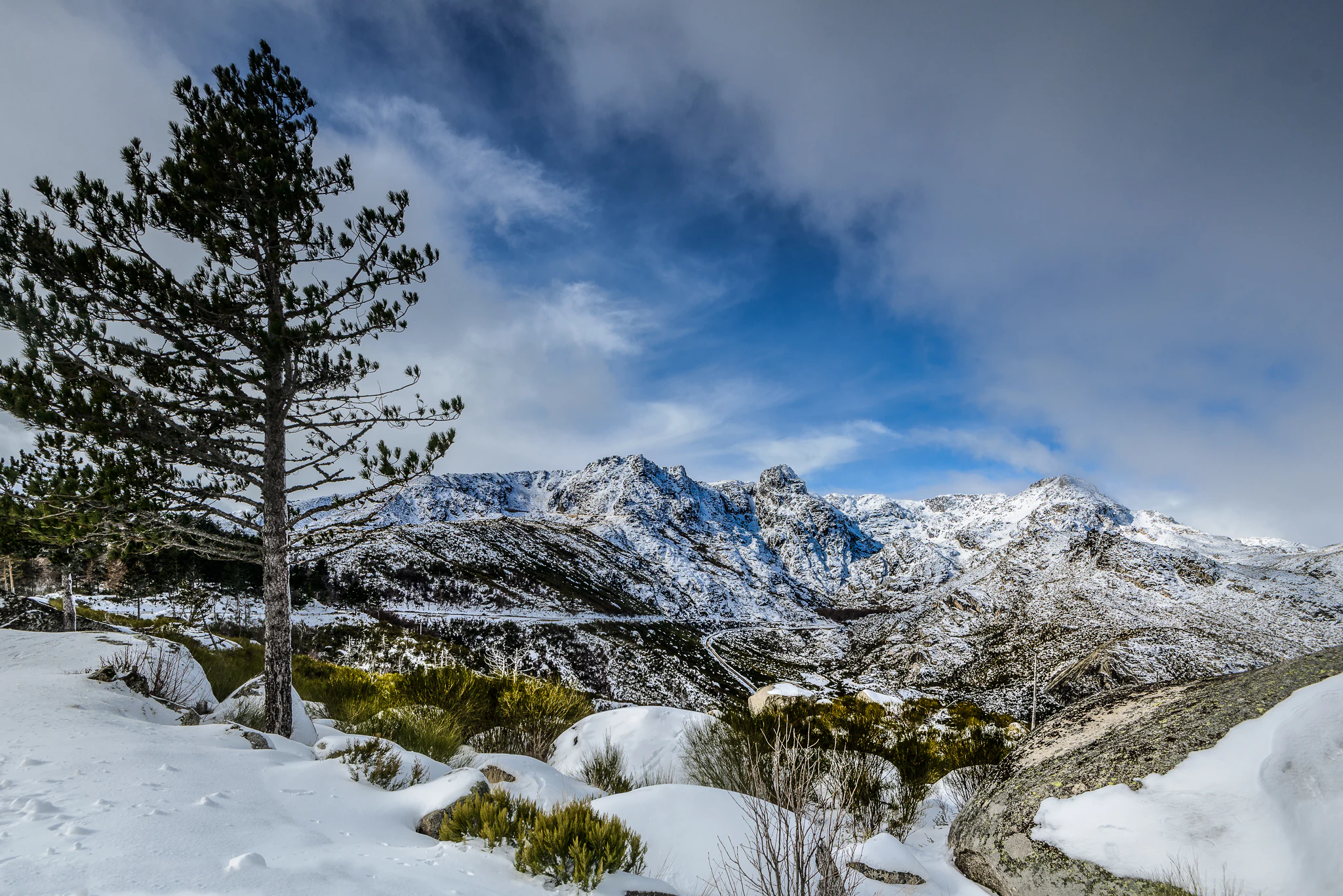
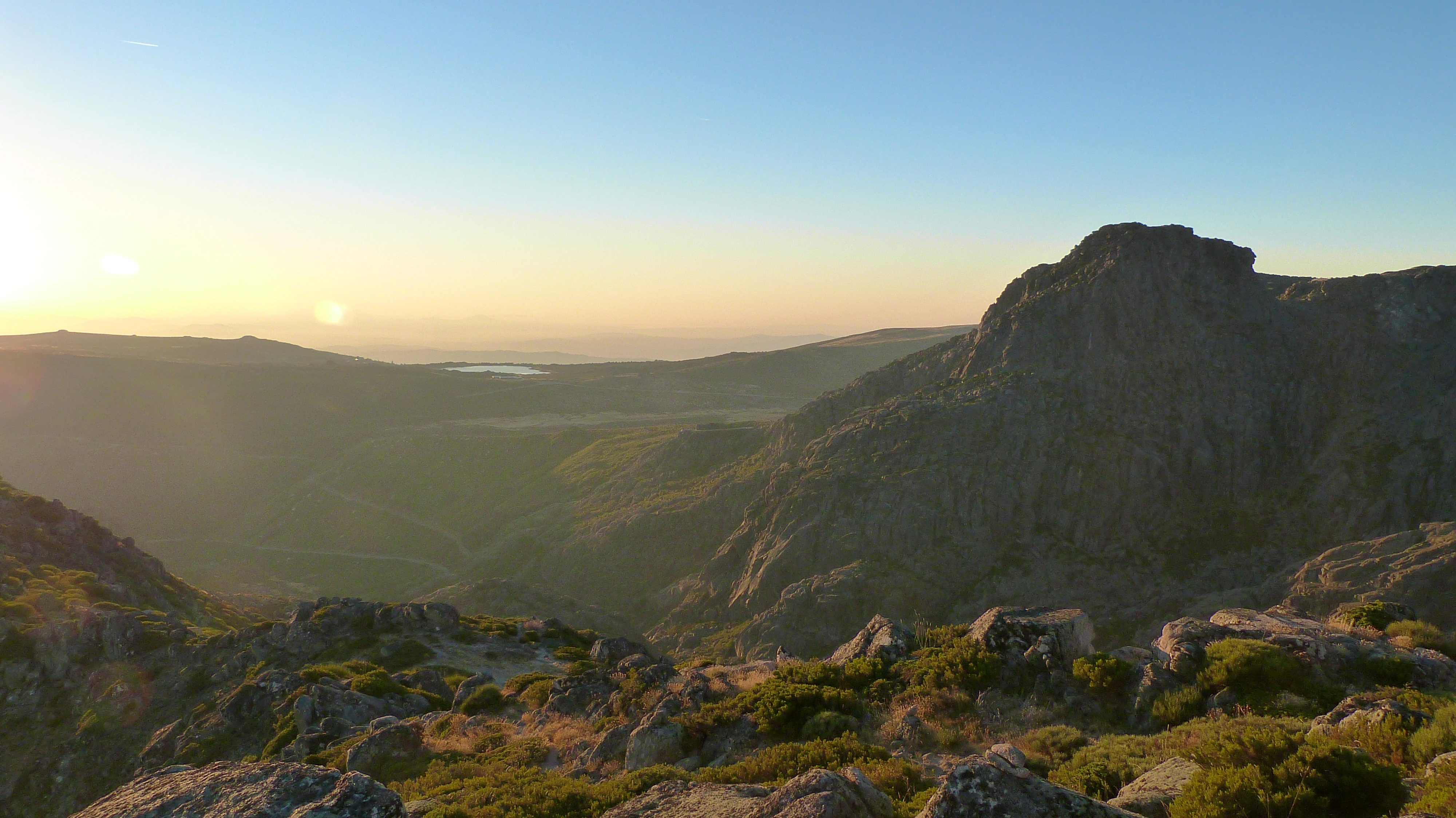
The physical landscape of Serra da Estrela Natural Park displays the dramatic results of Quaternary glacial processes acting on a granite and schist mountain mass. The central plateau, centered around the Torre and Cântaros peaks, presents a stark alpine environment where glacial action carved the spectacular Zêzere valley, leaving behind horseshoe-shaped cirques, polished rock surfaces, and moraine deposits. The park contains numerous glacial lakes, some still holding water throughout the year, while others have evolved into peat bogs and wet meadows. The surrounding mountain slopes descend through distinct terrain types: the Vidomonde plateau represents an early phase of valley development with isolated farmsteads set among cultivated fields; the southwestern valleys feature dramatic terraced agriculture and dramatic rock spires at Penha dos Abutres; and the northwestern slopes transition from the town of Seia through the historic castle at Linhares into cultivated fields and vineyards that climb to broom-covered hillsides. The contrast between the exposed, windswept central plateau and the sheltered valley villages creates a landscape of remarkable visual diversity within a relatively compact area.
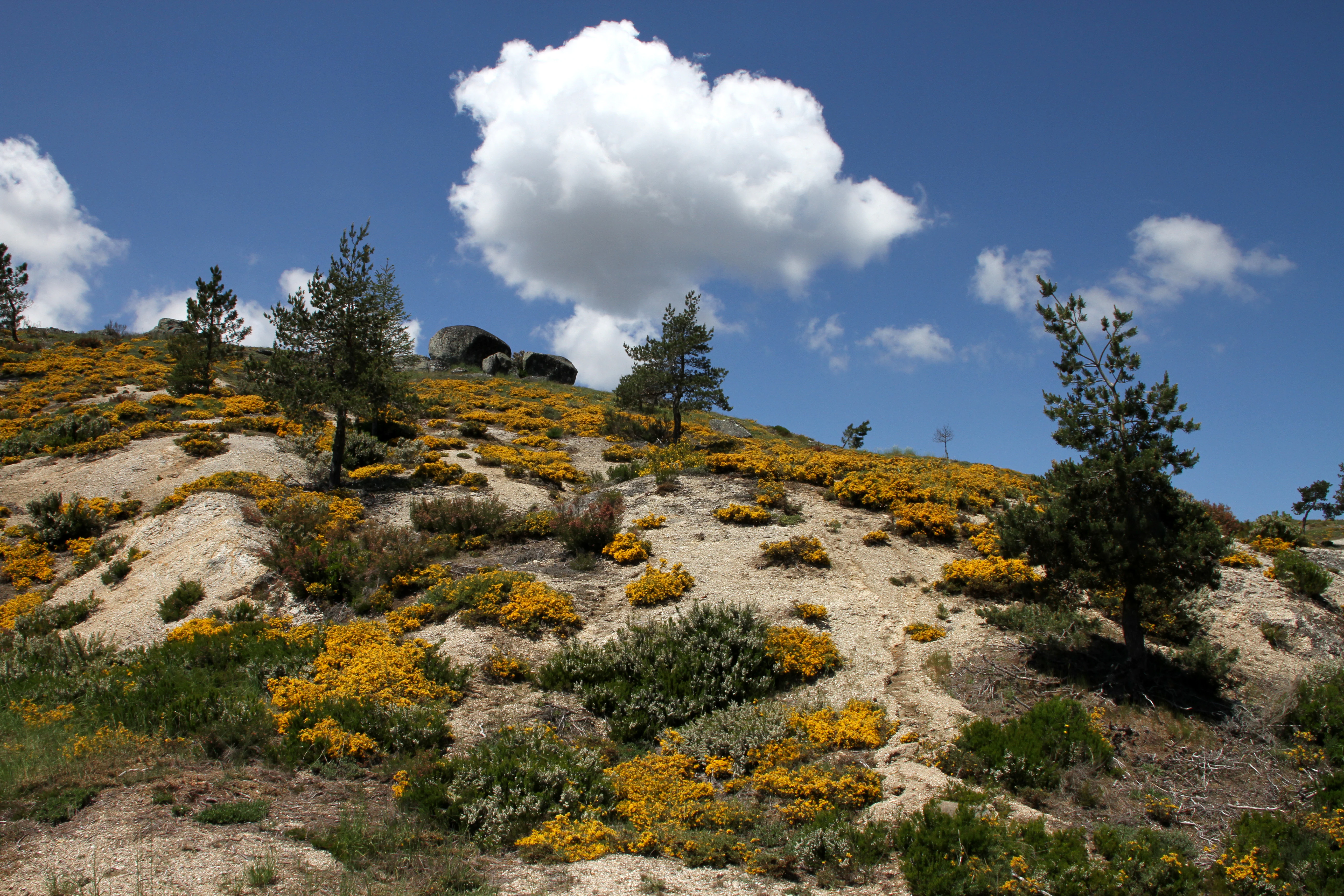
Serra da Estrela Natural Park ecosystems, habitats, and plant life
The ecological character of Serra da Estrela Natural Park is defined by clear altitudinal zonation of vegetation, with three distinct belts reflecting the temperature and moisture gradients across the mountain. Below approximately 900 meters, the lower slopes support Mediterranean-influenced vegetation adapted to warmer, drier conditions. Between 800 and 1,600 meters, the black oak (Quercus pyrenaica) dominates the forest cover, forming extensive woodlands that provide habitat for numerous species and play a critical role in water retention and soil protection on the mountain slopes. Above 1,600 meters, the environment transitions to juniper shrubland and subalpine pastures where the endangered yellow gentian (Gentiana lutea) grows in the limited areas of deeper soil. The park's position at the transition between Atlantic and Mediterranean climatic influences, combined with its elevation range, creates conditions suitable for numerous endemic species that occur nowhere else in Portugal. The wetlands of the upper plateau and Zêzere catchment hold Ramsar designation, recognizing their importance for water regulation and biodiversity.
Serra da Estrela Natural Park wildlife and species highlights
The mammalian fauna of Serra da Estrela reflects both the park's forested habitats and its position as a corridor for species moving between northern and southern Portugal. While brown bears have disappeared from the region and wolves appear only sporadically, the park supports populations of otters along the river courses, genets in the woodland areas, badgers in the forest understory, and wild cats that maintain territories in the more remote terrain. Smaller mammals include water voles that inhabit the wetland areas. The bird community is particularly diverse, with species adapted to the various habitat zones. The wall lizard (Lacerta monticola monticola) is a distinctive mountain species found on rocky outcrops throughout the park. The red-breasted bullfinch occupies the forest edge and shrubland zones, while the midwife toad breeds in the temporary water bodies that form in glacial depressions during the spring melt. The park also supports populations of the Serra da Estrela mountain dog, a historic breed developed by the shepherd communities for guarding flocks against predators.
Serra da Estrela Natural Park conservation status and protection priorities
Serra da Estrela Natural Park holds significant conservation status at both national and international levels. The Ramsar designation of the upper plateau and upper Zêzere River area in December 2005 (Reference No. 1614) recognizes the wetlands' international importance under the Convention on Wetlands of International Importance. The park is included in the Natura 2000 network as the Serra da Estrela site, designated in 2000 through Council of Ministers Resolution 76/00, integrating it into Europe's coordinated approach to biodiversity conservation. The central plateau has been recognized as a Biogenetic Reserve by the Council of Europe, acknowledging the presence of rare and endemic species that require active protection. The park's conservation value is enhanced by the traditional pastoral land use practices that have maintained open habitats suitable for species dependent on meadow and pasture environments, creating a cultural landscape where biodiversity and human activity have co-evolved over centuries.
Serra da Estrela Natural Park cultural meaning and human context
The cultural identity of Serra da Estrela Natural Park is inseparable from centuries of pastoral tradition that has shaped both the landscape and the communities who inhabit it. The villages scattered throughout the park date primarily to medieval origins, but the region's cultural layers run deeper. Roman road fragments at Famalicão and Folgosinho document the ancient route linking Mérida to Braga across the mountains, while Arab influences survive in the irrigation systems and orchard cultivation patterns maintained by local farmers. The traditional mountain economy centers on sheep and goat herding, particularly the indigenous breeds whose milk produces the famous Serra da Estrela cheese, one of Portugal's most prized culinary products. Local craftsmanship includes chestnut and wicker basket weaving, embroidered cotton work, and the production of smoked meats. The aging population of the park has increasingly turned to tourism as a means of sustaining both the economy and the cultural traditions, with the interpretation center at Manteigas serving as a gateway for visitors to understand the mountain's natural and cultural heritage.
Top sights and standout views in Serra da Estrela Natural Park
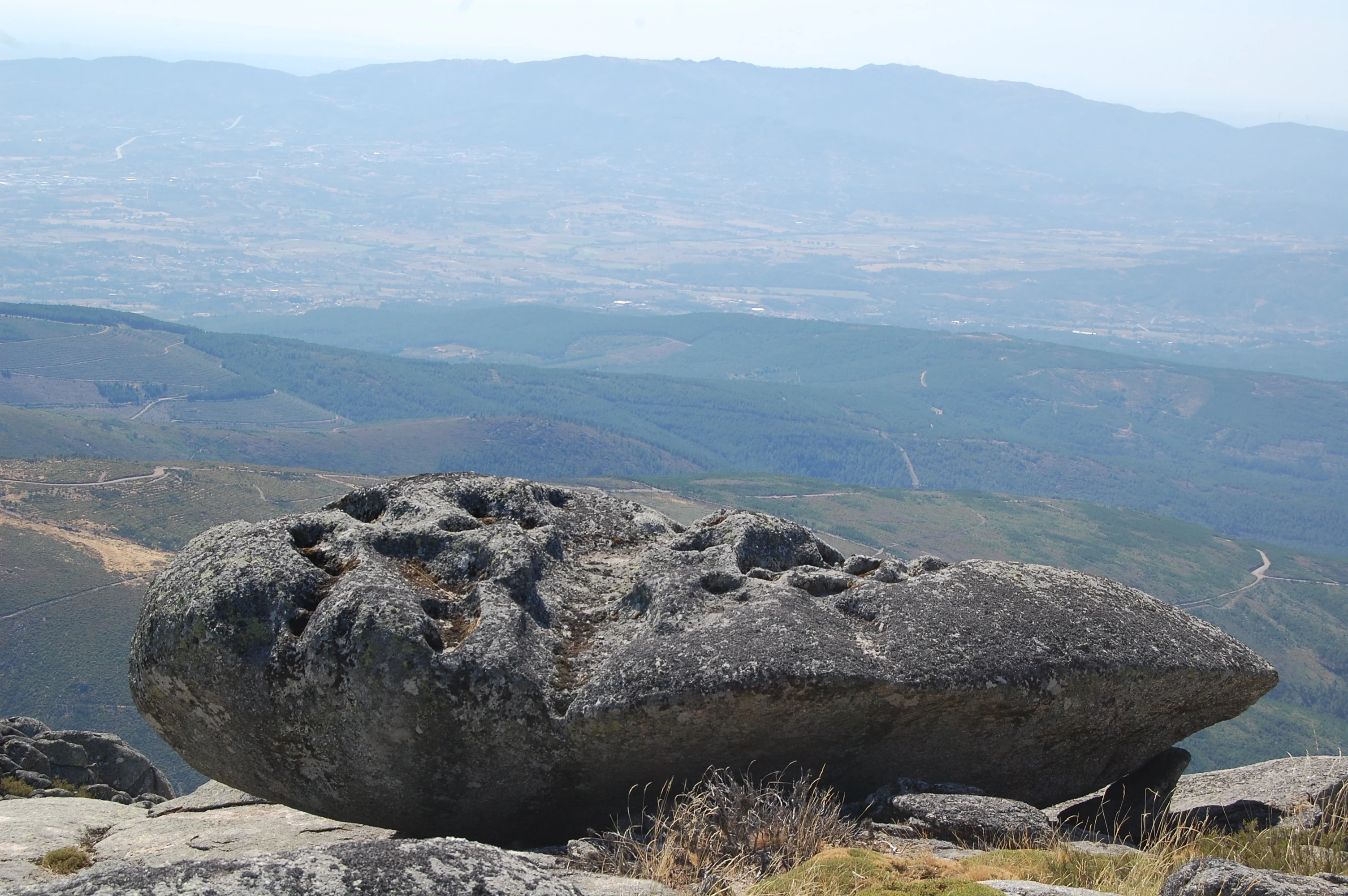
The defining highlights of Serra da Estrela Natural Park combine exceptional natural features with cultural heritage that gives the landscape its distinctive character. The Torre at 1,993 meters provides the highest point in Continental Portugal and offers panoramic views across the mountain range and beyond. The glacial valley of the Zêzere, with its dramatic horseshoe cliffs and hanging valleys, represents one of the most impressive glacial landscapes in Iberia. The 25 lagoas circuit through the park's high country showcases the chain of glacial lakes that dot the upper terrain. The traditional villages of Loriga and Alvoco, built on rocky spurs above terraced valleys, preserve architectural and cultural traditions dating to medieval times. The park contains Portugal's only ski resort, providing winter recreation opportunities unique in the country. The marked trail network of approximately 375 kilometers offers access to all parts of the park for hikers of varying abilities, while the interpretation center at Manteigas provides educational context for understanding the mountain's ecology and cultural history.
Best time to visit Serra da Estrela Natural Park
The best time to visit Serra da Estrela Natural Park depends on the experiences sought, as the mountain offers distinct seasonal characters. The summer months of July and August bring warm conditions ideal for hiking the high plateau and exploring the glacial valleys, though afternoon thunderstorms are common. This period coincides with the traditional transhumance as shepherd families move their flocks to the high pastures, offering opportunities to observe pastoral traditions. Autumn in September and October brings the first autumn colors to the oak forests and typically stable weather conditions. Winter transforms the landscape, with snow cover on the upper reaches creating the conditions for the ski resort's operation, though access to higher trails may be restricted. Spring in May and June sees wildflower displays in the meadows and the running of glacial streams at their peak flow. The shoulder seasons of spring and autumn generally offer the most pleasant conditions for hiking, while winter appeals to those seeking the unique experience of skiing in Portugal.