Why Guadiana Valley Natural Park stands out
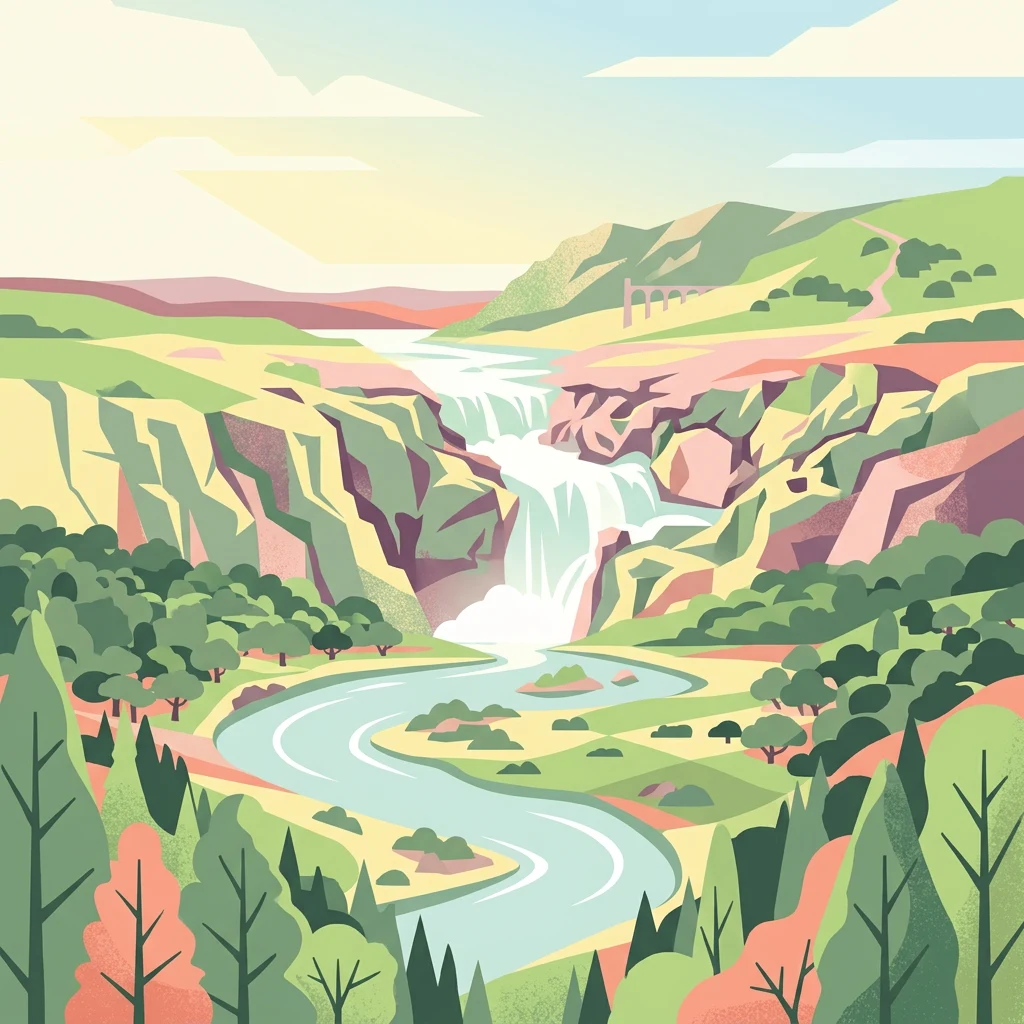
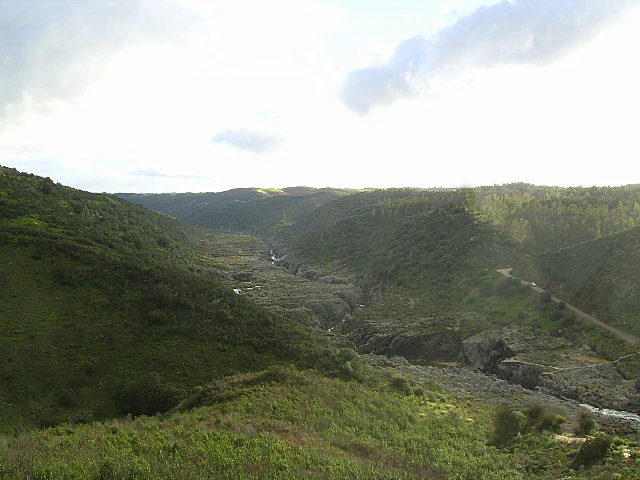
The park is best known for Pulo do Lobo, or Wolf's Leap, a striking waterfall where the Guadiana River cascades about 20 meters through a dramatic rocky gorge in the northern part of the protected area. The park is also renowned for its population of saramugo, a fish species found nowhere else in the world, making it globally significant for aquatic conservation. The marshland ecosystems in the southern portion serve as crucial spawning and nursery grounds for fish and provide essential habitat for migratory and resident bird populations. The contrast between the river corridor's lush vegetation and the surrounding semi-arid Mediterranean landscape creates a distinctive visual and ecological character that defines the park's identity.
Guadiana Valley Natural Park history and protected-area timeline
Guadiana Valley Natural Park was established on 18 November 1995 as part of Portugal's expansion of its protected area network during the 1990s. The creation of the park reflected growing recognition of the Guadiana River's ecological importance and the need to protect the remaining natural values of this river system, which had faced various development pressures in preceding decades. The park was designated under Portuguese natural park legislation and placed under the management of the Institute for Nature Conservation and Forests, the national agency responsible for protected area administration. The establishment also acknowledged the region's cultural significance, particularly the historic town of Mértola, whose traditional architecture and archaeological heritage are intertwined with the surrounding landscape.
Guadiana Valley Natural Park landscape and geographic character
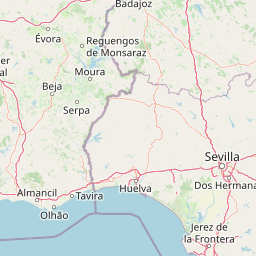
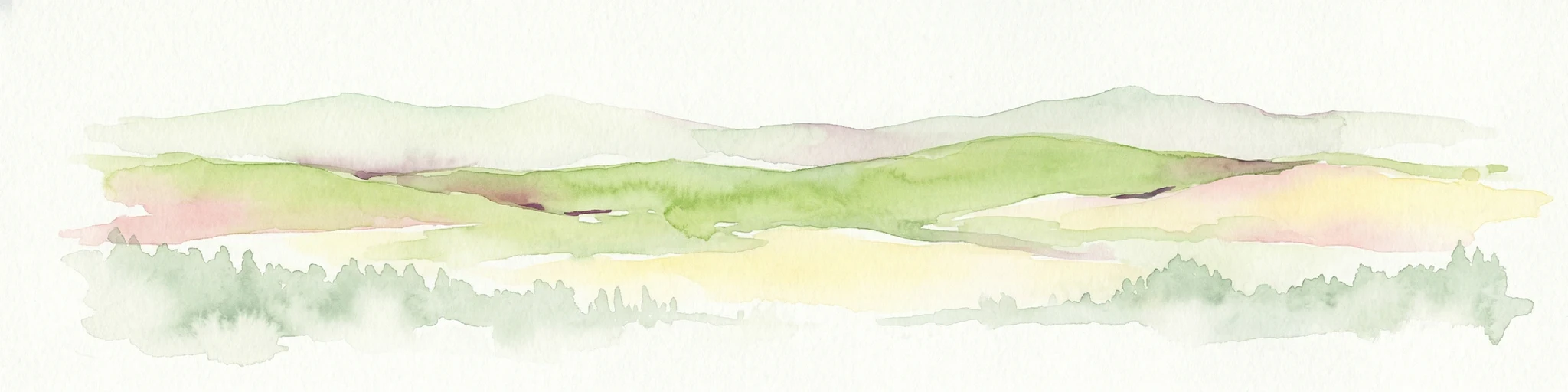
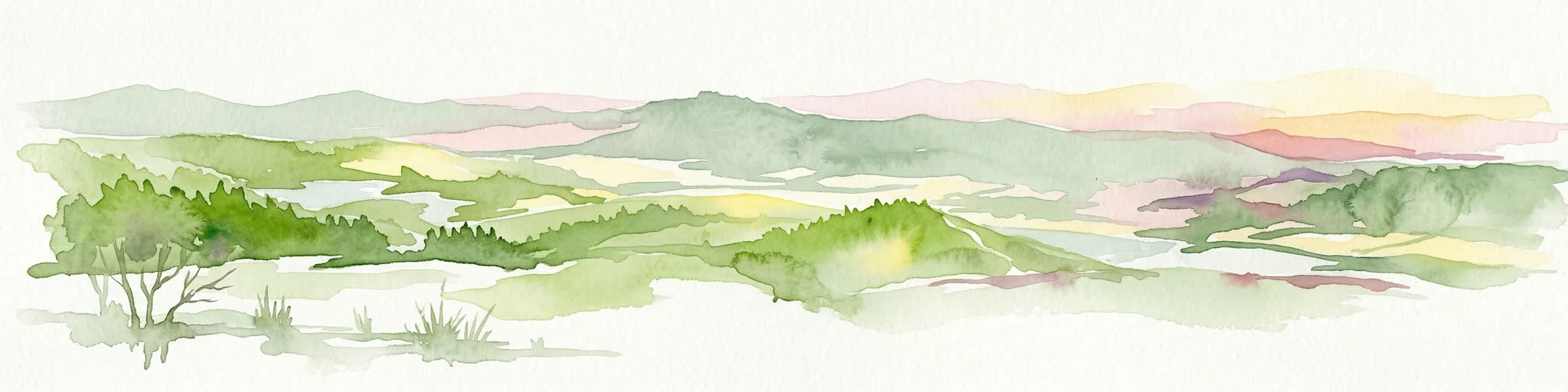
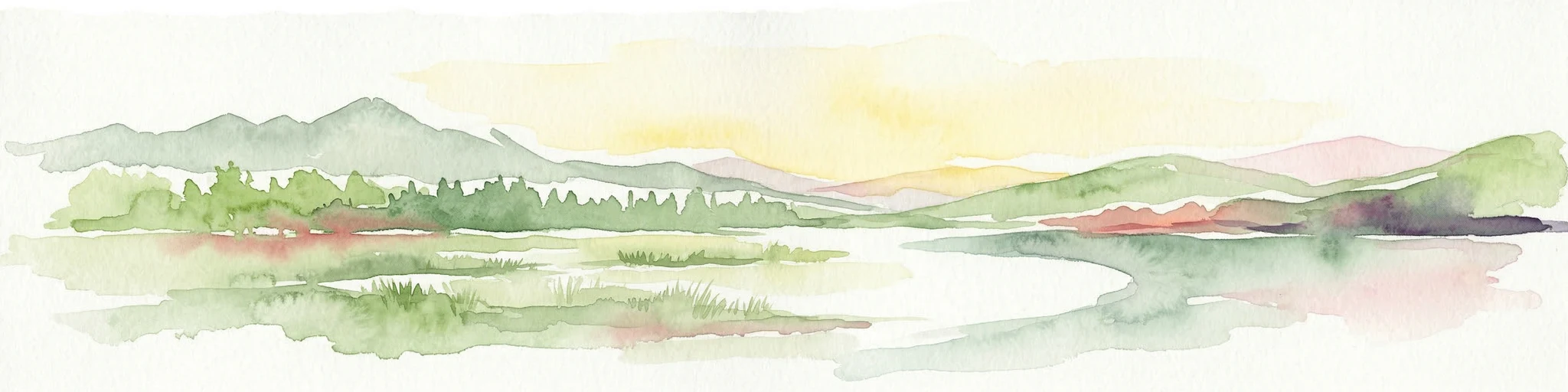
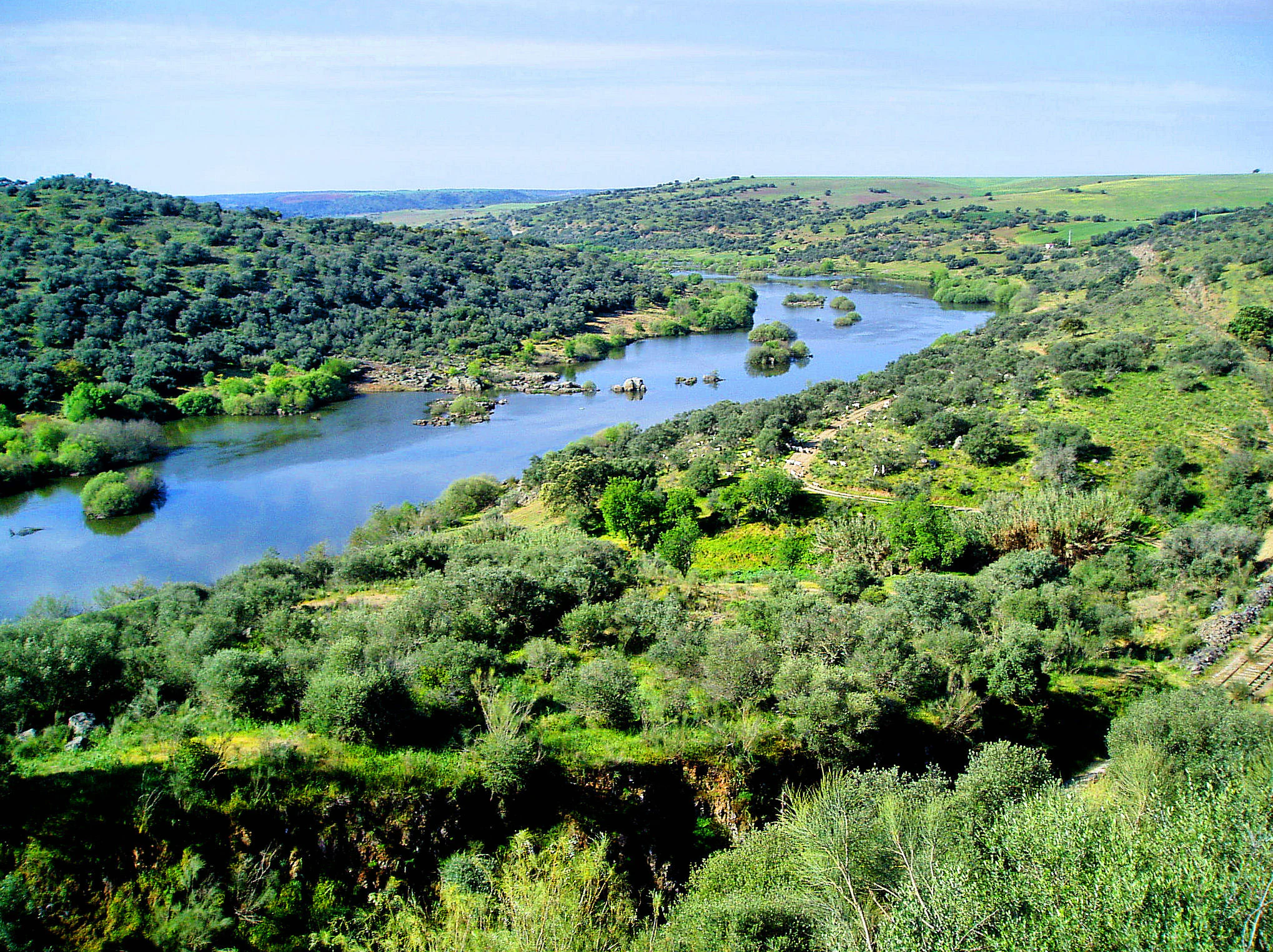
The landscape of Guadiana Valley Natural Park is defined by the Guadiana River as it flows through a relatively flat valley floor flanked by rolling terrain typical of the Baixo Alentejo region. The river creates a band of riparian vegetation through an otherwise semi-arid landscape characterized by cork oak and olive tree woodlands, rocky outcrops, and agricultural fields. In the northern portion of the park, the river encounters a narrow rocky channel that forces the water into a dramatic 20-meter vertical drop known as Pulo do Lobo, a geological feature of considerable visual impact. The riverbanks support galleries of willow, poplar, and oleander, creating a vivid green contrast to the sunnier, drier terrain beyond. The southern section of the park includes important marshland areas that expand during wetter periods, creating wetland habitat that contrasts sharply with the surrounding Mediterranean countryside.
Guadiana Valley Natural Park ecosystems, habitats, and plant life
The nature of Guadiana Valley Natural Park is shaped by the Mediterranean climate and the presence of the Guadiana River corridor through one of Portugal's driest regions. The park encompasses several distinct habitat types including riparian woodland along the river, Mediterranean shrubland, cork oak and olive tree savanna, and the ecologically important marshland areas in the south. The river itself supports specialized aquatic communities adapted to the seasonal variations in flow and water quality. The marshlands at the southern end function as critical ecological infrastructure, serving as nursery grounds for fish populations and providing essential feeding and resting areas for waterfowl and migratory birds. The surrounding countryside, despite its semi-arid character, supports a Mediterranean flora adapted to the prolonged dry summers and mild winters typical of this part of the Iberian Peninsula.
Guadiana Valley Natural Park wildlife and species highlights
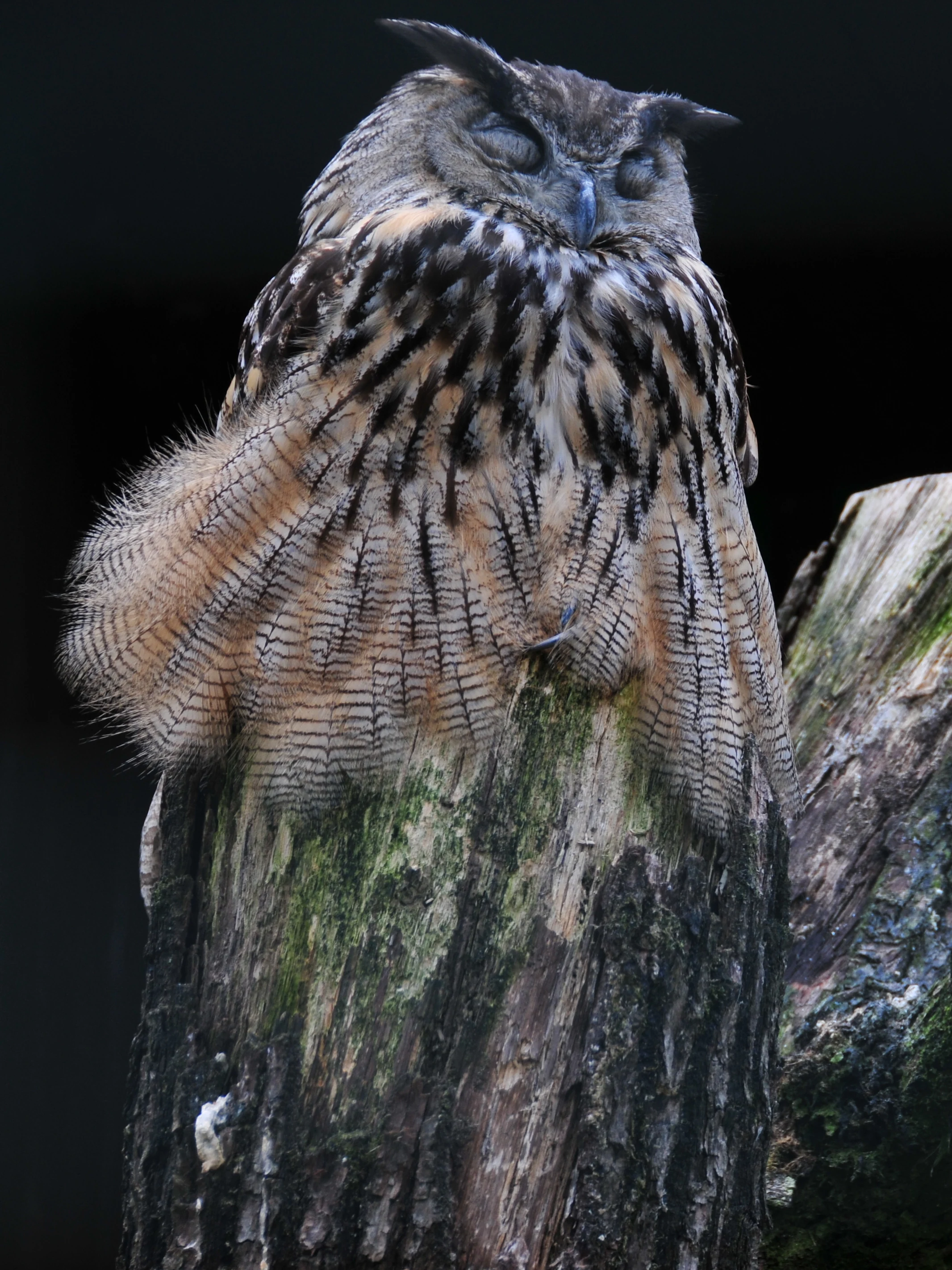
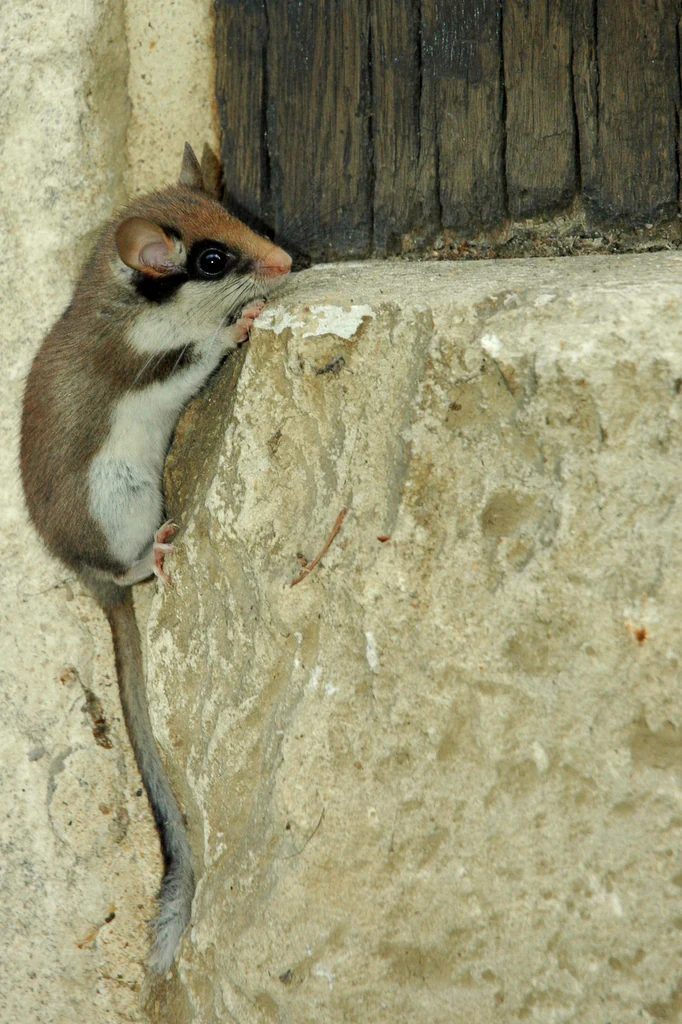
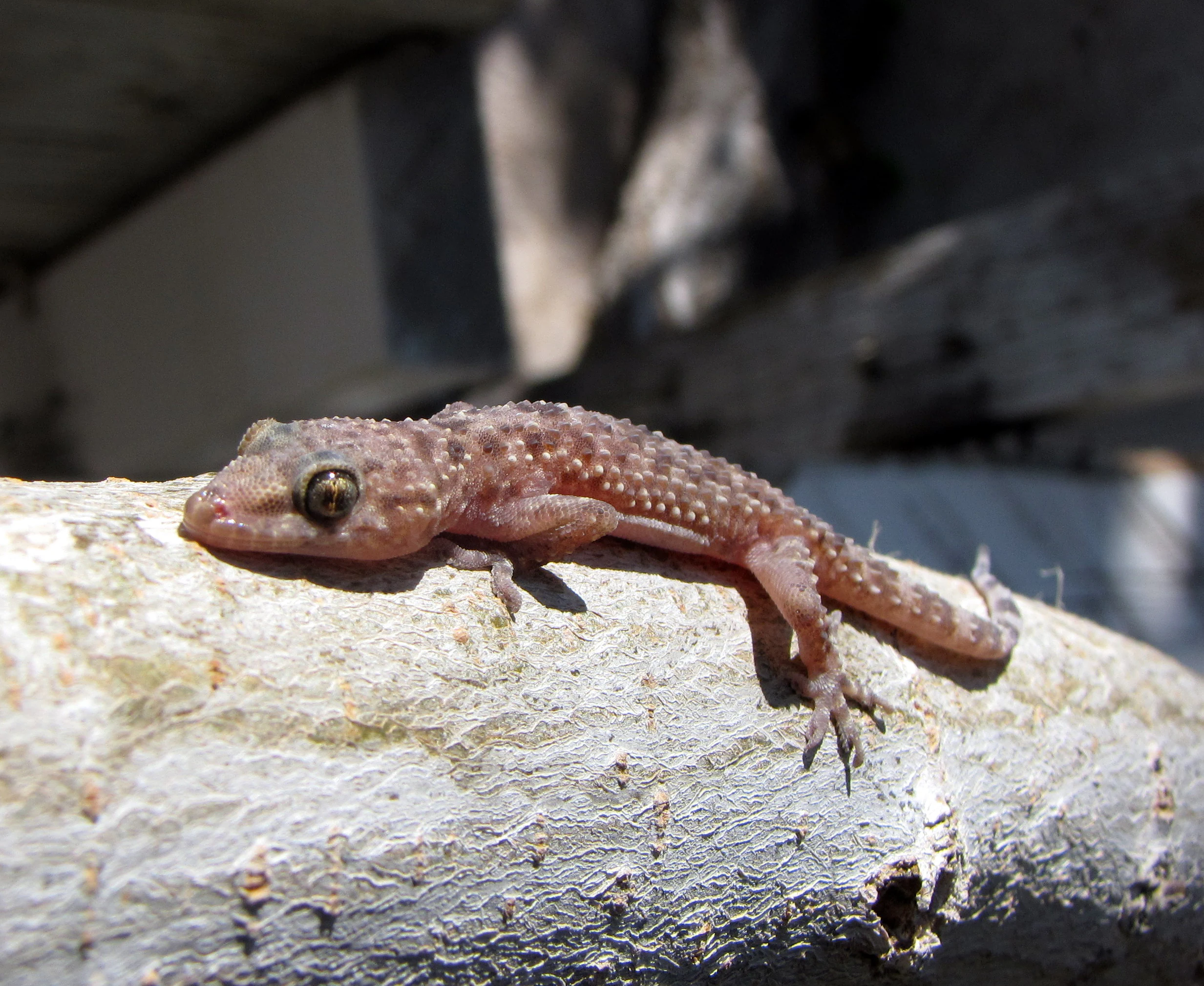
The wildlife of Guadiana Valley Natural Park is notable for the presence of species adapted to both aquatic and Mediterranean terrestrial environments. The park is home to the saramugo, a fish species endemic to this river system and found nowhere else on Earth, representing a globally significant conservation responsibility. The marshland areas support important fish spawning and nursery functions for multiple species. The birdlife is particularly diverse, with the wetlands providing essential habitat for numerous waterfowl species and the surrounding Mediterranean landscapes supporting populations of birds of prey, rollers, and other characteristic Iberian species. The park also supports populations of Mediterranean turtle dove, Bonelli's eagle, and various heron and egret species that use the wetland areas seasonally.
Guadiana Valley Natural Park conservation status and protection priorities
Guadiana Valley Natural Park plays a crucial conservation role in Portugal's protected area network by preserving a significant portion of the Guadiana River system and the associated ecological processes that depend on it. The park's IUCN Category V designation reflects its nature as a protected landscape where sustainable human activities coexist with natural values, rather than a strict wilderness preserve. The preservation of the river corridor is particularly important given the surrounding region's intensive agricultural use and the water demands of the Alentejo area. The marshland ecosystems in the southern portion are recognized as being of high conservation value, functioning as natural infrastructure that supports fish populations and bird communities across the Iberian Peninsula. The presence of the globally endangered saramugo fish places particular conservation responsibility on the park.
Guadiana Valley Natural Park cultural meaning and human context
The cultural context of Guadiana Valley Natural Park is strongly linked to the historic town of Mértola, which lies within the park boundaries and represents one of the oldest continuously inhabited settlements in Portugal. The town has Moorish architectural heritage and contains archaeological evidence of human occupation spanning multiple civilizations. The traditional agricultural landscape of cork oak and olive cultivation that surrounds the river has shaped the region's character over centuries, and these activities continue to function within the park's management framework. The Guadiana River itself has historically served as a boundary between Portugal and Spain, adding geopolitical dimension to the landscape. The interaction between human settlement, agricultural practice, and the natural river system over generations has created a cultural landscape where heritage and ecology are intertwined.
Top sights and standout views in Guadiana Valley Natural Park
The primary highlight of Guadiana Valley Natural Park is Pulo do Lobo, the dramatic waterfall where the Guadiana River plummets through a narrow gorge, creating one of the most recognizable natural landmarks in the region. The park's significance for global conservation is underscored by the presence of the saramugo, a fish species found nowhere else in the world. The wetland areas in the southern portion provide exceptional birdwatching opportunities, particularly for migratory waterfowl and colonial nesting species. The contrast between the lush green river corridor and the golden, sunlit Mediterranean countryside creates a distinctive visual character that defines the park's landscapes.
Best time to visit Guadiana Valley Natural Park
The best time to visit Guadiana Valley Natural Park depends on the experience sought, with each season offering distinct advantages. Spring brings mild temperatures and the possibility of seeing the river corridor at its most vibrant, with wildflowers blooming along the banks and migratory birds returning to the wetlands. Autumn can be excellent for birdwatching as populations gather at the wetlands before migration, and the landscape takes on warm golden tones. Summer temperatures can be very high in this semi-arid region, though the river and its shade provide some relief. The Pulo do Lobo waterfall is most impressive following autumn and winter rainfall when water flow is strongest, though it remains a notable feature year-round. The historic town of Mértola can be explored throughout the year and adds cultural dimension to any visit.