
Why Arrábida Natural Park stands out
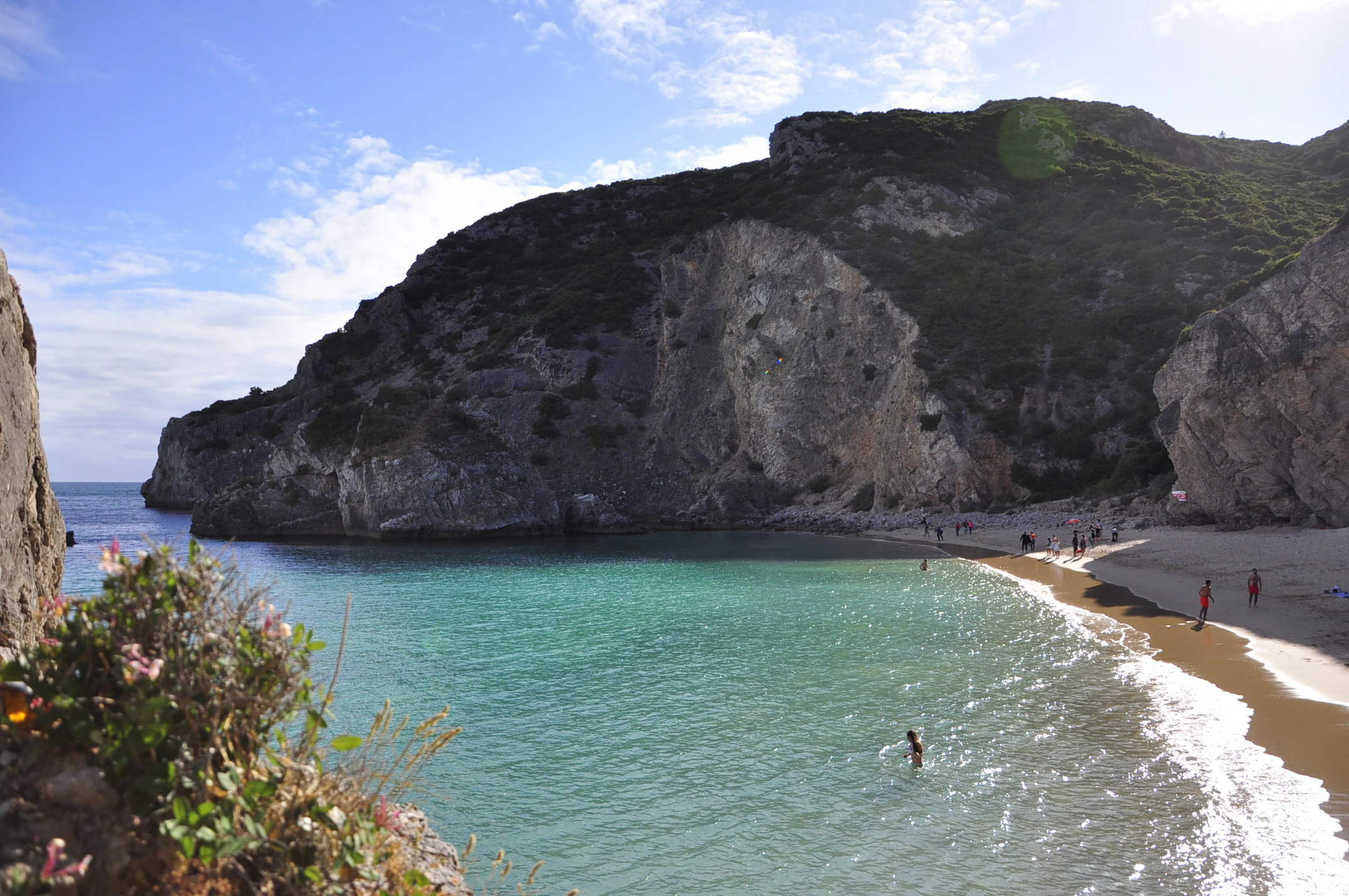
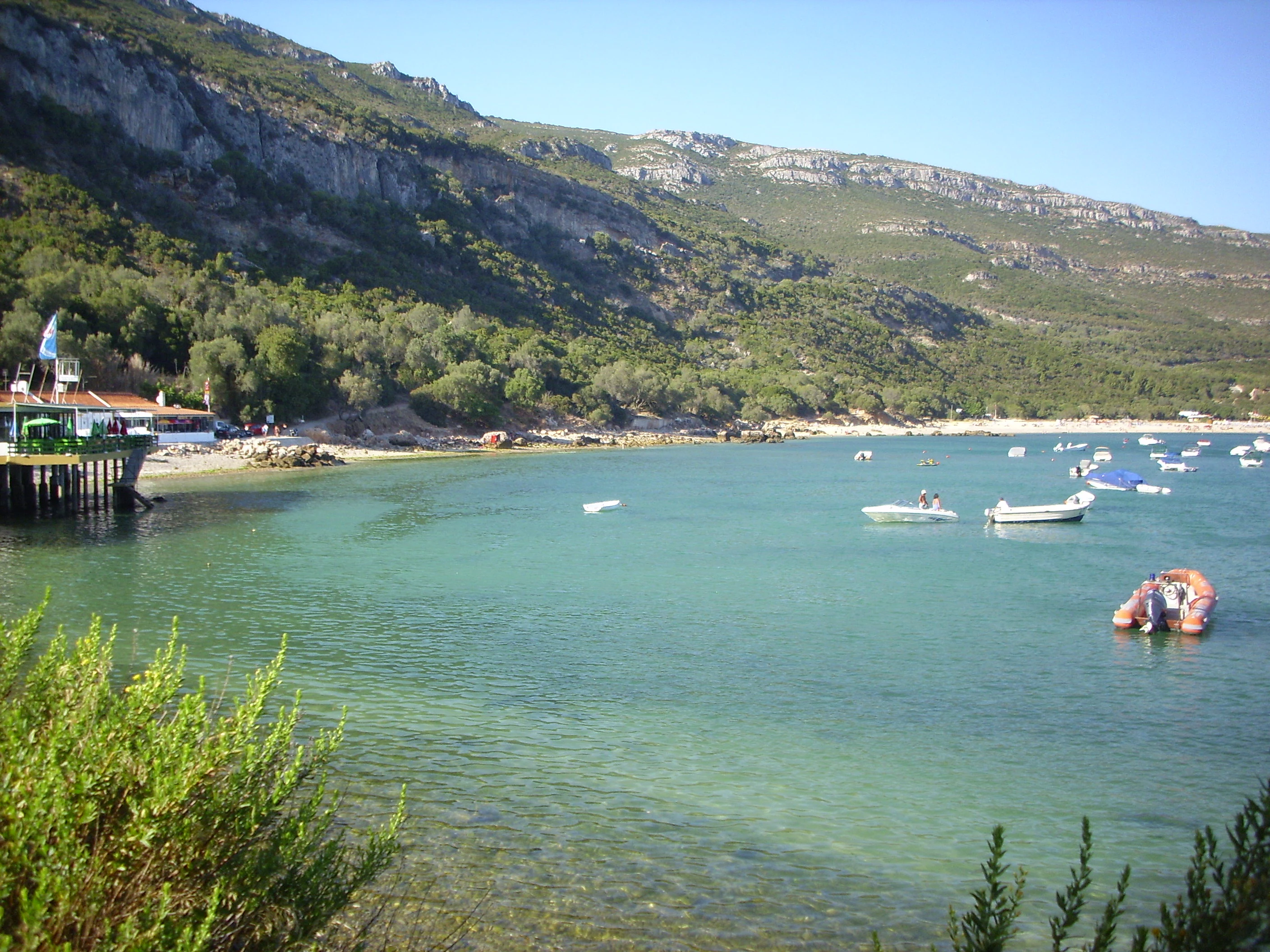
Arrábida Natural Park is best known for its unique geological character where a Mediterranean-type limestone mountain range meets the Atlantic Ocean, creating dramatic cliffs,Hidden coves, and beaches that contrast sharply with the typical Portuguese coastline. The park's three popular beachesGalapinhos, Portinho da Arrábida, and Figueirinhaare among the most scenic in the region. The Convent of Our Lady of Arrábida, a 16th-century monastery perched above the beaches, adds cultural significance to the natural landscape. The park is also notable for its fossil deposits, particularly dinosaur remains at Cape Espichel, and for the Gruta do Frade, an extensive karst cave system. The area gained additional recognition in 2025 when it was designated as a UNESCO biosphere reserve.
Arrábida Natural Park history and protected-area timeline
The protection of Arrábida's unique landscape began in the mid-20th century as recognition grew of the area's exceptional geological and ecological values. Initial attempts to protect the region started in the 1940s, culminating in the creation of the Arrábida Reserve through Decree 355/71 on August 16, 1971, which covered the southern flanks of the mountains and the cliffs of Risco. However, this initial protection was soon recognized as insufficient for the area's comprehensive conservation needs. On July 28, 1976, Decree 622/76 established the Parque Natural da Arrábida, a classification that envisioned not only the protection of geological, forest, wildlife, and landscape values but also the cultural and historical resources within the area. This establishment reflected a broader Portuguese movement in the 1970s to formalize protection for significant natural areas. A significant expansion of the park's scope came with Regulatory Decree 23/98 on October 14, 1998, which reclassified the natural park and expanded its coastal area while establishing the Arrábida-Espichel Marine Area. This expansion was designed to support the park's objectives, particularly regarding the diverse marine flora and fauna, and included the discontiguous zone of Cape Espichel to protect coastal cliffs, endemic flora species, seabird nesting areas, and paleontological fossil sites. Most recently, in 2025, the park achieved international recognition when UNESCO designated it as a biosphere reserve through the World Network of Biosphere Reserves, acknowledging both its ecological significance and its role in sustainable development.
Arrábida Natural Park landscape and geographic character
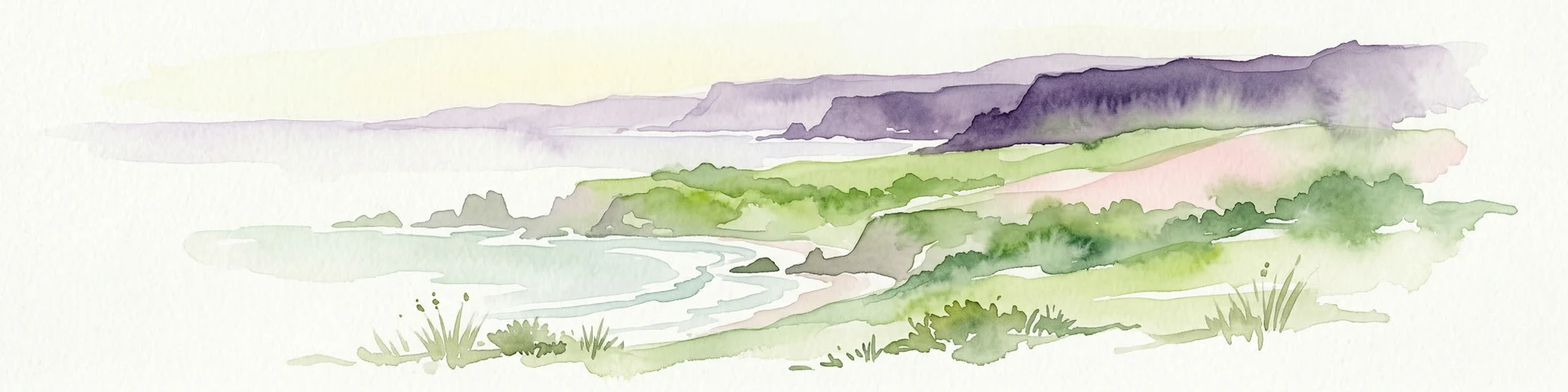
The Arrábida landscape is defined by the dramatic encounter between a limestone mountain range and the Atlantic Ocean, creating one of Portugal's most visually distinctive coastal environments. The Serra da Arrábida cordillera, the park's namesake, rises as a white ridge of limestone and dolomite that reaches 501 meters at Formosinho, the highest point in the park. This mountain range, oriented roughly east-northeast to west-southwest, stretches about 35 kilometers with a maximum width of 6 kilometers, forming a geological barrier that has shaped both the terrestrial and marine environments. The mountains feature frequent rocky outcroppings and sheer cliffs that drop directly into the sea, particularly along the dramatic section from Sesimbra to Cape Espichel where the coast reaches 380 meters at Alto do Píncaro. Along this elevated stretch, beaches are rare and small, accessible primarily by boat, while the area from Alpertuche to Outão offers more accessible beaches including the popular Portinho da Arrábida. The interior of the park includes productive plains on the northern edge and several valleys such as Picheleiros, Solitário, and Vitória. Notable geological features include karst cavities, with the Gruta do Frade being particularly significant for its uniqueness and scenic beauty. The landscape also features ornamental breccia, commonly known as Arrábida Marble, formed from the alternating layers of limestone, sandstone, and breccia that accumulated during the Jurassic period when the area was submerged beneath shallow seas. The hydrological system includes both seasonal watercourses that flow primarily during winter months and perennial ravines, with the Ribeira da Ajuda being the only waterway within the park that maintains year-round flow.
Arrábida Natural Park ecosystems, habitats, and plant life
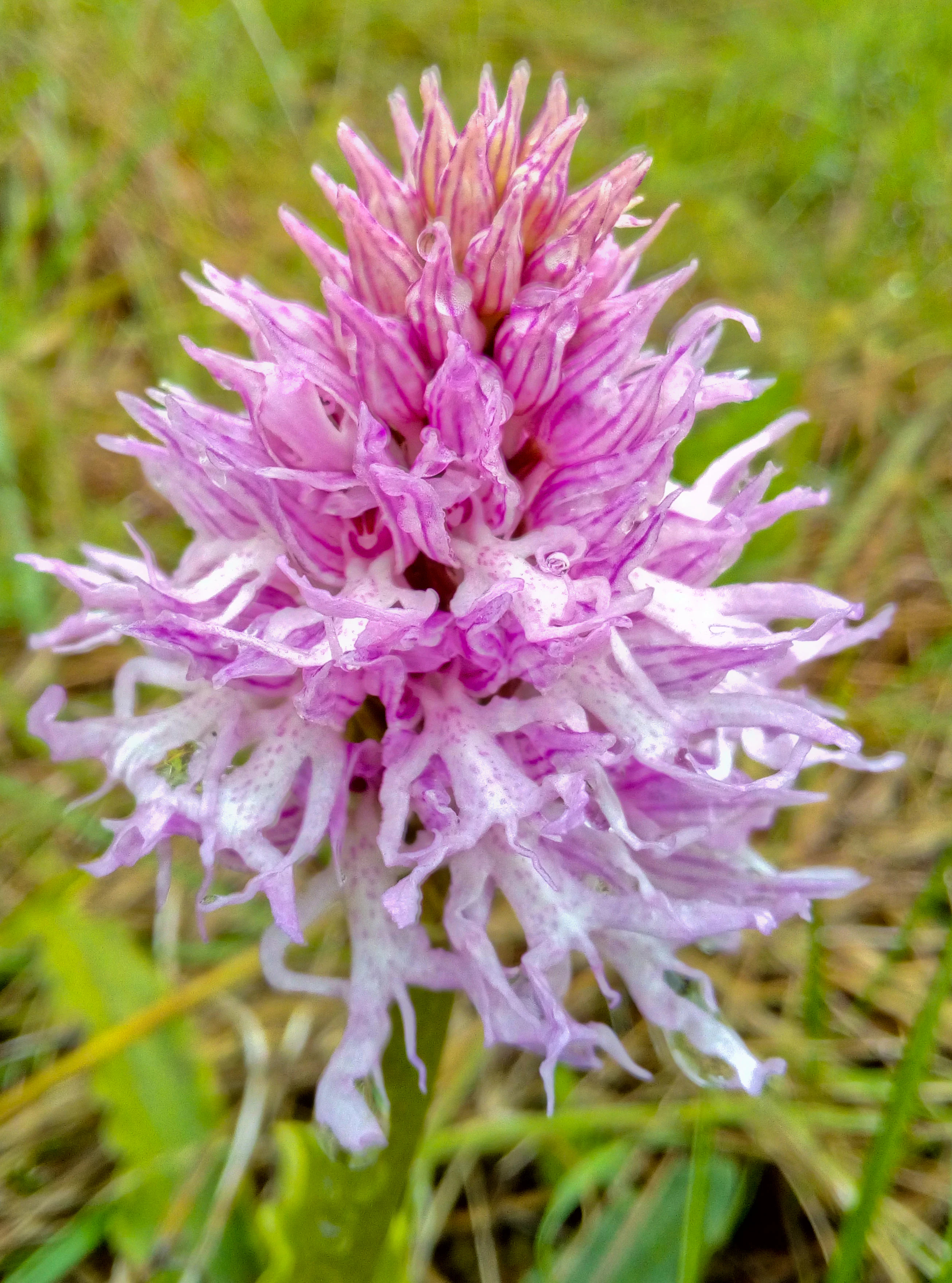
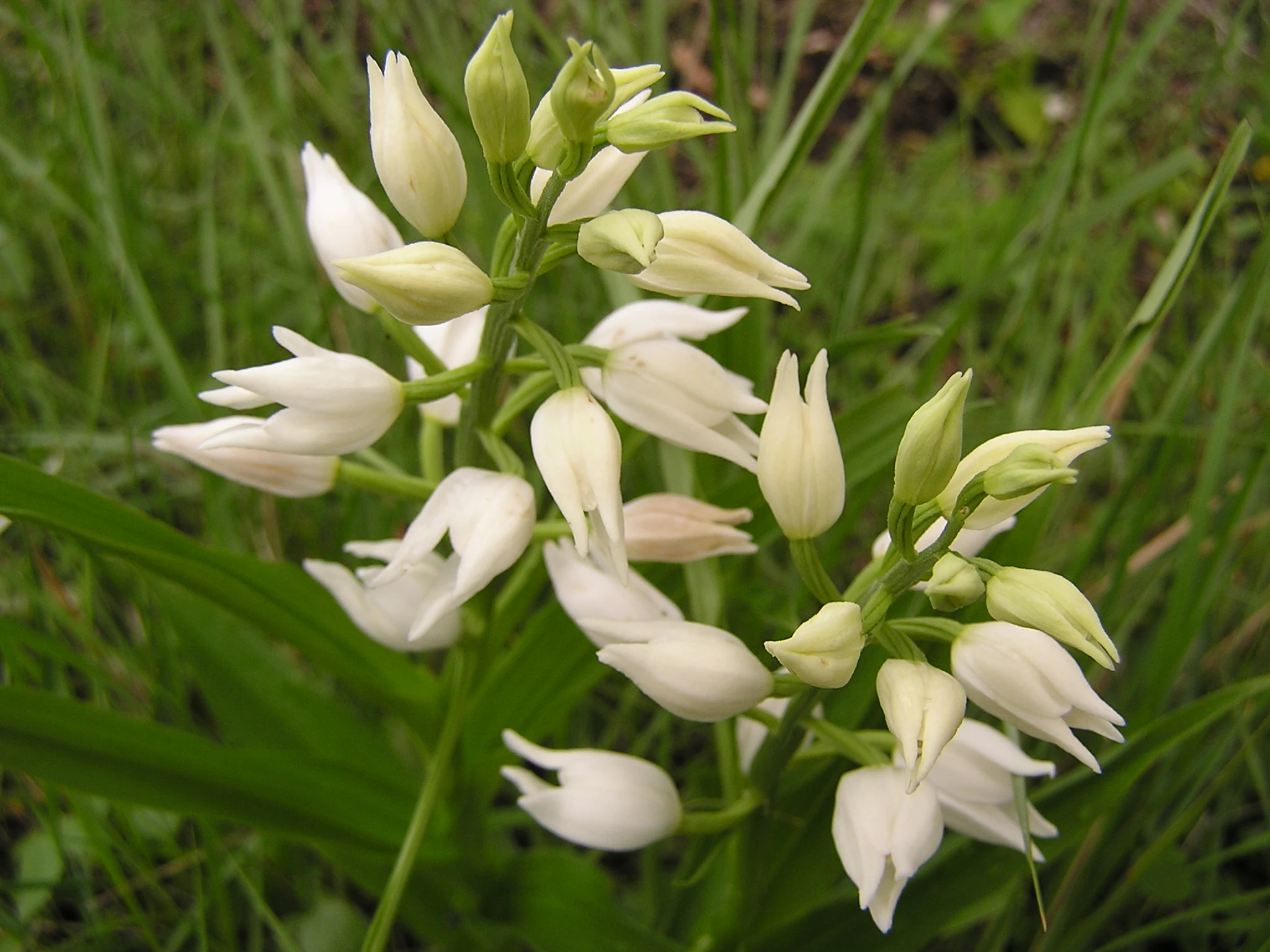
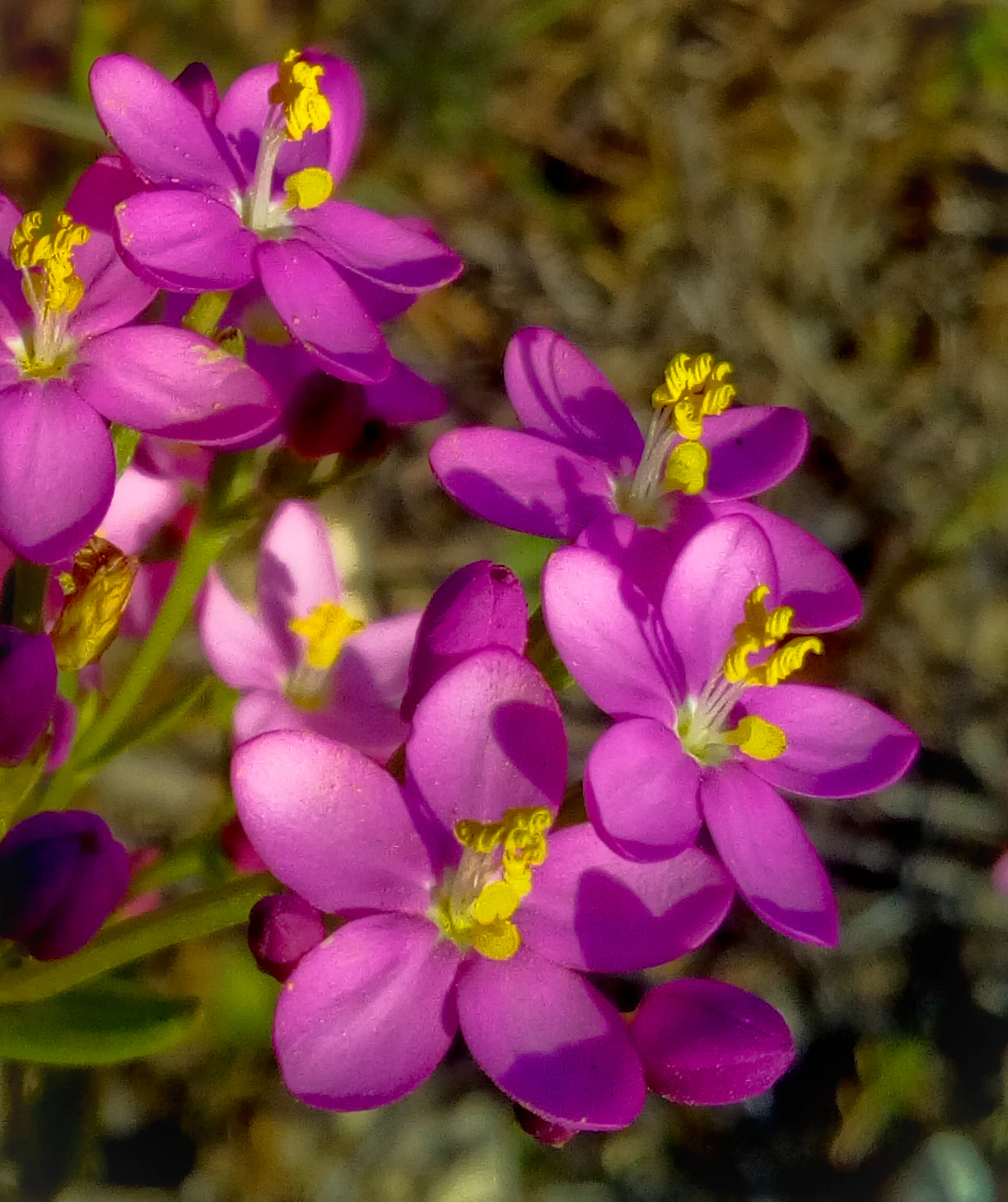
Arrábida Natural Park supports an exceptional diversity of habitats resulting from the convergence of Mediterranean and Atlantic climatic influences across varied terrain. The park contains 42 types and subtypes of vegetation habitats, of which ten are prioritized as important for conservation. The vegetation is organized around three convergent floral elements: Euro-Atlantic vegetation dominating north-facing slopes in cooler, humid, or shaded areas; Mediterranean vegetation occupying south-facing exposures in warmer, drier conditions; and Macaronesian vegetation along the maritime cliffs and coastal walls. This ecological mixing creates a complex mosaic where evergreen, deciduous, and semi-deciduous trees occur in close association. The park preserves some of the last vestiges of Mediterranean vegetation in Portugal and was included early in conservation planning to preserve these ecosystems. Notable habitat types include Atlantic and Mediterranean coastal dune systems with herbaceous vegetation and pine forests of stone pine and maritime pine, Mediterranean arborescent thickets of bay laurel, calcareous grasslands, and temperate alluvial forests of common alder and European ash. The marine environment contributes significantly to the park's biodiversity, with approximately 1400 registered marine species inhabiting the waters around Arrábida and Cape Espichel, making it a genuine biodiversity hotspot.
Arrábida Natural Park wildlife and species highlights
The terrestrial fauna of Arrábida Natural Park includes 213 vertebrate species distributed across 8 amphibians, 16 reptiles, 154 birds, and 35 mammals. This vertebrate diversity is complemented by the exceptional marine biodiversity, with around 1400 species recorded in the park's waters. The park's position along the coast and its variety of habitats make it significant for birdlife, with the coastal cliffs at Cape Espichel serving as important nesting areas for marine birds. The Macaronesian vegetation on the coastal cliffs also supports nesting species of maritime and raptor birds protected by international convention. Among the notable species present is the Portuguese endemic Ulex densus, a dwarf gorse that is one of the few places in Portugal where this plant occurs. The mammalian fauna includes species such as the red fox, while the reptile and amphibian communities reflect the Mediterranean character of the park. The marine environment supports diverse communities including species associated with the rocky substrates and coastal waters, with the 1998 expansion of marine protection specifically addressing the conservation of marine flora and fauna around Cape Espichel.
Arrábida Natural Park conservation status and protection priorities
Arrábida Natural Park holds significant conservation value at both national and international levels, reflected in its recent designation as a UNESCO biosphere reserve in 2025. The park's classification as IUCN Category V identifies it as a protected landscape where human activities are integrated with nature conservation. The area was recognized early for its importance, with the protection process beginning in the 1940s and culminating in formal protection in 1971 and 1976. The conservation framework addresses both terrestrial and marine environments, with the 1998 reclassification specifically expanding coastal and marine protection through the Arrábida-Espichel Marine Area. The park's 42 habitat types include ten that are prioritized for conservation, demonstrating the ecological significance of the area. The protection of the coastal cliffs at Cape Espichel preserves both endemic flora species and important seabird nesting areas, while also maintaining access to paleontological sites containing dinosaur fossil deposits. The integration of geological, ecological, and cultural conservation objectives reflects a comprehensive approach to landscape protection that recognizes the interconnections between natural and cultural values.
Arrábida Natural Park cultural meaning and human context
The cultural landscape of Arrábida Natural Park is exemplified by the Convent of Our Lady of Arrábida, a 16th-century monastery that stands as a prominent landmark overlooking the coastal beaches. This former religious complex, surrounded by endemic natural vegetation, is now managed by the Fundação Oriente and represents the historical human presence in this dramatic landscape. The area has also gained international cultural visibility through its use as a filming location, most notably in the 1969 James Bond film On Her Majesty's Secret Service, where a stretch of road within the park was the scene of the dramatic shooting that kills Tracy Bond at the film's conclusion. The park also appears in the video game Tom Clancy's Endwar as a theater of conflict in a fictional World War III scenario. These cultural associations add layers of recognition beyond the park's natural and ecological significance, connecting the landscape to broader cultural narratives and popular media.
Top sights and standout views in Arrábida Natural Park
Arrábida Natural Park stands out for its dramatic convergence of Mediterranean-type limestone mountains with the Atlantic Ocean, creating a landscape unlike anywhere else on the Portuguese coast. The park's three popular beachesperhaps its most recognizable feature among visitors from Lisbon and Setúbalinclude Galapinhos, Portinho da Arrábida, and Figueirinha, each offering distinct coastal experiences against the backdrop of white limestone cliffs. The Convent of Our Lady of Arrábida, perched on the slopes above the beaches since the 16th century, provides both historical depth and panoramic viewpoints. The geological significance is exceptional, with Jurassic-era limestone formations, karst cave systems including Gruta do Frade, and paleontological sites at Cape Espichel yielding dinosaur fossils. The 2025 UNESCO biosphere reserve designation recognizes the park's successful integration of terrestrial and marine conservation with sustainable use. The park's biodiversity is substantial, with 42 habitat types and 1400 marine species in its waters, supported by the meeting of Atlantic and Mediterranean influences.
Best time to visit Arrábida Natural Park
Arrábida Natural Park can be visited year-round, though the Mediterranean climate shapes the experience across seasons. The summer months from June through September bring warm, dry conditions typical of the Mediterranean, with August temperatures averaging 24-28°C during the day. This is the peak season for beach visits, with the park's three popular beaches receiving their highest use by visitors from Lisbon and Setúbal. However, summer also brings morning and evening fogs, particularly around Cape Espachel, created by upwelling in the cooler Atlantic waters. The winter months from November through February offer milder temperatures averaging 13-15°C during the day and considerably fewer visitors, making this an ideal time for those seeking a quieter experience of the park's landscapes and hiking trails. The winter period also brings the highest precipitation, with November and December typically receiving the most rainfall as humid Atlantic air masses encounter the mountains. The spring and autumn seasons offer moderate temperatures and changing conditions that may appeal to those interested in experiencing the park's seasonal transformations, though these shoulder seasons may present variable weather patterns.