Why Juwangsan National Park stands out
Juwangsan National Park is best known for its steep mountain scenery and the cultural heritage sites nestled within its valleys. The park features prominent peaks that form distinctive silhouettes, giving rise to the legendary royal crown etymology of its name. The combination of natural landscape and Buddhist religious architecture, particularly Daejeonsa Temple with its mountain backdrop, represents a defining characteristic. The annual Juwangsan Royal Azalea Festival, held during the first week of May, celebrates the blooming of azaleas throughout the park and provides a seasonal draw for visitors.
Juwangsan National Park history and protected-area timeline
Juwangsan National Park was designated as South Korea's twelfth national park on March 30, 1976, as part of the expansion of the national park system that occurred throughout the 1970s. The selection of this mountainous area for protected status reflected both its scenic quality and its ecological significance. The park's name carries historical weight, connected through legend to King Gyeongdeok of the Silla dynasty who is said to have taken refuge in these mountains. Local tradition holds that villagers offered the exiled king rice cakes shaped to resemble the mountain peaks, which they called crowns, giving rise to the name Juwang-san meaning literally Crown King Mountain. The Korea National Park Service assumed management responsibility for the protected area, implementing conservation measures and developing visitor infrastructure over subsequent decades.
Juwangsan National Park landscape and geographic character
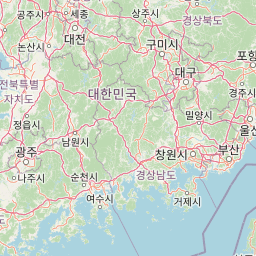
The physical landscape of Juwangsan National Park consists of rugged mountain terrain formed within the Taebaek mountain range. The area features steep-sided valleys that descend from ridgeline crests, creating a dramatic topography characteristic of Korea's eastern mountain systems. Several waterfalls cascade down the valley walls, with Dalgi Waterfall representing one of the notable water features within the park. Jusanji lake provides a contrasting still-water element within the mountainous setting. The forest cover dominates the lower slopes and valley floors, while rock outcrops and cliff faces appear along the steeper sections. The combination of peak formations, waterfalls, and lake surfaces creates a landscape that has historically attracted both religious practitioners and visitors seeking scenic natural beauty.
Juwangsan National Park ecosystems, habitats, and plant life
The ecological character of Juwangsan National Park reflects the forest ecosystems that dominate its mountainous terrain. The park documents 88 plant species within its boundaries, representing the diverse vegetation that thrives in this portion of the Korean peninsula. Forest communities occupy the valleys and lower slopes, while the ridgeline environments support different plant associations adapted to higher elevations. The park's location within the Taebaek range places it within a broader ecological corridor that connects to other protected areas in eastern South Korea. The forest environments provide habitat structure for the documented animal species, with the 924 animal species recorded in the park representing substantial biodiversity for a protected area of this size.
Juwangsan National Park wildlife and species highlights
Juwangsan National Park hosts 924 animal species as documented within its boundaries, indicating significant faunal diversity within the protected area. The forest environments and water features within the park provide varied habitat conditions that support different animal communities. The mountain streams and Jusanji lake offer aquatic habitat, while the forested slopes and ridgelines provide terrestrial environments for forest-dwelling species. Birdlife likely represents a significant component of the animal species total, as is typical in Korean mountain parks, though specific species details would require more detailed source information. The combination of forest, freshwater, and rocky habitats creates a mosaic that supports the documented species richness.
Juwangsan National Park conservation status and protection priorities
As a national park designated under South Korea's national park system, Juwangsan receives formal protected status with management oversight by the Korea National Park Service. The designation reflects recognition of the area's combined natural and cultural values. The park's biodiversity figures, with 88 plant species and 924 animal species, indicate ecological productivity that conservation measures aim to maintain. The IUCN designation of Category II confirms the national park status, emphasizing both ecosystem protection and opportunities for environmental education and compatible recreation. The park's inclusion in South Korea's network of twenty-two national parks positions it within a broader national conservation framework.
Juwangsan National Park cultural meaning and human context
Juwangsan National Park contains significant cultural heritage elements, most notably the Buddhist temple Daejeonsa and the hermitages Juwangam and Baekryeonam. These religious sites represent the historical relationship between Korean Buddhist tradition and mountain landscapes, as temples have traditionally been established in scenic mountain settings considered conducive to spiritual practice. The park's name itself derives from a historical legend connecting the landscape to King Gyeongdeok of the Silla dynasty, providing cultural narrative that enriches the physical geography. The annual Juwangsan Royal Azalea Festival, held each May, represents a contemporary cultural practice that celebrates the park's seasonal natural phenomenon and connects it to regional identity and community tradition.
Top sights and standout views in Juwangsan National Park
The defining highlights of Juwangsan National Park include the mountain peaks that give the park its distinctive silhouette and legendary name, the Buddhist heritage site of Daejeonsa Temple set against the mountain backdrop, and the seasonal display of royal azaleos that prompts the annual May festival. The park's combination of natural scenic beauty and religious cultural sites creates a composite attraction not found in purely natural reserves. Dalgi Waterfall and Jusanji lake provide specific natural features that orient visitor exploration within the park's trail network. The park's position within the Taebaek mountain range connects it to the broader mountain landscape of eastern South Korea.
Best time to visit Juwangsan National Park
The best time to experience Juwangsan National Park depends on seasonal conditions and visitor interests. The annual Juwangsan Royal Azalea Festival takes place during the first week of May, when the rhododendron blooms create a significant visual display throughout the park and the festival provides cultural programming for visitors. Spring and early summer generally offer comfortable temperatures and verdant forest conditions. Autumn brings seasonal color changes to the deciduous forest elements. Winter conditions in the mountain environment will be more severe and trail access may be reduced. The shoulder seasons of spring and autumn typically provide the most favorable conditions for hiking and appreciating the park's landscapes.